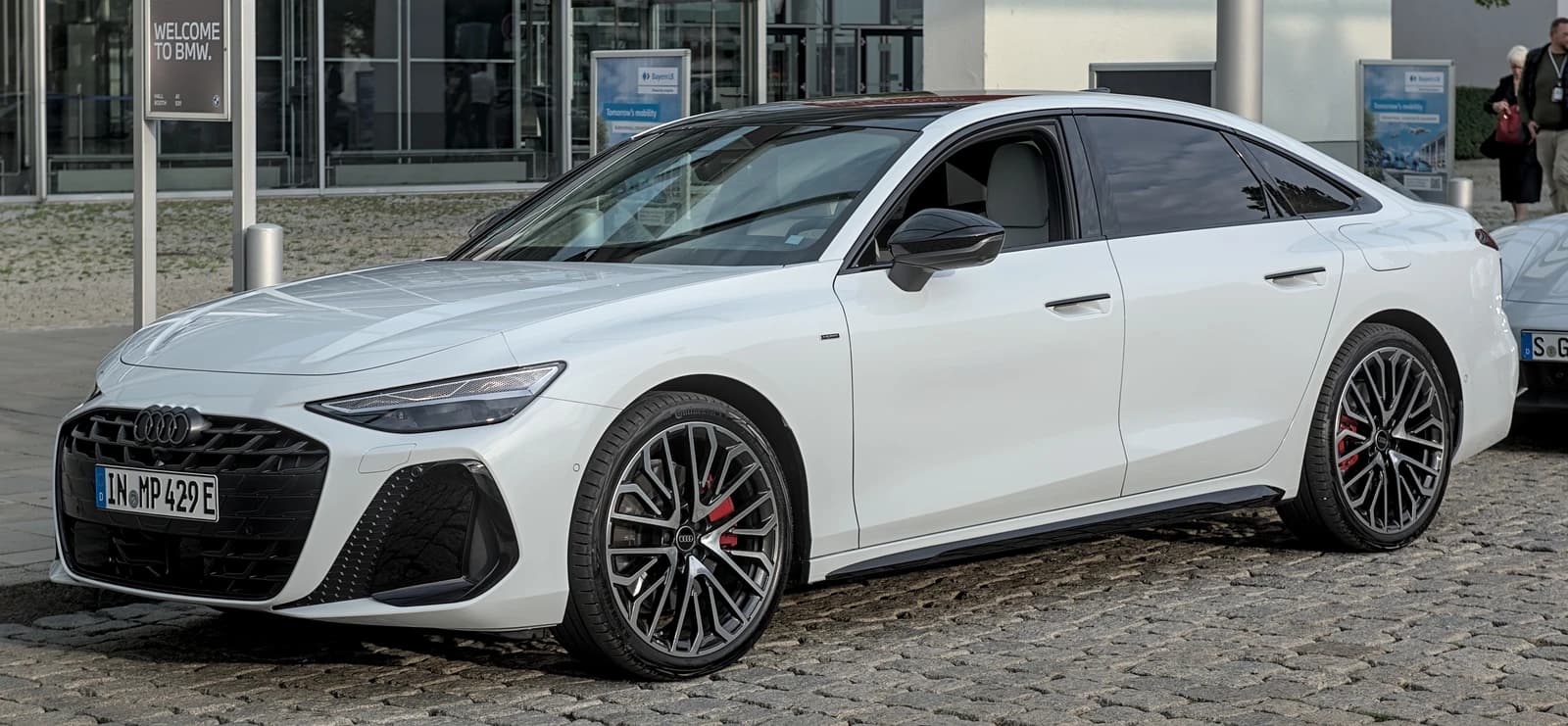
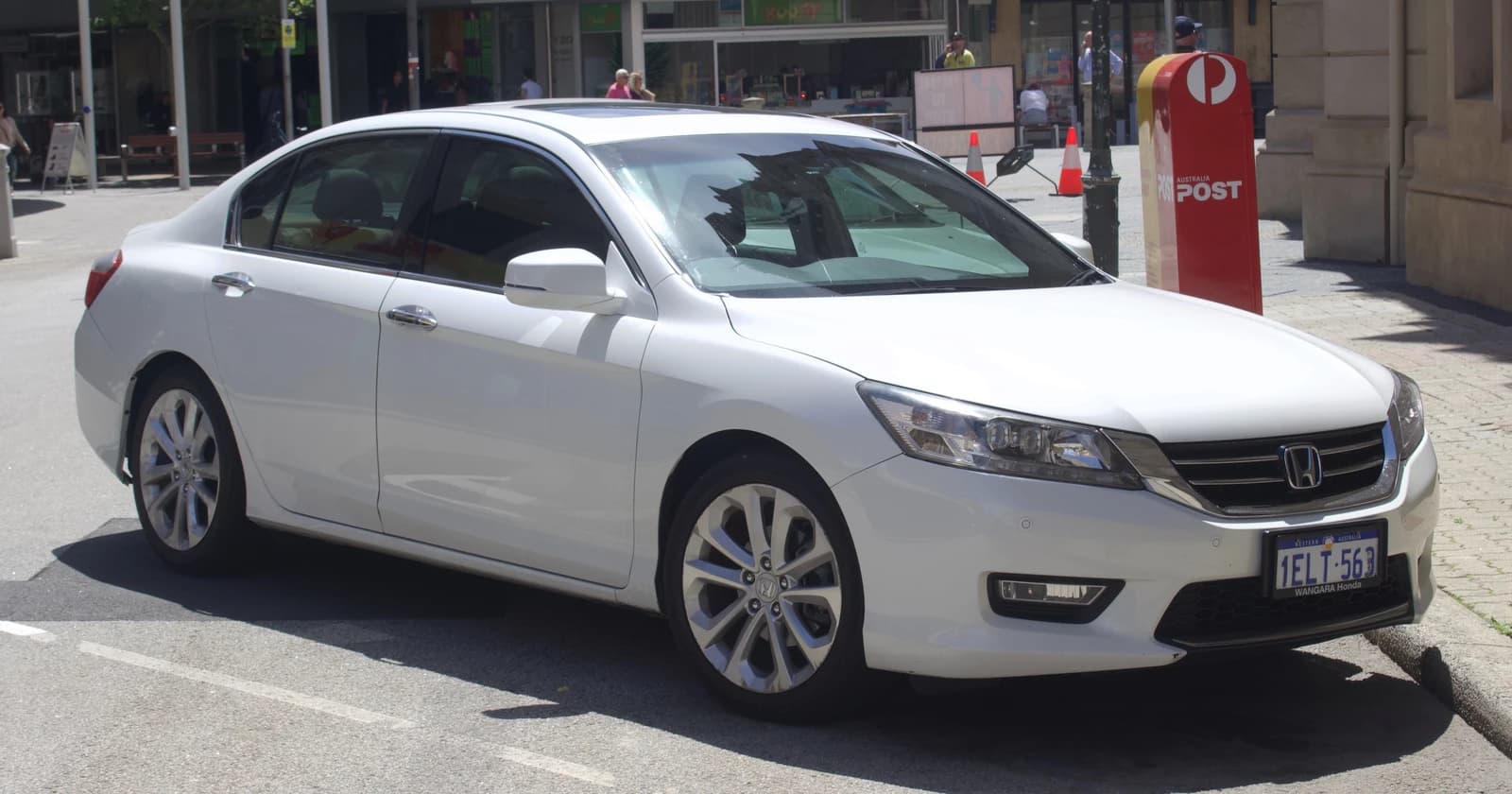
Car buyers in Pakistan are moving to lock in prices on popular models like the Toyota Corolla Altis, Kia Carnival, BMW 2 Series and Mercedes-Benz GLS as the market braces for further hikes, underscoring how inflation, currency weakness and tighter import economics are still squeezing affordability.
Pakistan auto buyers lock in prices on popular models
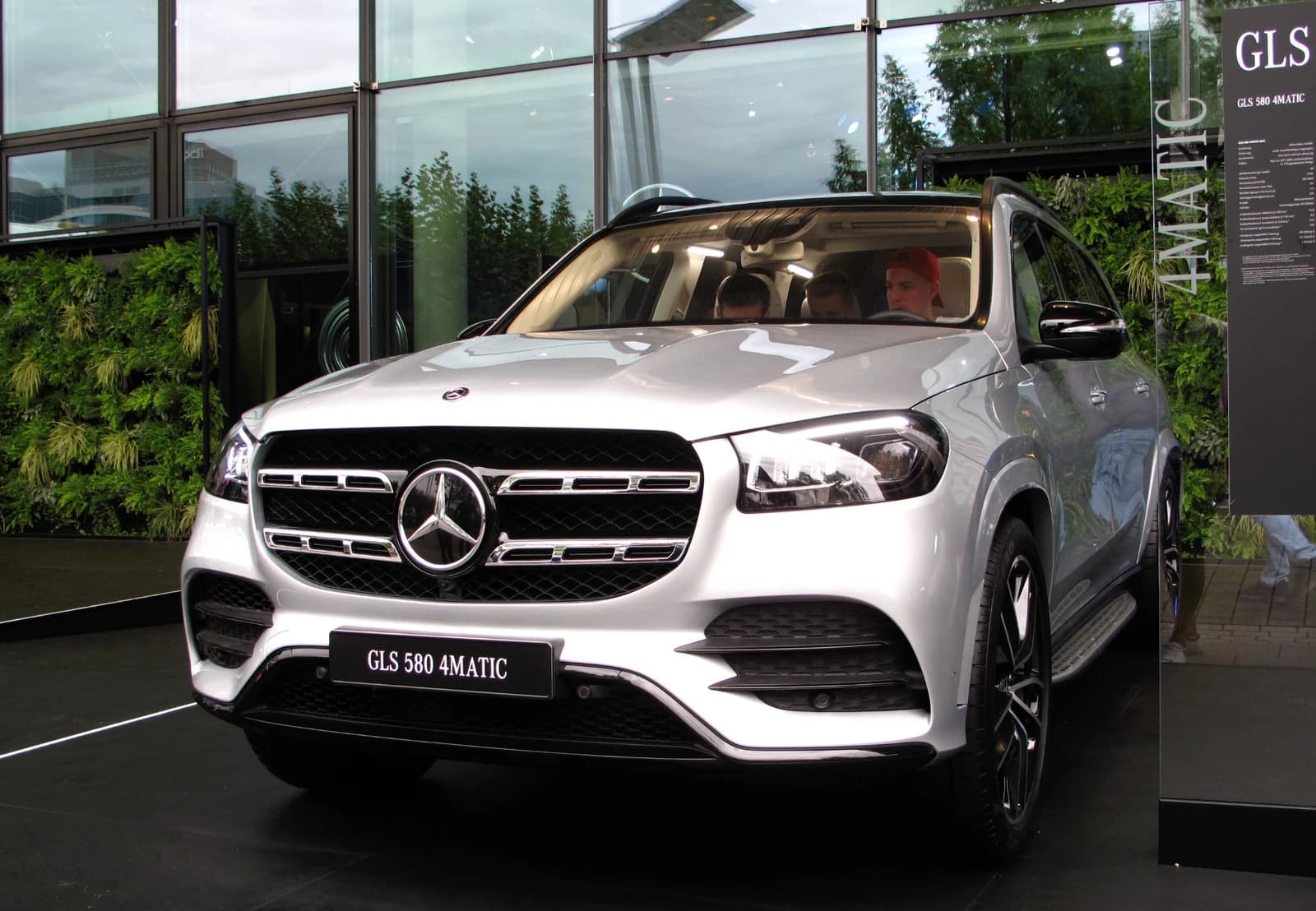
That matters because autos are one of the clearest pressure points in Pakistan’s consumer economy. When vehicle prices rise, households delay purchases, financing demand weakens and dealers face slower turnover — but for manufacturers and distributors that can source inventory at current levels, near-term demand can get pulled forward as buyers rush to beat the next price increase.
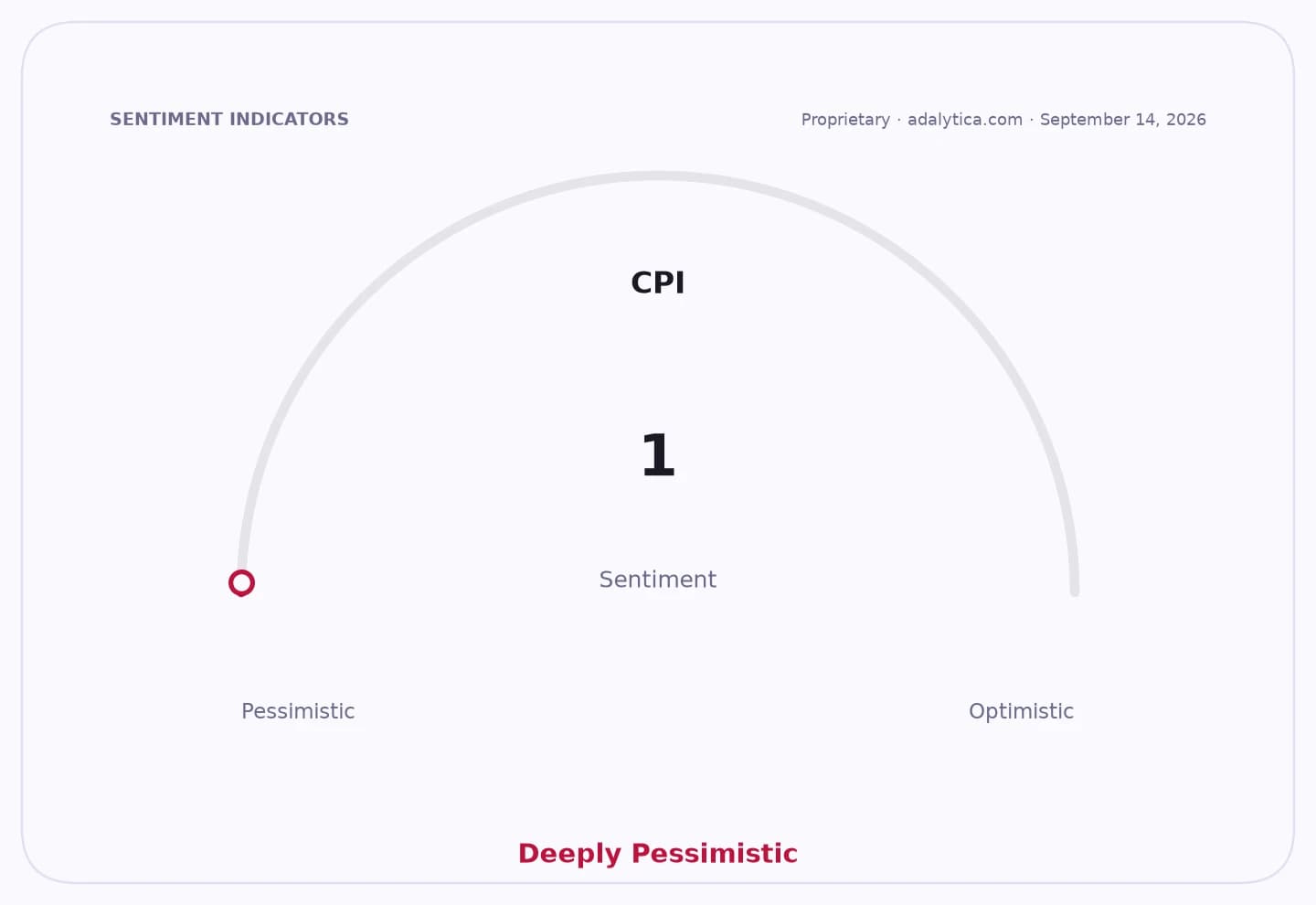
Sentiment IndicatorsⓘProprietary · adalytica.com · September 18, 2026
This is a snapshot — live sentiment, awareness and momentum for 130+ markets update continuously in the dashboard.Open AlphaPulse
The updated price list shows how wide the gap has become across segments. In Toyota’s lineup, the 2024 Land Cruiser is listed at PKR 156.829 million, the Hilux at PKR 16.149 million and the Corolla at PKR 6.169 million, while the 2022 Aqua sits at PKR 4.5 million. That spread captures the market’s bifurcation: essential sedans remain comparatively accessible, but SUVs and imported models are becoming luxury purchases for a much smaller buyer base.
The pressure is not unique to Toyota. The seed lineup spans mass-market models such as the Suzuki APV GLX, Toyota Corolla Altis 1.8 and JMC New Boarding 4x2 Single Cab, alongside higher-end vehicles including the Kia Carnival GLS+, Audi A5 1.4 TFSI Sportback and Mercedes-Benz GLS500. That mix points to a market where buyers are increasingly trading down, stretching replacement cycles or stepping out of the market entirely.
For investors, the key takeaway is that pricing power is replacing volume growth as the main profit lever in autos. In an environment where affordability is eroding, companies with strong brand equity, local assembly exposure and better inventory control tend to hold up better than import-heavy sellers. Used-car platforms and financing-linked retailers can also benefit if consumers decide to shift away from new vehicles rather than exit the market altogether.
The broader macro backdrop is still working against the sector. A stronger U.S. dollar, persistent inflation and a fragile consumer backdrop leave little room for meaningful relief in imported car pricing. That makes any temporary promotions or model-specific incentives more likely to pull demand forward than to create a durable recovery.
My view: this is less a one-off pricing story than a sign that Pakistan’s auto market is entering a prolonged affordability squeeze. Investors should favor the businesses that can defend margins and inventory turns in a higher-price environment, while treating broad-based volume growth in passenger vehicles as the exception, not the base case.
| Entity | Gains | Losses |
|---|---|---|
| Dealers with local inventory | ▲Near-term demand pull-forward | ▼Margin pressure from slower turnover |
| Toyota, Kia, Suzuki assemblers | ▲Pricing power on scarce models | ▼Volume growth slows |
| Used-car sellers | ▲Trade-down demand | ▼New-car retailers |
| Buyers/households | ▲None | ▼Higher ownership costs |