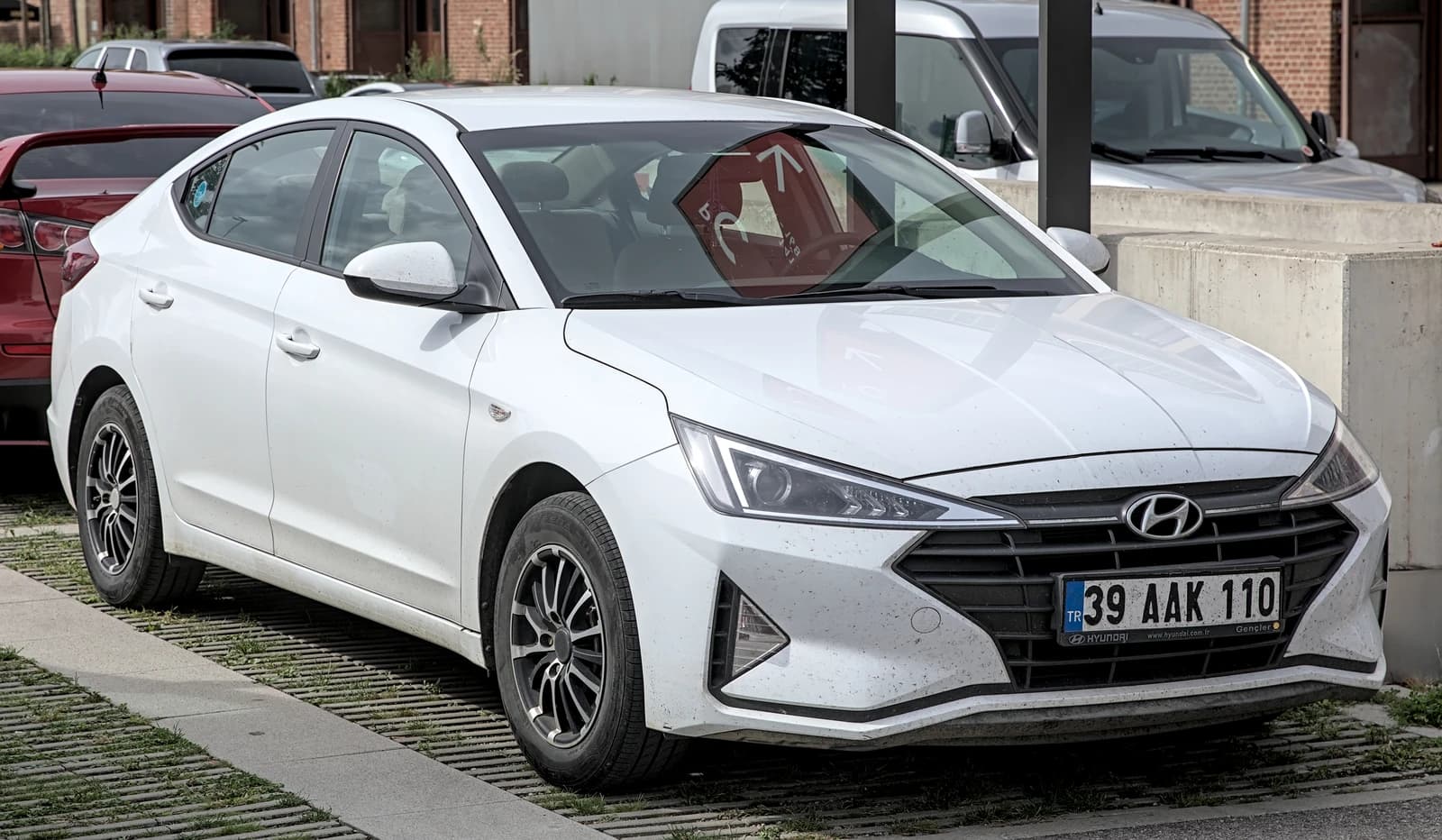
Hertz Global Holdings is turning its used-car business into a full e-commerce channel, giving U.S. buyers the ability to browse, finance and complete purchases online across an inventory of about 90,000 vehicles.
Hertz Launches Online Used-Car Sales Platform
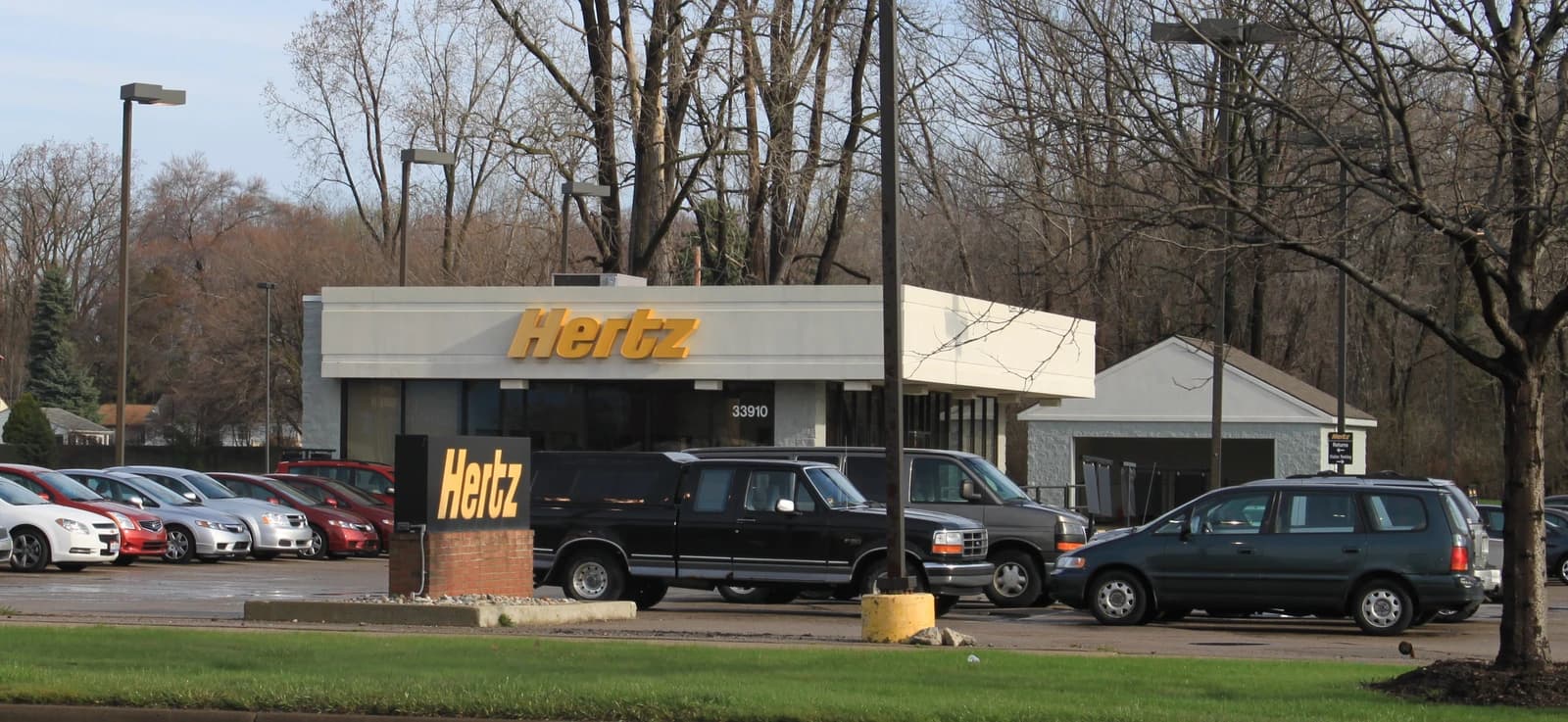
The move matters because it pushes Hertz further away from a pure rental model and deeper into retail auto sales, a segment that can monetize fleet vehicles more efficiently when wholesale prices soften or rental demand eases. For investors, it is a bid to improve margins, widen the buyer pool and reduce reliance on auction channels that typically deliver lower returns than direct-to-consumer sales.
Sentiment IndicatorsⓘProprietary · adalytica.com · September 28, 2026
This is a snapshot — live sentiment, awareness and momentum for 130+ markets update continuously in the dashboard.Open AlphaPulse
The company said HertzCarSales.com now offers a fully digital purchase flow, from trade-in valuation and credit pre-qualification to document upload, e-signature and delivery. The platform joins Hertz’s recent expansion with Amazon Autos, which began in four cities and is now available at all 45 Hertz Car Sales locations in the U.S.
Hertz says the online channel is part of a broader strategy to make retail the main sales route for its vehicle disposal business. That is a meaningful shift for a company whose fleet turnover has long been tied to the economics of rental utilization, residual values and used-car demand. By moving sales online, Hertz is trying to capture more of the consumer margin that typically sits between wholesale auctions and dealership retail pricing.
The inventory mix underscores the ambition. Hertz is marketing everything from high-end SUVs such as the Mercedes-Benz G-Class and Cadillac Escalade to lower-cost vehicles such as the Ford Ecosport, Mustang and Polestar 1. The company is leaning on the appeal of late-model, one-owner vehicles that have been maintained in-house and certified through a 115-point inspection, backed by a 12-month or 12,000-mile powertrain warranty and a seven-day buyback window.
That positioning is designed to compete not only with used-car dealers but also with digital auto marketplaces such as Cars.com and other consumer-facing platforms. In a market where affordability remains a key constraint and average vehicle ownership costs are elevated, a large, transparent supply of certified used vehicles can attract buyers looking for lower monthly payments than new cars offer.
The backdrop is supportive for online used-car retail. U.S. unemployment remains relatively low, at 4.1% in August, but households are still sensitive to financing costs and total ownership expenses. That tends to favor used vehicles over new ones, especially when sellers can offer financing, trade-in support and home-based checkout in one transaction. The broader auto market is also fragmenting, with luxury and electric offerings facing uneven demand while value-oriented channels remain relatively resilient.
Hertz’s shares have been volatile this year, but the stock has also shown how closely investors are watching execution around fleet strategy and asset monetization. Recent price action suggests the market is receptive to any plan that can improve vehicle resale economics, even as the company remains exposed to residual-value risk, funding costs and swings in travel demand.
The bull case is that Hertz can turn a historically cyclical, operationally complex fleet disposal process into a recurring retail channel with better pricing power and more control over customer data. The bear case is that online sales may improve convenience without materially changing the economics if inventory turns slow, financing remains expensive or the company struggles to scale the channel profitably.
For investors, the key question is whether Hertz can make retail sales a durable profit center rather than a marketing upgrade. If the company succeeds, it could lift realized vehicle values and improve cash generation across the cycle. If not, the shift may prove more cosmetic than transformative.
| Entity | Gains | Losses |
|---|---|---|
| Hertz | ▲Higher resale margins | ▼Auction dependence |
| Used-car buyers | ▲More choice and convenience | ▼Fewer negotiating gaps |
| Auto dealers/auction channels | ▲Less inventory flow | ▼Lost retail spread |
| Cars.com and similar marketplaces | ▲More industry traffic | ▼Greater competition from direct sellers |