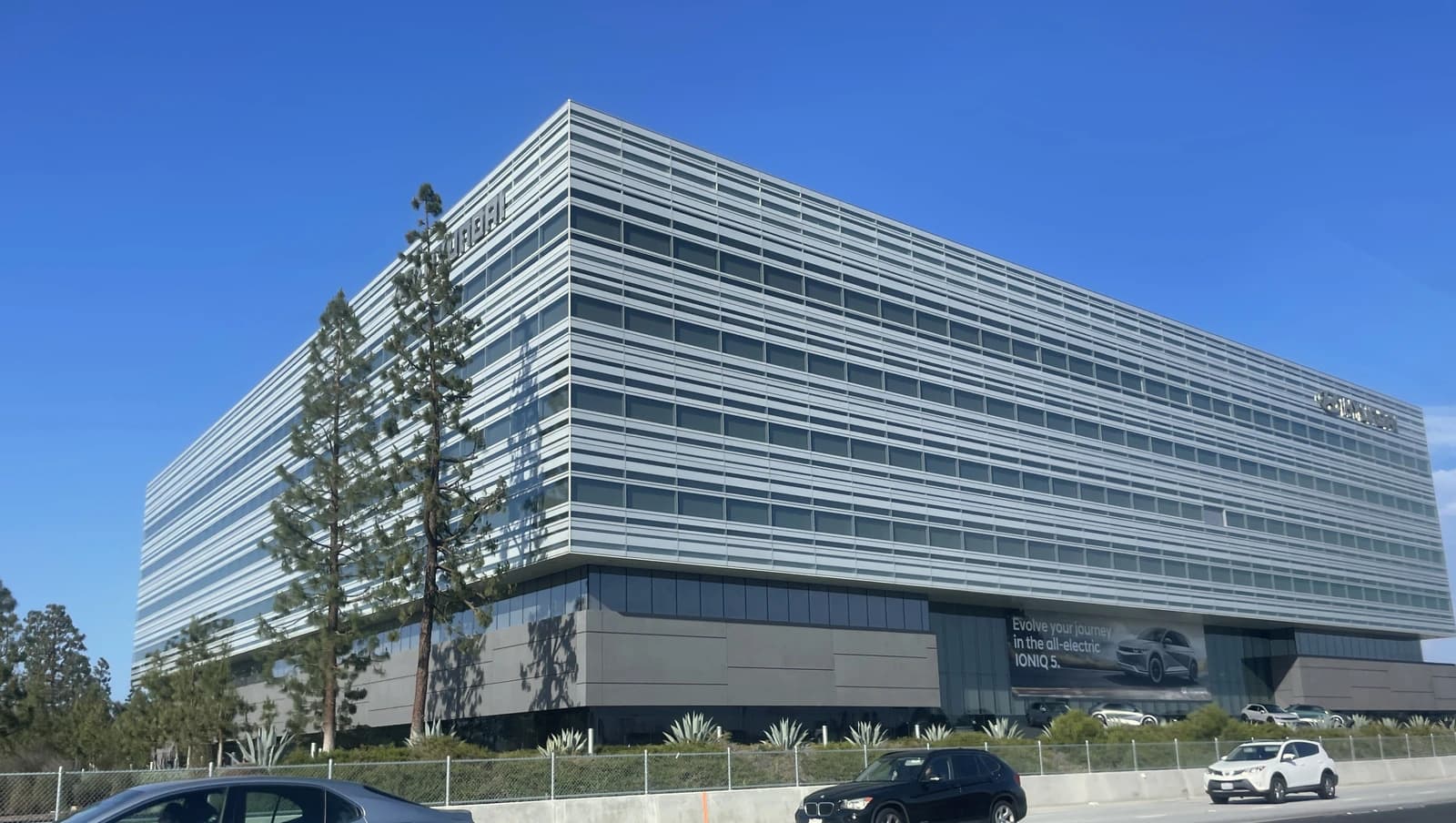
The biggest economic story here is not just another factory breaking ground — it is the beginning of a full U.S.-based supply chain for Hyundai Motor Group, from molten iron to finished cars, in a direct response to Washington’s tariff pressure and a changing global auto map.
Hyundai Motor Group Starts U.S. Steel Plant

For investors, that matters because it lowers the risk that one of the world’s most important automakers gets caught in the crossfire of trade policy again. If steel, stampings and vehicle assembly are all increasingly done in the United States, Hyundai and Kia can better control costs, protect margins and reduce exposure to import duties that have become a permanent feature of global manufacturing strategy. For the U.S., it is a vote of confidence in domestic industry and another sign that major manufacturers now see local production as the price of access to the American market.
Sentiment IndicatorsⓘProprietary · adalytica.com · September 6, 2026
This is a snapshot — live sentiment, awareness and momentum for 130+ markets update continuously in the dashboard.Open AlphaPulse
The project is enormous by industrial standards. Hyundai Steel and POSCO have started construction in Louisiana on a plant for automotive steel sheet, on a site of 7.3 million square meters, roughly 2.5 times the size of Yeouido. The companies plan to spend about 8 trillion won, or roughly $5.5 billion, and the facility is expected to produce 2.7 million tons of steel a year once it starts full operations in three years. That is more than South Korea currently ships to the U.S. in steel exports.
That scale makes this more than a simple manufacturing investment. It is industrial policy by another name. U.S. officials have been clear that companies wanting access to the American market should build in America, and Hyundai Motor Group appears to have taken that message seriously. The group says it plans to invest $26 billion in the U.S. by 2028, deepening a strategy that ties its supply chain directly to its biggest overseas market.
For long-term investors, the logic is compelling. Automakers with local supply chains are better positioned to navigate tariff risk, shipping disruptions and geopolitical shocks. That can be especially valuable in a sector where margins are often thin and capital spending is huge. Hyundai’s move also strengthens the strategic case for suppliers that can localize production in the U.S., while pressuring import-dependent rivals that remain more exposed to policy swings.
There are obvious risks. Projects of this size are expensive, take years to deliver returns and depend on stable demand. Steel remains cyclical, and the auto market can cool quickly if interest rates, consumer confidence or credit conditions weaken. Still, the direction of travel is clear: global carmakers are being pushed to produce closer to their customers, and the winners are likely to be the companies with the balance sheets, technology and scale to do it.
For investors, the takeaway is simple: this is one of those rare industrial moves that can reshape earnings power over many years, not just one quarter. It is worth watching not as a headline factory build, but as part of a durable shift toward localized, tariff-resistant manufacturing in the U.S.
| Entity | Gains | Losses |
|---|---|---|
| Hyundai Motor Group | ▲Lower tariff risk | ▼Higher upfront capex |
| POSCO / Hyundai Steel | ▲New U.S. growth avenue | ▼Longer payback period |
| U.S. auto makers | ▲More local supply | ▼Less reliance on imports |
| Import-dependent rivals | ▲— | ▼More policy exposure |