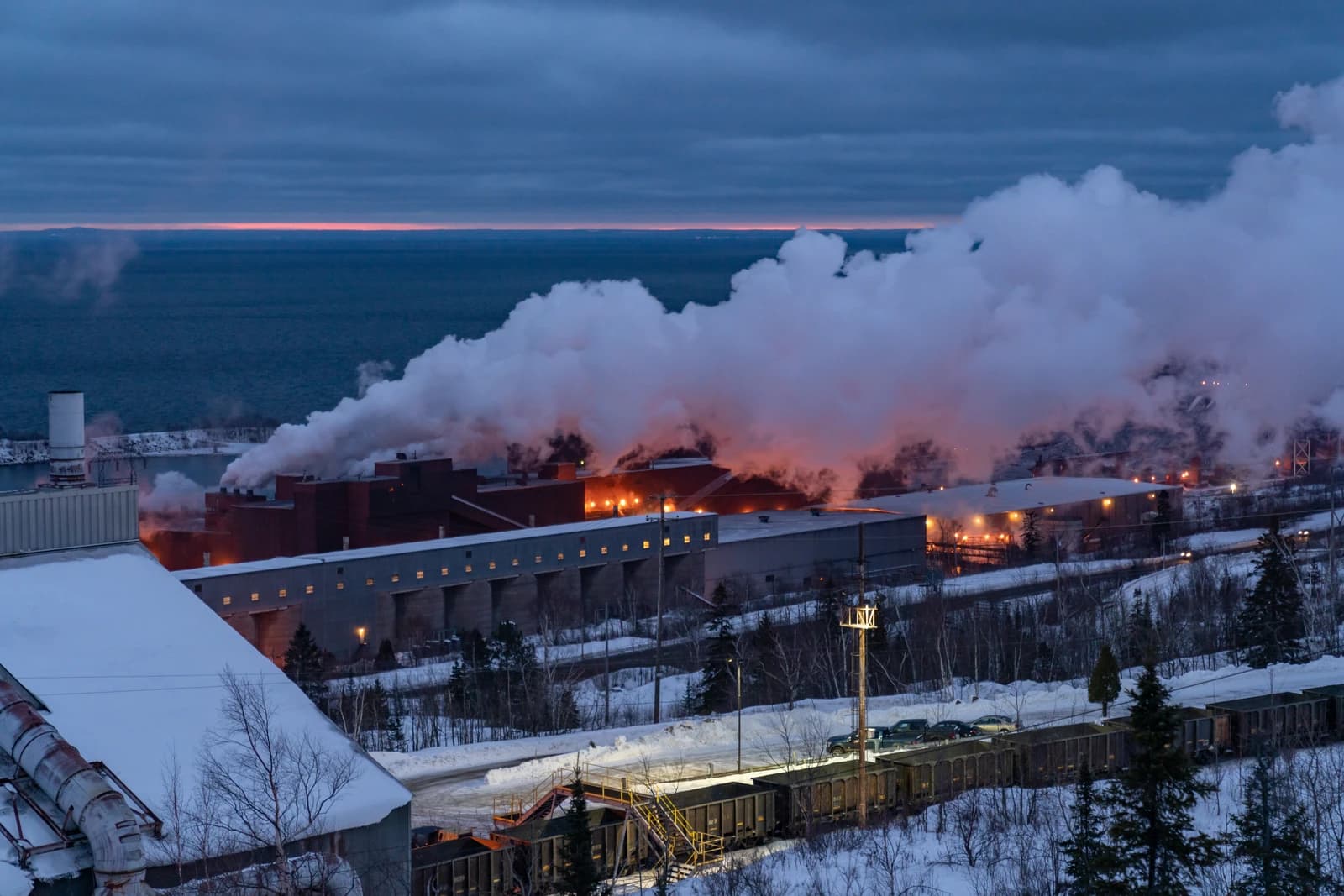
Ukraine’s iron exporters shipped no cargoes in August after commercial traffic at the ports of Greater Odesa stopped in late July, cutting off the main route for a product that has been a steady source of hard-currency income.
Ukraine Iron Exports Stop After Odesa Port Closure
The disruption matters because it hits one of the few remaining channels for Ukrainian exporters to bring in foreign exchange at a time when the war economy is already straining logistics, industrial output and public finances. GMK Center said the ports had been closed to commercial shipping since July 22, and that the prolonged downtime has already cost Ukraine about $4.1 billion in export revenue.
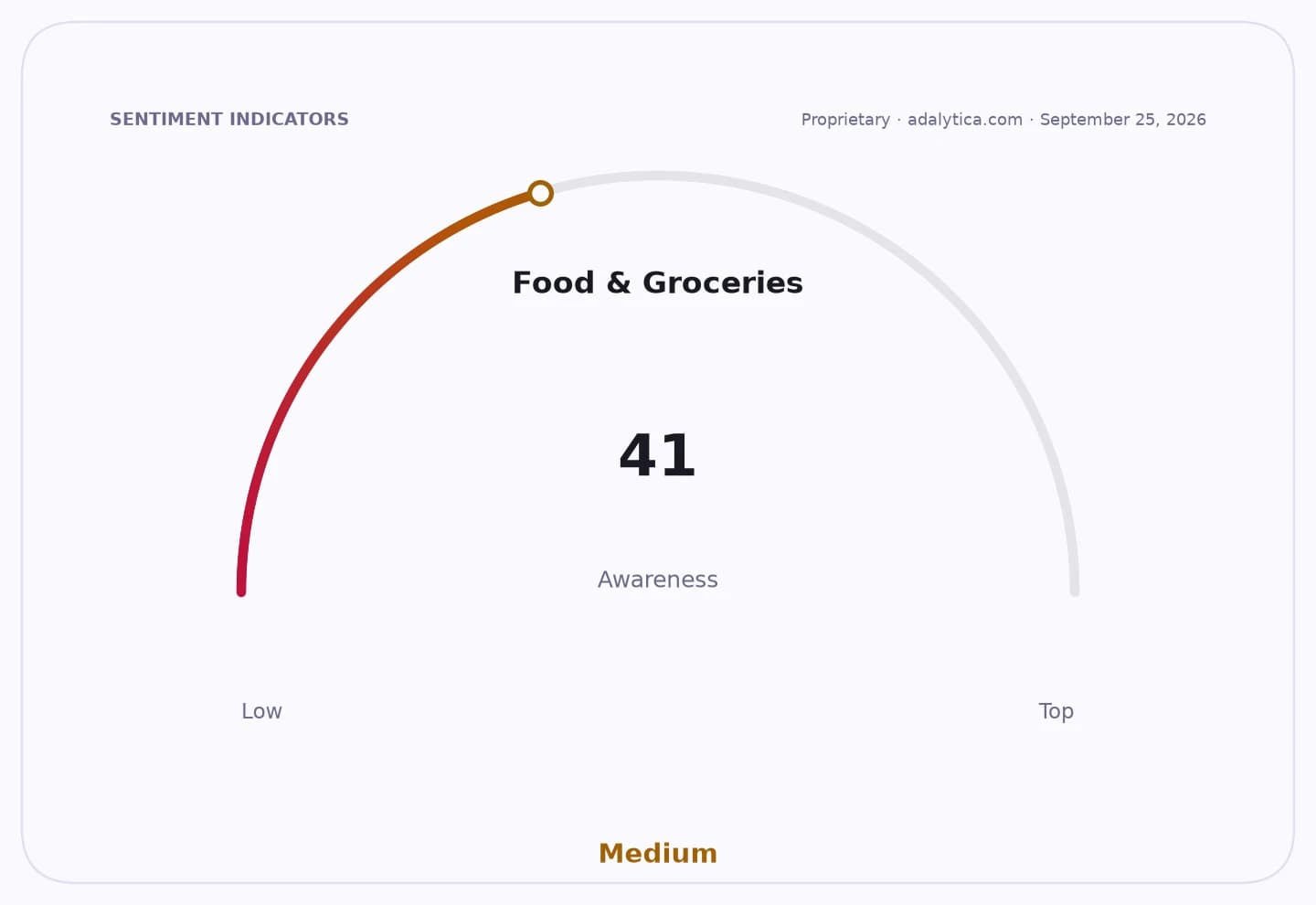
Sentiment IndicatorsⓘProprietary · adalytica.com · September 25, 2026
This is a snapshot — live sentiment, awareness and momentum for 130+ markets update continuously in the dashboard.Open AlphaPulse
For the metal sector, the loss is immediate. Iron exports fell 16.4% in the January-to-August period from a year earlier to 1.03 million tons, but the August stoppage was far more severe: shipments ceased entirely. That raises the risk that Ukrainian suppliers lose market share abroad if customers switch to alternative sources and trading relationships shift permanently.
The economic damage goes beyond the steel industry. Iron ore and pig iron exports are important earners of foreign currency for a country under wartime pressure to finance imports, stabilize the currency and support state spending. When ports sit idle, the blow lands not just on miners and steelmakers but on rail operators, logistics firms, port workers and the broader budget through weaker tax and customs receipts.
The market implication is that supply insecurity from the Black Sea can tighten seaborne trade flows even if the effect on global prices is limited for now. Importers looking for reliability may favor Brazil, Australia and other established suppliers, while Ukrainian producers face the slower, more expensive task of rebuilding commercial routes once the ports reopen.
For investors, the story is a reminder that geopolitical risk still drives physical commodity markets more than balance sheets or technicals. Producers with direct or indirect exposure to seaborne iron supply could benefit if Ukrainian volumes remain off the market, while shipping, freight and infrastructure bottlenecks remain a risk for steel and raw-material supply chains across Europe and beyond.
The key question now is whether the outage proves temporary or becomes another lasting shift in the Black Sea trade map. If commercial access to Greater Odesa remains shut, Ukraine’s exporters may struggle to regain lost buyers even after operations restart.
| Entity | Gains | Losses |
|---|---|---|
| Brazilian ore exporters | ▲Gain market share | ▼Face less Ukrainian competition |
| Australian ore exporters | ▲Benefit from steadier demand | ▼Lose some pricing leverage |
| Ukrainian steel and mining firms | ▲Preserve assets for restart | ▼Lose exports and cash flow |
| Importers of pig iron | ▲Seek alternate supply | ▼Pay higher logistics risk |