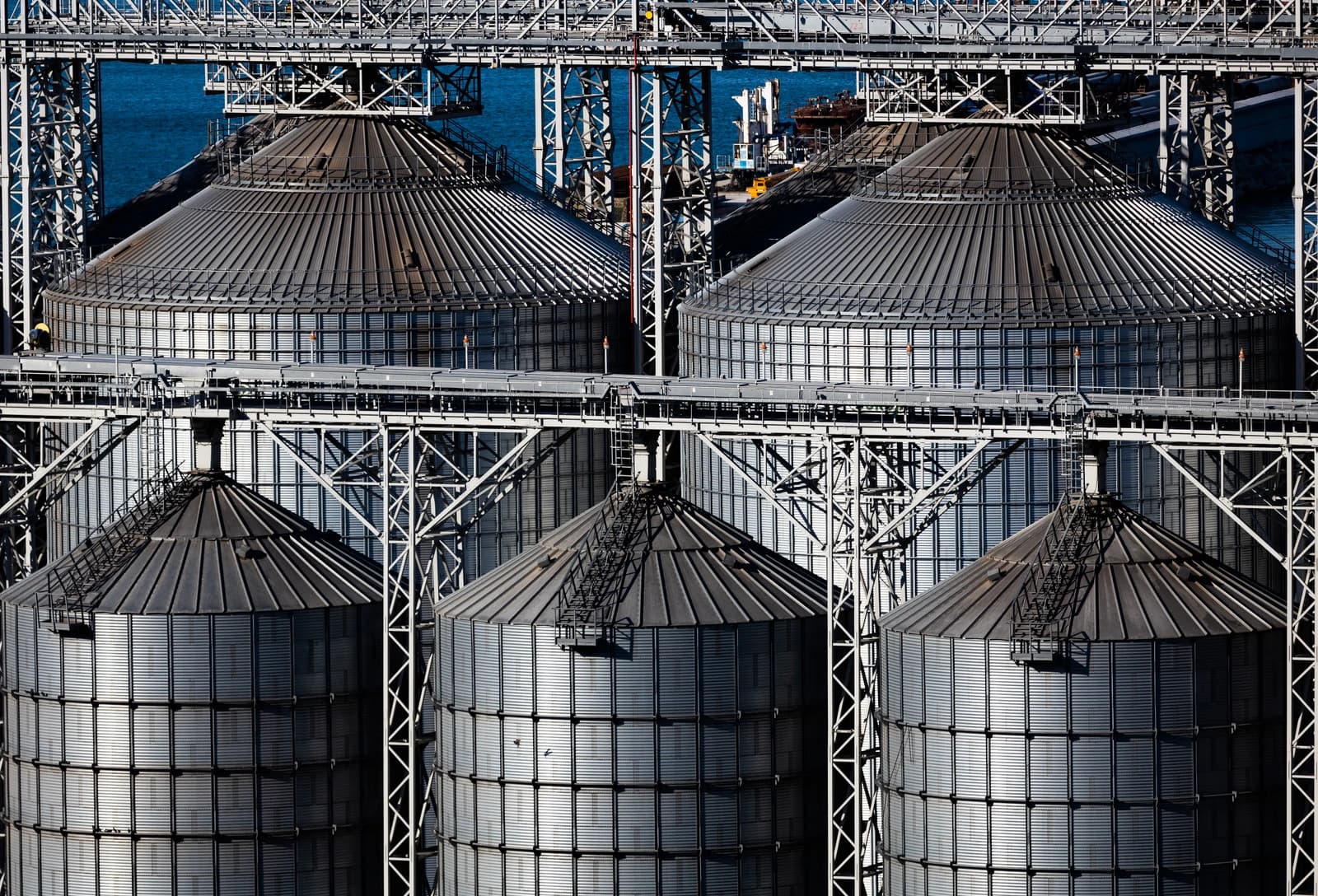
Black Sea wheat supplies are tightening again as Russia and Ukraine intensify attacks on each other’s ports and shipping lanes, pushing global wheat prices to a three-year high and forcing importers to pay up for replacement cargoes.
Wheat prices rise as Black Sea exports tighten
The disruption matters because the Black Sea has become as critical to grain trade as the Strait of Hormuz is to oil. Russia and Ukraine together account for more than a quarter of global wheat exports, while the war has already shut down nearly all wheat shipments through Black Sea ports since July.
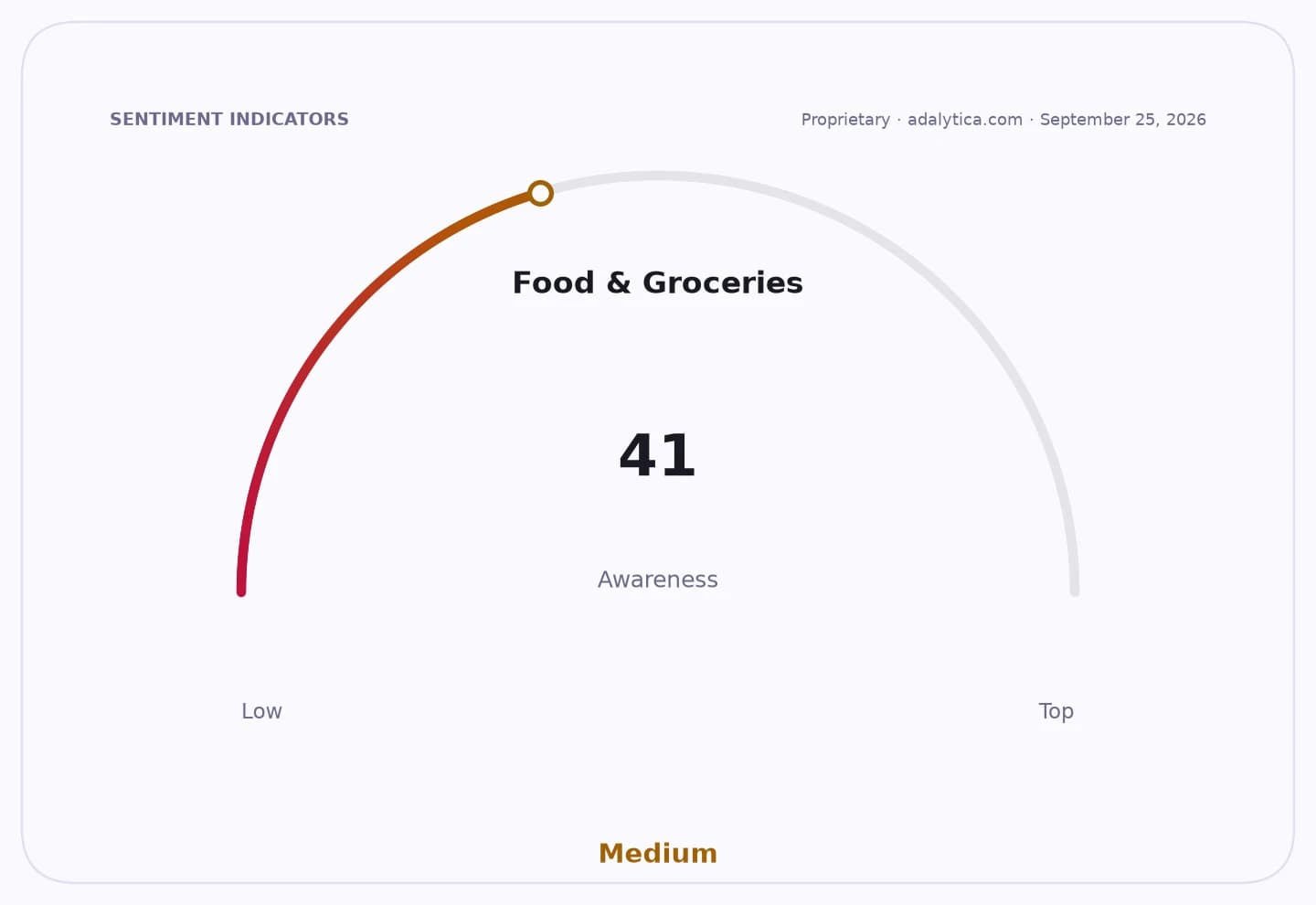
Sentiment IndicatorsⓘProprietary · adalytica.com · September 25, 2026
This is a snapshot — live sentiment, awareness and momentum for 130+ markets update continuously in the dashboard.Open AlphaPulse
That supply shock is feeding directly into inflation risks. Diesel prices in Russia have surged to record levels after strikes hit energy infrastructure, raising fuel costs for farm machinery and transporting grain just as the market loses a major export corridor. Higher freight and replacement-sourcing costs are spreading through the food chain, with importers in Asia, the Middle East and other price-sensitive markets scrambling for U.S. supplies.
Vietnamese miller Golden Wheat says it secured four Black Sea cargoes this year, enough to cover about a fifth of its annual milling needs, but has still been forced to buy more expensive wheat from the United States. The company’s experience shows how quickly the war is raising input costs for food processors and, ultimately, consumers.
The squeeze is also showing up in agricultural markets. The Teucrium Wheat Fund, which tracks wheat prices, has climbed above its 50-day and 200-day moving averages, while corn and the broader agriculture basket have also been supported by supply worries. Adalytica’s food and grocery spending sentiment has jumped to 78, suggesting investors are bracing for stronger pricing power across the sector, even as CPI sentiment has fallen to 18.
Russia and Ukraine are also major exporters of sunflower oil and corn, widening the impact beyond wheat. Any new restrictions on Russian grain transiting the Baltics would add another bottleneck, while a possible peace deal would not quickly restore normal flows because damaged port and logistics infrastructure would take months, if not years, to repair.
For investors, the story keeps agriculture, shipping and food manufacturers in focus. Grain merchants and farmland-linked funds can benefit from tighter prices, while import-dependent food companies and consumers face rising costs if the Black Sea corridor stays closed.
| Entity | Gains | Losses |
|---|---|---|
| Wheat traders/funds | ▲Higher prices | ▼Consumers/importers |
| U.S. exporters | ▲More replacement demand | ▼Black Sea suppliers |
| Food importers | ▲Limited gains from hedging | ▼Higher procurement costs |
| Russia & Ukraine logistics | ▲None | ▼Port revenue, export volumes |