Russian wheat export prices have slipped this week even as the outlook for September loadings improves, a sign that near-term supply is easing back into the market after a period of disruption in the Black Sea grain trade.
Russian wheat export prices slip as September loadings improve

The move matters because Russia remains the world’s dominant wheat exporter, and any rebound in shipments from the region tends to feed quickly into global benchmark prices. For importers in the Middle East, North Africa and Asia, a steadier flow from Russian ports can ease food-inflation pressure. For farmers and grain traders, it increases the odds that the recent supply squeeze will not become a lasting shortage.
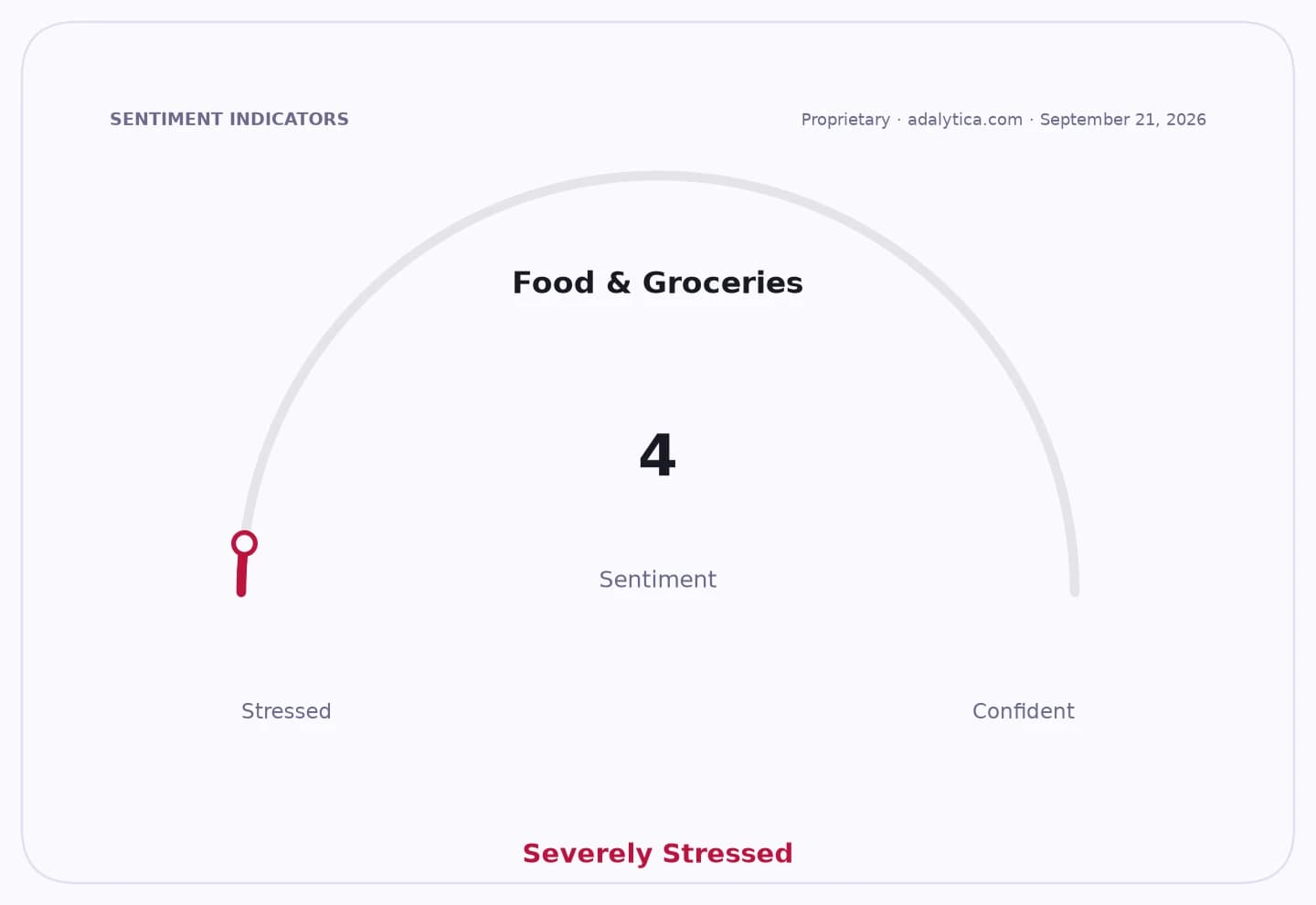
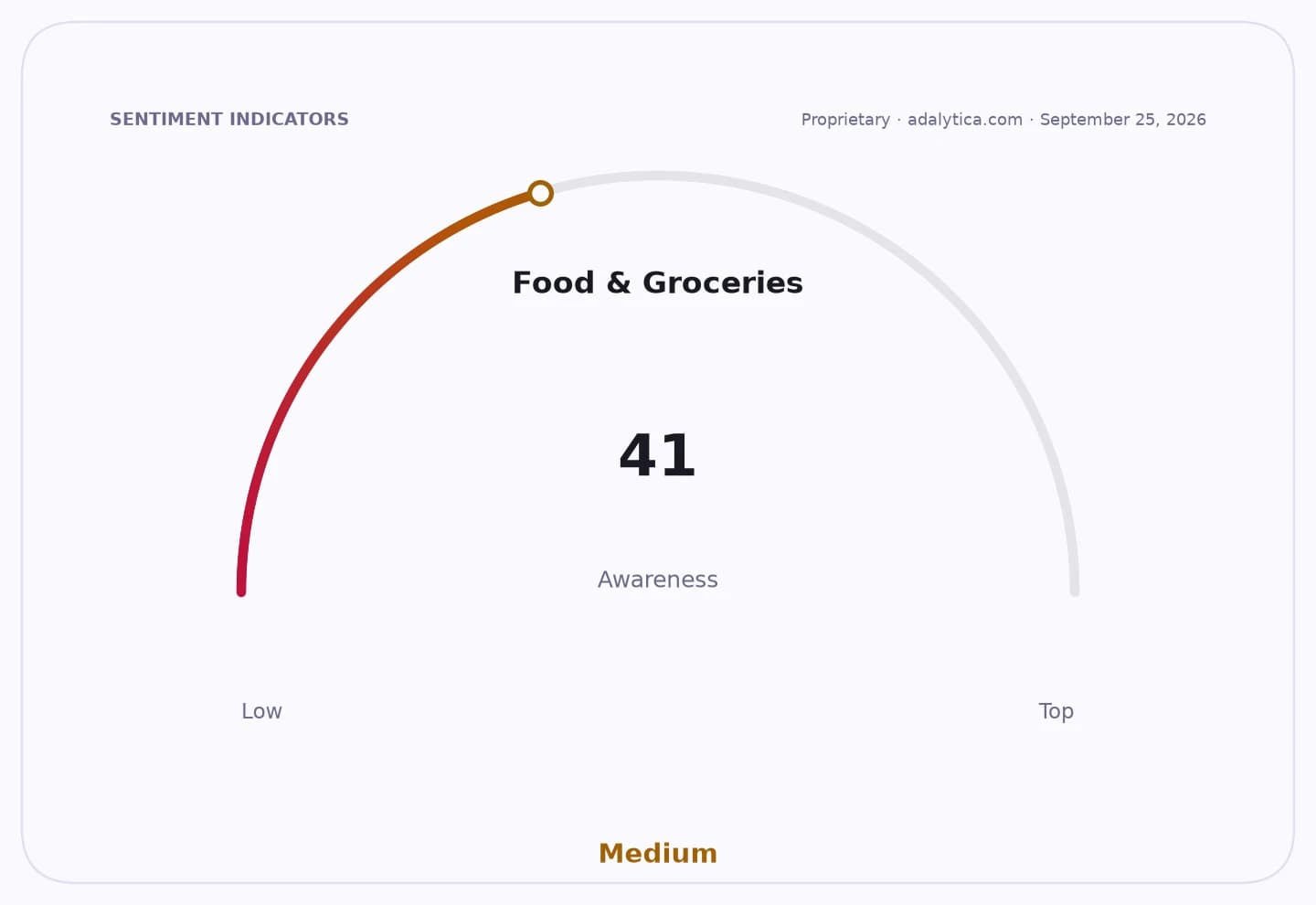
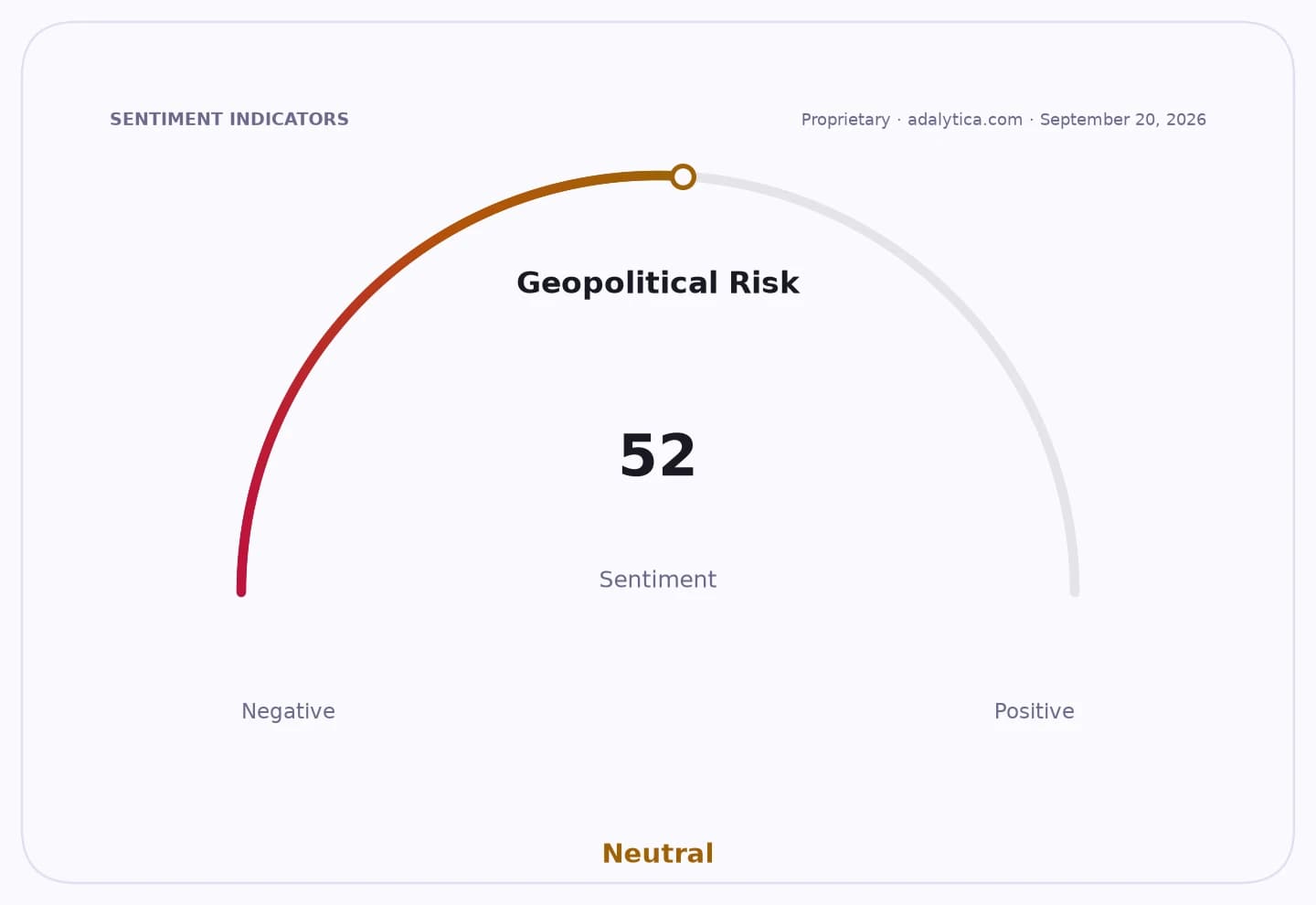
Sentiment IndicatorsⓘProprietary · adalytica.com · September 25, 2026
This is a snapshot — live sentiment, awareness and momentum for 130+ markets update continuously in the dashboard.Open AlphaPulse

The price retreat comes against a backdrop of volatile agricultural markets shaped by Black Sea geopolitics, freight constraints and a broader reset in commodity pricing. Wheat futures have been especially sensitive to headlines on export routes and harvest flows, with traders watching whether Russia can sustain higher shipment volumes after a period of sharp export weakness. The improvement in September export prospects suggests that at least some of the logistical bottlenecks weighing on the trade are starting to clear.
That has knock-on effects beyond the grain market. Softer export prices can narrow margins for Russian sellers, but they also support global buyers and food processors that have been dealing with elevated input costs. In the US, wheat-related sentiment has been mixed: exchange-traded wheat exposure has been firming from earlier lows, while traditional grain-linked names have traded in line with shifting expectations for global supply. The latest move also comes as the dollar remains strong, which can amplify the pricing pressure on dollar-denominated commodities and influence import demand.
The bear case is that the improvement in September shipments proves temporary, with weather, logistics or policy risks quickly reversing the trend. The bull case for buyers is that stronger Black Sea flows continue to rebuild supply, keeping a lid on prices into the autumn. Investors should watch whether the export recovery broadens beyond wheat and whether freight rates and regional geopolitics allow Russia to maintain volume gains.
| Entity | Gains | Losses |
|---|---|---|
| Global wheat importers | ▲Lower procurement costs | ▼Less urgency for supply hedging |
| Russian exporters | ▲Higher shipment volumes | ▼Lower export prices |
| Grain buyers and millers | ▲Improved supply availability | ▼Less leverage from tight markets |
| Wheat bulls | ▲Volatility-driven trading opportunities | ▼Short squeeze fades if shipments rise |