Russian strikes on Ukraine and retaliatory drone attacks on Russian infrastructure are widening the war’s economic footprint, with fresh pressure now falling on logistics, energy and cross-border security in Europe’s east.
Russia Ukraine Strikes Hit Logistics and Energy
The most important development is not just the intensity of the overnight attacks, but how far the conflict is spilling into the commercial arteries that keep both economies moving. Ukraine said Russian forces hit Dnipro multiple times, while Moscow said it struck Ukrainian military and port infrastructure as well as data centers. At the same time, a drone attack hit Ozon’s logistics and delivery center in Saratov, underscoring how e-commerce, transport and warehousing are increasingly exposed to wartime disruption.
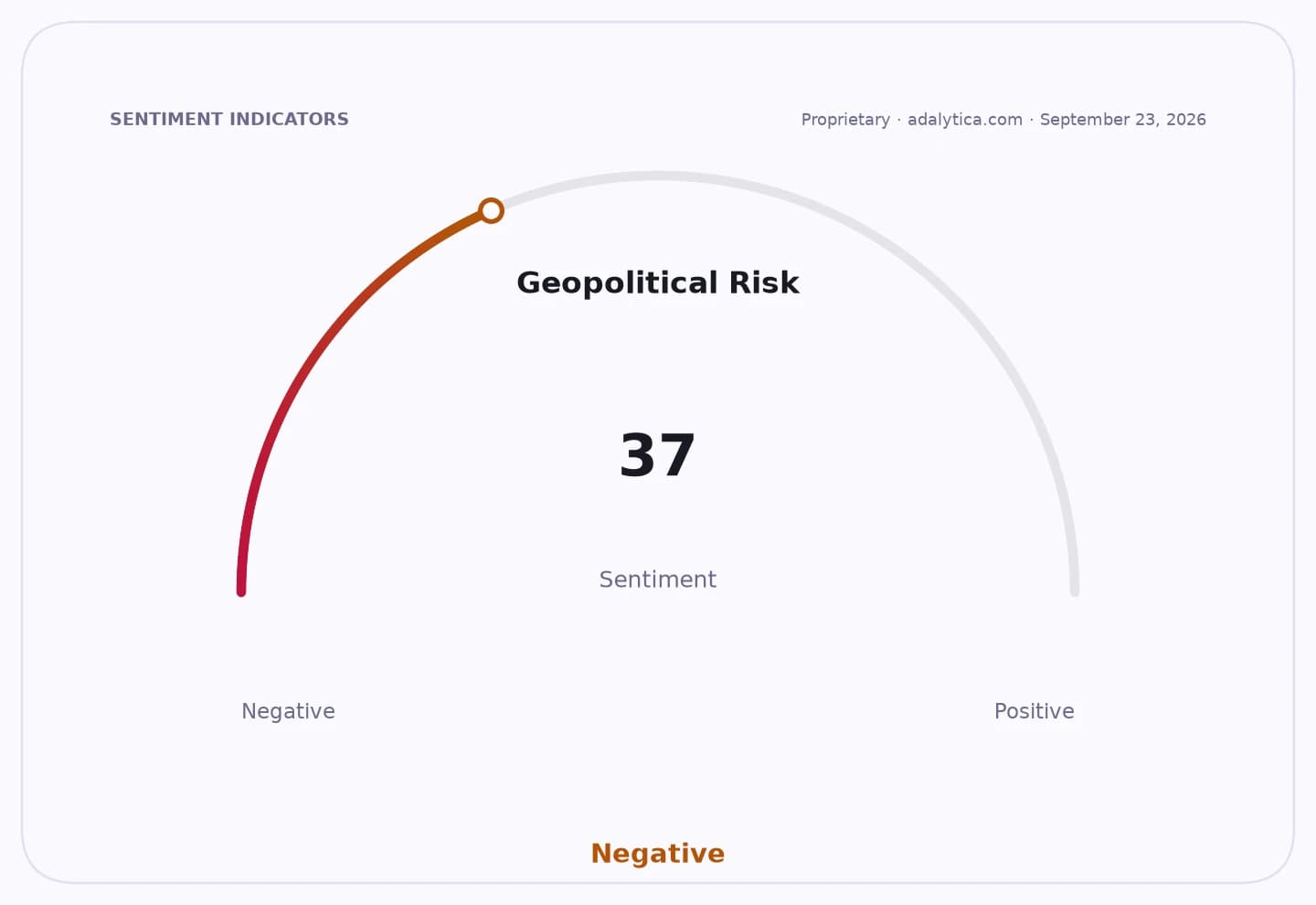
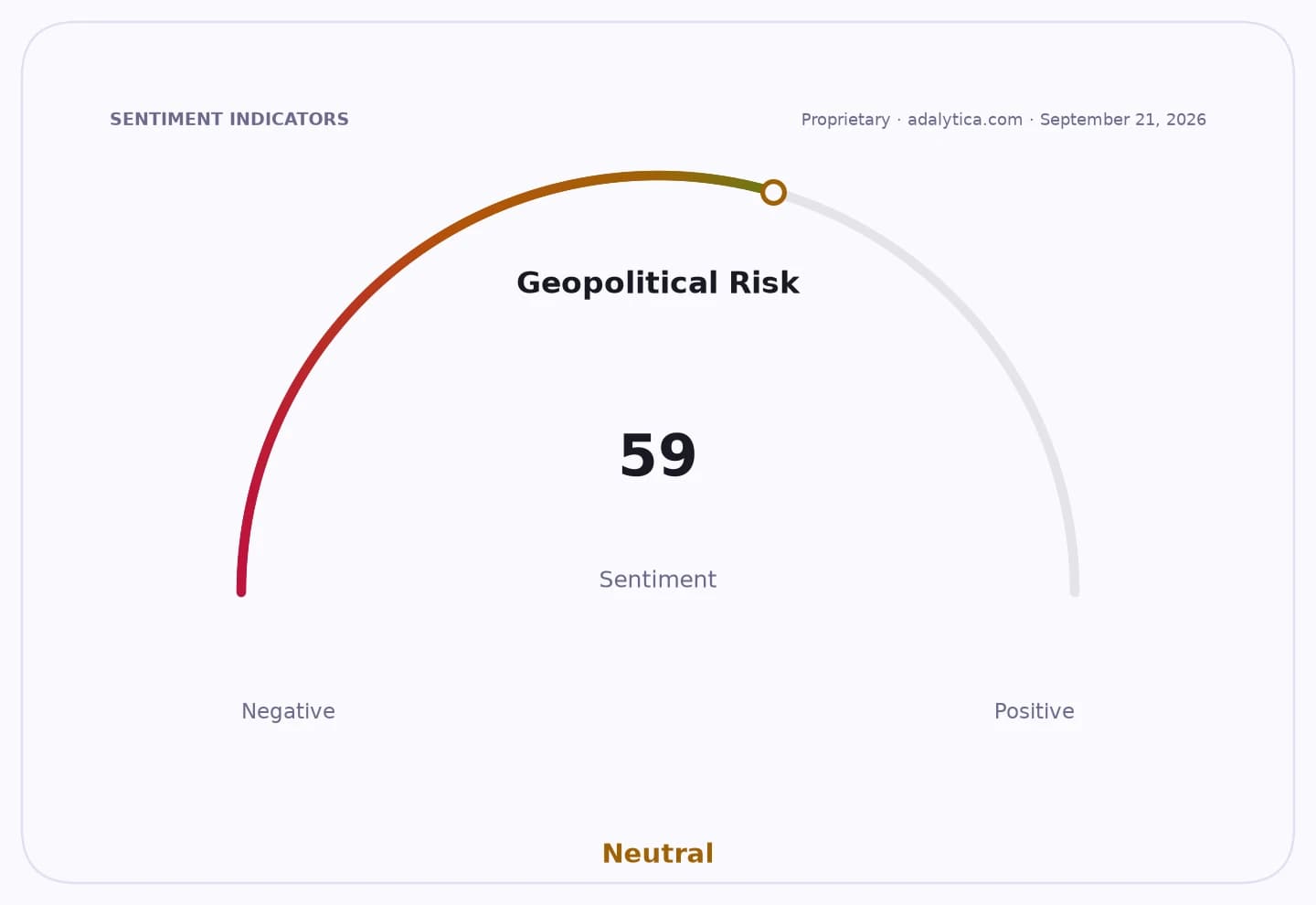
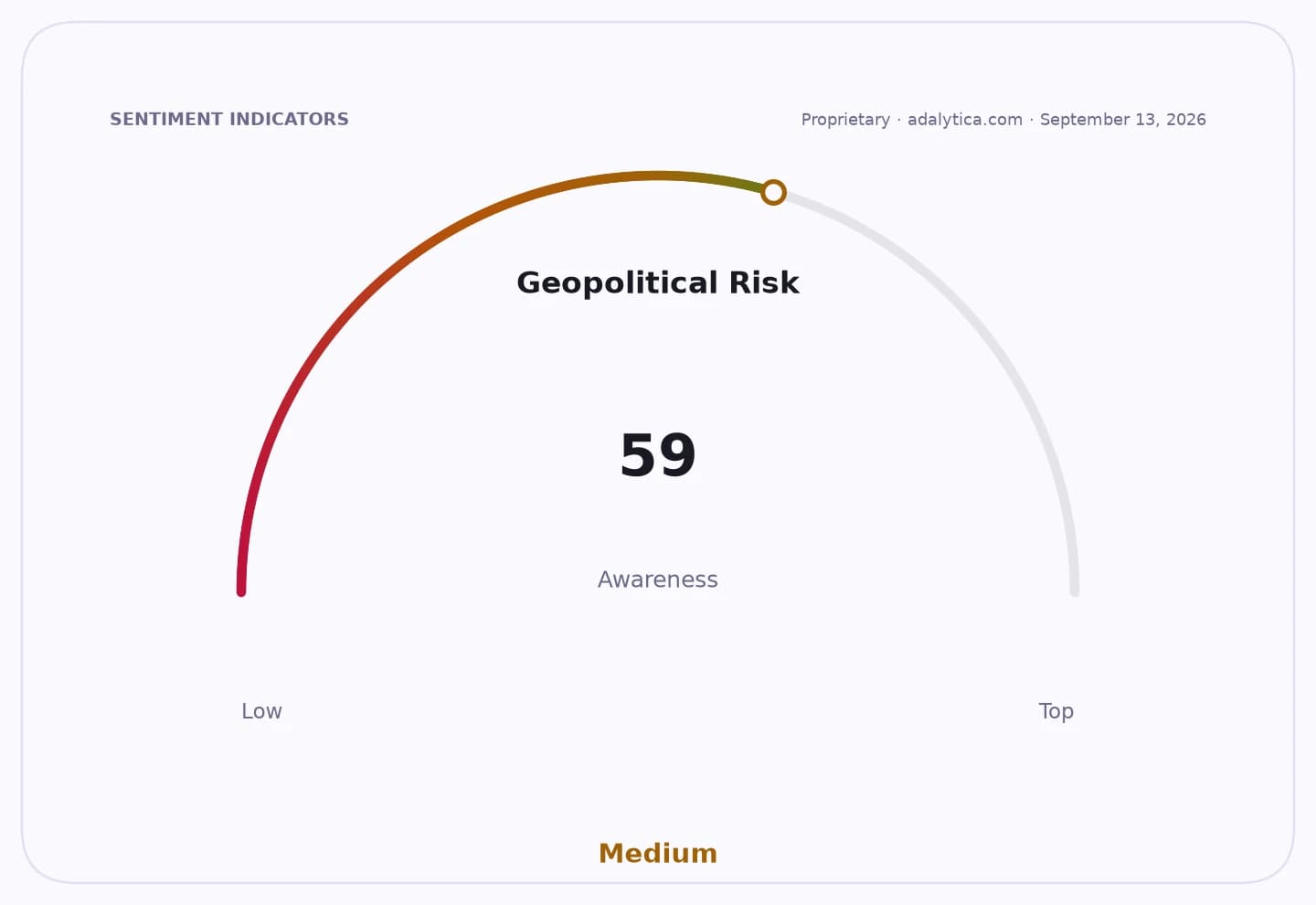
Sentiment IndicatorsⓘProprietary · adalytica.com · September 13, 2026
This is a snapshot — live sentiment, awareness and momentum for 130+ markets update continuously in the dashboard.Open AlphaPulse
That matters because logistics is where war quickly becomes inflationary. Every warehouse fire, damaged port facility or data center outage raises the cost of moving goods, rerouting supplies and insuring assets. For Ukraine, the threat to port and energy infrastructure complicates exports of grain and other goods just as Kyiv is hoping for progress in talks on energy and grain shipments later this month. For Russia, the damage to domestic logistics and industrial sites shows that the home front is no longer insulated from the war, even deep inside the country.
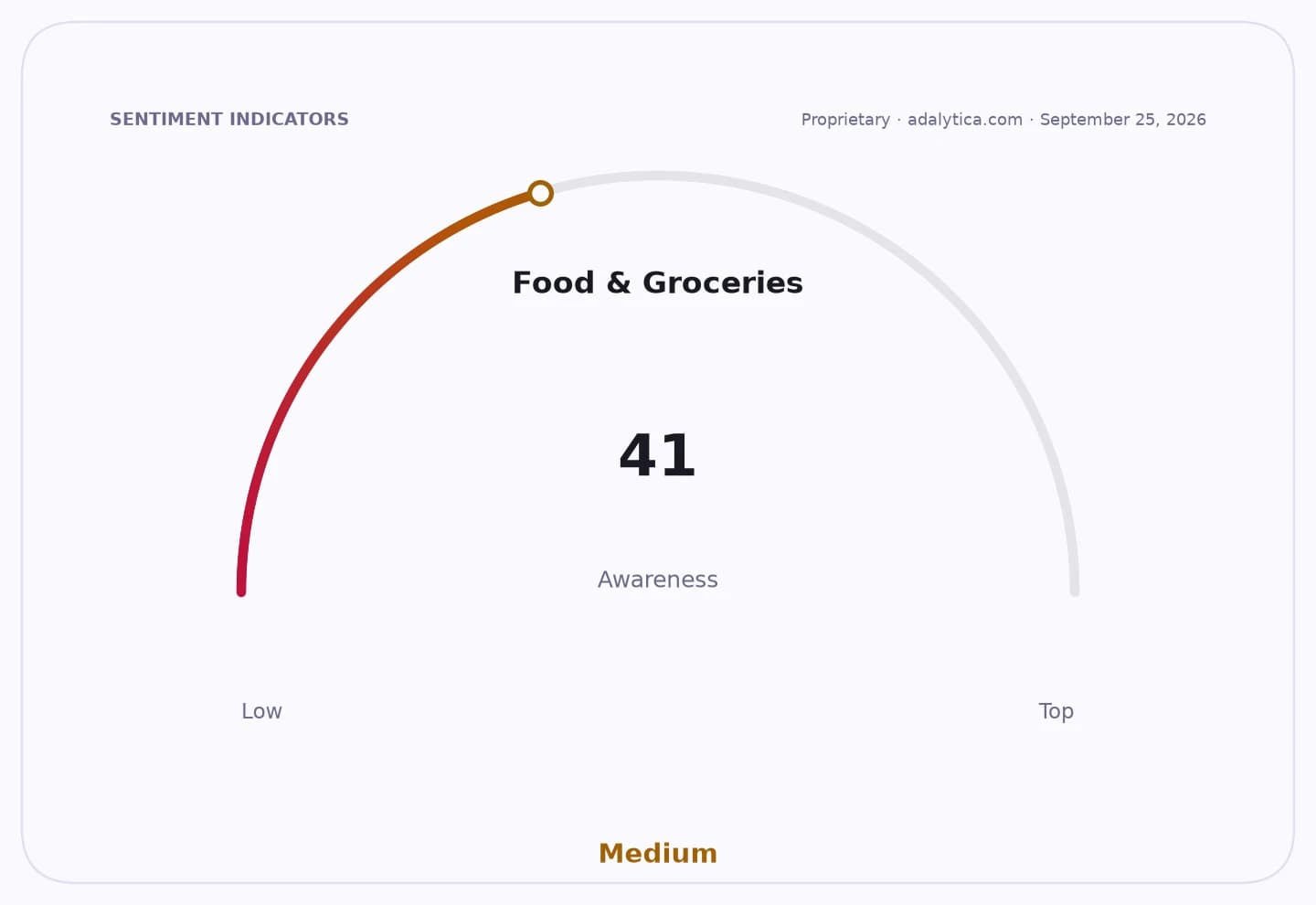
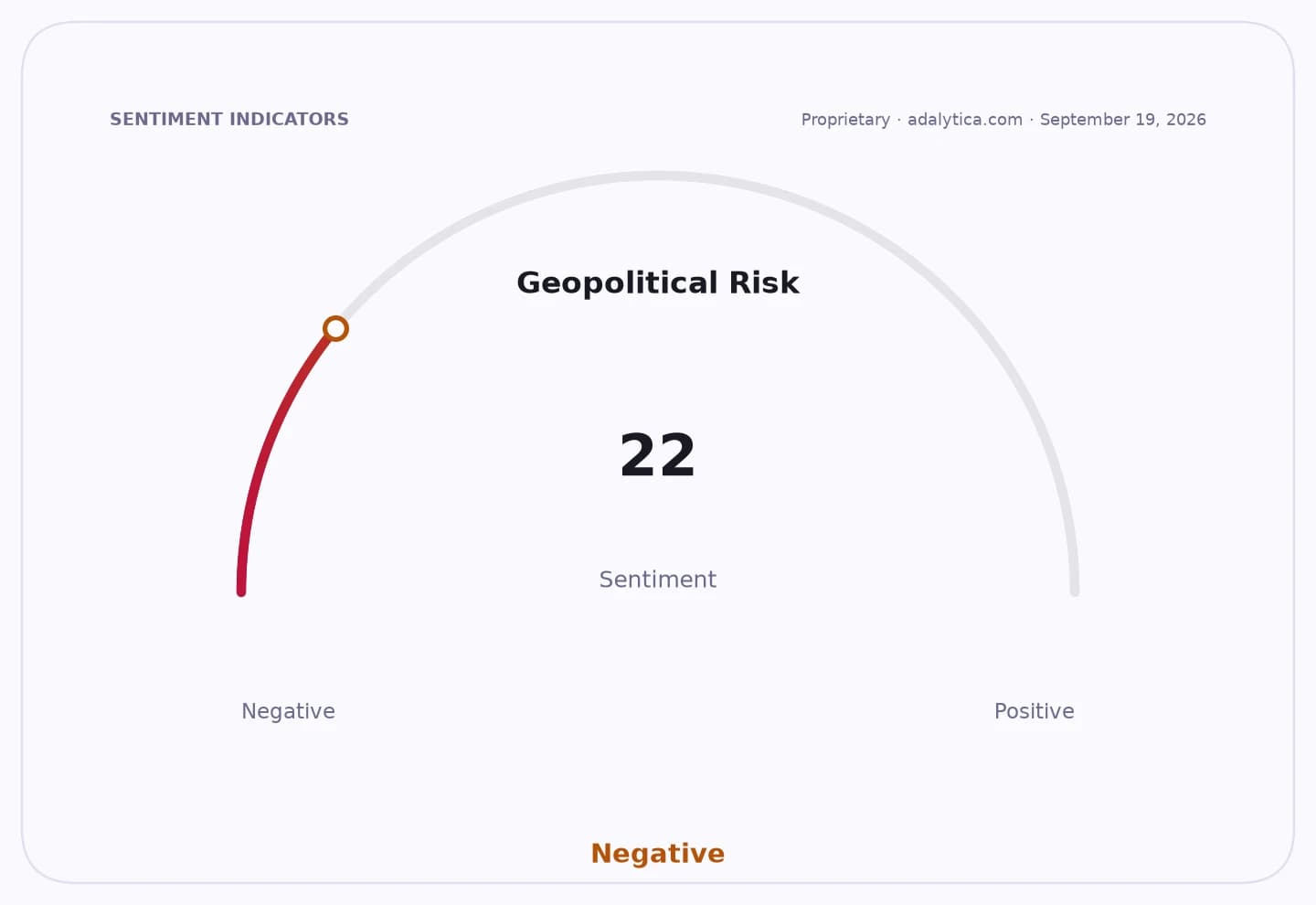
Investors should read this as another sign that geopolitical risk is not receding — it is broadening. The Adalytica Global Stability Sentiment index sits in fear territory, while the Gold Fear & Greed Index is flashing extreme fear on the awareness gauge, a reminder that markets still treat this conflict as a tail risk for commodities, supply chains and defense budgets. That backdrop favors defense contractors, cybersecurity, drone warfare specialists, industrial security providers and energy assets that benefit from renewed infrastructure hardening.
Geopolitical Risk — 30-day sentimentadalytica.com
Explore this data interactively — full history, time series and cross-market comparisons.Open AlphaPulse
The message is also relevant for Europe. A Russian lawmaker’s call to shoot down drones over the Baltic states highlights the risk of miscalculation beyond Ukraine’s borders, where any border incident could force NATO to spend more on air defenses, surveillance and electronic warfare. That is a structural bullish case for defense spending across the alliance, particularly in the Baltic region and Poland, where governments have already been moving to strengthen air and missile defense.
Oil and agricultural markets remain secondary beneficiaries and vulnerabilities at the same time. When attacks spread to ports, rail and storage, the market has to price in tighter logistics, higher freight costs and more volatility in grain flows. The broader setup keeps pressure on importers and consumer economies while supporting exporters of energy, fertilizers, military hardware and secure communications.
The investable takeaway is straightforward: the war’s next phase is about infrastructure attrition, not just battlefield movement. That favors defense, cybersecurity, energy infrastructure and logistics-security names over cyclical industrials with fragile supply chains. If the attack pattern persists, the market will have to pay up for the companies that keep commerce moving when the map turns red.
| Entity | Gains | Losses |
|---|---|---|
| Defense contractors | ▲higher NATO spending | ▼peace-dividend trades |
| Cybersecurity firms | ▲demand for hardened networks | ▼exposed data-center operators |
| Energy infrastructure | ▲security and replacement capex | ▼vulnerable pipelines and terminals |
| Logistics and e-commerce operators | ▲little | ▼warehouses, hubs, delivery networks |