Egypt’s push to source more wheat from France, Romania and Bulgaria marks a meaningful shift in one of the world’s most important grain trade routes, and it matters because the biggest wheat buyer in the Middle East is no longer relying as heavily on a narrow Black Sea supply base.
Egypt Wheat Imports Shift to France, Romania, Bulgaria
That diversification is economically significant in a year when governments are still trying to shield bread markets from volatility. Egypt imports massive volumes of wheat to feed a large, subsidized consumer base, so even small changes in origin matter for freight, pricing and food inflation. The move also underscores how geopolitical risk around the Black Sea is changing trade patterns across the region, with buyers looking for more dependable suppliers after repeated supply shocks and policy uncertainty.
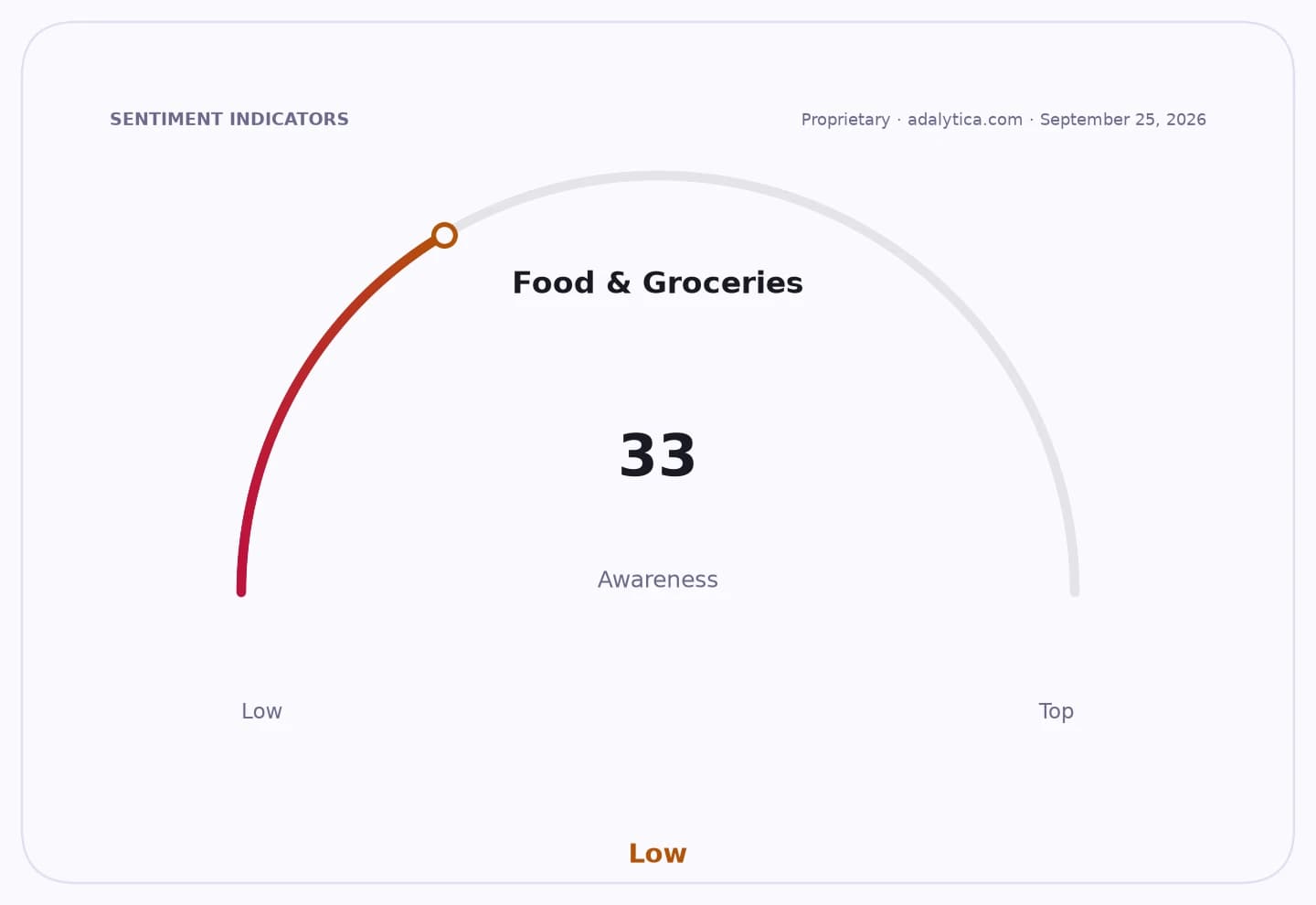
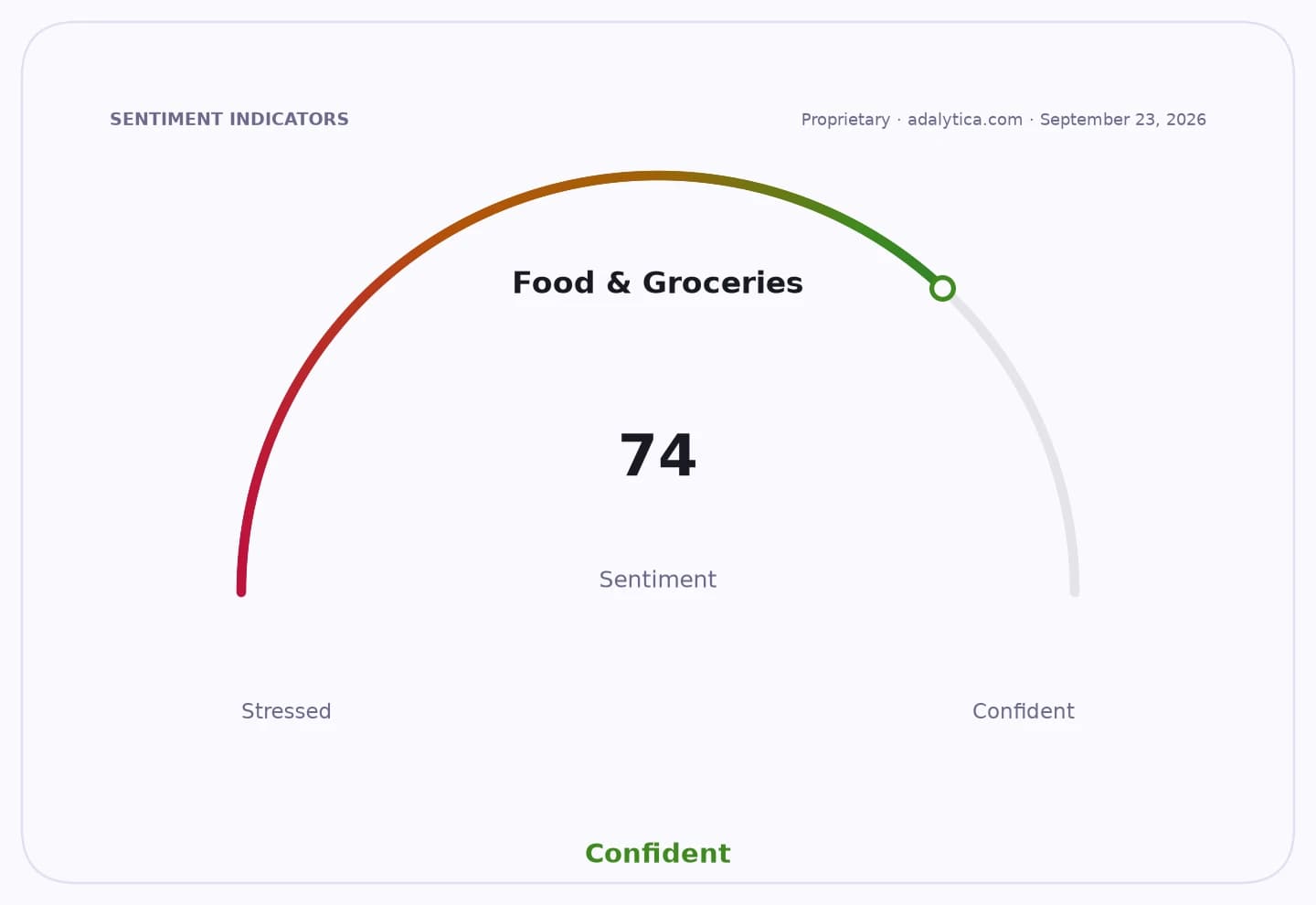
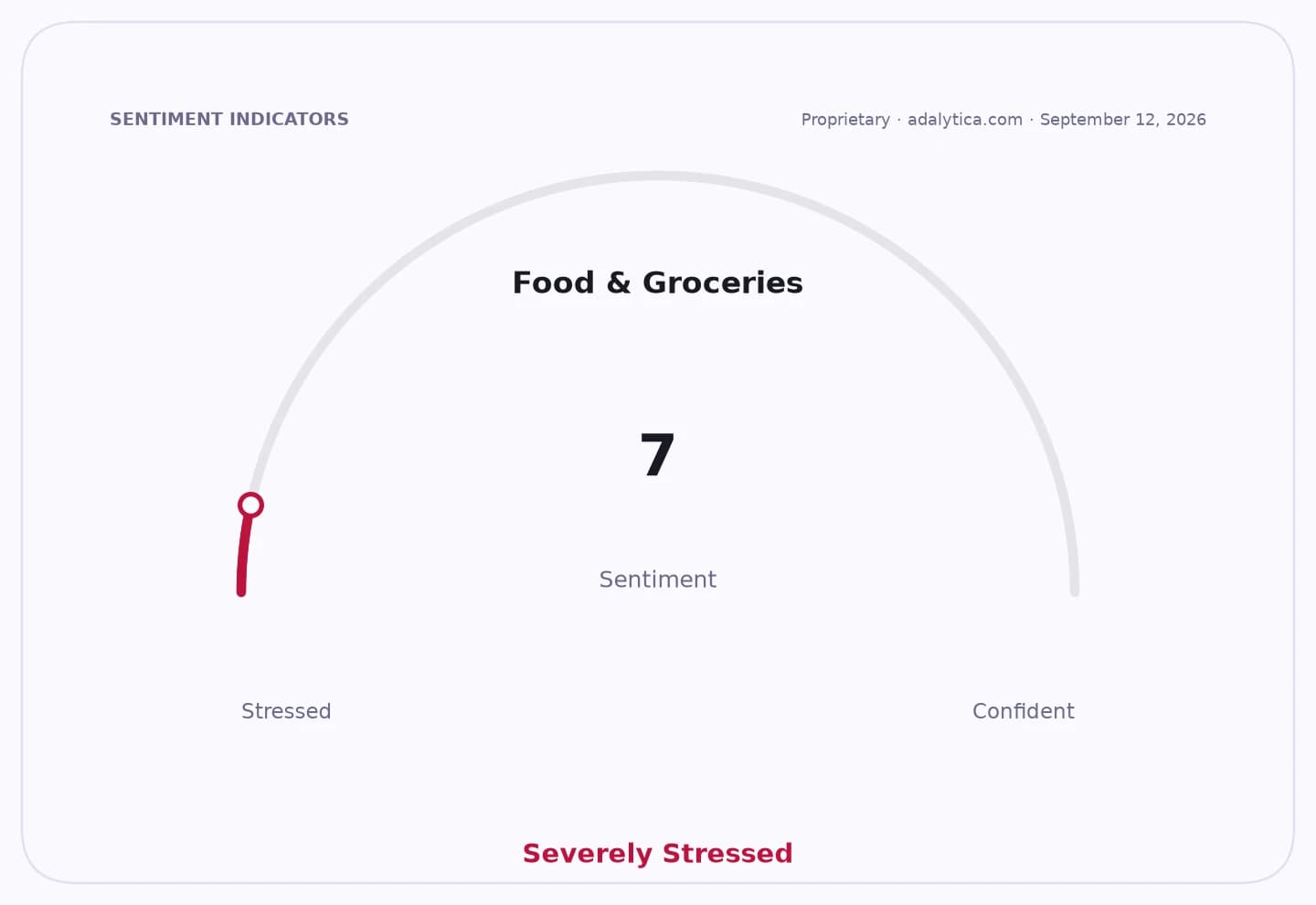
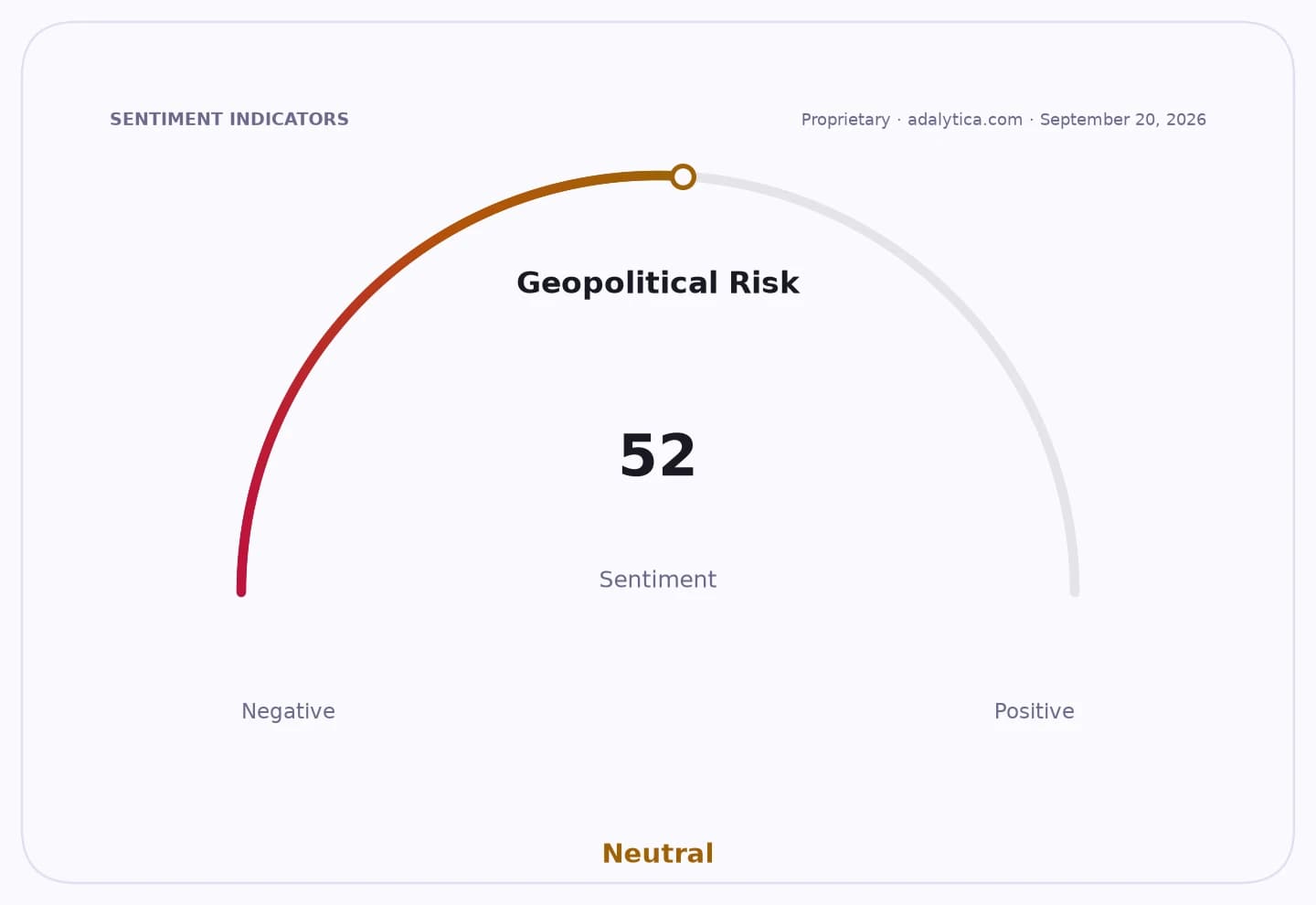
Sentiment IndicatorsⓘProprietary · adalytica.com · September 25, 2026
This is a snapshot — live sentiment, awareness and momentum for 130+ markets update continuously in the dashboard.Open AlphaPulse
For investors, the message is that wheat is becoming a logistics and risk-management trade, not just a weather trade. Supply shifts toward western and southeastern Europe can support export premiums for French and Danubian wheat, while increasing the importance of merchants, shippers and storage operators that can reroute cargoes quickly. It also keeps pressure on import-dependent economies, where food inflation can become a political issue long before it shows up in headline growth data.
The pricing backdrop already reflects that tension. The nearby wheat contract has climbed sharply from the high-500s earlier this year to around 697 per bushel in the latest trading, while the Teucrium Wheat ETF has pushed back toward $25.68 after a volatile run. Corn is also firm, with the Teucrium Corn Fund holding near $19.76, reinforcing the broader food-cost backdrop that importers face. On the macro side, U.S. dollar trade sentiment remains elevated, which can tighten dollar-funded commodity purchases for emerging-market buyers even when local currencies are under pressure.
The investment case here is not just that Egypt is shopping around. It is that a structurally important buyer is validating a new geography for wheat sourcing, and that should keep a floor under exporters in Europe while preserving upside in grain-linked assets if Black Sea risks persist. The market underestimates how quickly import patterns can lock in once governments seek resilience over the cheapest spot cargo.
The next catalyst is harvest quality and export policy across the Black Sea and Europe. If Russian and Ukrainian supply remains constrained, Egypt’s diversification could become a lasting feature of the market, favoring French, Romanian and Bulgarian exporters and keeping wheat traders, grain handlers and agricultural ETFs positioned for another leg of volatility. For investors, the takeaway is clear: the winning trade is exposure to diversified grain infrastructure and export channels, not a bet on one supply corridor.
| Entity | Gains | Losses |
|---|---|---|
| France | ▲More export demand | ▼Black Sea share |
| Romania & Bulgaria | ▲Higher wheat shipments | ▼Pricing pressure |
| Egypt | ▲Supply security | ▼Cheapest-source dependence |
| Black Sea exporters | ▲— | ▼Market share |