Egypt’s commodity exchange has begun trading durum wheat for the first time, executing 1,000 tons in its opening session at 16,900 pounds a ton in a move aimed at formalizing pricing in a market central to the country’s pasta industry.
Egypt commodity exchange starts durum wheat trading
The launch matters because durum wheat sits at the intersection of food inflation, farm incomes and industrial supply. By creating an organized venue for the grain, the exchange is trying to tighten links between growers and pasta mills, improve price discovery and reduce the reliance on fragmented negotiations that can leave both sides exposed to volatility.
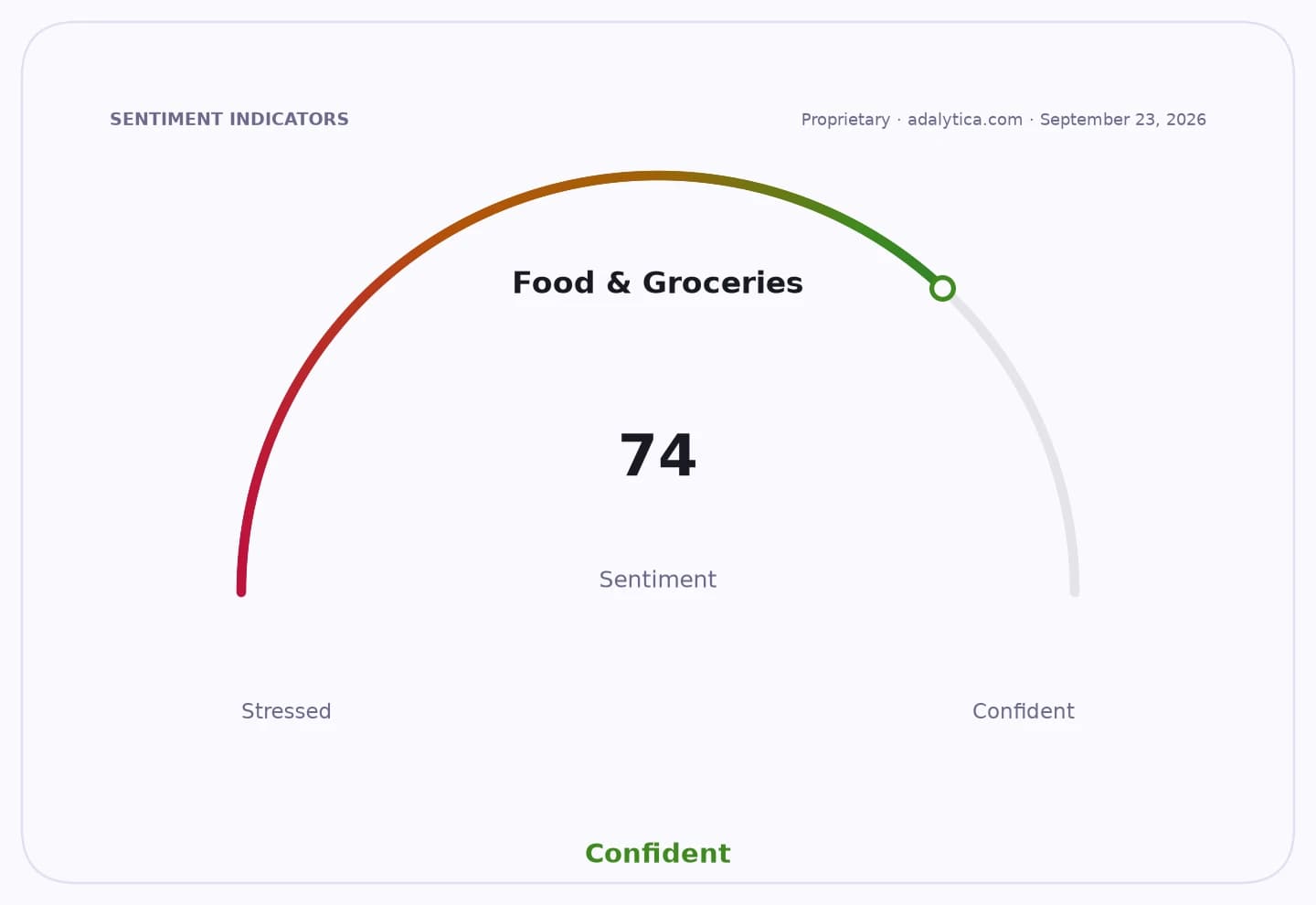
Sentiment IndicatorsⓘProprietary · adalytica.com · September 6, 2026
This is a snapshot — live sentiment, awareness and momentum for 130+ markets update continuously in the dashboard.Open AlphaPulse
Exchange chief Zakaria Hamza said sessions are expected to be repeated every Sunday, with volumes increased gradually depending on market response. The exchange is targeting about 20,000 tons initially, with room to expand if the auctions gain traction.
Egypt produces about 600,000 tons of durum wheat a year from roughly 200,000 feddans, but local output still falls short of demand from pasta makers. Annual pasta consumption is about 1.1 million tons, leaving the sector dependent on a mix of domestic supply and imports.
For investors, the development signals a deeper push by Egypt to use organized commodity trading to manage food supply chains and stabilize pricing in a country where staple costs can feed directly into inflation. It also gives mills and traders a more transparent reference point at a time when global wheat markets remain sensitive to supply disruptions and policy shifts, including India’s decision to lift its four-year wheat export ban.
The immediate test is whether the exchange can keep weekly trading active and build enough liquidity to matter beyond a symbolic first sale. If volumes rise, the market could become a more important pricing hub for Egypt’s pasta sector and a template for other agricultural commodities.
| Entity | Gains | Losses |
|---|---|---|
| Egyptian commodity exchange | ▲More market activity | ▼Pressure to deliver liquidity |
| Pasta mills | ▲Clearer pricing | ▼Less room for bargain buying |
| Wheat growers | ▲Direct sales channel | ▼Exposure to lower spot competition |
| Import-dependent buyers | ▲Better supply visibility | ▼Higher pricing transparency |