Egypt is moving to lift domestic gas output by adding about 250 million cubic feet a day from the Zohr and West Mina fields before the end of 2026, a push that could ease import needs, rebuild investor confidence and tighten the market for international energy service companies.
Egypt plans gas output boost and arrears payments
The plan matters because Egypt is trying to reverse a familiar energy squeeze: weakening local production, rising pressure on the budget from fuel imports and a need to persuade foreign partners that cash will actually come back to the basin. Petroleum Minister Karim Badawi said the government also aims to add another 80 million cubic feet a day from the Meliha fields before the end of September, while clearing arrears to oil and gas partners by June 2026 to unlock fresh investment in exploration and field development.
That payment schedule is the real economic hinge. When a producing country signals it will settle past dues, it is not just polishing its balance sheet narrative — it is trying to reopen a pipeline of capital, rigs, seismic work and service contracts. For Egypt, a successful supply rebound would help reduce the import bill for gas and refined products, stabilize the domestic energy system and support industries that depend on reliable feedstock, power and transport fuels.
The ministry is also leaning on existing infrastructure rather than waiting on big greenfield discoveries, which makes the target more credible. Badawi said refinery utilization has climbed to more than 80% from 66% after more crude was made available and operating efficiency improved, boosting output of gasoline and diesel and cutting the need for imports. At the same time, gas connections to homes are expanding, with 804,000 households hooked up in the current fiscal year, a sign the government is still using gas as a social and political stabilizer.
For investors, the message is clear: Egypt wants to become a better payer and a steadier producer, and that combination usually brings drillers, equipment suppliers and midstream players back into the frame. If the arrears are cleared and production targets are met, international operators are likely to have greater incentive to commit capital to the Mediterranean and Western Desert, where service demand could improve for names tied to drilling, well construction, reservoir work and field optimization.
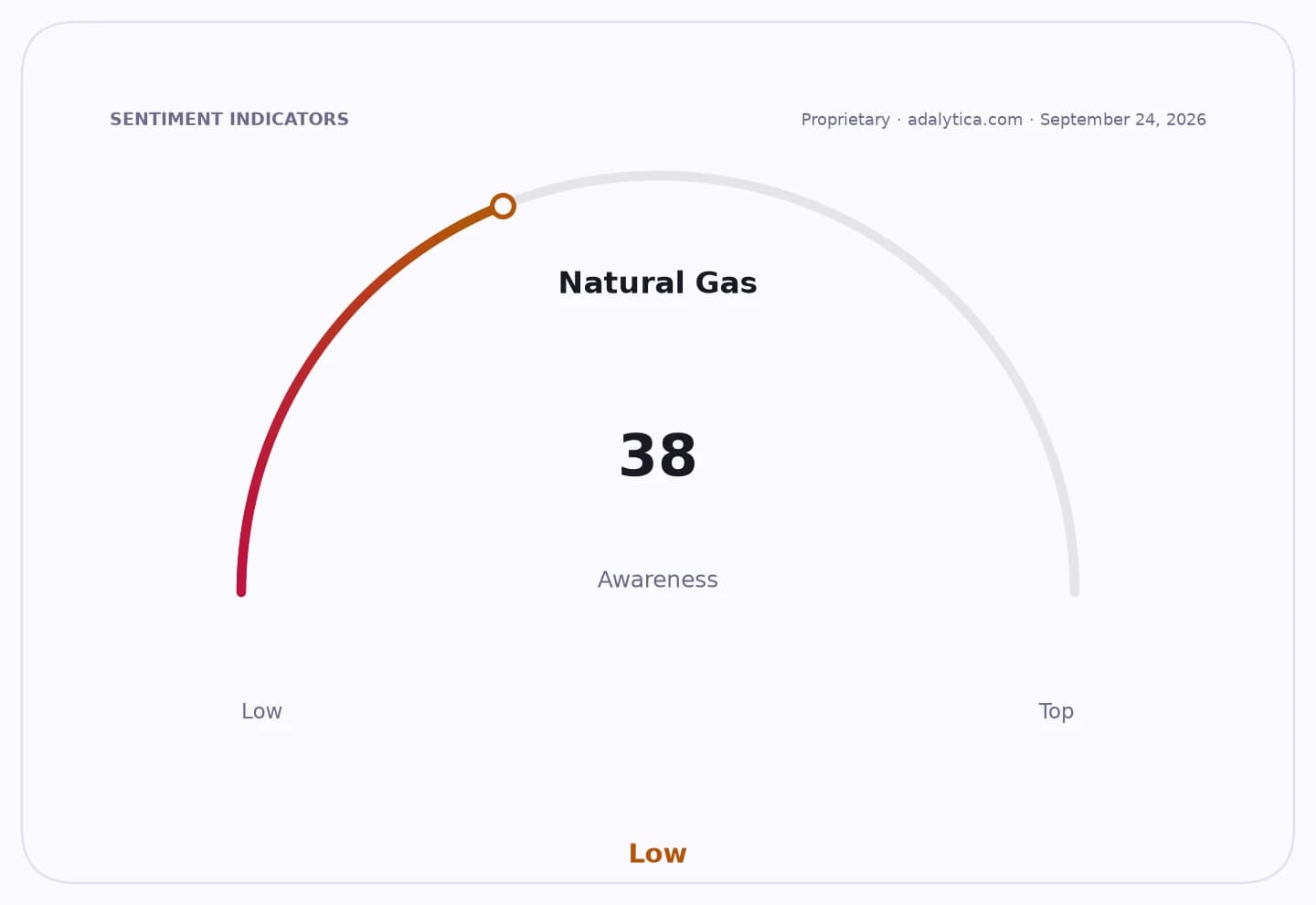
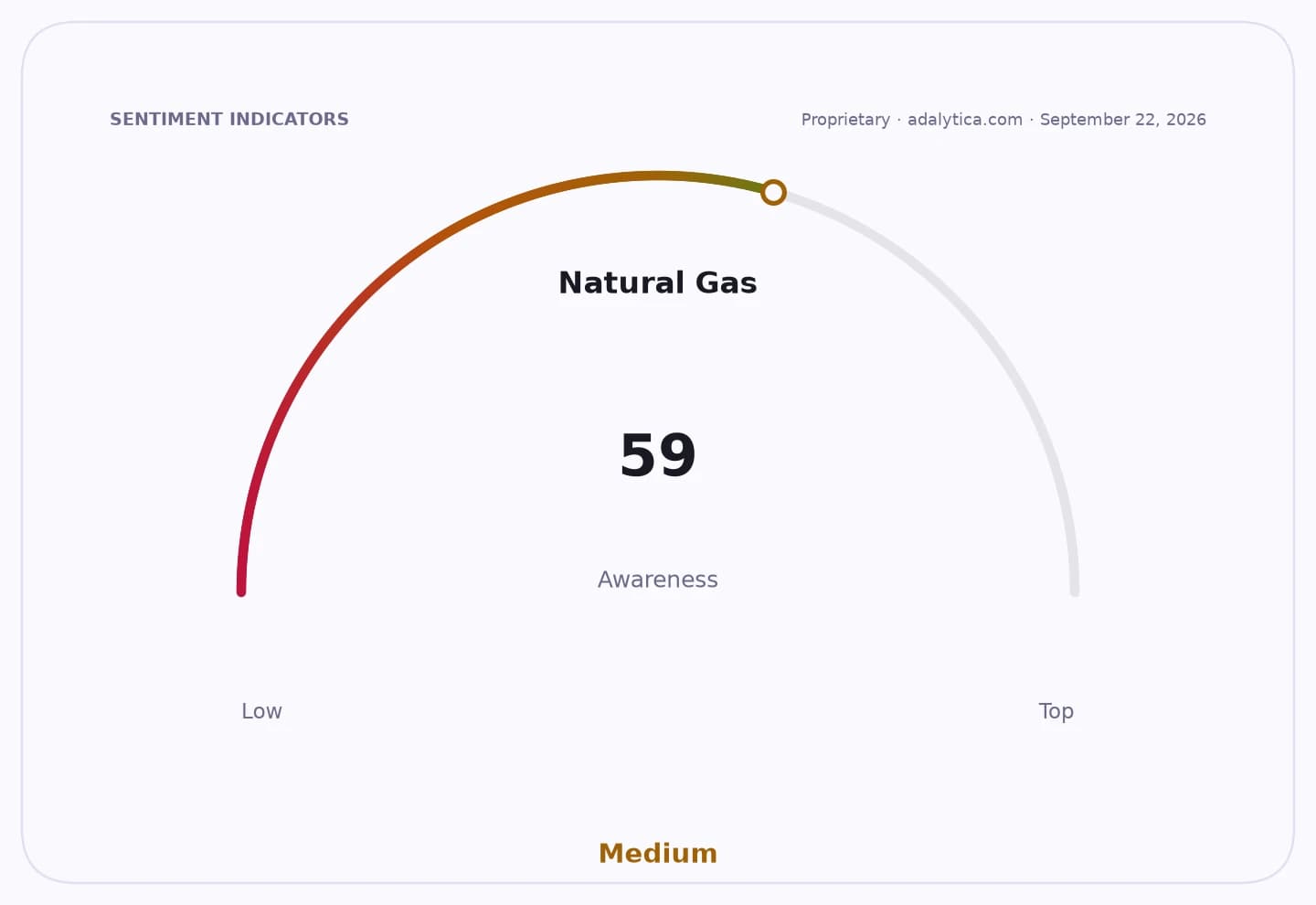
The broader investment case also reaches beyond Egypt itself. A more reliable North African gas system would matter to LNG and regional energy flows, especially as governments across the Middle East and Europe keep prioritizing domestic supply security. The market is already signaling that energy remains a geopolitical trade, not just a commodity trade: conventional technical indicators on U.S. natural gas show prices holding above the 50-day moving average, while Adalytica’s gas market snapshot remains neutral after a sharp recent pullback in awareness and sentiment.
The thesis is that Egypt is not simply trying to lift output; it is trying to reset the terms of investment in its entire hydrocarbon sector. If it executes on payments, field development and infrastructure upgrades, the winners are likely to be the companies selling capital, technology and services into the basin. The losers are importers, higher-cost suppliers and anyone betting Egypt will remain trapped in chronic gas scarcity.
| Entity | Gains | Losses |
|---|---|---|
| Egypt government | ▲Lower import bill | ▼Higher fiscal strain if execution slips |
| Foreign oil and gas partners | ▲Paid arrears, new investment scope | ▼Delayed returns if payments stall |
| Service कंपनies / drillers | ▲More field work and contracts | ▼Lower activity if capex disappoints |
| Gas importers | ▲— | ▼Less reliance, weaker demand |