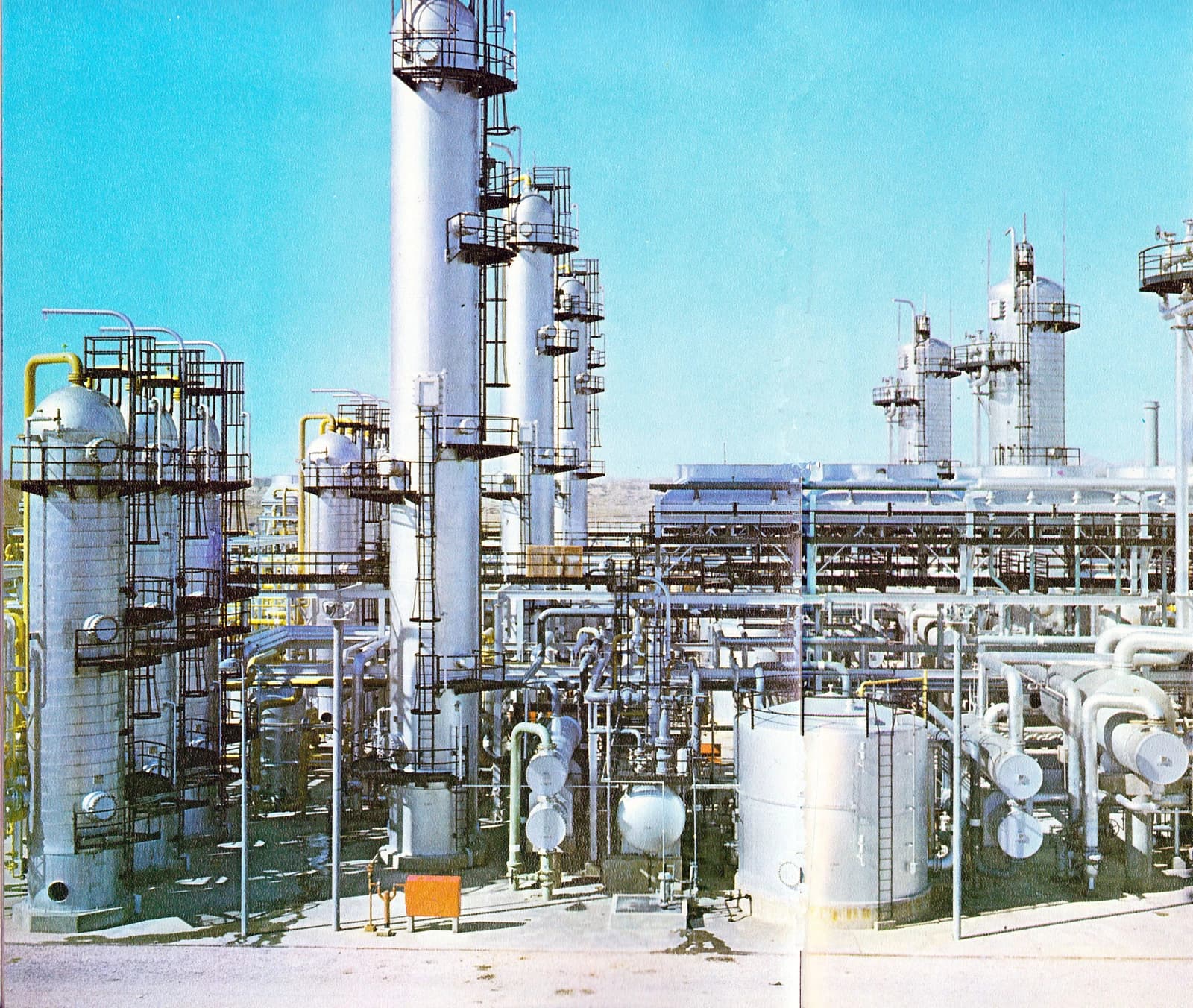
Egypt is pressing ahead with a state-led expansion of natural gas networks in Upper Egypt, a push that matters because it lowers household fuel costs, supports industrial activity and deepens energy infrastructure in one of the country’s least-developed regions.
Egypt expands gas networks in Upper Egypt
The government said gas has been extended to more than 2.2 million household customers across the governorates of Upper Egypt since 2009 through end-June 2026, alongside about 9,432 commercial customers and 202 industrial facilities. The latest figures suggest the campaign is moving from catch-up to scale: more than 146,000 new household customers were added in fiscal 2025/26, and another 179,000-plus are targeted for 2026/27.
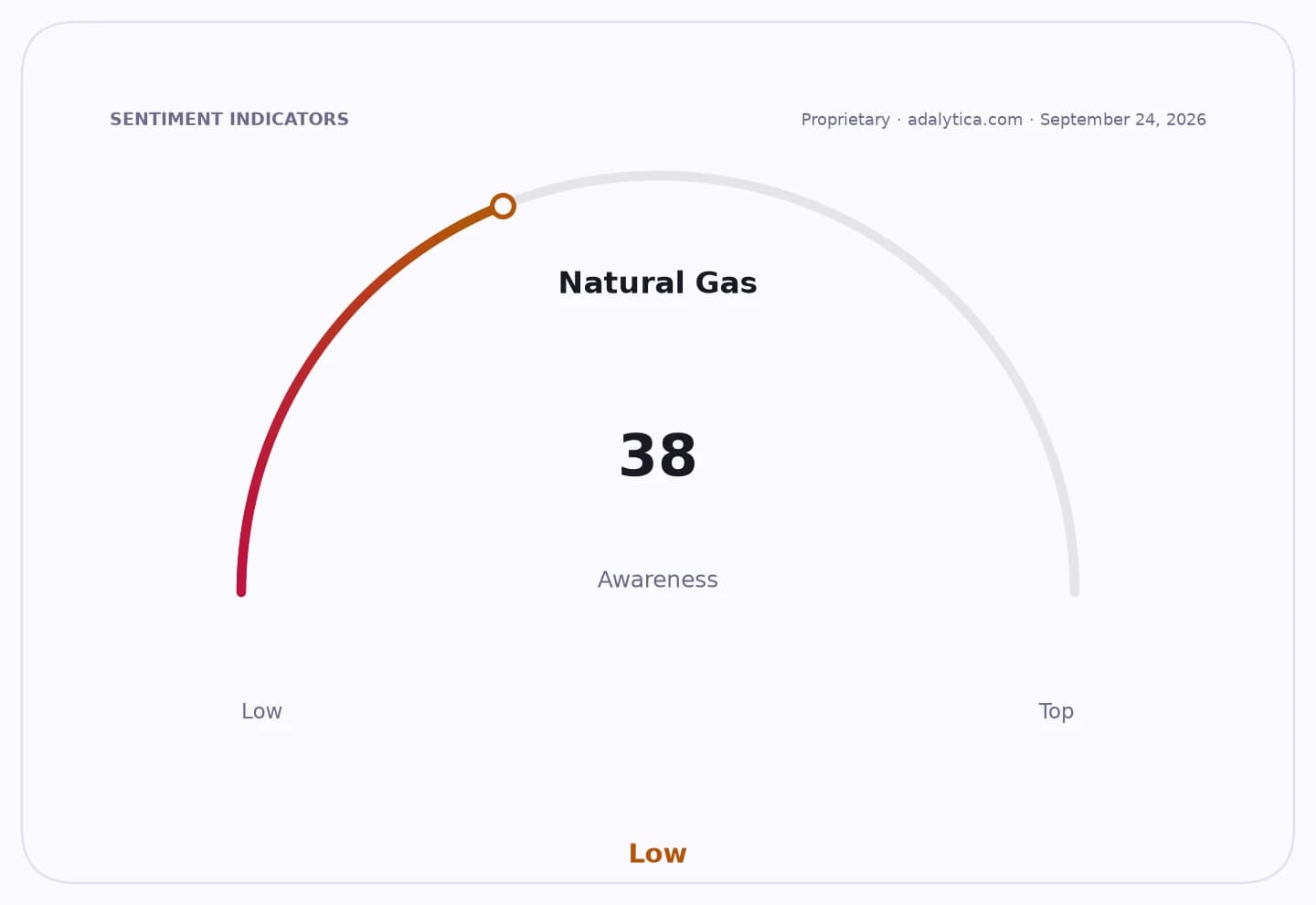
Sentiment IndicatorsⓘProprietary · adalytica.com · September 24, 2026
This is a snapshot — live sentiment, awareness and momentum for 130+ markets update continuously in the dashboard.Open AlphaPulse
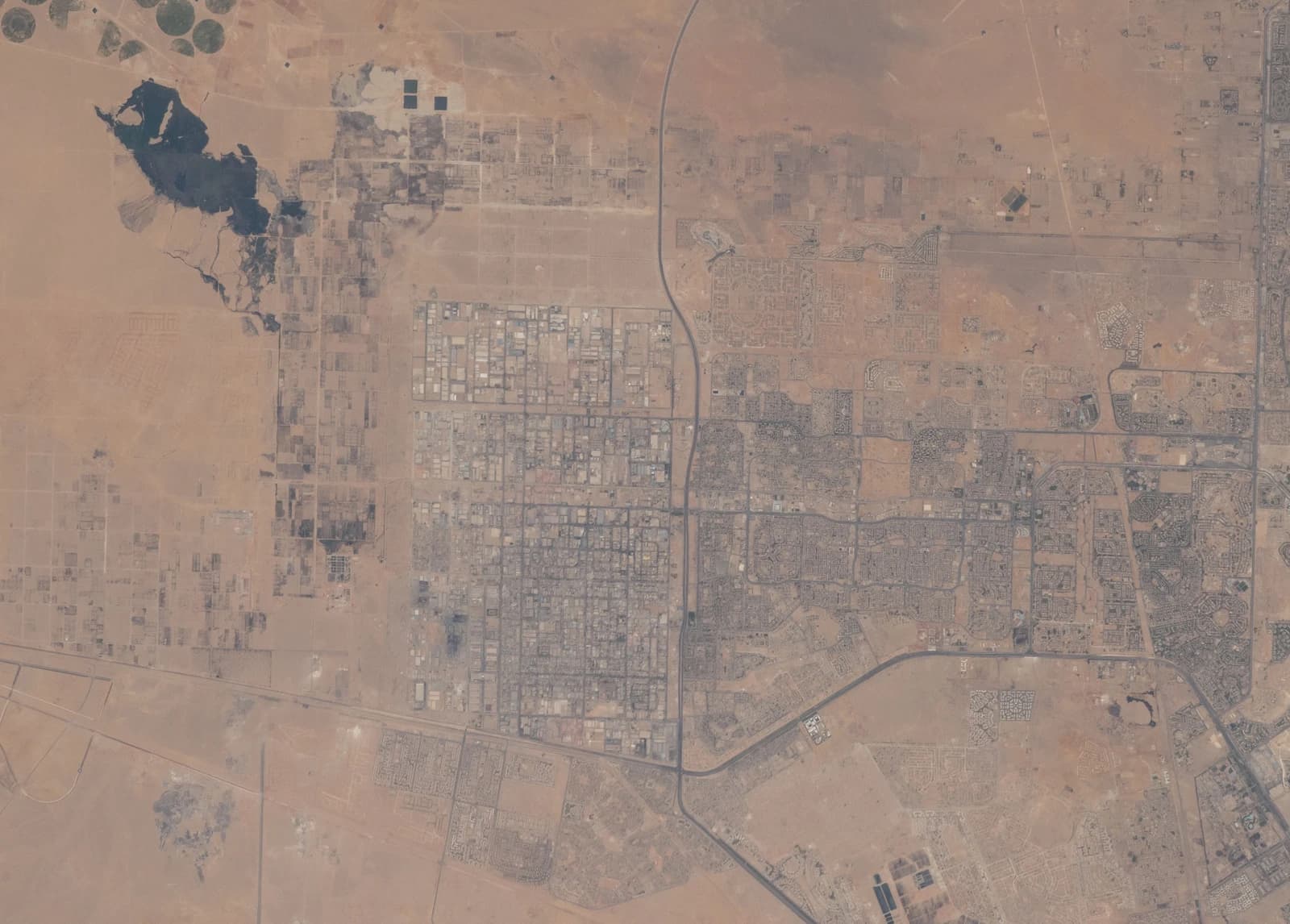
For policymakers, the significance goes beyond utility connections. Natural gas access is part of a broader development strategy for Upper Egypt, where weaker infrastructure has long constrained private investment, raised logistics costs and limited the spread of modern services. Extending gas networks into cities and villages can reduce reliance on more expensive bottled gas or other fuels, support small businesses, and improve the economics of industrial sites that depend on reliable energy.
The expansion is also tied to Egypt’s rural development drive under the Haya Karima initiative. The government said gas networks have reached 374 villages in the first phase, with gas commissioned in 328 of them, a completion rate of about 88%. That points to a deliberate effort to bring energy infrastructure into areas that have traditionally lagged behind the urban Nile corridor.
The buildout is being backed by physical capacity: more than 30 main pressure-reduction stations and over 750 secondary distribution stations now support the Upper Egypt network. That matters for investors and lenders because the economics of gas distribution depend on scale, density and network reliability. The larger the customer base and the more interconnected the system, the better the chance of amortizing capital spending and sustaining cash generation over time.
There is a macroeconomic angle as well. In a country still managing external financing pressures and inflation sensitivity, switching households and businesses to piped gas can ease energy import needs at the margin and reduce pressure on subsidized fuel and cylinder distribution systems. It also strengthens domestic gas demand, helping Egypt use its own infrastructure more efficiently even as the country balances local consumption with wider regional energy ambitions.
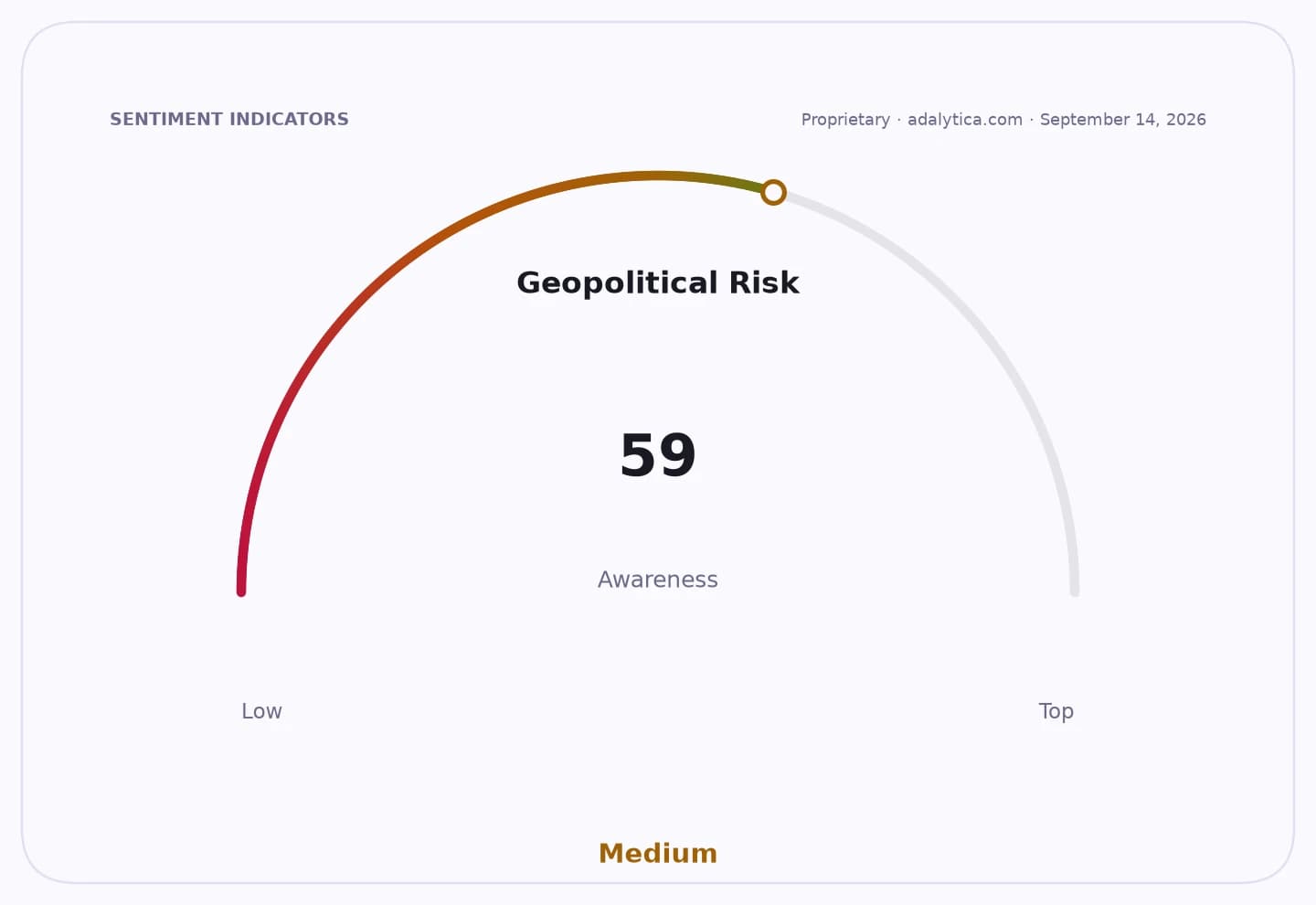
For the market, the story is less about immediate trading impact than about longer-term earnings visibility for utilities, contractors and equipment suppliers involved in grid expansion, metering and pressure-control systems. The downside risk is execution: network growth is capital intensive, and returns depend on connection rates, tariff policy and the pace of industrial and residential uptake. But the government’s latest numbers show the program remains a priority, not a pilot.
If the current trajectory holds, Upper Egypt’s gas rollout could become a template for how the state is trying to pair social development with energy infrastructure — using utility expansion not just as a service upgrade, but as a lever for regional growth.
| Entity | Gains | Losses |
|---|---|---|
| Upper Egypt households | ▲Lower fuel costs | ▼Bottled gas dependence |
| Local businesses and factories | ▲Cheaper, steadier energy | ▼Higher operating costs |
| Egyptian state / utilities | ▲Wider infrastructure reach | ▼Capital spending burden |
| Fuel cylinder distributors | ▲— | ▼Reduced demand |