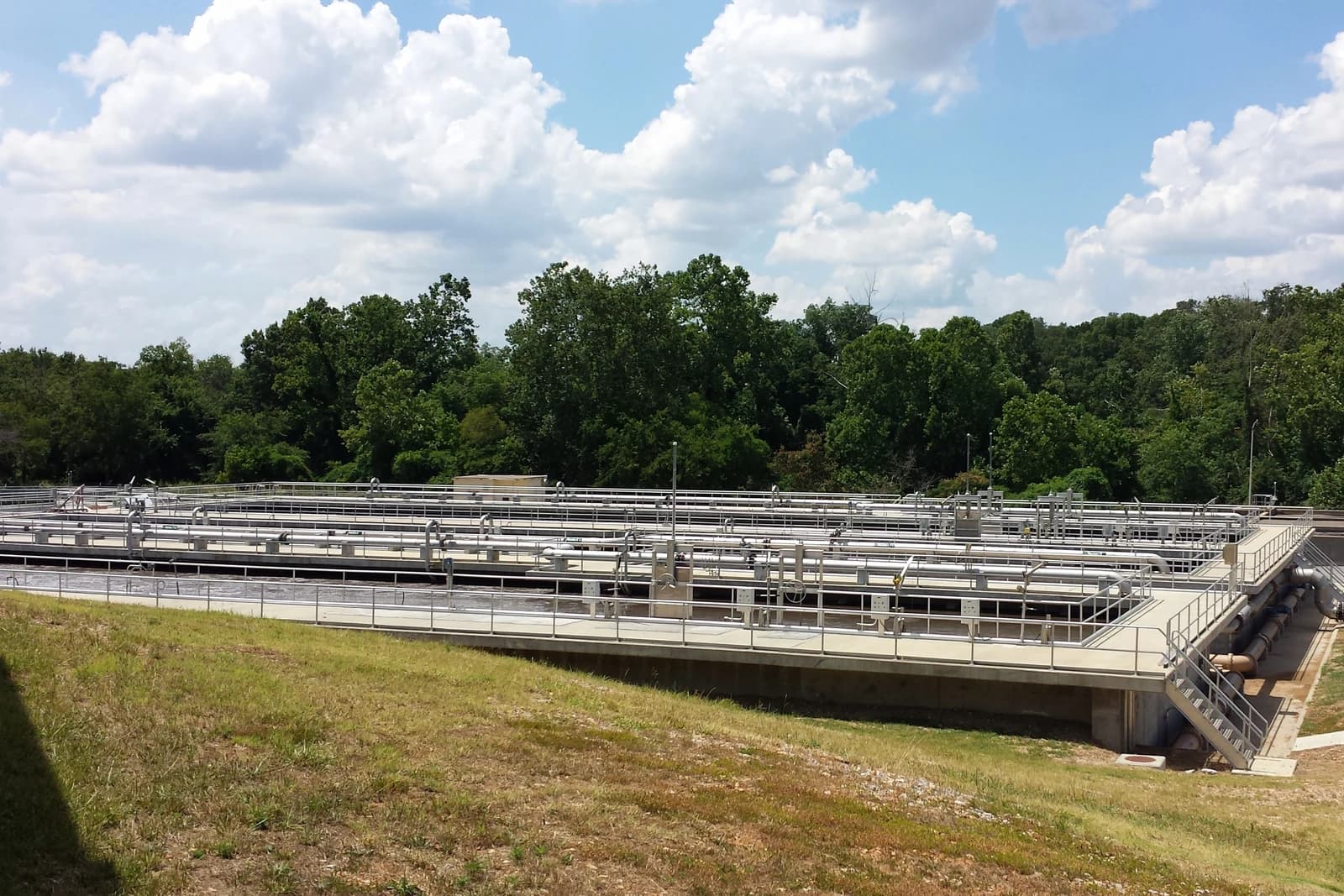
Egypt is preparing to offer 16 public-private partnership projects worth $3.08 billion in desalination, wastewater treatment and electricity infrastructure, a push that could help ease chronic utility shortages while opening a financing channel that limits pressure on the state budget.
Egypt plans $3.08B PPPs for water and power
The planned pipeline matters because it targets two of Egypt’s most economically binding constraints: water security and power reliability. Desalination and wastewater treatment are capital-intensive and long-dated, but they are increasingly central to growth in a country facing population expansion, industrial demand and tighter climate conditions. Electricity projects, meanwhile, remain critical to manufacturing output, service-sector continuity and the broader investment climate. By using the PPP model, Cairo is signaling it wants private capital to absorb some of the upfront funding burden and execution risk at a time when sovereign borrowing costs remain elevated globally and public finances are constrained.
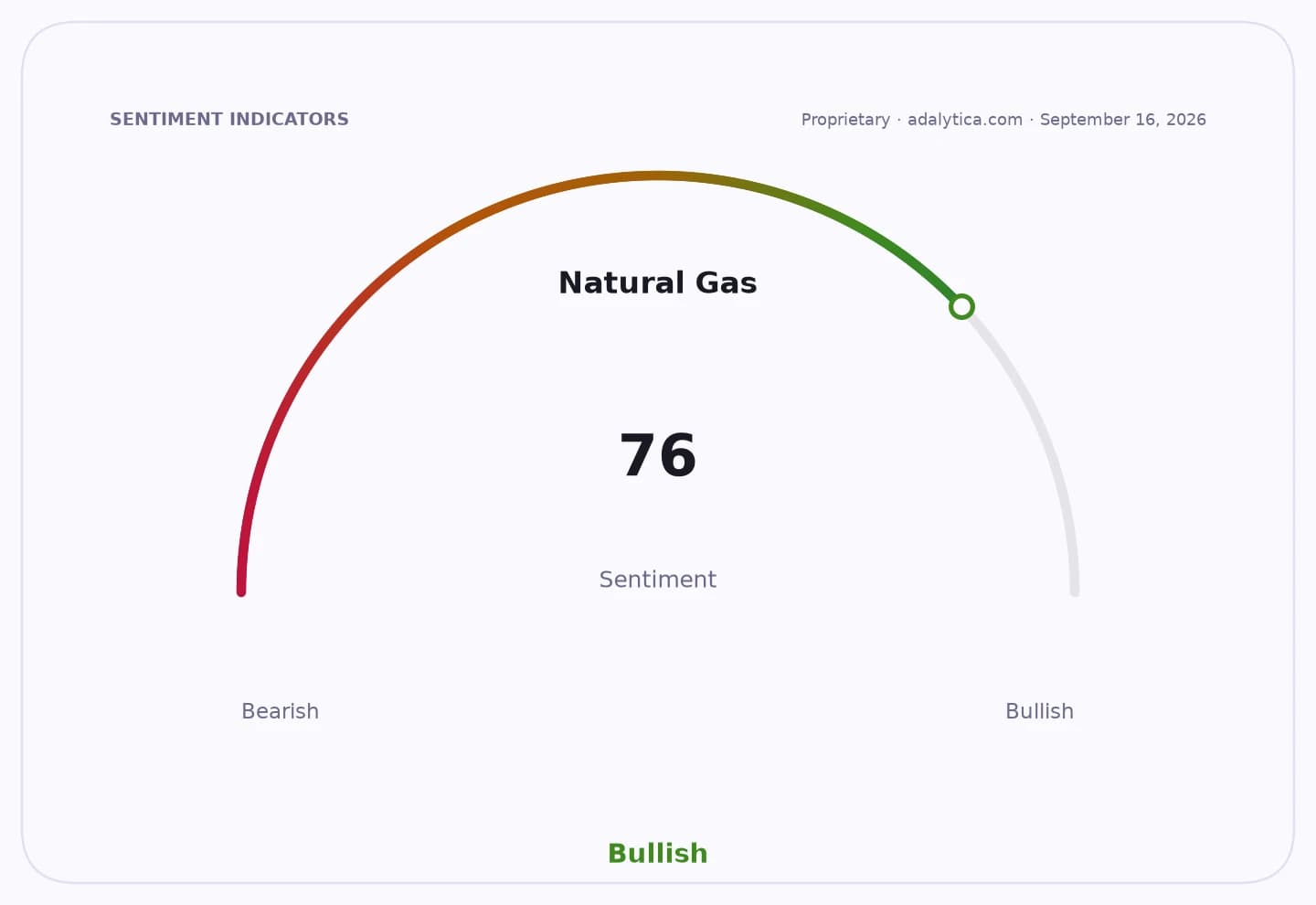
Sentiment IndicatorsⓘProprietary · adalytica.com · September 24, 2026
This is a snapshot — live sentiment, awareness and momentum for 130+ markets update continuously in the dashboard.Open AlphaPulse
The projects include desalination plants, industrial wastewater treatment facilities and electricity infrastructure, with several already at advanced tendering stages, according to a government document cited by local daily Al Borsa News. Advanced tendering suggests the pipeline is not merely aspirational and may begin translating into contract awards and construction spending sooner rather than later.
For investors, the announcement reinforces the role of infrastructure PPPs as one of the more visible avenues for deploying capital in Egypt, especially in utilities where revenues can be structured around long-term offtake or availability payments. That can be attractive for developers and EPC contractors seeking multi-year order books, and for financiers looking for asset-backed returns in a market where public investment alone is unlikely to meet demand. It also points to potential opportunities across desalination technology, water treatment, transmission, generation equipment and construction services.
The main risk is execution. PPP pipelines in emerging markets often slow at the permitting, tariff-setting, financing or currency-conversion stages, and projects can be vulnerable to cost inflation and revenue uncertainty. But if Cairo follows through, the program would support industrial activity, improve basic service delivery and help crowd in private capital at a time when infrastructure investment remains central to Egypt’s growth strategy.
| Entity | Gains | Losses |
|---|---|---|
| Egypt government | ▲Faster infrastructure buildout | ▼More contingent liabilities |
| Private developers | ▲Long-dated project pipeline | ▼Execution and financing risk |
| EPC and utility suppliers | ▲New contract opportunities | ▼Margin pressure from inflation |
| Consumers and industry | ▲Better water and power supply | ▼Higher user tariffs risk |