Tunisian state utility STEG is losing nearly one-fifth of the electricity it produces before it ever turns into billed revenue, a stark reminder that the company’s problem is not just generating power but getting paid for it.
STEG loses 19% of power before billing
That 19% gap matters because it hits STEG on two fronts at once: about 12% is tied to technical and network losses in transmission and distribution, while the rest appears to be consumed outside the legal framework through theft and unauthorized connections. For a utility already carrying about 6.5 billion dinars in unpaid customer receivables, every unit of power that disappears from the billing system deepens a cash squeeze that can slow maintenance, limit network upgrades and increase reliance on state support.
Sentiment IndicatorsⓘProprietary · adalytica.com · September 25, 2026
This is a snapshot — live sentiment, awareness and momentum for 130+ markets update continuously in the dashboard.Open AlphaPulse
The economic logic is simple. Electricity is expensive to produce, but STEG is not collecting the full cost of that output. In a country where households and businesses are under pressure from high living costs and a strained public balance sheet, the utility’s leakage becomes a broader drag on productivity. Power that is lost, stolen or never invoiced still has to be financed somewhere, and ultimately that cost tends to show up in tariffs, taxes or delayed investment.
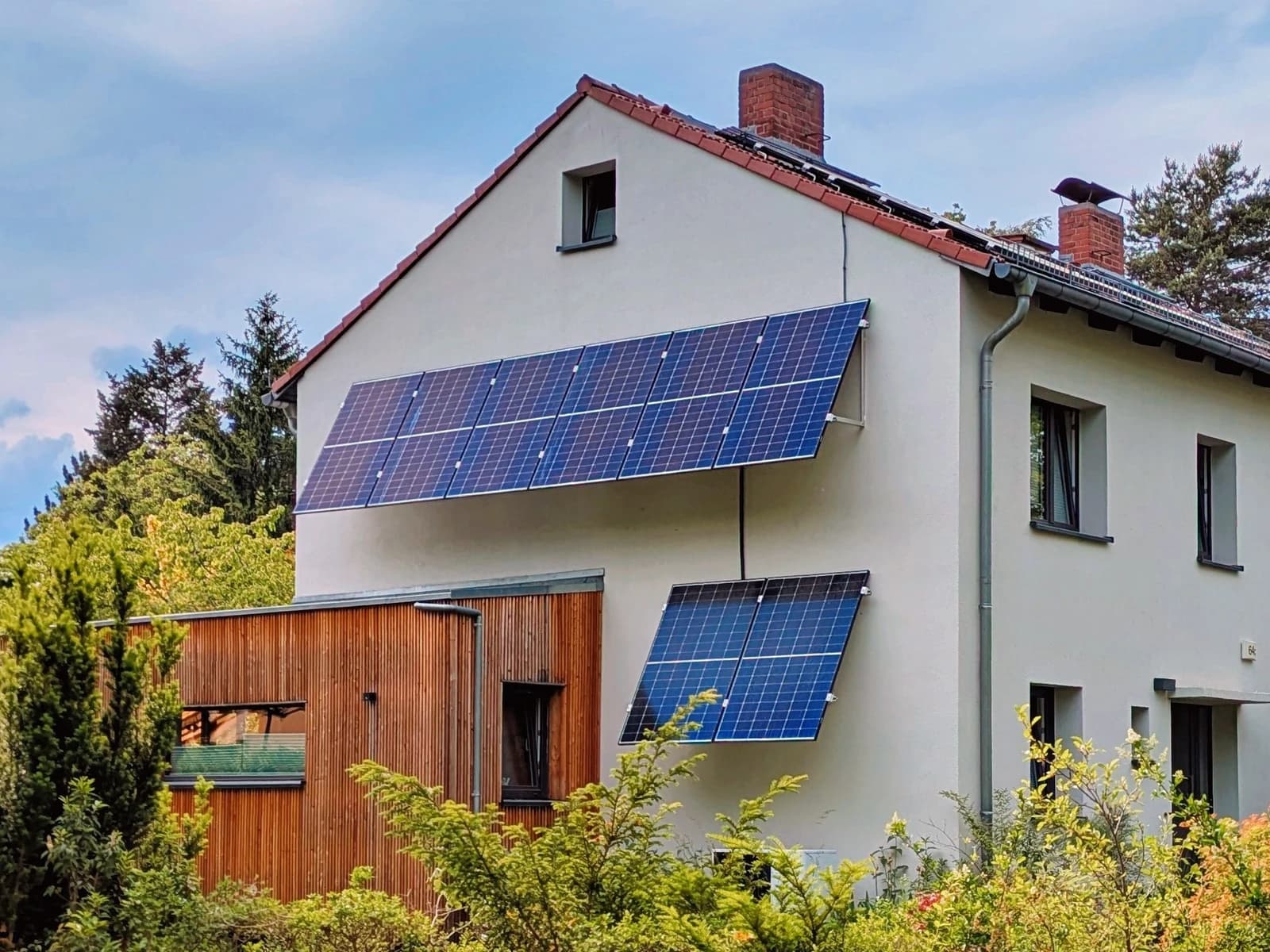
This is why the story is bigger than a utility balance-sheet issue. Tunisia is trying to manage rising electricity demand, chronic infrastructure stress and a push toward cleaner energy at the same time. Rooftop solar is one obvious escape valve. A new scheme allowing households to install systems of up to 3 kW could let some users wipe out their electricity bills and even earn income from surplus generation. That shifts the equation for consumers who can afford panels, while also reducing pressure on a grid that is already losing too much power before it is billed.
The risk for STEG is that the transition cuts both ways. More distributed solar could reduce demand on the central network and improve resilience, but it also challenges the traditional utility model if customers with the means to install rooftop systems leave the weakest, least collectible portion of the load behind. For investors and policymakers, the real question is whether Tunisia can pair solar adoption with grid modernization, stronger billing discipline and tighter enforcement against theft.
That balance will determine whether rooftop solar becomes a relief valve for a stressed power system or simply another reminder that the country’s electricity business needs a structural reset. For long-term investors watching the region’s energy transition, the key takeaway is that the winners will be companies and projects that can help Tunisia cut losses, expand metering and monetize cleaner power — not just generate more of it.
| Entity | Gains | Losses |
|---|---|---|
| Tunisian households with rooftop solar | ▲Lower bills, extra income | ▼Higher upfront installation costs |
| STEG | ▲Less load if solar expands cleanly | ▼Lost revenue from theft and grid losses |
| Solar equipment providers | ▲More installations and demand | ▼Pressure if standards tighten or adoption slows |
| Government / taxpayers | ▲Potentially lower fuel imports and cleaner power | ▼Higher costs if STEG’s losses keep rising |