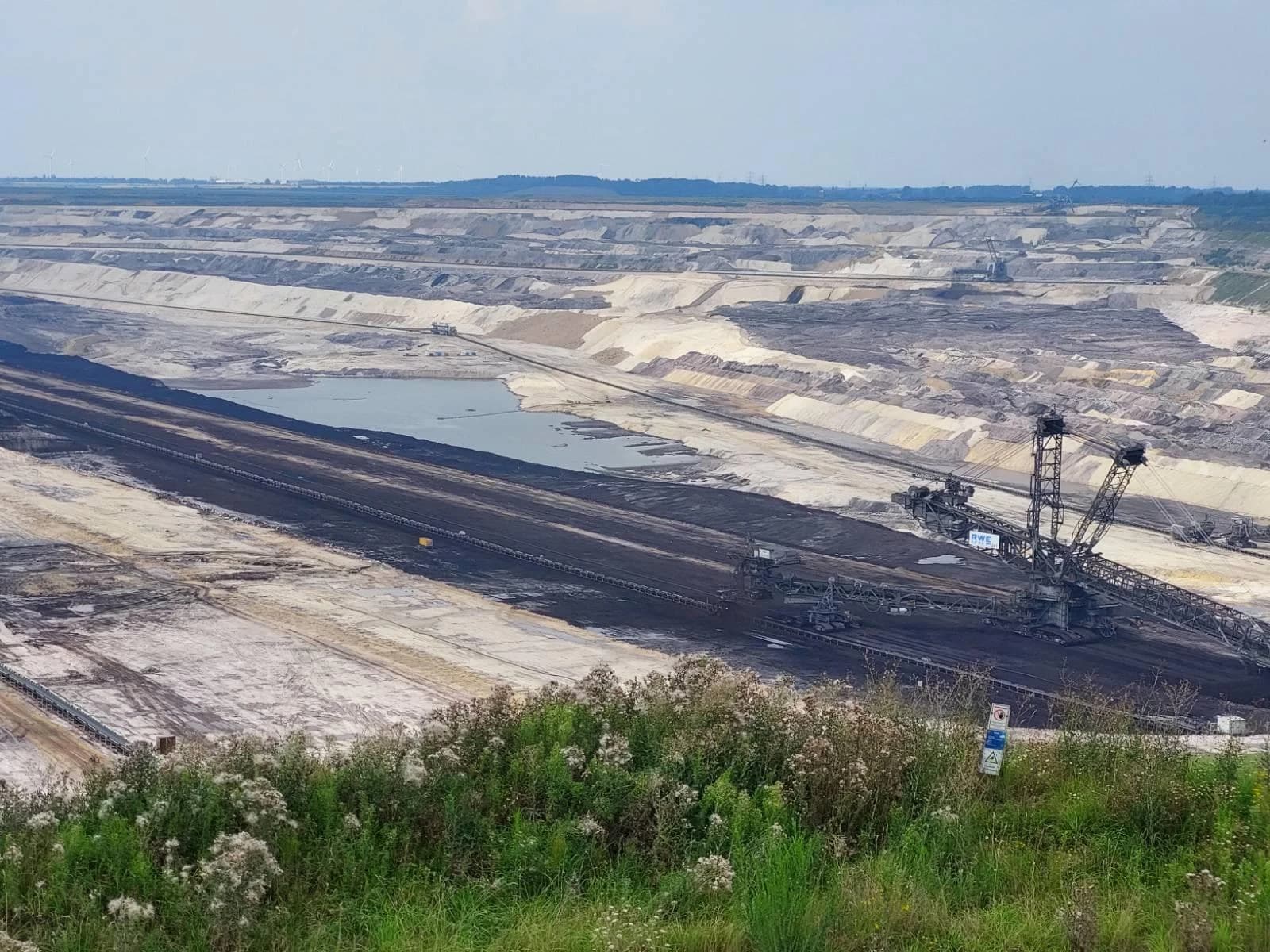
Renewable energy produced more electricity than coal worldwide in 2025 for the first time in recent history, a milestone that underscores how quickly the economics of power generation are shifting toward cleaner sources.
Renewables Beat Coal in Global Power Generation

The change matters because it is no longer just a climate narrative. It is an industrial and investment story about scale, costs and grid demand. Solar and wind added enough supply to cover all of the increase in global electricity use during the first three quarters of 2025, according to the international report cited in the source material, meaning cleaner generation did not merely gain share — it absorbed incremental demand that would otherwise have gone to fossil fuels.
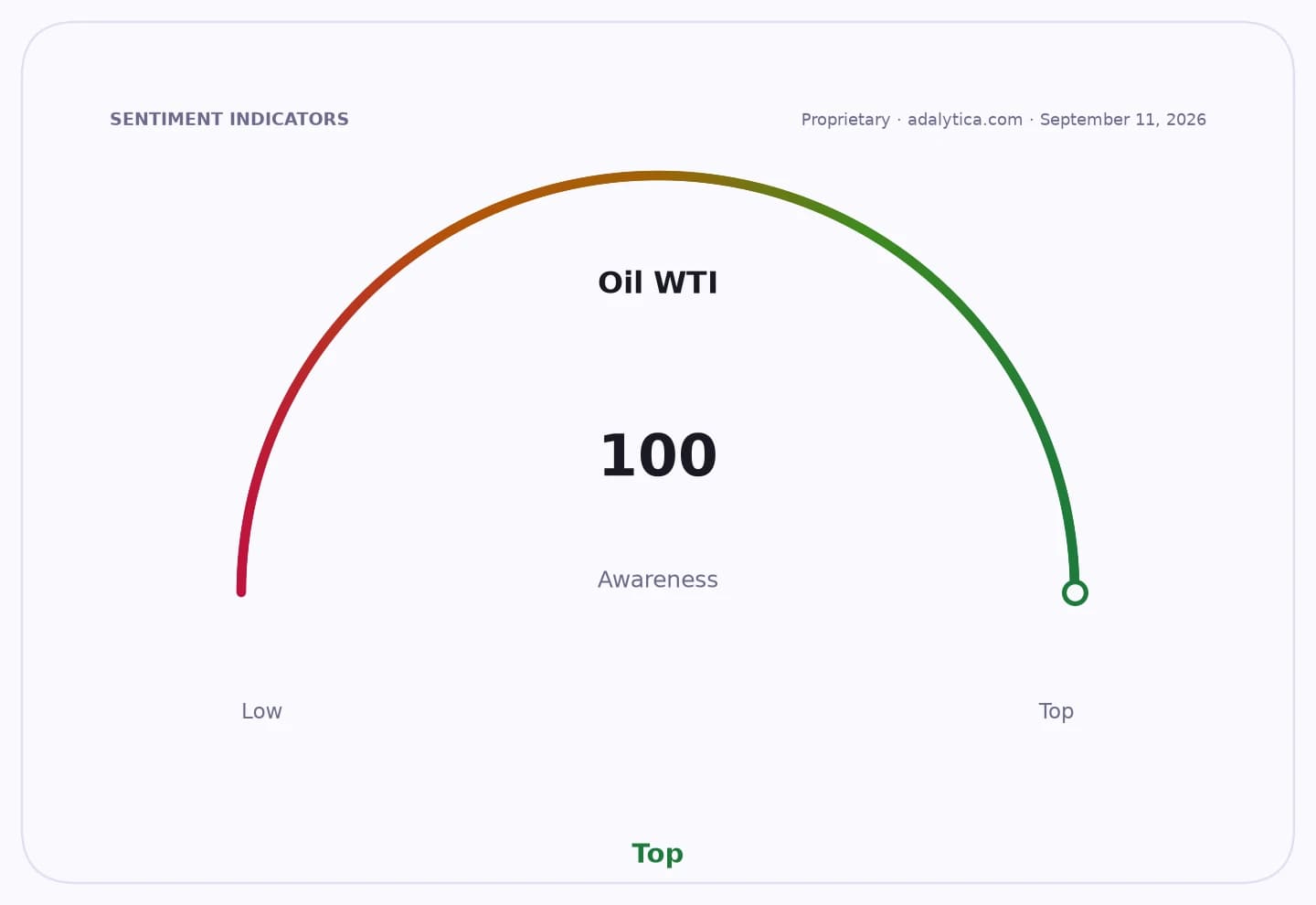
Sentiment IndicatorsⓘProprietary · adalytica.com · September 25, 2026
This is a snapshot — live sentiment, awareness and momentum for 130+ markets update continuously in the dashboard.Open AlphaPulse
That is a critical inflection point for utilities, fuel exporters and capital markets. When renewables meet new demand, they start to displace coal not only in policy discussions but in actual dispatch decisions. That erodes the long-running argument that coal is indispensable for growth, while reinforcing the case for continued investment in renewable capacity, transmission and storage.
The record also arrives against a still-mixed energy backdrop. Coal has not disappeared from the global system: regional policy remains split, with some governments still prioritizing coal and gas for reliability and industrial competitiveness. Recent context from Queensland, Mongolia, Russia and Indonesia shows how energy security continues to support fossil-fuel production in parts of the market, while Europe’s gas costs can still revive coal burn. But the global balance is shifting as the cost and speed advantages of solar and wind keep widening.
For investors, the immediate implication is that the renewable buildout is increasingly a volume story rather than a pure policy trade. Exchange-traded funds tracking clean energy have reflected that optimism, even as price action has remained volatile: ICLN and TAN both saw sharp swings through 2026, with TAN still well below its earlier levels, while energy-sector proxy XLE held firmer as oil and gas retained cash-generation appeal. That divergence captures the market’s debate: clean energy is winning structurally, but fossil fuels still dominate profitability in the near term.
The policy backdrop remains a key swing factor. US clean-energy tax incentives have helped drive demand for solar modules and related equipment, according to filings from First Solar, while Enphase warned that regulatory transitions and softer European demand have pressured installations. Any rollback or tightening of incentives could slow the pace of deployment, but it would not erase the underlying economics if renewable power continues to beat coal on cost and scale.
The bigger message is that the transition is becoming self-reinforcing. As solar and wind keep adding capacity, their contribution to marginal demand growth makes it harder for coal to regain share. Investors will be watching whether the next phase of the cycle shifts from buildout to profitability — and whether grid constraints, storage economics and policy durability can keep the clean-energy expansion on track.
| Entity | Gains | Losses |
|---|---|---|
| Solar and wind developers | ▲Higher demand and capacity growth | ▼— |
| Coal producers | ▲— | ▼Market share and dispatch role |
| Clean-energy ETF holders | ▲Structural transition thesis | ▼Volatility and policy risk |
| Fossil-fuel incumbents | ▲Near-term reliability demand | ▼Long-term replacement pressure |