Germany’s planned end to lignite-fired power in North Rhine-Westphalia by 2030 is becoming less certain, and the reason matters far beyond one region: the energy transition only works if enough dispatchable capacity is built to replace coal when wind and solar fall short.
Germany NRW coal exit depends on gas plants
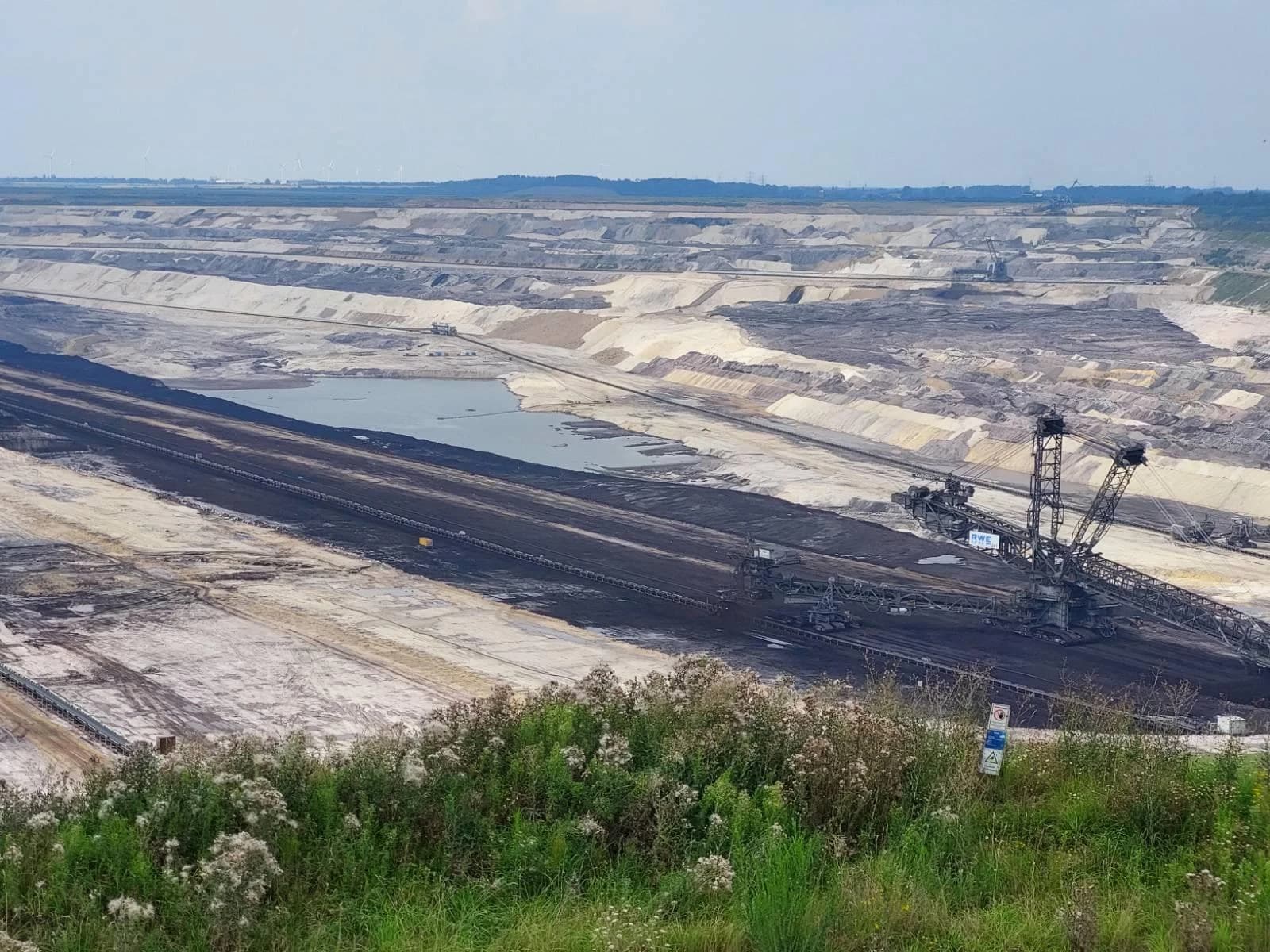
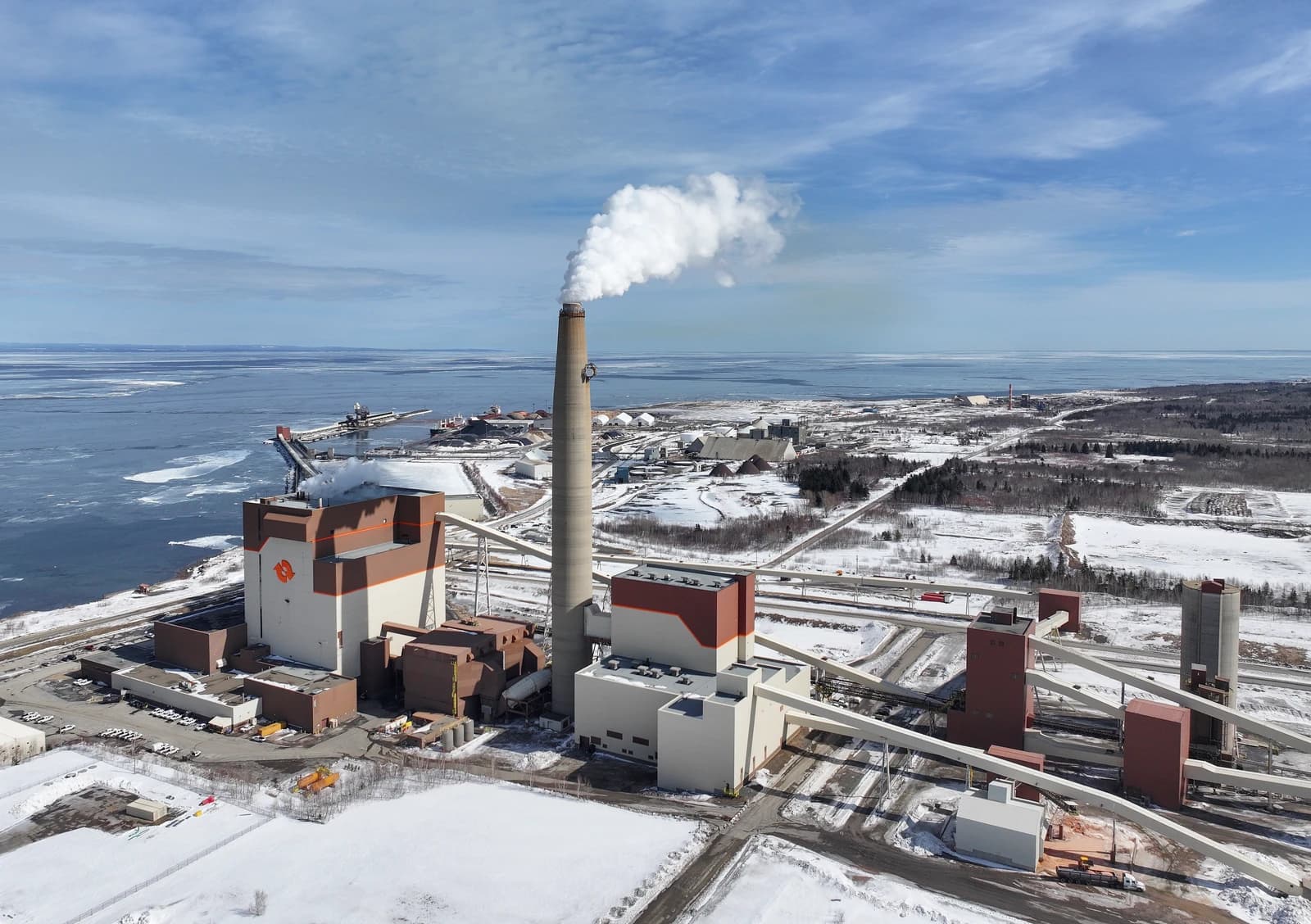
That is the key risk now confronting policymakers in Berlin, Düsseldorf and at RWE. NRW Economy Minister Mona Neubaur said the federal government is legally required by August 2026 to decide whether the last three lignite units can remain on reserve until 2033, but she also made clear that an orderly coal exit depends on adding “secured, controllable” generation first. In practice, that means new gas-fired plants — and those plans are stalling.
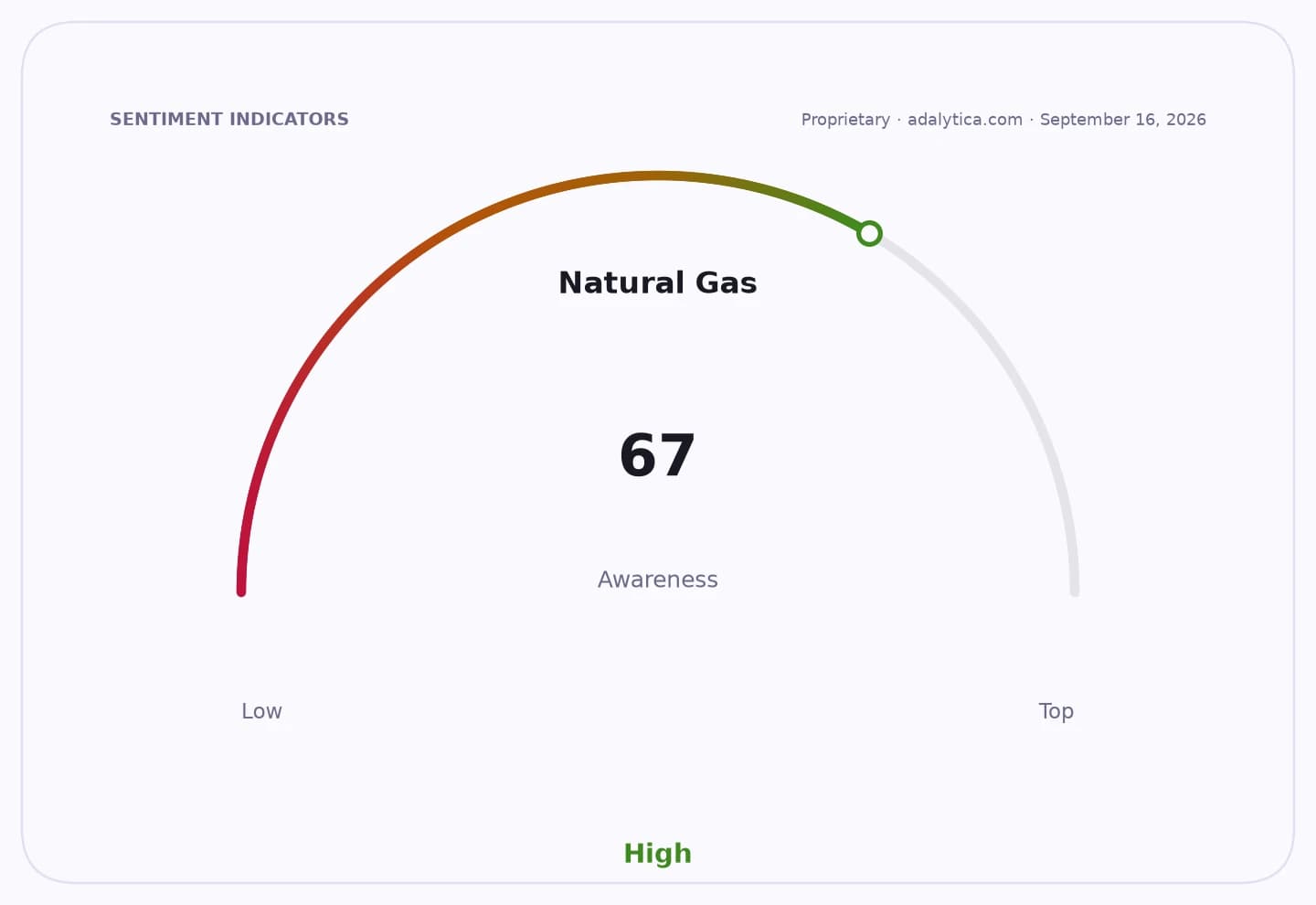
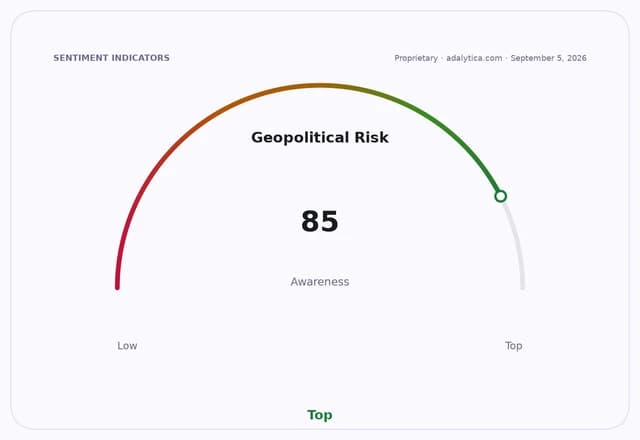
Sentiment IndicatorsⓘProprietary · adalytica.com · September 5, 2026
This is a snapshot — live sentiment, awareness and momentum for 130+ markets update continuously in the dashboard.Open AlphaPulse
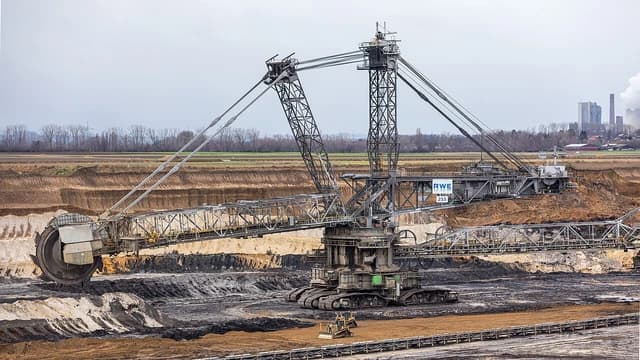
For investors, this is the kind of bottleneck the market keeps underpricing. Europe wants cleaner power, but it still needs reliable baseload and flexible backup to protect grids, industrial production and electricity prices. If new gas capacity is delayed, coal units stay in the system longer, carbon costs remain elevated and utilities get more time to earn from legacy assets. If the government pushes the exit anyway, power prices and supply security become political flashpoints, especially in an industrial state like NRW.
The issue is larger than coal. It goes to the heart of Germany’s competitiveness. Heavy industry, chemicals and manufacturing need predictable power more than they need slogans about decarbonization. A rushed shutdown without replacement capacity would raise the odds of higher wholesale prices, more volatile margins and greater dependence on imports or emergency measures. That is why RWE and the state are pressing for faster tenders for gas plants: the coal phase-out can only hold if backup power is financed, permitted and built quickly.
The market implication is straightforward. Utilities with dispatchable generation, grid flexibility and gas exposure could gain relative support, while pure renewables stories may face a harsher reality if storage and backup assets do not scale fast enough. The broader lesson is that Europe’s energy transition is entering its infrastructure phase, and infrastructure takes capital, time and regulatory clarity.
Our thesis is that the 2030 NRW coal exit is now a negotiation, not a certainty. Until Germany secures enough replacement capacity, lignite remains a strategic bridge asset — and the winners will be the companies that own the bridge, not those assuming it disappears on schedule.
| Entity | Gains | Losses |
|---|---|---|
| RWE | ▲Longer coal cash flows | ▼Faster mandated exit |
| NRW heavy industry | ▲More supply security | ▼Higher power-price risk |
| Gas turbine developers | ▲Faster tender demand | ▼Policy delays |
| Coal exit advocates | ▲Emissions cuts if on schedule | ▼Credibility if deadline slips |