BB Energy is preparing to build a liquefied petroleum gas supply chain in the Democratic Republic of Congo with about $64 million of funding, a bet that low household gas penetration in Kinshasa can be turned into a fast-growing domestic energy market.
BB Energy plans DRC LPG supply chain
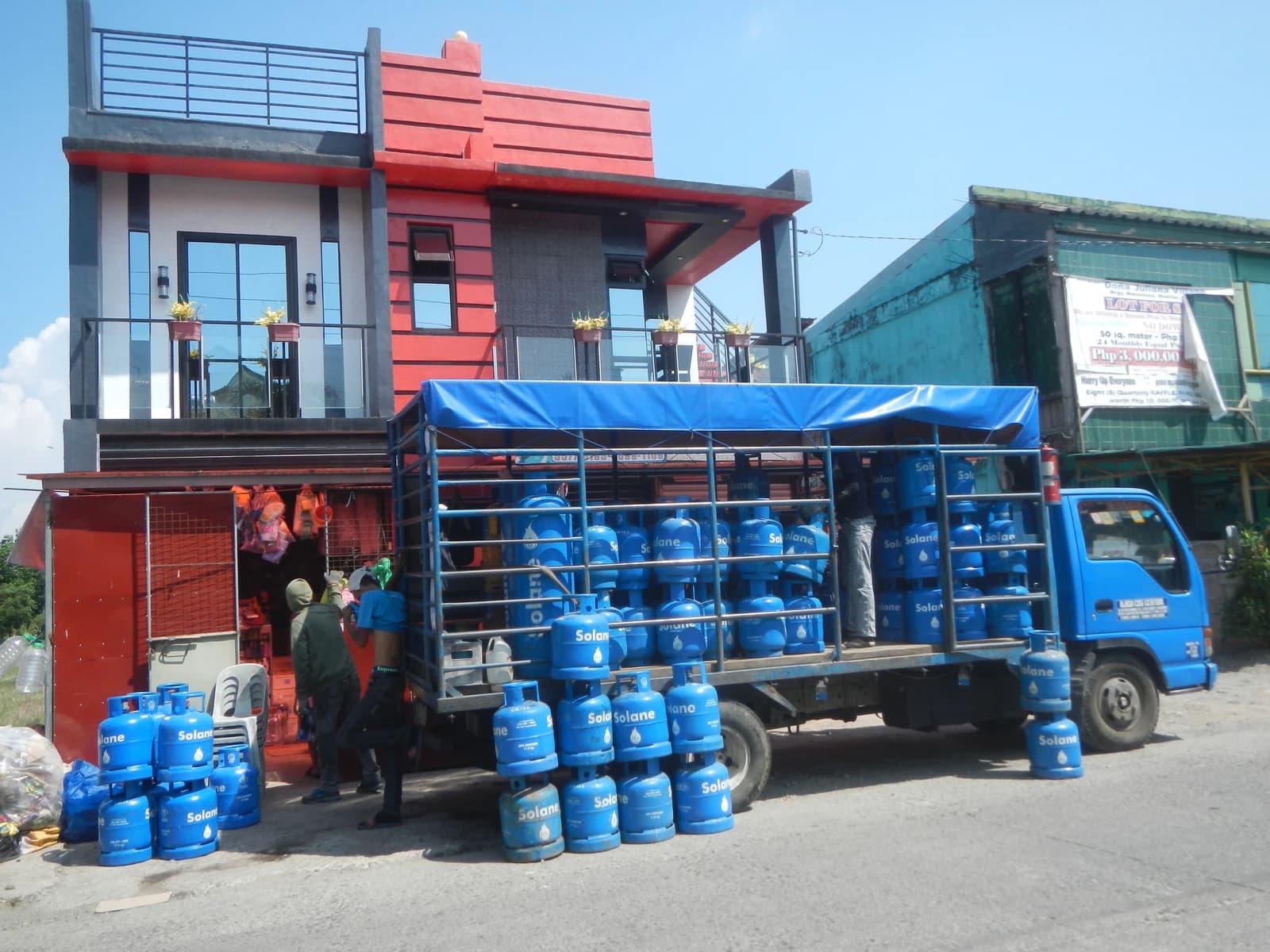
The project matters because it speaks to a structural gap in the DRC’s energy system: only about 14% of households in the capital currently use LPG, even as authorities want that figure to reach roughly 1.2 million households by 2030. For investors, that creates an early-stage market with room to expand, but also one that still depends on infrastructure buildout, regulatory approvals and reliable financing before demand can be monetised at scale.
According to International Finance Corporation documentation, the first phase of BB Energy’s expansion across sub-Saharan Africa would cover the DRC, South Africa and Zambia, with around $21 million in equity and up to $42 million from the IFC package. That would include a $30.15 million IFC loan, an $11.03 million subordinated loan from the IDA private-sector window and a $1 million equity investment. The project was still listed as awaiting approval in public filings as of Sept. 16, 2026.
The DRC is the most capital-intensive part of the programme because BB Energy is building from scratch. Through its DRH vehicle, the group plans an import, storage and filling terminal at Boma in Kongo Central with capacity of 1,800 tonnes, plus a bottling and filling facility in Kinshasa’s Kin-Malebo special economic zone. BB Energy says it has already secured land for the Boma site. The first phase would rely on imported LPG stored in containers before more dedicated unloading and onshore infrastructure is added over time.
That sequence highlights why the deal matters beyond one company. Sub-Saharan Africa has long struggled to grow clean cooking fuels because import terminals, storage, distribution networks and last-mile bottling all need to be built together. BB Energy’s plan, if financed and executed, would add a relatively integrated supply chain in a market where domestic gas remains underdeveloped and where the government is trying to accelerate adoption.
The opportunity is also visible in the competitive field. SOGAZ already sells cooking gas in Kinshasa, while DAP Energy is seeking to extend its DAP Gaz brand into the capital. Yet the presence of rivals does not eliminate the appeal; it suggests demand is still thin but growing enough to attract new entrants. In a market where penetration is low, the first movers with storage, import capacity and distribution reach can shape pricing, availability and standards.
BB Energy is not new to the region. It already controls Société Pétrolière Ltd in Rwanda, which it says has about 35% market share, 63 service stations and significant fuel storage capacity. It is also developing a 17,100 cubic metre LPG storage project in Kigali and has invested in Gasmeth Energy, which is working on methane extraction and distribution from Lake Kivu. That regional footprint supports the view that the group is building a broader East and Central African gas platform rather than pursuing an isolated project in Kinshasa.
For investors, the bullish case is straightforward: low penetration, state-backed energy goals and a shortage of LPG infrastructure create a long runway for volume growth. The bear case is equally clear: the economics depend on imported product, logistics-heavy distribution and a financing structure that is still not fully approved. Delays in construction, permitting or customer adoption could quickly erode returns in a market that is still being formed.
The wider implication is that the DRC’s gas market is starting to look like a test case for private capital in household energy access. If BB Energy can turn funding into operating terminals and bottling capacity, it may validate a model for LPG expansion in a country that has so far relied heavily on traditional fuels. If not, the market’s promise will remain mostly on paper.
| Entity | Gains | Losses |
|---|---|---|
| BB Energy | ▲First-mover market position | ▼Execution and financing risk |
| Kinshasa households | ▲Better LPG access | ▼Higher import-linked prices |
| Existing distributors | ▲Bigger market demand | ▼New competition |
| DRC government | ▲Progress toward clean-cooking goals | ▼Pressure to deliver infrastructure |