BPCL is turning household LPG from a basic utility into a faster, lighter and more data-rich service, and that matters because the company is trying to win on convenience as much as on price.
BPCL launches Bharatgas Lite ZIP LPG cylinder
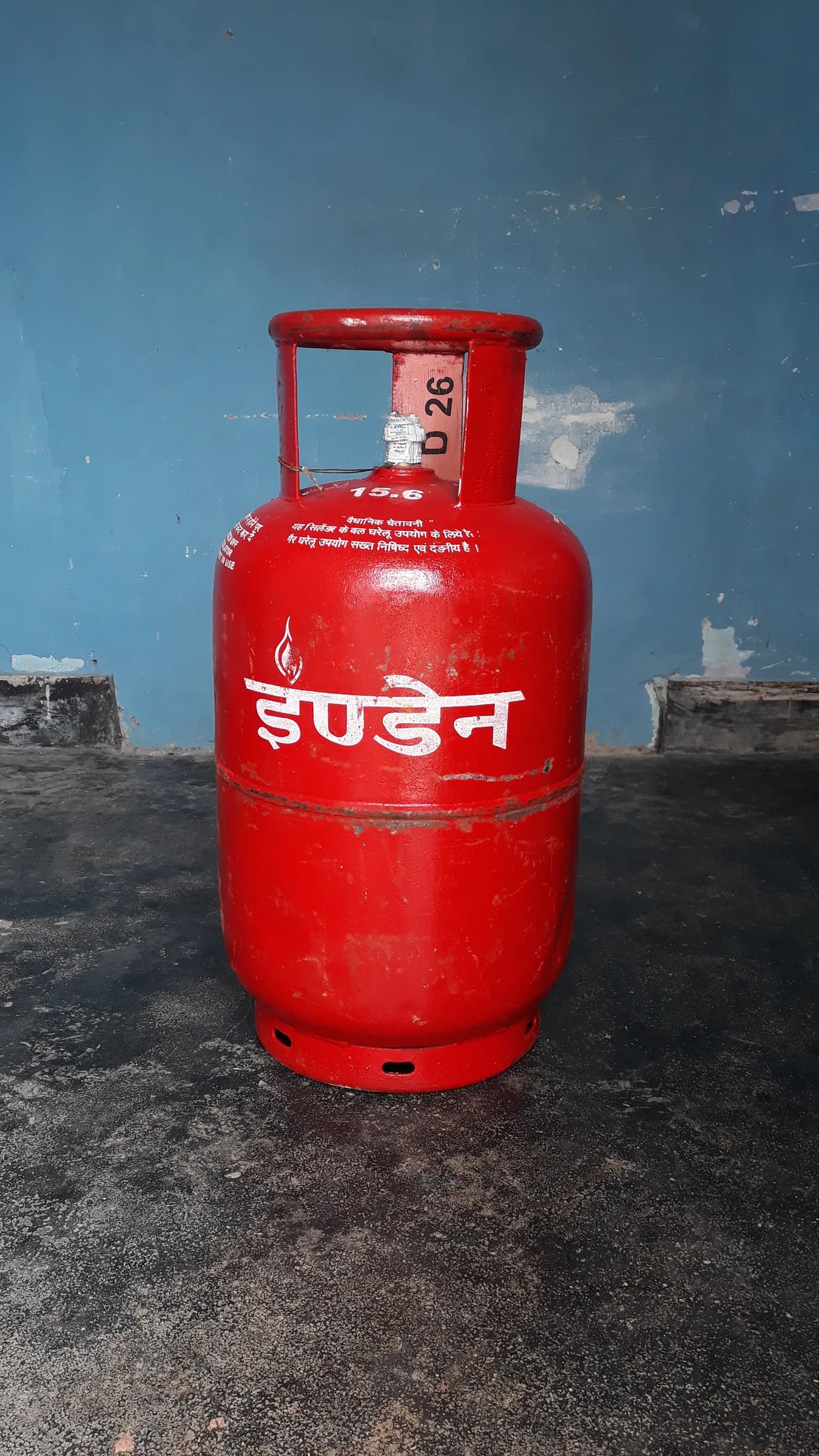
The state-run fuel retailer has launched Bharatgas Lite ZIP, a 10-kilogram fibre-composite cylinder that is about 50% lighter than a conventional steel LPG bottle, with a transparent body that lets users see gas levels without lifting it. In some areas, BPCL says orders placed through its Hello BPCL app can be delivered within four hours, a promise aimed squarely at urban consumers who value speed, mobility and predictability.
Sentiment IndicatorsⓘProprietary · adalytica.com · September 6, 2026
This is a snapshot — live sentiment, awareness and momentum for 130+ markets update continuously in the dashboard.Open AlphaPulse
That is more important than it looks. India’s LPG market is enormous, sticky and politically sensitive, but it is also increasingly a service business. A product that is easier to carry, less prone to corrosion and linked to app-based ordering gives BPCL a way to deepen customer loyalty in higher-income and convenience-driven households. It also helps reduce one of the biggest frustrations in home fuel use: running out mid-meal or waiting days for a refill.
For BPCL, the move is as much about pricing power and differentiation as it is about distribution. The company says the starting price is about 4,812 rupees, including the cylinder, gas and connection-related fees. That is a premium offering, not a mass-market one, which means the real upside lies in margin-rich urban adoption and cross-selling, not just volume growth. If execution holds, the service could help BPCL carve out a more defensive niche as customers increasingly compare oil-marketing companies on convenience, not just subsidy exposure.
The timing also fits a broader supply and market backdrop. Natural gas trade signals tracked by Adalytica.com show “extreme fear” in the sector, underscoring how sensitive energy markets remain to logistics and supply reliability. In that environment, consumer-facing assurances around home delivery and stock visibility become more valuable, especially for a fuel that households need on schedule and cannot easily substitute at the point of use.
Investors should read this as part of a larger consumer-infrastructure theme: the best energy businesses are no longer just moving molecules, they are selling reliability. BPCL’s latest offering will not move the needle overnight, but it points to where value is likely to be created next — in distribution, service quality and digitally enabled last-mile delivery. If BPCL can scale the model, the company may have found a small but meaningful way to turn a regulated commodity into a sticky premium product.
| Entity | Gains | Losses |
|---|---|---|
| BPCL | ▲Premium customer loyalty | ▼Commodity-style pricing |
| Urban LPG users | ▲Lighter cylinder, faster delivery | ▼Waiting time, refill hassle |
| Competitors | ▲Pressure to match service | ▼Differentiation advantage |
| Conventional steel-cylinder model | ▲Lower relevance | ▼Convenience-led demand |