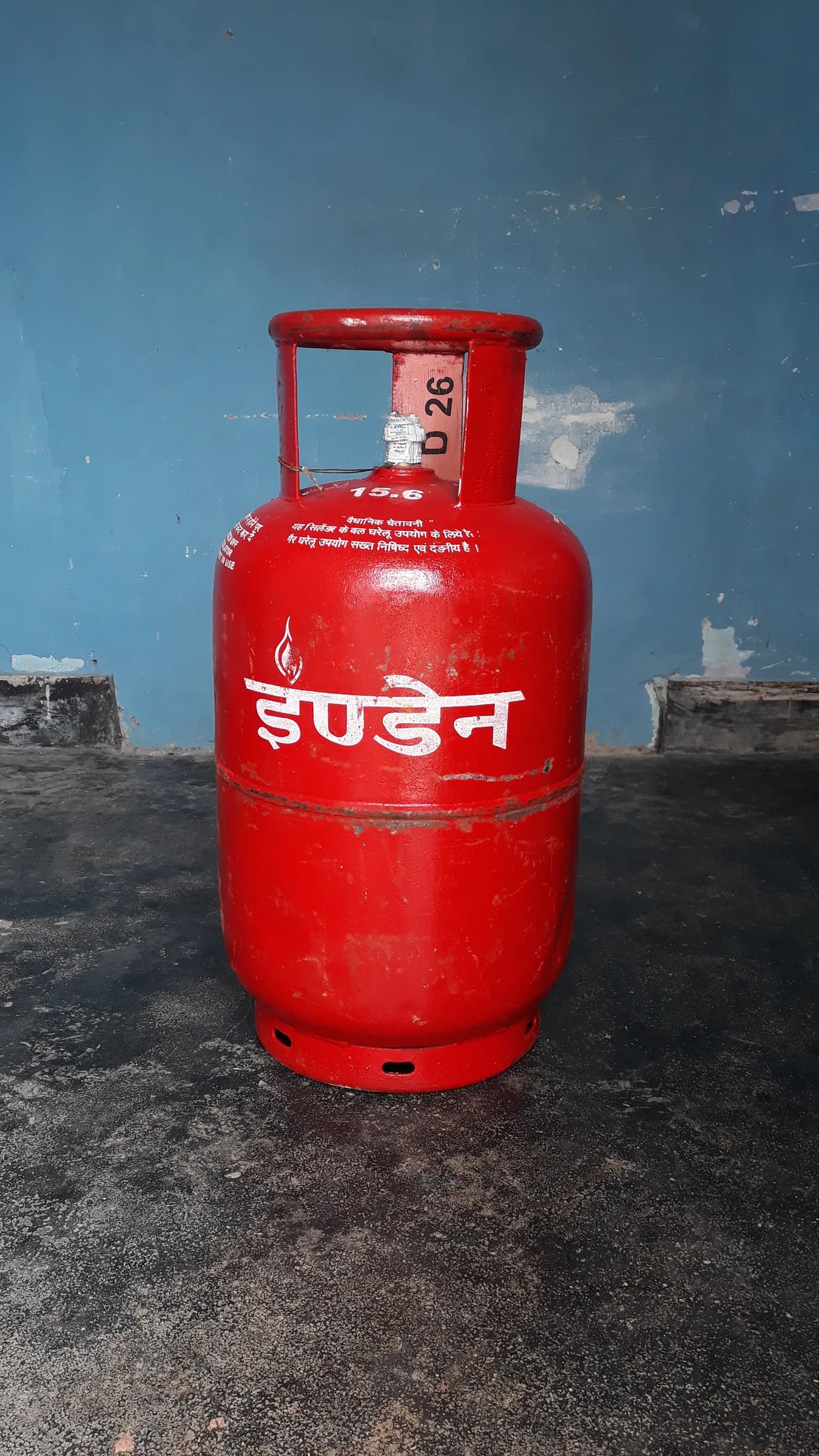
Indonesia is forcing a September 1 reset on its subsidized 3 kg LPG market, with e-KYC verification required by August 31 and unverified users at risk of temporary suspension. The move matters because the government is trying to rein in a subsidy bill that officials say could overshoot the annual quota by enough to add about Rp7 trillion to the budget burden.
Indonesia LPG subsidy reset set for September 1
The policy shift is aimed at stopping leakage in one of the country’s most politically sensitive energy subsidies. By linking cylinder access to identity verification and changing booking rules from September 1, Jakarta is signaling a tougher distribution regime designed to make sure low-income households, not better-off consumers, capture the benefit.
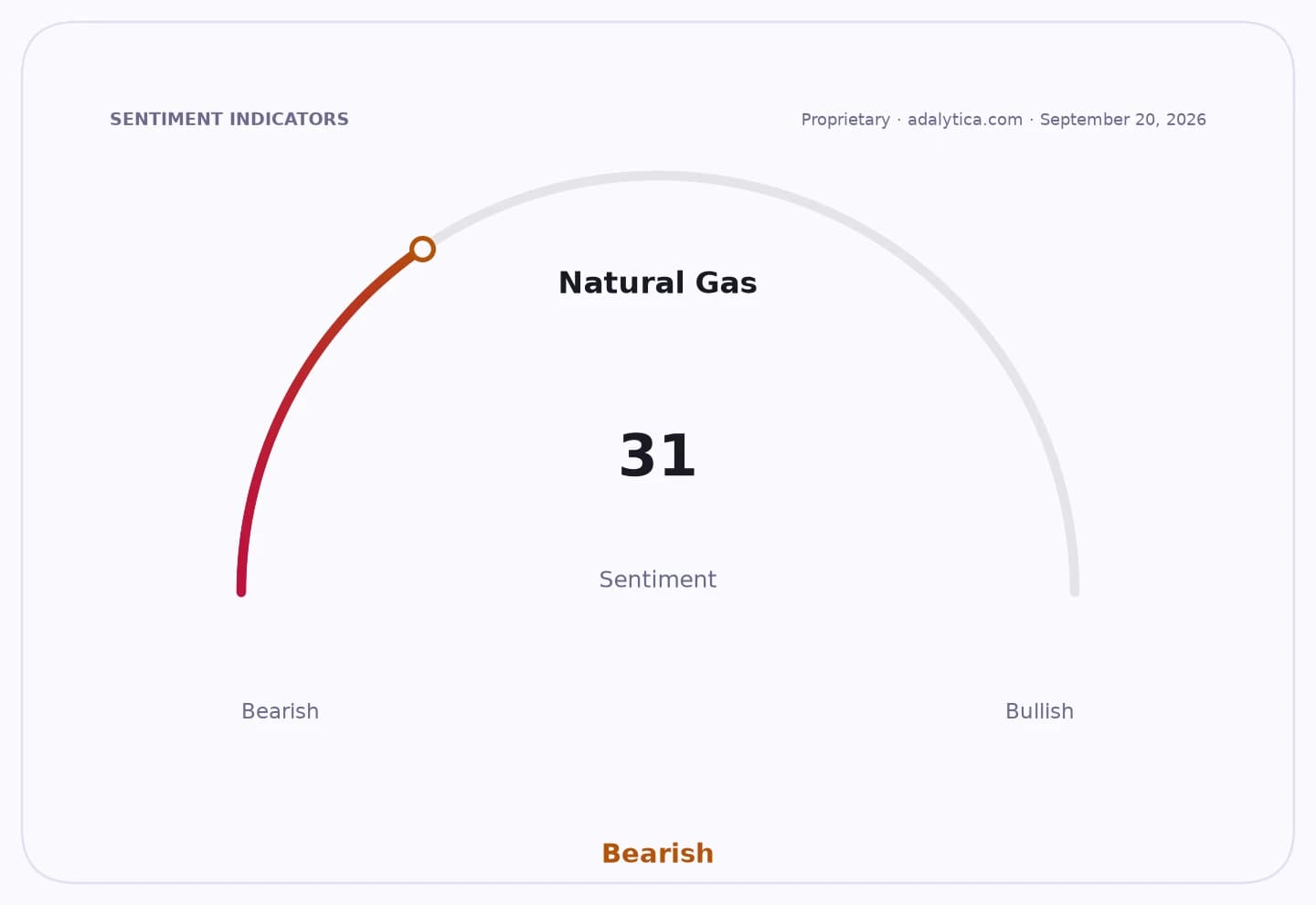
Sentiment IndicatorsⓘProprietary · adalytica.com · September 1, 2026
This is a snapshot — live sentiment, awareness and momentum for 130+ markets update continuously in the dashboard.Open AlphaPulse
That matters for investors because subsidized fuel controls can ripple through consumer spending, inflation expectations and state finances. A tighter system could reduce fiscal strain over time, but it also raises execution risk: if verification stalls or access is disrupted, households and small businesses could face short-term fuel bottlenecks and higher costs in the informal market.
The issue is especially sensitive because the 3 kg cylinder is widely used by lower-income households and micro-businesses, while authorities have been trying to curb use by consumers who are not entitled to the subsidy. Any tightening that slows distribution could briefly lift demand for alternative fuels or pressure retailers handling LPG logistics.
Adalytica’s natural gas market trade signals show fear at 18, with awareness at neutral levels, underscoring how quickly policy-driven energy headlines can swing sentiment even when the broader market impact is still developing. The next test is how smoothly the e-KYC rollout and September booking changes are implemented, and whether subsidy controls can be tightened without triggering public pushback or supply disruptions.
| Entity | Gains | Losses |
|---|---|---|
| Indonesian government | ▲Smaller subsidy leakages | ▼Higher rollout risk |
| Low-income households | ▲Better-targeted support | ▼Short-term access friction |
| Ineligible consumers | ▲Less subsidy access | ▼Higher LPG costs |
| LPG retailers/distributors | ▲Clearer rules | ▼More compliance burden |