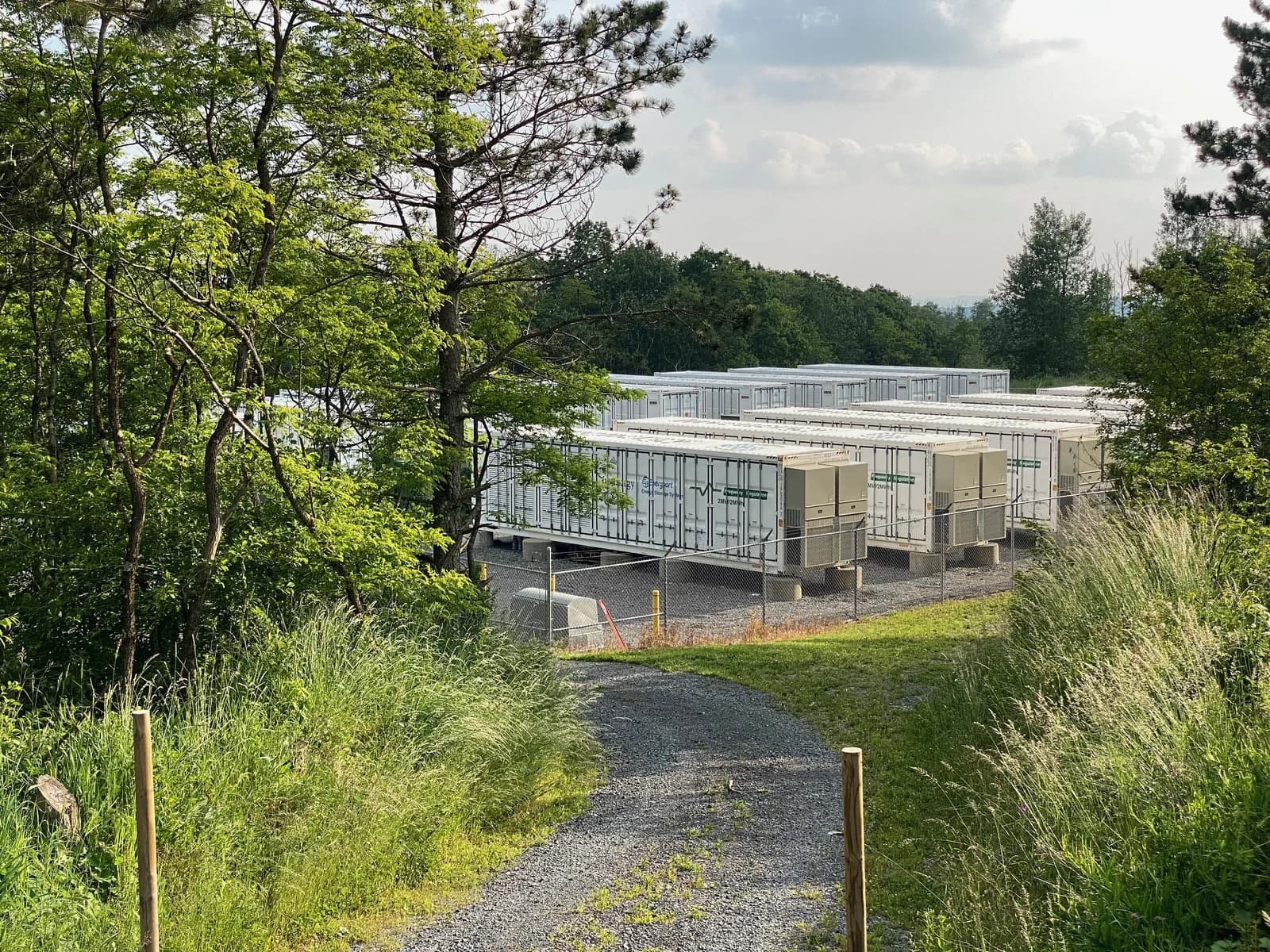
Timor-Leste has secured its first utility-scale solar and battery storage project, a landmark $85.7 million deal that could cut reliance on imported diesel and give the cash-strapped Southeast Asian nation a cleaner, more stable power supply.
Timor-Leste Secures First Solar Battery Project
The project is more than a symbolic first. For an economy that still leans heavily on fossil-fuel imports, a 73.7-megawatt solar plant paired with an 80.2-megawatt-hour battery system can shift the country’s power mix toward domestic generation and reduce exposure to fuel-price swings and supply disruptions.
Sentiment IndicatorsⓘProprietary · adalytica.com · September 18, 2026
This is a snapshot — live sentiment, awareness and momentum for 130+ markets update continuously in the dashboard.Open AlphaPulse
The transaction was backed by the International Finance Corporation, Asian Development Bank and Japan International Cooperation Agency, underscoring how multilateral lenders are still willing to crowd in capital for frontier-market infrastructure when projects are structured around long-term offtake and sovereign development goals. Electricity from the plant will be sold to state utility EDTL under a 25-year power purchase agreement, giving the project a revenue anchor that should help de-risk the investment.
Ashurst Perkins Coie advised the lenders on the financing and development package. The project was awarded to EDF power solutions, a unit of EDF Group, and I-Environment Investments Pacific, a subsidiary of ITOCHU Corp., with Manatuto Renewables Power set to operate the asset.
For investors, the deal matters because it shows that utility-scale renewables with storage can be financed in one of Asia’s smallest and least electrified markets when backed by development banks and blue-chip sponsors. The plant is expected to generate enough electricity for about 80,000 households, or roughly 400,000 people, and aligns with Timor-Leste’s goal of meeting 50% of its energy needs from renewables by 2030.
It is also Canada’s first climate-fund investment in Timor-Leste through the ADB, adding another layer of cross-border capital support. The broader signal is that solar-plus-storage remains the preferred model for grid reliability in emerging markets where intermittent generation must be paired with batteries to compete against diesel.
The next catalyst is execution: construction, grid integration and long-term operating performance will determine whether Timor-Leste’s first independent power producer project becomes a template for more clean-energy financing or just a one-off milestone.
| Entity | Gains | Losses |
|---|---|---|
| Timor-Leste / EDTL | ▲cleaner power supply | ▼diesel dependence |
| IFC / ADB / JICA | ▲climate-finance footprint | ▼frontier-market execution risk |
| EDF power solutions / ITOCHU unit | ▲long-term PPA revenue | ▼project delivery and operating risk |
| Diesel importers / fuel suppliers | ▲none | ▼lower demand |