China’s effort to build a China-ASEAN energy knowledge hub is moving from concept to deployment, with Guangxi Power Grid turning multilingual AI tools, shared training programs and joint labs into practical infrastructure for cross-border power cooperation.
Guangxi Power Grid expands China-ASEAN AI energy hub
The significance is economic as much as technological: better language and knowledge transfer can lower operating costs, speed up maintenance, improve grid reliability and make regional energy investment easier to execute. In a region where power systems are being expanded and modernized unevenly, the ability to standardize technical communication across Chinese, Lao, Vietnamese and English could become a real competitive advantage.
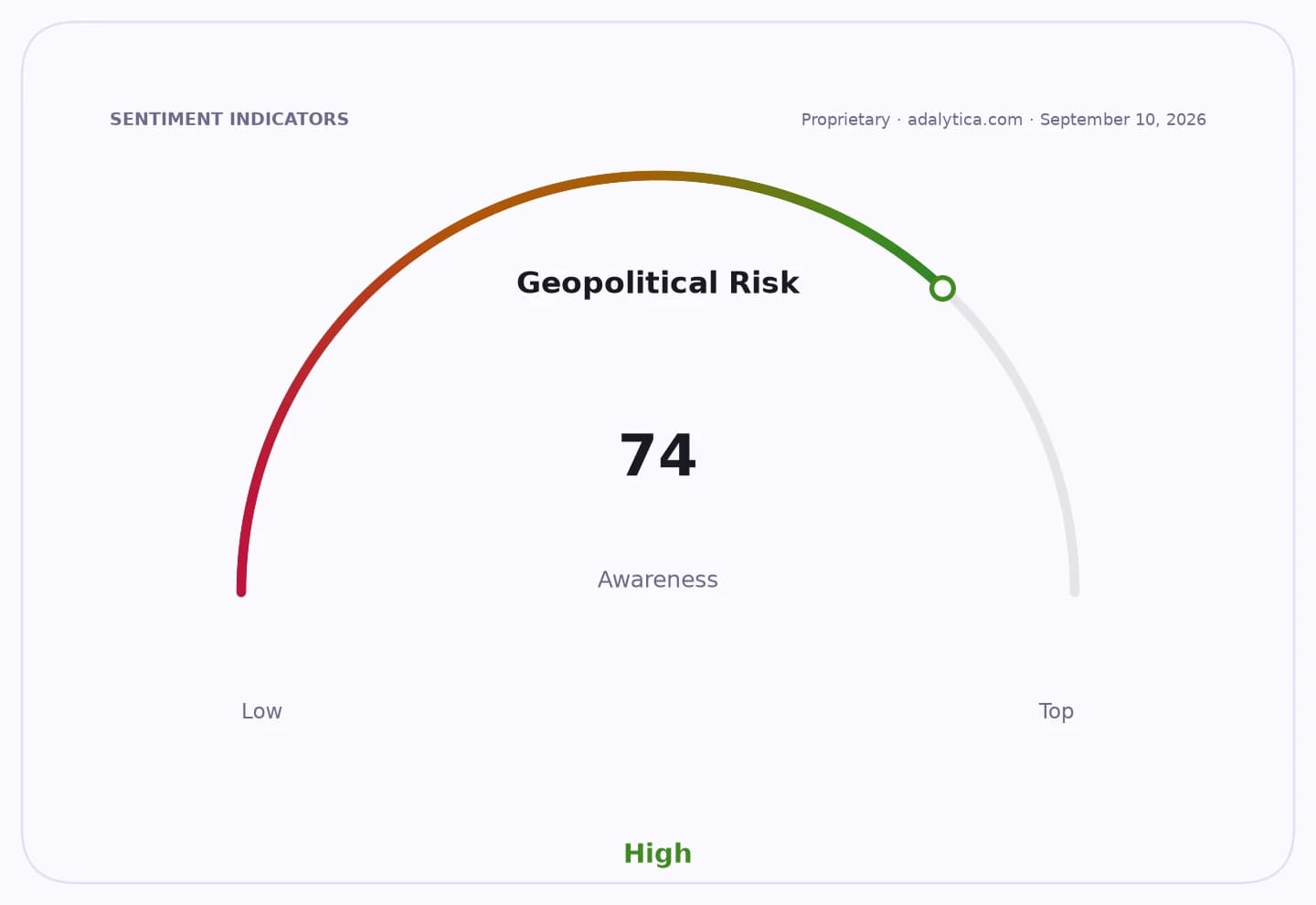
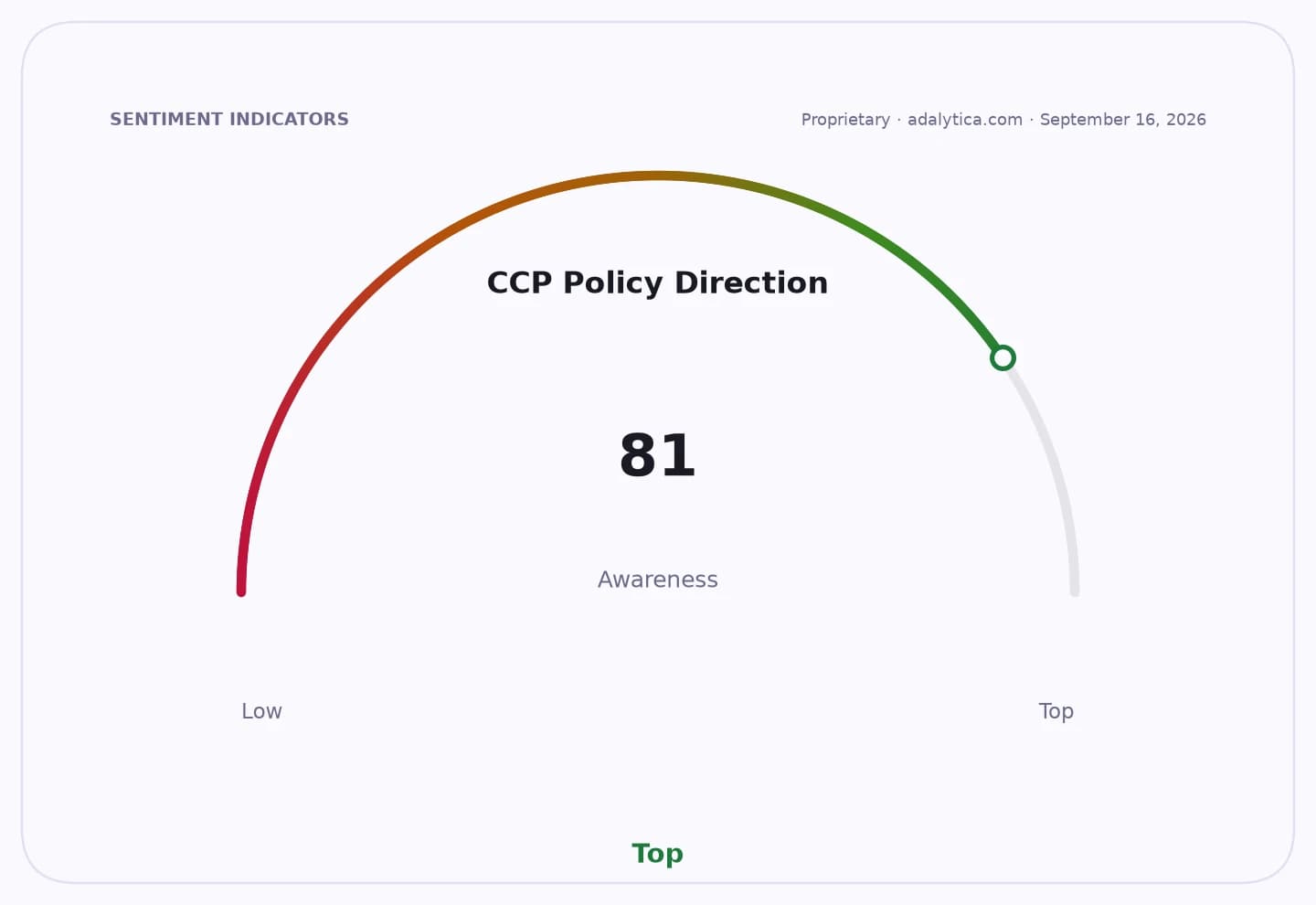
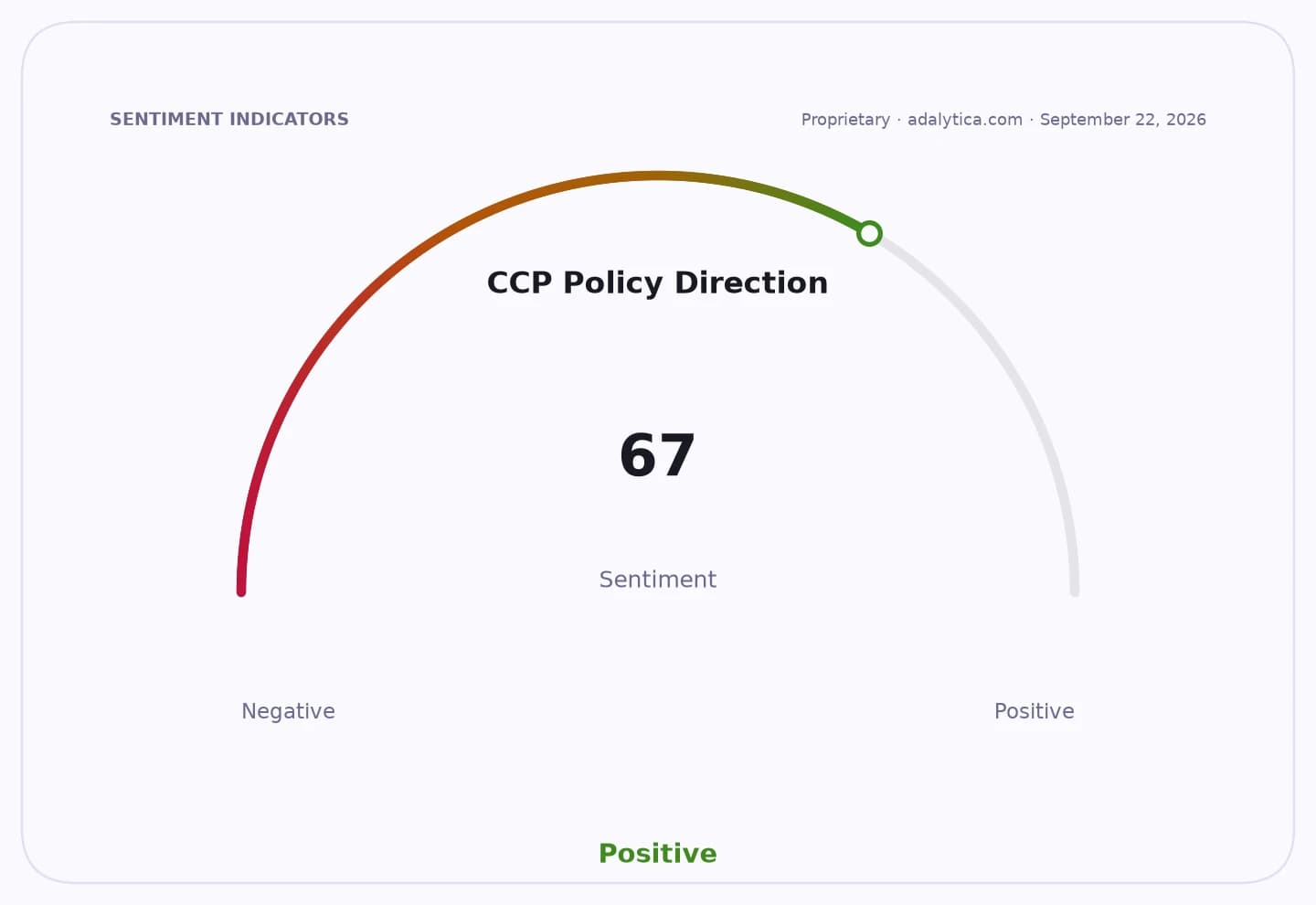
Sentiment IndicatorsⓘProprietary · adalytica.com · September 25, 2026
This is a snapshot — live sentiment, awareness and momentum for 130+ markets update continuously in the dashboard.Open AlphaPulse
At the center of the initiative is a Lao-language large language model already deployed at Electricité du Laos Transmission Company Limited, where it analyzed 26,000 drone inspection images and identified more than 3,600 equipment defects after being tuned for Laos’ mountainous and rainforest terrain. That is the kind of operational use case that matters to utilities and investors alike: it points to lower inspection costs, faster fault detection and potentially fewer outages in difficult-to-access networks.
Guangxi Power Grid is also building multilingual professional corpora for the power sector across Laos, Vietnam and Malaysia, using its DaWatt foundation model to tailor energy applications to local languages and field conditions. In parallel, the company has developed an AI translation platform backed by terminology for more than 1,800 types of power equipment, supporting Chinese-English, Chinese-Lao and Chinese-Vietnamese translation. For engineers, that reduces friction in technical exchanges; for project sponsors, it reduces the risk of miscommunication in equipment installation, training and maintenance.
The effort has an important human-capital dimension. The China-ASEAN Institute of Energy, set up by Guangxi Power Grid and Guangxi University, has enrolled 53 students from ASEAN countries in two cohorts and is exploring postgraduate programs with regional universities. That matters because energy cooperation in Southeast Asia has long been constrained not just by financing and infrastructure gaps, but by a shortage of locally trained technical talent capable of operating increasingly digital grids.
The push is also broadening beyond training into joint innovation. Guangxi Power Grid and Cambodia’s Royal Academy have created a laboratory focused on artificial intelligence and safety equipment, while the company is working with Electricité du Laos on improving supply reliability. That suggests the relationship is evolving from one-way technology transfer toward co-development, which is a more durable model for regional cooperation and a better fit for the China-ASEAN Free Trade Area 3.0 agenda.
For investors, the broader takeaway is that Chinese power and digital infrastructure firms are trying to export not just hardware, but knowledge services and software-enabled operating models. Guangxi’s “Token Goes Global” plan, with computing resources and models based in Guangxi and knowledge delivered overseas, hints at a potential regional business model built around AI services for utilities rather than traditional equipment sales alone. If it works, the beneficiaries could include grid technology providers, digital infrastructure suppliers and utilities in ASEAN seeking cheaper, faster modernization.
The bull case is that this creates a scalable template for Chinese firms to deepen their presence in Southeast Asia while solving real operational pain points. The bear case is that adoption may remain uneven if local utilities lack funding, data quality or regulatory alignment, or if geopolitical frictions slow technology sharing. Still, the direction of travel is clear: China and ASEAN are building a more integrated energy ecosystem, and the winners will be those that can turn cross-border cooperation into measurable gains in reliability, efficiency and speed of deployment.
| Entity | Gains | Losses |
|---|---|---|
| Guangxi Power Grid | ▲Regional reach | ▼Pure hardware model |
| ASEAN utilities | ▲Lower inspection costs | ▼Manual workflows |
| ASEAN students/engineers | ▲Skills transfer | ▼Language barriers |
| Competing Western vendors | ▲— | ▼Localized China-led edge |