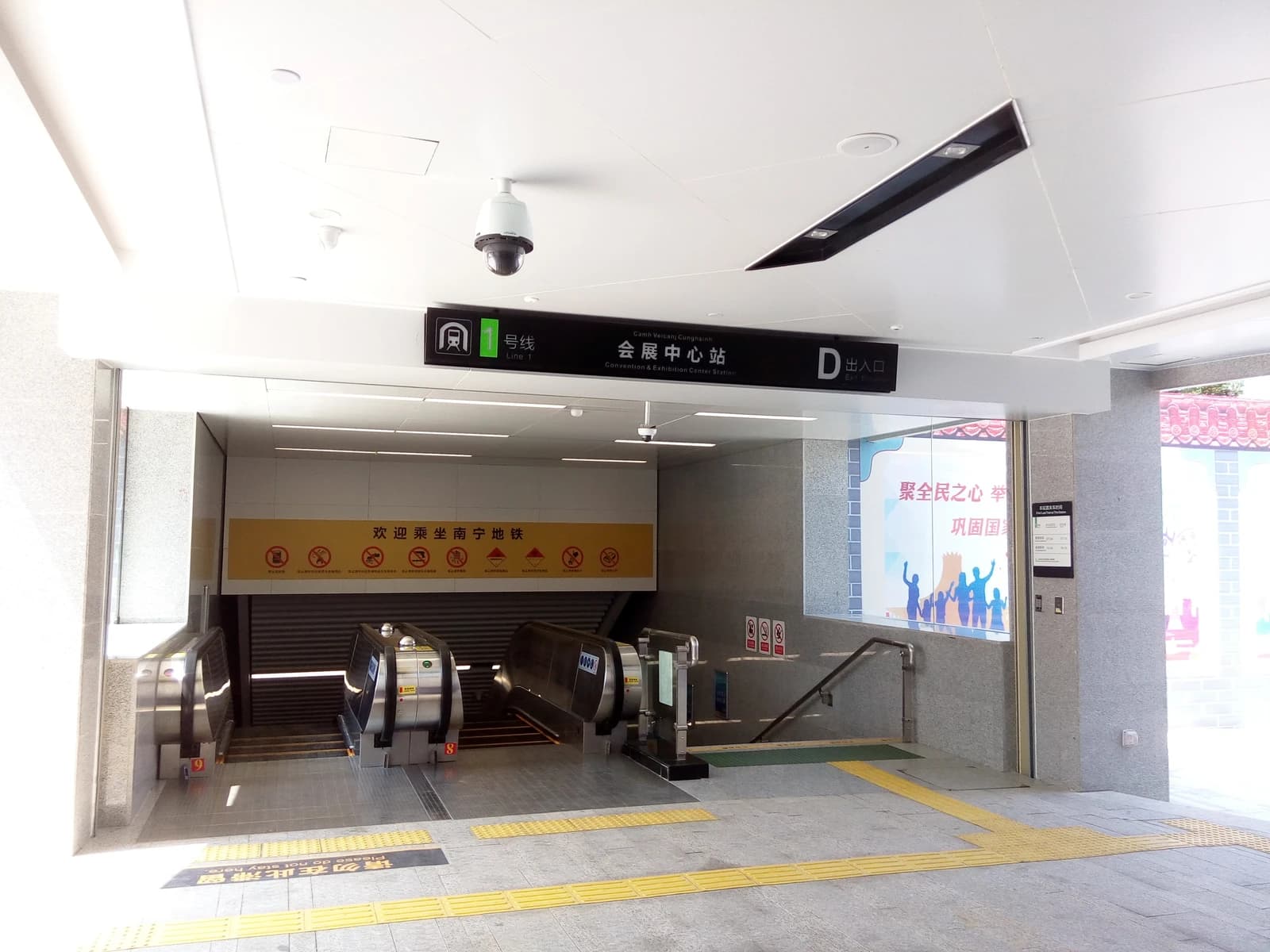
China has opened the Pinglu Canal in Guangxi, a major inland waterway project that is expected to give the country’s southwest its shortest maritime link to ASEAN markets and add another logistical channel at a time of strained US-China trade relations.
China opens Pinglu Canal for ASEAN trade
The opening matters because it is not just a regional infrastructure milestone. It is part of Beijing’s broader effort to reroute trade flows, deepen economic integration with Southeast Asia and reduce reliance on transport corridors that are more exposed to geopolitical pressure. The canal also gives southern China a lower-friction export path into Vietnam and the wider ASEAN bloc, where trade growth has become increasingly central to China’s external demand strategy.
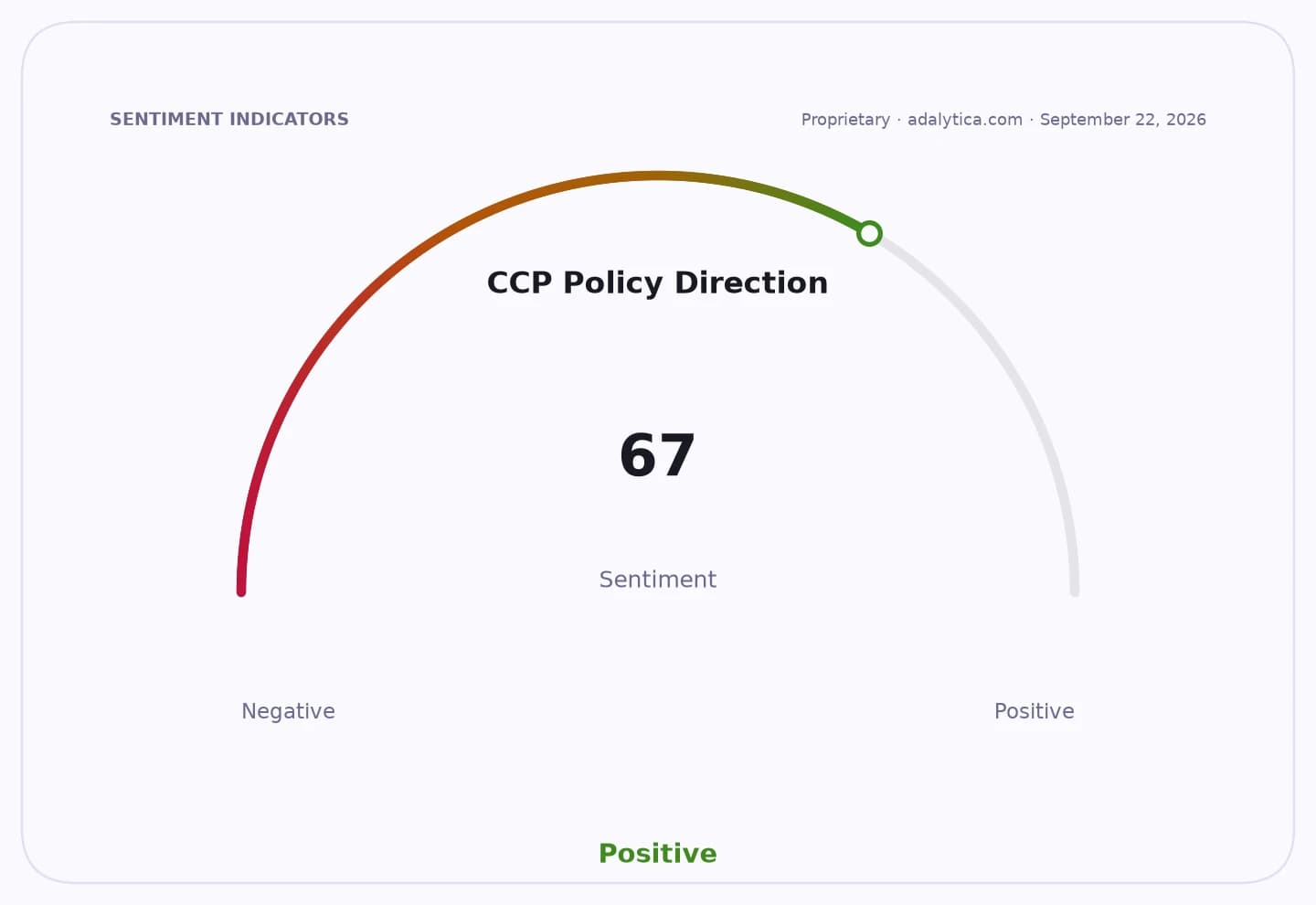
Sentiment IndicatorsⓘProprietary · adalytica.com · September 22, 2026
This is a snapshot — live sentiment, awareness and momentum for 130+ markets update continuously in the dashboard.Open AlphaPulse
On its first day of operation, the route was used for the international trade service from Nanning to Can Tho in Vietnam, underscoring that the project is being positioned for live commerce rather than symbolic use. Guangxi sits at the gateway to mainland Southeast Asia, and the canal is intended to shorten shipping times and lower inland-to-coast logistics costs for factories and traders across China’s southwest, a region that has been looking for faster access to maritime freight networks.
That matters economically because logistics are often as important as tariffs. A more efficient route can improve the competitiveness of Chinese exports in ASEAN, support the movement of industrial goods and agricultural products, and strengthen supply-chain links between western China and Vietnam, one of the region’s fastest-growing manufacturing hubs. It also fits Beijing’s long-running push to push more development inland, where infrastructure can unlock trade in provinces far from China’s traditional east-coast export base.
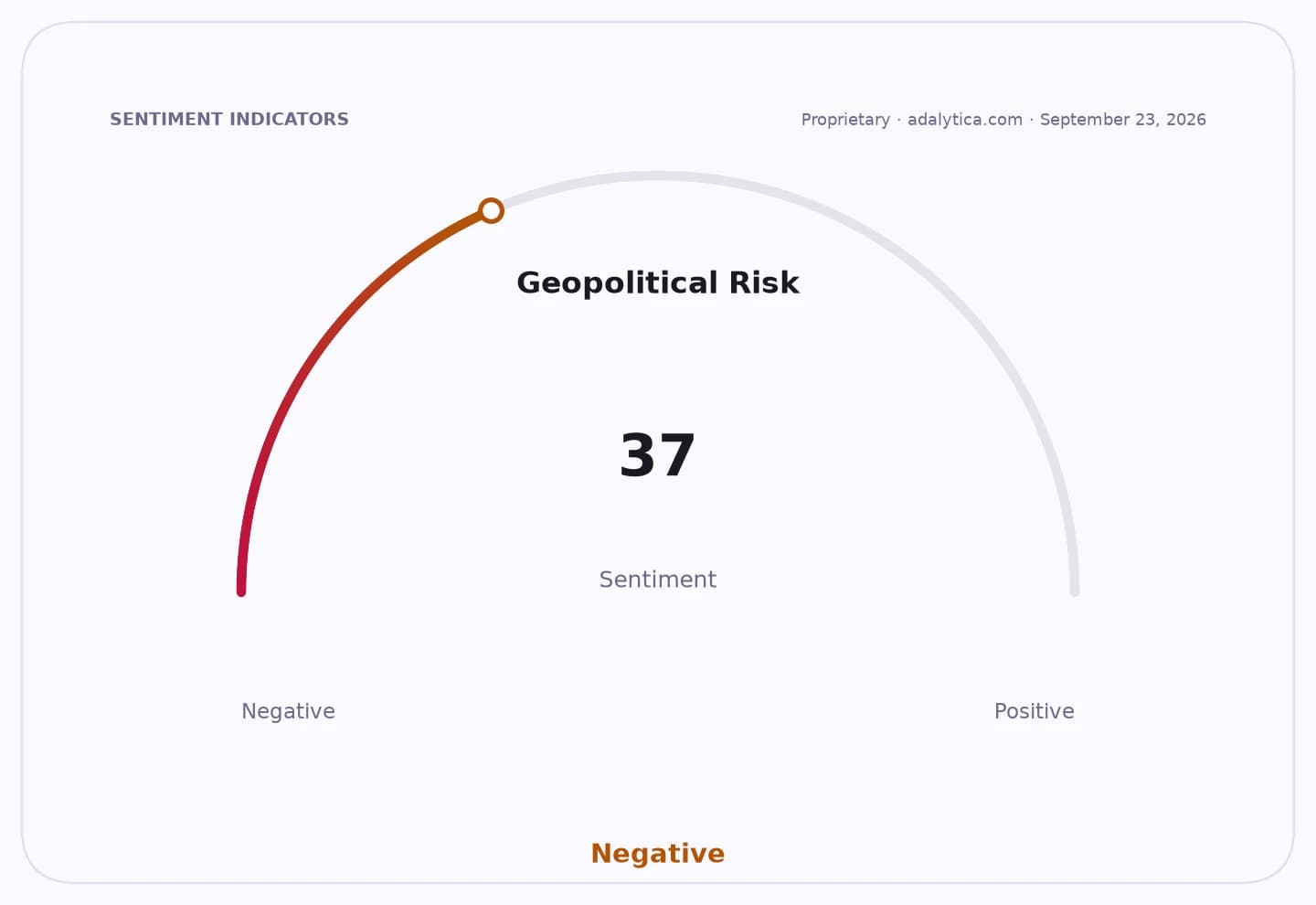
For investors, the canal is a reminder that China’s trade strategy is becoming more diversified even as relations with Washington remain unsettled. The latest policy backdrop shows the two economies still trying to manage tensions without resolving them, which increases the value of regional trade corridors that are less exposed to US-China friction. That helps explain why markets have been watching China’s ASEAN links as closely as its bilateral talks with the US.
The infrastructure build-out also has implications for sectors tied to freight, ports, industrial parks and cross-border manufacturing along the China-Vietnam corridor. Companies with exposure to regional shipping volumes, warehousing and trade finance could benefit if the canal succeeds in pulling more cargo through Guangxi. The larger test will be whether the route can sustain commercial traffic beyond the launch phase and whether shippers actually shift away from existing coastal alternatives.
For now, the Pinglu Canal is best understood as a strategic trade asset: a physical link that supports China’s diversification away from overdependence on any single external market while tightening its economic ties with ASEAN. If traffic ramps as planned, it could become one of the clearest examples of how Beijing is using infrastructure to shape trade geography as much as trade policy.
| Entity | Gains | Losses |
|---|---|---|
| China’s southwest exporters | ▲Shorter ASEAN access | ▼Longer coastal routing |
| Guangxi and Nanning | ▲Trade hub status | ▼Peripheral logistics role |
| Vietnam and ASEAN importers | ▲Faster China supply access | ▼Less efficient sourcing paths |
| US-China trade channel | ▲— | ▼Relative importance in China trade mix |