Vietnam’s top leader is heading to the U.S. and Canada this week as Hanoi pushes to deepen ties with two major Western economies at a moment when trade friction, supply-chain realignment and competition over semiconductors and AI are reshaping Asia-Pacific commerce.
Vietnam leader visits U.S. and Canada for trade ties
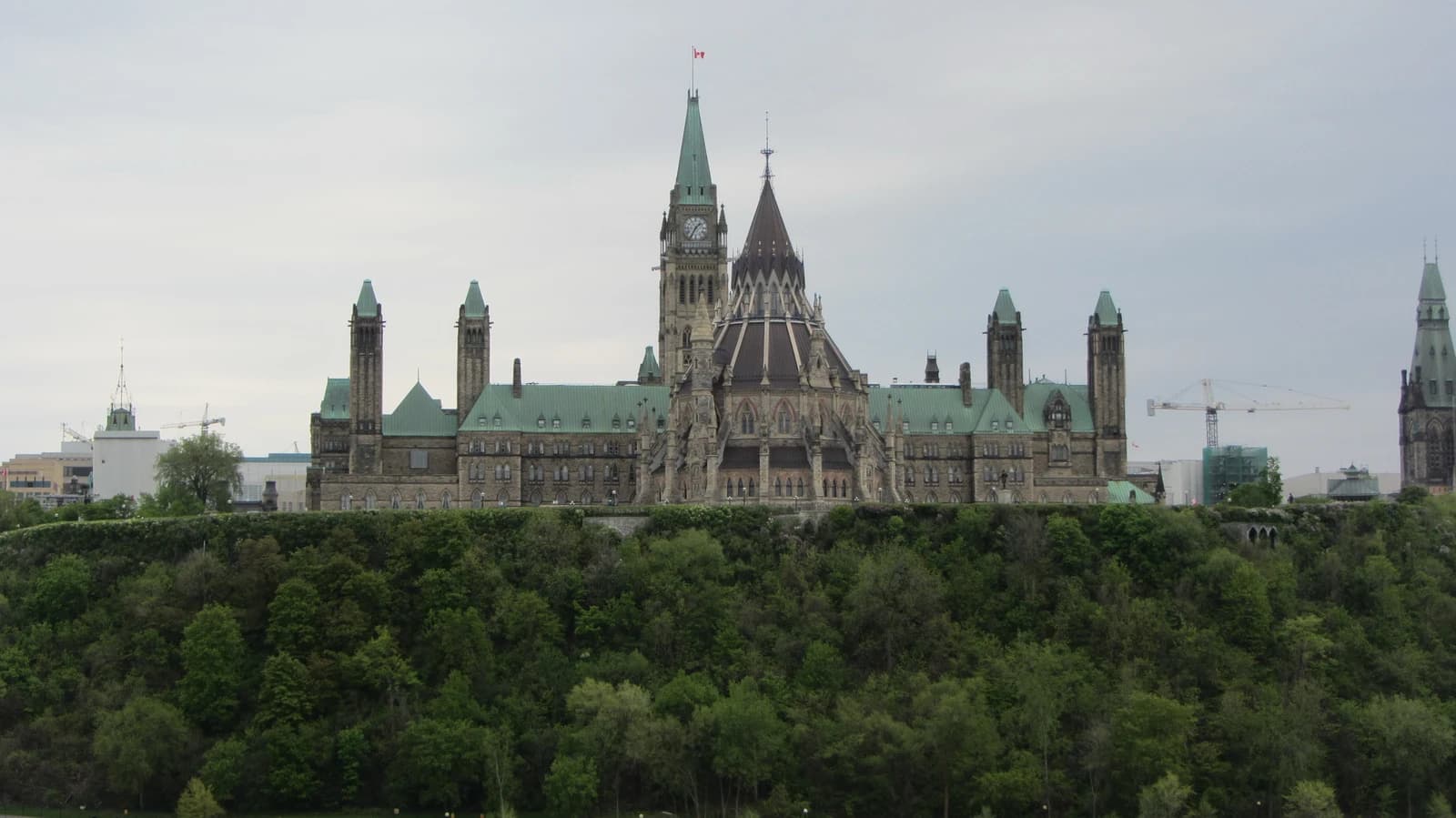
General Secretary and President Tô Lâm will attend the U.N. General Assembly in New York, hold bilateral meetings in the U.S. and make a state visit to Canada from Sept. 20 to 25, Vietnam’s foreign ministry said. The trip is his first to the U.N., the U.S. and Canada since Vietnam completed its latest political cycle, and officials are using it to signal continuity in foreign policy while seeking stronger economic and strategic links.
Sentiment IndicatorsⓘProprietary · adalytica.com · September 21, 2026
This is a snapshot — live sentiment, awareness and momentum for 130+ markets update continuously in the dashboard.Open AlphaPulse
The timing matters because Vietnam is trying to secure a bigger role in global manufacturing and technology supply chains just as Washington and Ottawa seek to reduce exposure to geopolitical risk. The agenda includes trade, investment, post-war remediation with the U.S., and new areas such as science and technology, innovation, semiconductors, artificial intelligence, energy transition and high-quality labor.
For investors, that makes the visit relevant well beyond diplomacy. Vietnam has become a key beneficiary of supply-chain diversification, and closer ties with the U.S. and Canada could support cross-border investment, technology transfer and market access at a time when tariffs and trade disputes are weighing on North American business sentiment. Apple and Tesla, both exposed to tariff risk in their supply chains and operating costs, have highlighted how fast-changing trade policy can affect margins and demand.
The U.S. leg is meant to reinforce the comprehensive strategic partnership and expand cooperation in areas that matter for long-term competitiveness. Hanoi said both sides want to discuss issues of “strategic and long-term significance,” a signal that the relationship is moving further into areas tied to future growth rather than just legacy diplomacy.
The Canada stop is equally important. Vietnam says the visit will open a “more strategic and comprehensive” phase in the relationship, building on growing trade, investment and education links and aligning with Ottawa’s push to diversify markets and deepen Indo-Pacific engagement. Both sides are also looking at cleaner energy, semiconductors and artificial intelligence as potential growth engines.
At the U.N., Vietnam will use the platform to underline its support for multilateralism and international law, while pointing to its recent diplomatic profile, including work on cybercrime cooperation and human-rights and maritime roles at the U.N. That broader message is aimed at showing Vietnam as a reliable partner in a more fragmented world.
The key investor takeaway is that Hanoi wants to turn diplomatic momentum into economic gains. If the trip produces concrete commitments on technology, investment or market access, it could reinforce Vietnam’s positioning as a regional manufacturing and innovation hub even as trade tensions between the U.S. and Canada add volatility to North American markets.
| Entity | Gains | Losses |
|---|---|---|
| Vietnam | ▲More investment and tech access | ▼Dependence on any single market |
| U.S. firms | ▲Better supply-chain diversification | ▼Tariff and policy uncertainty |
| Canada | ▲Stronger Indo-Pacific links | ▼Limited leverage if trade frictions persist |
| Exporters tied to tariffs | ▲Potential new openings in Vietnam | ▼Higher costs and margin pressure |