Vietnam is using a symbolic diplomatic moment in Algeria to reinforce a relationship that it sees as strategically useful well beyond ceremony: a political bridge to North Africa, a wider platform for cooperation among ruling parties, and a channel for trade and state-to-state engagement.
Vietnam Algeria ties deepen through ruling-party meeting
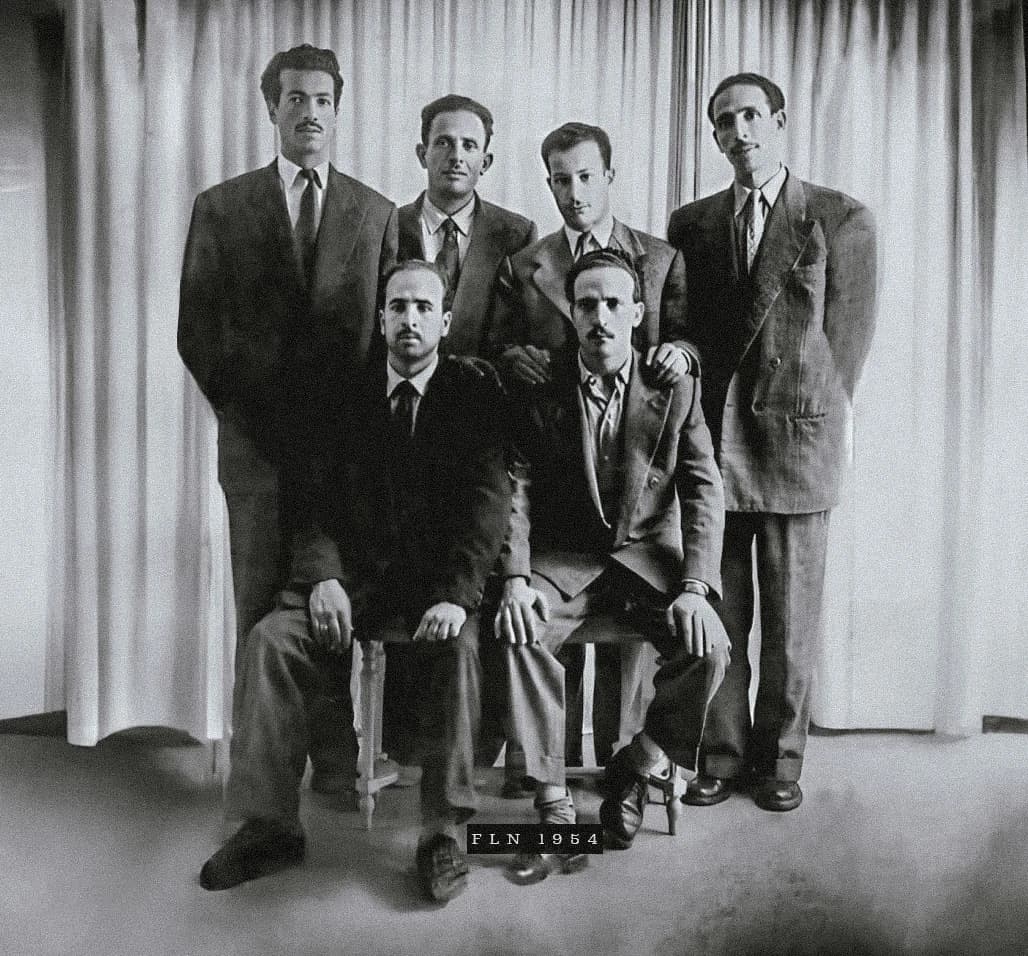
The meeting in Algiers between Vietnamese Ambassador Vu Duy Long and Abdelkrim Benmbarek, general secretary of Algeria’s National Liberation Front, was framed around history, but the economic and political significance lies in what such party-to-party ties can unlock now. For Vietnam, building tighter links with Algeria strengthens its outreach to a resource-rich, strategically positioned economy in the Mediterranean and gives Hanoi another foothold as it broadens partnerships across the developing world.
Benmbarek called the Vietnam-Algeria relationship and the ties between the two ruling parties historically deep, forged in anti-colonial struggle, and said both sides should keep expanding friendship and cooperation under an existing cooperation agreement. That matters because in markets like Algeria, political trust often determines whether commercial ties can scale. Business links, state contracts and investment flows tend to follow institutional comfort first, especially where governments and ruling parties still shape the pace of reform.
For investors, the story is less about an immediate market reaction than about the long arc of Vietnam’s external strategy. Hanoi is steadily trying to convert diplomatic goodwill into broader international leverage, alongside a more visible role in multilateral forums and peacekeeping. That improves Vietnam’s profile as a stable, reliable partner for countries seeking industrial goods, agricultural imports, engineering services and technology transfer.
The ambassador also pointed to Vietnam’s post-congress development orientation and urged more information-sharing, party exchanges and implementation of the bilateral cooperation agreement. In practical terms, that is the kind of groundwork that can support future visits, procurement relationships and sector-level deals. If the political channel keeps opening, the next beneficiaries are likely to be Vietnamese exporters, logistics players and firms positioned for frontier-market expansion.
The immediate catalyst is diplomatic, but the investable narrative is broader: Vietnam is continuing to build a network of political relationships that can support trade diversification and geopolitical resilience. In a world of fractured supply chains and shifting alliances, those ties are a quiet but meaningful advantage.
| Entity | Gains | Losses |
|---|---|---|
| Vietnam | ▲Broader diplomatic reach | ▼None immediate |
| Algeria’s FLN | ▲Political legitimacy and external ties | ▼Less isolation |
| Vietnamese exporters | ▲Better market access prospects | ▼Waiting for deals |
| Rival frontier exporters | ▲Vietnam’s preferred-partner edge | ▼Relative share of attention |