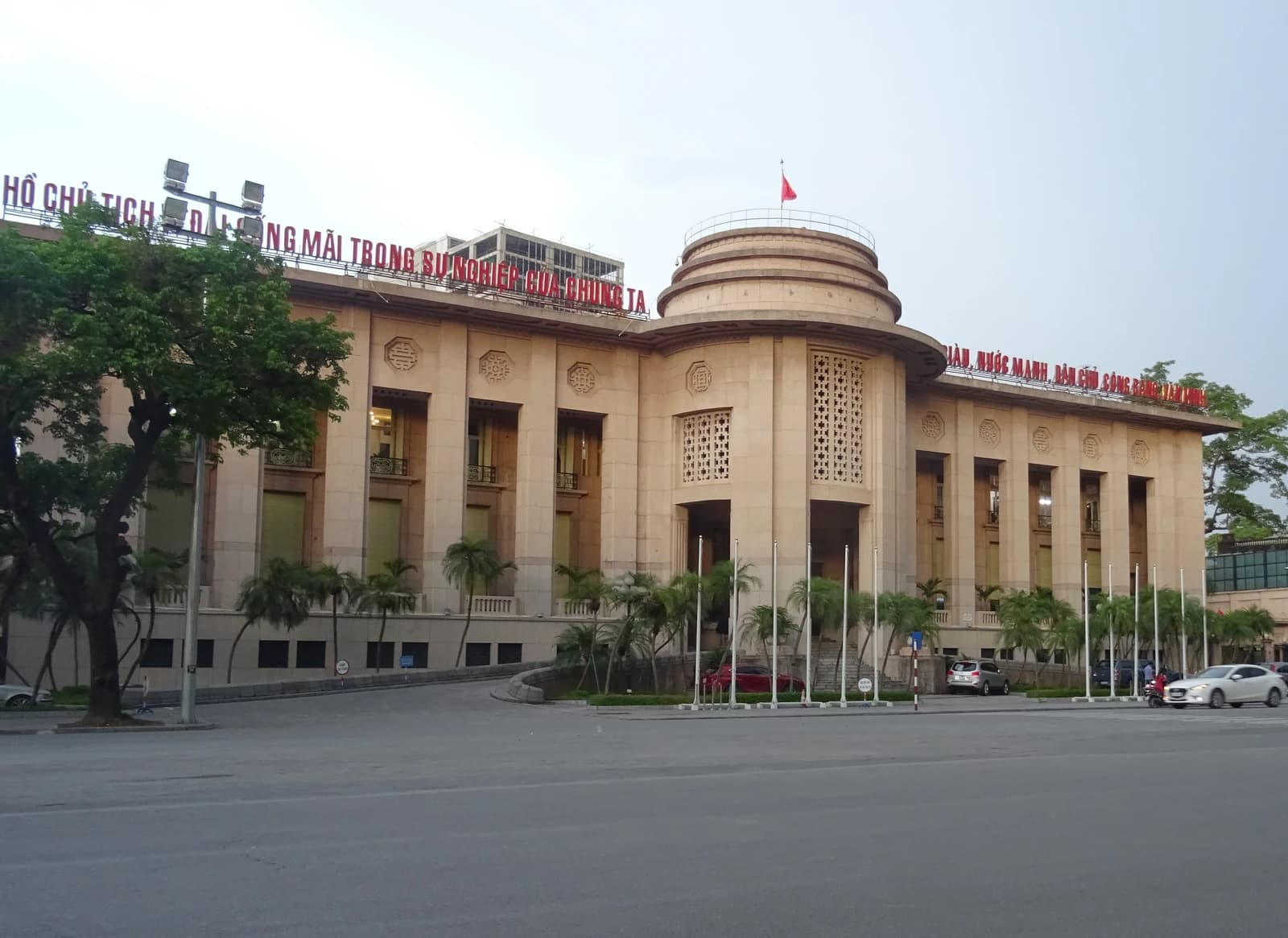
Vietnam’s long-awaited upgrade by FTSE Russell from frontier market to emerging market is a major structural win for investors because it raises the country’s profile just as its capital markets are being reshaped for deeper foreign participation.
Vietnam Market Gets FTSE Russell Emerging Status
For long-term investors, that matters more than the headline itself. Index upgrades are not just about bragging rights; they can change who is allowed to own a market, how much capital it attracts and how cheaply companies can fund growth. FTSE Russell said the change will take effect on Sept. 21, 2026, giving market participants nearly a year to prepare for what could become a new phase for Vietnamese equities.
Sentiment IndicatorsⓘProprietary · adalytica.com · September 21, 2026
This is a snapshot — live sentiment, awareness and momentum for 130+ markets update continuously in the dashboard.Open AlphaPulse
JICA called the move the result of years of reform by the Vietnamese government, the finance ministry and the State Securities Commission, and that is the real story here. Emerging-market status is usually earned through incremental but important improvements: better transparency, easier access for investors, stronger regulation and more reliable market plumbing. Vietnam’s upgrade suggests those pieces are finally coming together.
That matters economically because a more credible market can support a lower cost of capital for local companies and a stronger pipeline of equity financing. It also arrives at a time when Vietnam is trying to pull more trade, manufacturing and supply-chain investment into the economy. A market that international funds can access more confidently tends to reinforce that broader growth model.
The reaction in related assets shows how investors are already positioning around the idea of greater global participation. The VanEck Vietnam ETF, which tracks Vietnamese equities, has been volatile but remained above its summer lows, while the U.S. dollar has strengthened sharply in Adalytica’s trade signals, a reminder that currency conditions and cross-border capital flows can still shape how much benefit Vietnam ultimately captures. For Vietnam itself, the upgrade is a reminder that credibility can be a capital-market catalyst.
JICA’s role also matters because it highlights something investors often overlook: market development is not only about valuations and liquidity, but about institutions. The agency said it has supported Vietnam through policy dialogue, technical cooperation, training and market reforms for decades, including work on fairness, transparency and investor protection. That kind of infrastructure does not produce instant results, but it is exactly what allows a market to move from “emerging” in name to “investable” in practice.
There are risks, of course. Re-ratings do not automatically translate into sustained foreign inflows, and market access reforms can take time to filter through to liquidity and corporate earnings. But in a world where global investors are constantly searching for growth outside the crowded U.S. market, an upgraded Vietnam stands out as a potentially durable beneficiary of portfolio reallocation.
For investors, the takeaway is simple: Vietnam is no longer just a frontier-market story. It is becoming a more mainstream destination for global capital, and that can be powerful over a three- to 10-year horizon. The move is worth watching closely, especially for diversified investors looking for long-term exposure to Asia’s next layer of growth.
| Entity | Gains | Losses |
|---|---|---|
| Vietnam market | ▲More foreign capital | ▼Frontier-market discount |
| Vietnamese companies | ▲Easier funding access | ▼Higher reporting pressure |
| Global investors | ▲Broader investable universe | ▼Less cheap mispricing |
| Frontier-market peers | ▲Benchmark for reform | ▼Relative attention |