Vietnam’s dong has stayed unusually steady this year even as the country ran a trade deficit of more than $20 billion and the U.S. Federal Reserve kept rates elevated, a sign that investors should pay more attention to capital flows and interest-rate differentials than to trade data alone.
Vietnam dong steady despite trade deficit and Fed
That is the key message from United Overseas Bank, which argues the VND’s resilience reflects a broader balance-of-payments story. The currency has gained about 1% against the dollar since the start of the year, with USD/VND trading around 26,000 after ending last year near 26,300. For long-term investors, that matters because exchange-rate stability can support imported inflation control, corporate planning and foreign capital inflows into one of Asia’s fastest-growing manufacturing hubs.
Sentiment IndicatorsⓘProprietary · adalytica.com · September 23, 2026
This is a snapshot — live sentiment, awareness and momentum for 130+ markets update continuously in the dashboard.Open AlphaPulse
The trade numbers on their own look uncomfortable. In the first seven months of the year, Vietnam’s imports rose 34.8% from a year earlier to $340.1 billion, leaving the country with a trade deficit of $20.5 billion versus a $10.4 billion surplus in the same period last year. Much of that gap came from energy and investment-related imports rather than pure consumer demand: refined fuel import volumes rose just 6%, but the value jumped 67.6%, while machinery and equipment purchases climbed as the government pushed infrastructure investment.
UOB’s point is that currencies are rarely driven by one line in the trade balance. Foreign direct investment remains a crucial counterweight, with realized FDI in the first eight months reaching about $17.3 billion, up 12% year on year and the highest on record for that period. In other words, dollars are still flowing into Vietnam through factories, projects and supply chains even as more dollars leave to pay for imported fuel and capital goods.
The local interest-rate backdrop is helping too. UOB says Vietnamese dong deposit rates have risen while USD deposits inside the country still pay 0%, widening the incentive to hold VND rather than speculate on the dollar. That has encouraged some households and companies to convert dollar holdings into dong deposits, adding what the bank described as several billion dollars of support to the currency market.
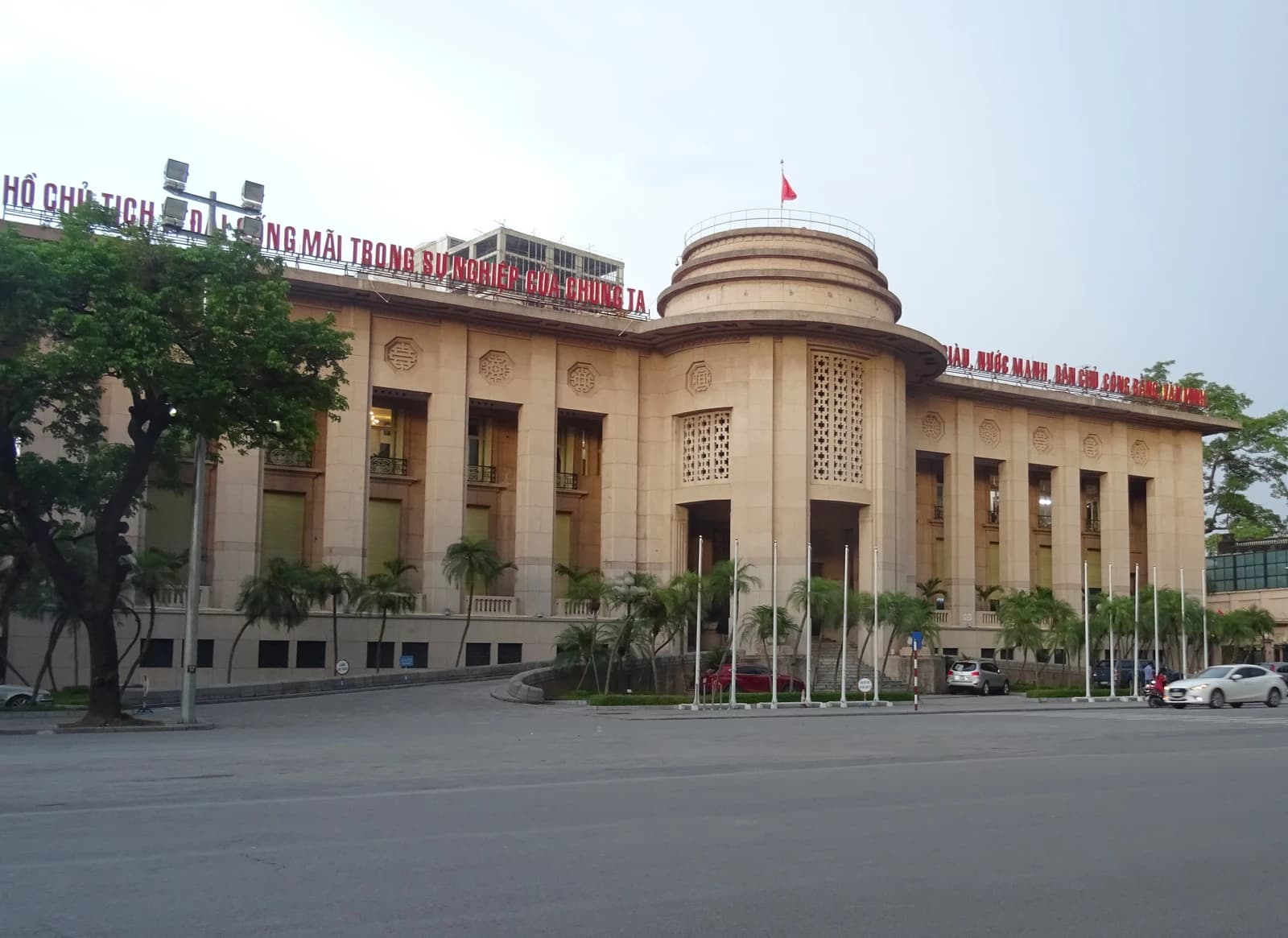
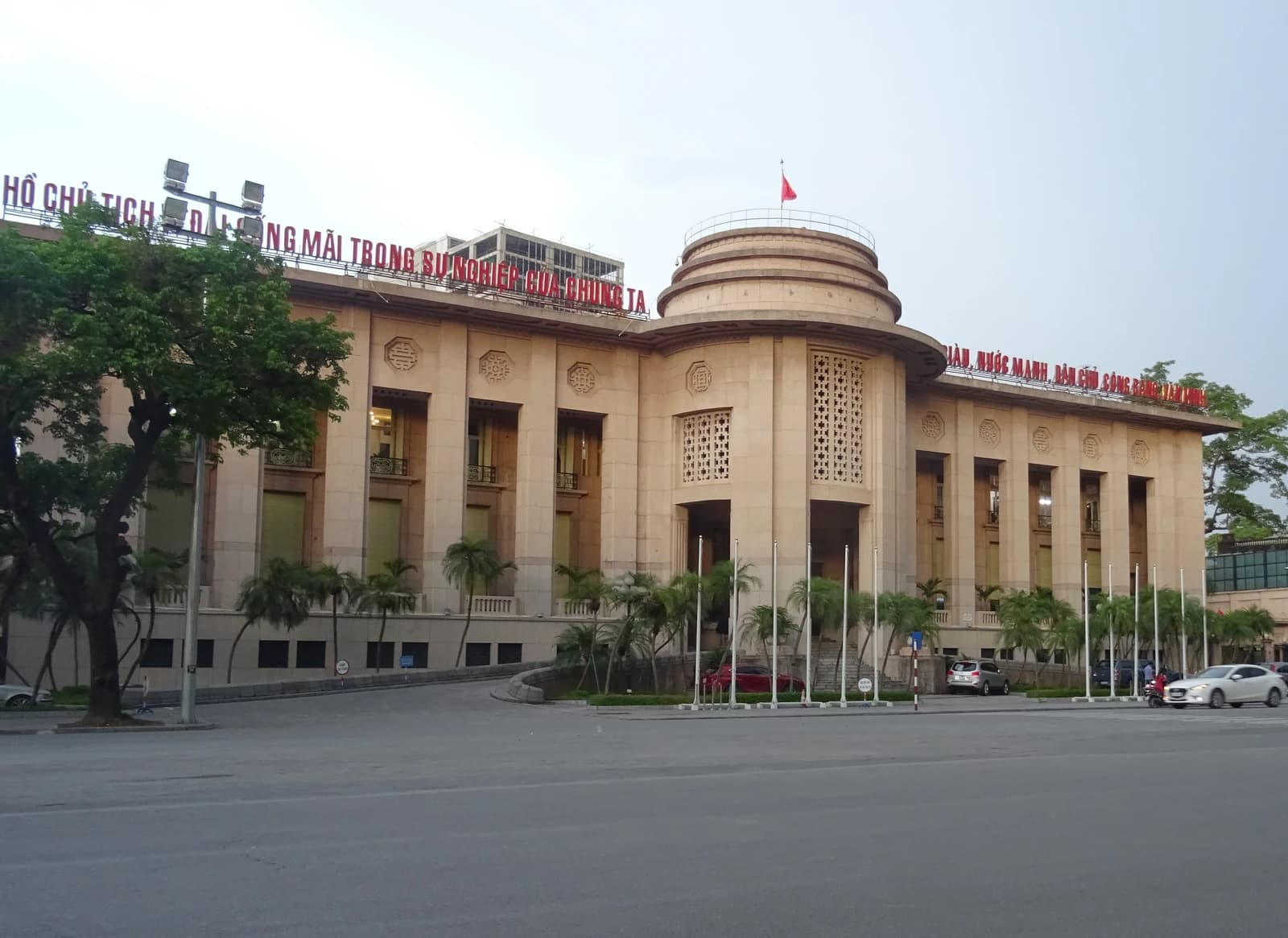
The State Bank of Vietnam also has room to smooth volatility through its central reference rate, trading band and direct intervention. UOB noted that the central rate has risen this year even as the market rate has eased, narrowing the gap between the two and helping keep the exchange rate orderly. Compared with some regional currencies that have swung about 5%, the dong’s roughly 1% move looks calm.
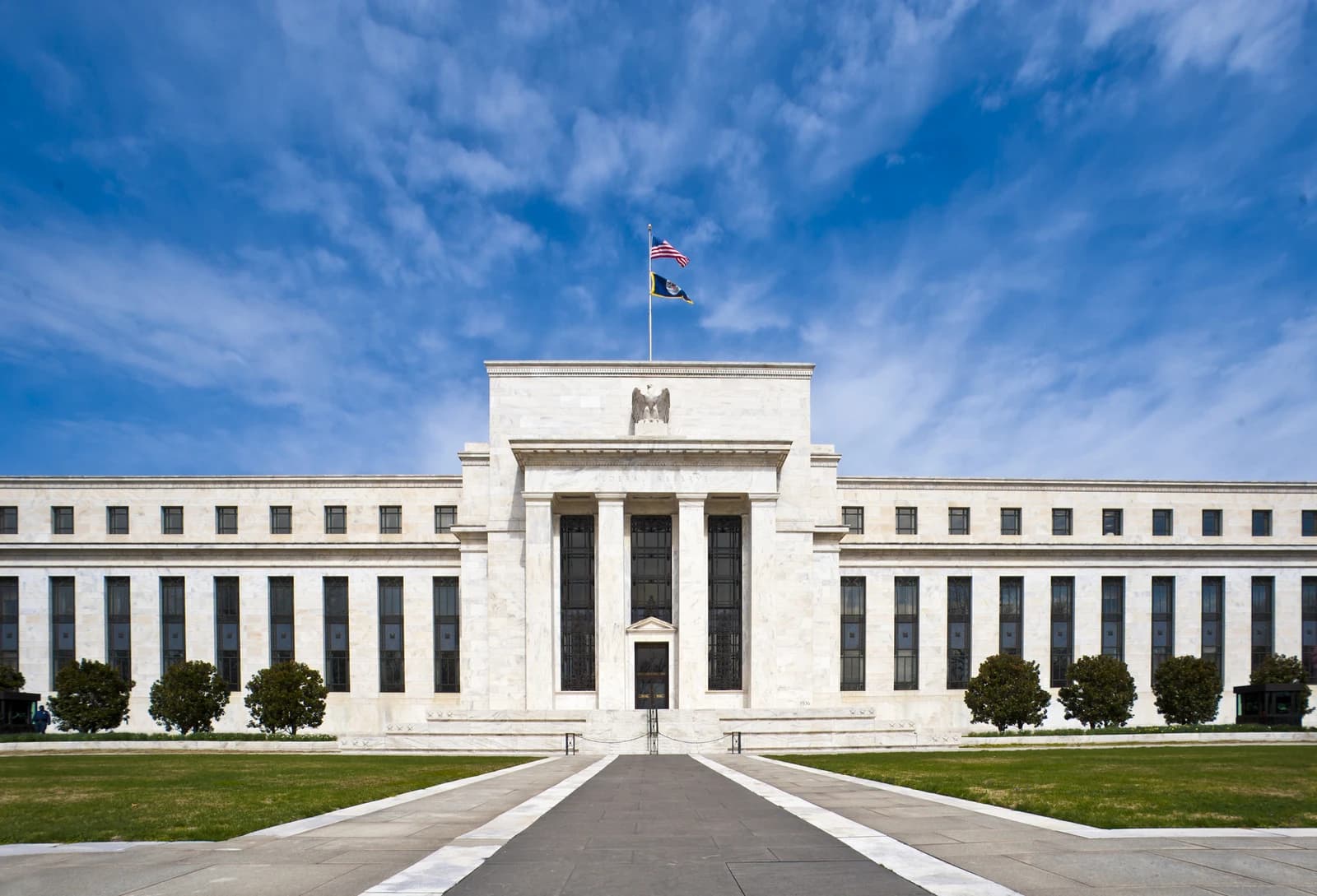
The bigger external risk is the Fed. Higher U.S. rates can pull capital toward dollar assets and widen the yield gap against the dong, especially if U.S. Treasury yields stay high for longer. But UOB does not see that as enough to break the VND’s stability. It expects only modest near-term pressure after the latest Fed move and projects USD/VND around 26,200 in the fourth quarter of 2026, easing gradually to 25,900 by the third quarter of 2027.
For investors, the longer message is more important than the quarterly forecast: Vietnam’s currency story is increasingly about the durability of capital inflows, the attractiveness of local rates and the country’s role in regional manufacturing. A stable dong lowers one layer of risk for exporters, importers, lenders and foreign portfolio investors, while persistent FDI and infrastructure spending continue to support the investment case.
The main watchpoint is not whether the trade deficit remains large — it may — but whether Vietnam can keep attracting enough real money to finance growth without forcing the currency into a sharp adjustment. For now, UOB says it can, and that makes the dong worth keeping on your long-term watchlist.
| Entity | Gains | Losses |
|---|---|---|
| Vietnam dong | ▲Stability and investor confidence | ▼Speculators betting on a sharp drop |
| FDI inflows | ▲Stronger appeal as funding source | ▼Trade-deficit alarmists |
| Local depositors holding VND | ▲Better yield versus USD deposits | ▼Dollar savers seeking higher returns |
| U.S. dollar bulls | ▲Higher Fed rates help the dollar | ▼Emerging-market currencies with supportive inflows |