A stronger U.S. dollar after the Federal Reserve’s 0.25 percentage-point rate increase is the immediate channel through which Vietnamese businesses feel the shock, with importers and dollar borrowers facing higher costs while exporters may gain only a partial offset.
Vietnam firms face higher costs after Fed rate hike
The Fed’s move, which lifted its benchmark rate to 3.75%-4%, matters less for Vietnam’s domestic policy rate in the first instance than for the USD/VND exchange rate. On Sept. 17, Vietnam’s central bank set the reference rate at 25,632 dong per dollar, up 6 dong from the previous day, while some commercial banks were selling the greenback above 26,100 dong. That gap is what turns a U.S. policy decision into a direct hit on corporate margins in Vietnam.
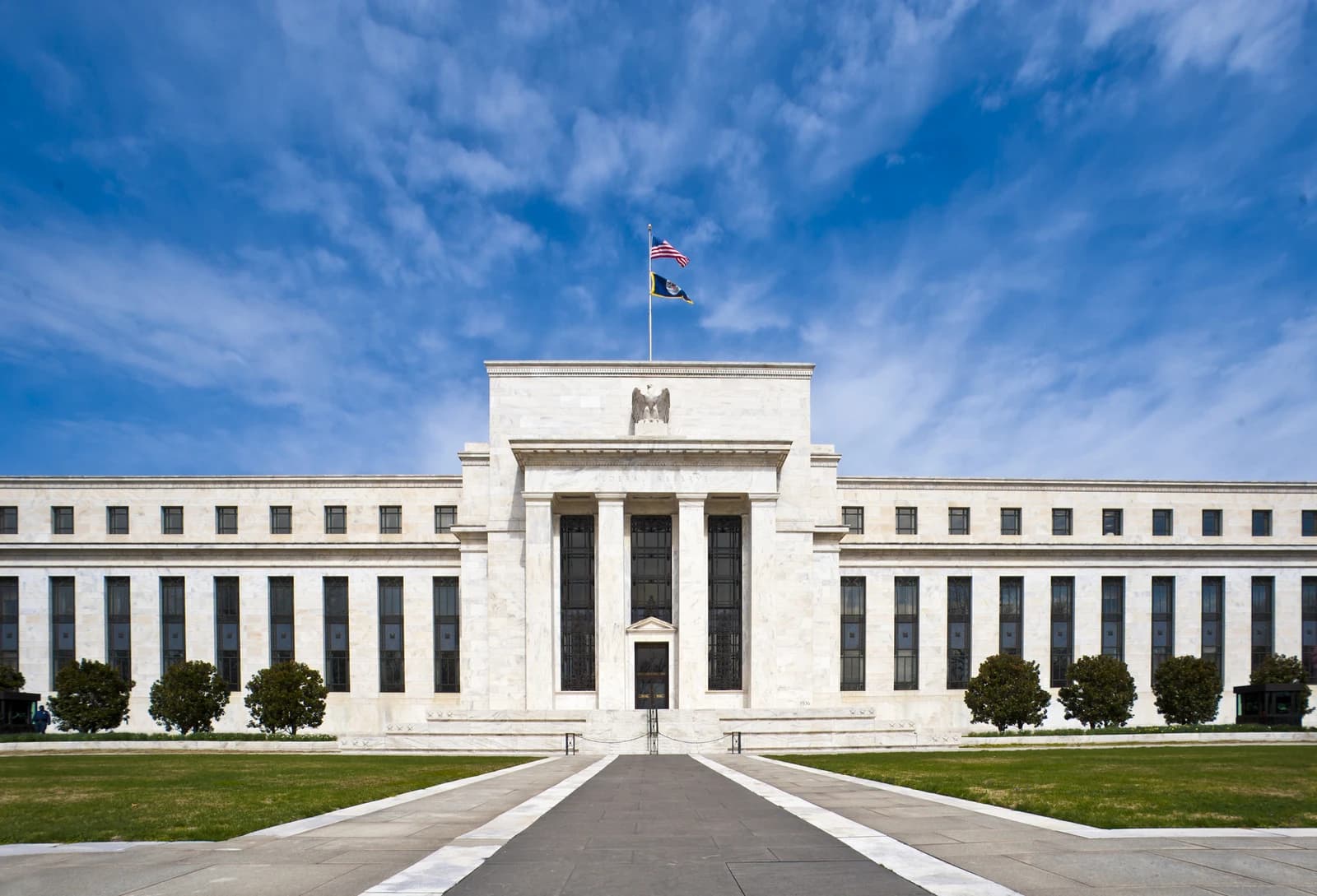
Sentiment IndicatorsⓘProprietary · adalytica.com · September 18, 2026
This is a snapshot — live sentiment, awareness and momentum for 130+ markets update continuously in the dashboard.Open AlphaPulse
For businesses that buy in dollars and sell in dong, the math is unforgiving. A company settling a $1 million import bill at a 2% weaker dong must find roughly 20,000 dollars more in local-currency terms before accounting for freight, commodity prices or borrowing costs. The pressure is greatest for firms importing raw materials, machinery or fuel for domestic sales, because their revenue does not rise automatically with the currency. Companies with USD liabilities but VND income face the same squeeze, as the dong value of their debt climbs when the dollar strengthens.
That is why prolonged dollar strength is more important than a one-day move. If the Fed keeps rates elevated for longer than markets expect, the effect compounds through working-capital needs, debt-service burdens and inventory costs. Businesses then have only a few options: absorb lower margins, raise prices or trim spending elsewhere. For sectors already dealing with tight demand or thin spreads, that can quickly become a competitiveness issue rather than a simple translation loss.
DGS10 vs FEDFUNDS — macro contextadalytica.com
Explore this data interactively — full history, time series and cross-market comparisons.Open AlphaPulse

The impact is not uniform. Cashew processors are a useful example because they import large volumes of raw nuts in dollars and then export finished products for dollar revenue. That creates a natural hedge: foreign-currency inflows can be used to pay foreign-currency outflows. Hoang Son 1 said it had imported about 120,000 tonnes of raw cashews this year and expects to bring in another 30,000 tonnes by year-end, underscoring how firms with both USD costs and USD receipts are less exposed than pure importers. In effect, only the net open position matters.
Exporters, meanwhile, can benefit from a stronger dollar when revenues are converted back into dong. But the gain is rarely automatic. Vina T&T Group said it had not yet seen a clear impact from the Fed’s latest move, and for agricultural exporters the larger variables remain demand, input costs, logistics and pricing power. A stronger dollar can lift the dong value of sales, but if U.S. consumers pull back as tighter monetary policy cools spending, the volume effect can offset the currency tailwind.
That tension is the core investor takeaway. The Fed’s tightening is not just a macro headline for Vietnam; it is a margin event that redistributes pain and benefit across corporate balance sheets. Import-heavy manufacturers, retailers and firms with dollar debt are the clear losers. Exporters with dollar revenues, especially those able to match inflows and outflows, are better positioned, though they still remain exposed to slower U.S. demand and global price pressure.
The broader implication is that Vietnamese companies will increasingly be judged not only on growth but on balance-sheet currency alignment. If the dollar remains firm, investors should expect wider dispersion in earnings across sectors, with natural hedges and export earners outperforming domestically focused importers and leveraged borrowers.
| Entity | Gains | Losses |
|---|---|---|
| Exporters with USD revenue | ▲Better dong conversion | ▼Weaker U.S. demand |
| Importers paying in USD | ▲— | ▼Higher input costs |
| Companies with natural hedges | ▲Lower FX exposure | ▼Less if USD inflows lag |
| Dollar borrowers with VND income | ▲— | ▼Larger debt burden |