Singapore is deciding whether to accept an invitation to join a China-led artificial intelligence bloc, a choice that underscores how the global AI race is increasingly being fought through diplomacy, standards and supply chains as much as through chips and code.
Singapore weighs China-led AI bloc invitation
For investors, that matters because the AI economy is no longer just a story about model quality or semiconductors. It is becoming a contest over who sets the rules, who controls the infrastructure and which countries get early access to the next wave of AI-related investment. Singapore is trying to keep one foot in both camps, and that balancing act is exactly what much of Asia is now doing.
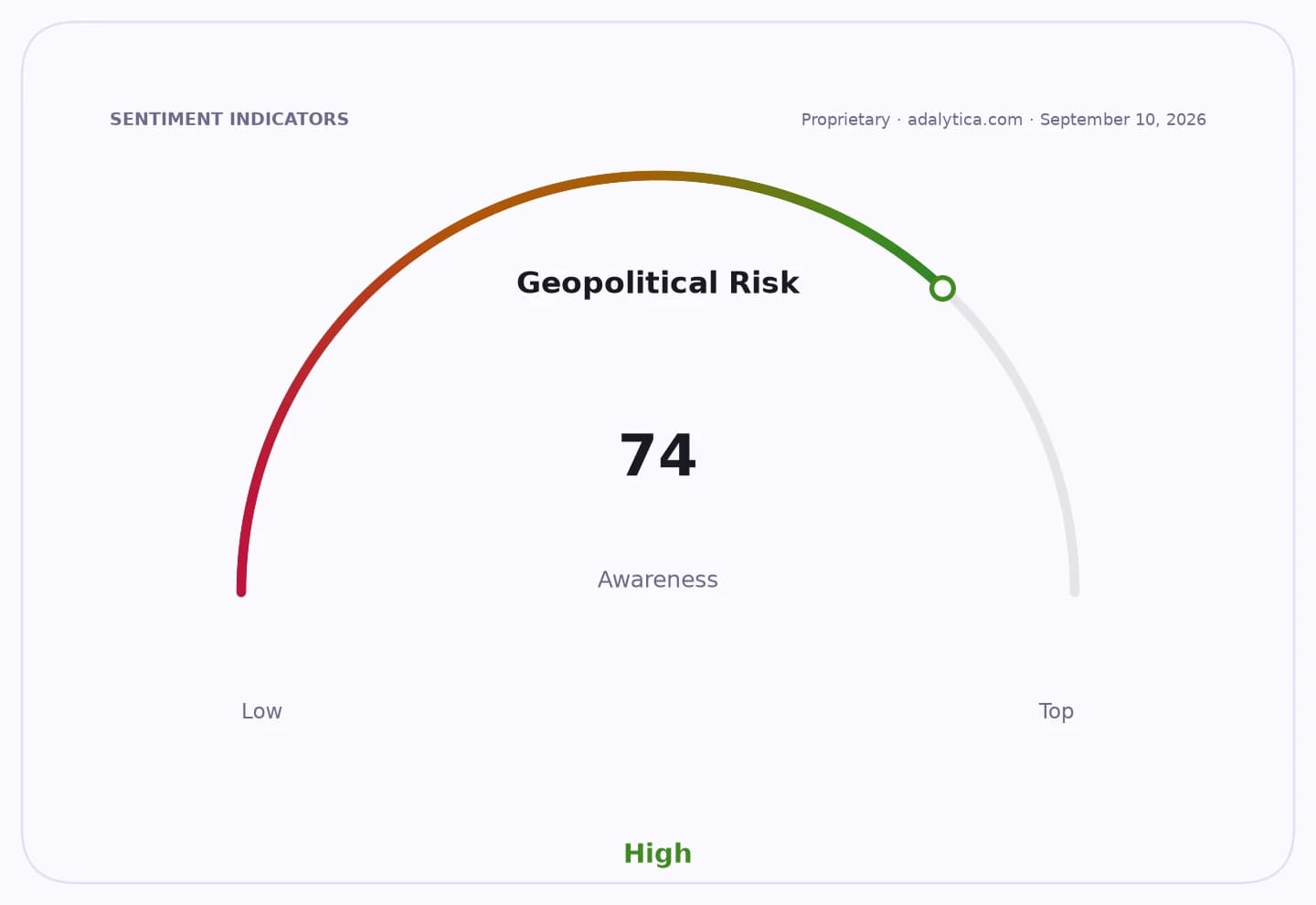
Sentiment IndicatorsⓘProprietary · adalytica.com · September 10, 2026
This is a snapshot — live sentiment, awareness and momentum for 130+ markets update continuously in the dashboard.Open AlphaPulse
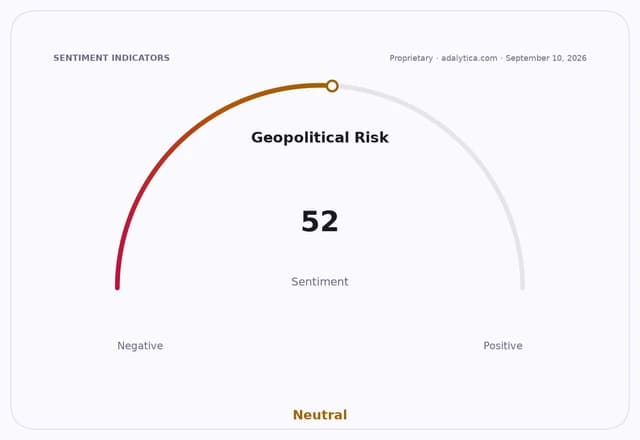
The invitation comes from China’s World Artificial Intelligence Cooperation Organization, or Waico, which Beijing has pitched as a forum for development and governance. Singapore has already signed on as a founding member of Pax Silica, a U.S.-led initiative created to strengthen the supply chains that underpin AI, from critical minerals and energy to advanced manufacturing, semiconductors and AI infrastructure.
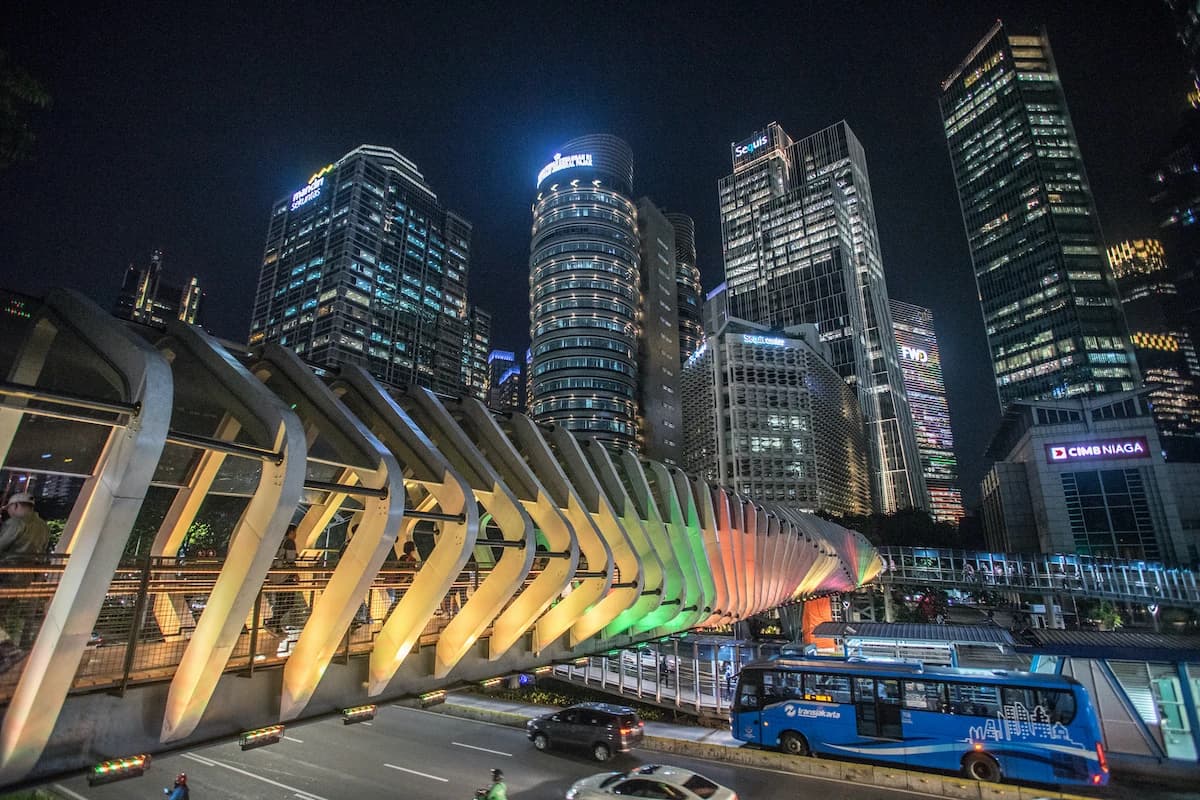
That puts Singapore in a familiar but increasingly fraught position. The city-state has built its economic model on openness, neutrality and access to both Chinese and American networks. Now those networks are hardening into competing blocs. Minister for Digital Development and Information Josephine Teo told parliament Singapore would consider the Waico invitation alongside its broader engagements with China and other international AI initiatives, adding that “what matters is the overall relationships we have with each of our partners.”
That is more than diplomatic language. It reflects a practical economic calculation. Singapore wants to remain a hub for digital infrastructure, advanced manufacturing and cross-border tech investment. Joining only one side’s AI framework could limit its ability to attract capital, talent and partnerships from the other. Refusing to engage could be even costlier if AI standards, regulatory norms and procurement preferences start clustering around rival blocs.
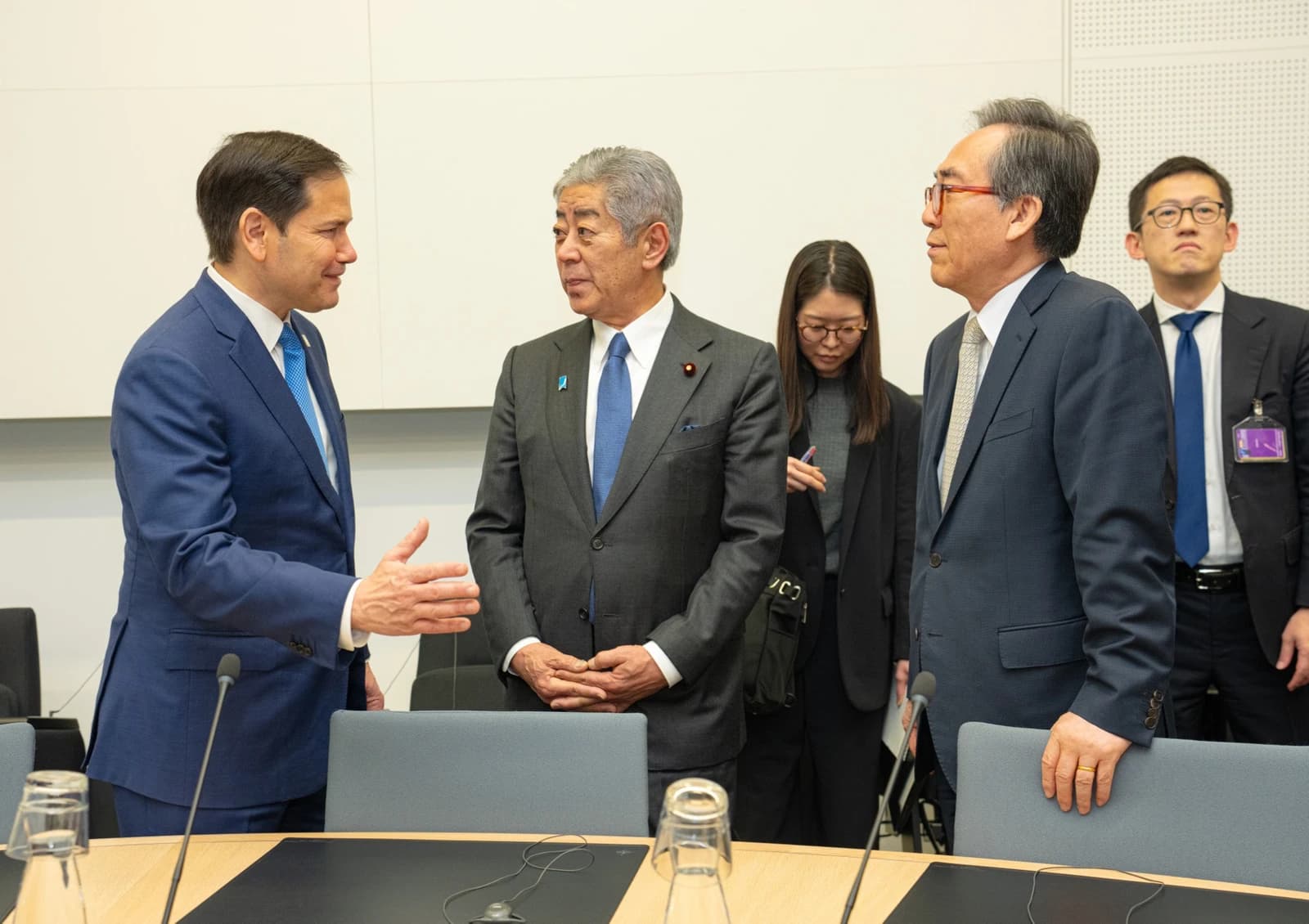
The broader market implication is that the AI supply chain is fragmenting. The U.S.-led Pax Silica now has 24 members, including Australia, Israel, Japan, South Korea and Britain, while Waico counts 29 founding members, including several Asean states such as Cambodia, Indonesia, Laos, Malaysia and Myanmar. That split suggests countries are hedging rather than choosing sides outright, but it also shows how quickly AI cooperation is turning geopolitical.
That matters for investors in several ways. First, chipmakers and infrastructure suppliers still benefit from the buildout, but export controls, procurement rules and national-security screening can reshape where demand flows. Second, companies with strong exposure to Asia — especially those tied to semiconductors, cloud infrastructure and AI deployment — will need to navigate a more politicized market. Third, countries that can stay connected to both ecosystems, like Singapore, may become more valuable nodes for investment and deployment.
The market backdrop also fits the theme. The U.S.-China rivalry has been heating up alongside warnings from Washington about Chinese AI advances and Beijing’s push to build its own international coalition. In that environment, every new membership list becomes a signal about where governments think the future of AI governance is headed.
For long-term investors, the takeaway is not to chase the headlines but to recognize the structural shift. AI is moving from a pure technology story into a global industrial and diplomatic framework, and that usually favors the biggest ecosystem players, the most adaptable countries and the companies with diversified supply chains. Singapore’s decision on Waico will not settle the contest, but it will be another clue about how the world is organizing around AI — and which markets are best placed to benefit over the next decade.
| Entity | Gains | Losses |
|---|---|---|
| Singapore | ▲Broader AI access | ▼Forced alignment risk |
| U.S.-led Pax Silica | ▲More support if allies stay in camp | ▼Less influence if hedging grows |
| China-led Waico | ▲Credibility from new members | ▼Slower global standard-setting if resistance grows |
| AI investors | ▲New infrastructure opportunities | ▼Higher policy and export-control risk |