Indonesia’s effort to build a sovereign AI ecosystem could strengthen its strategic standing in the global technology supply chain if it converts its renewable power advantage into data-center capacity, a senior minister said.
Indonesia AI push targets green data centers
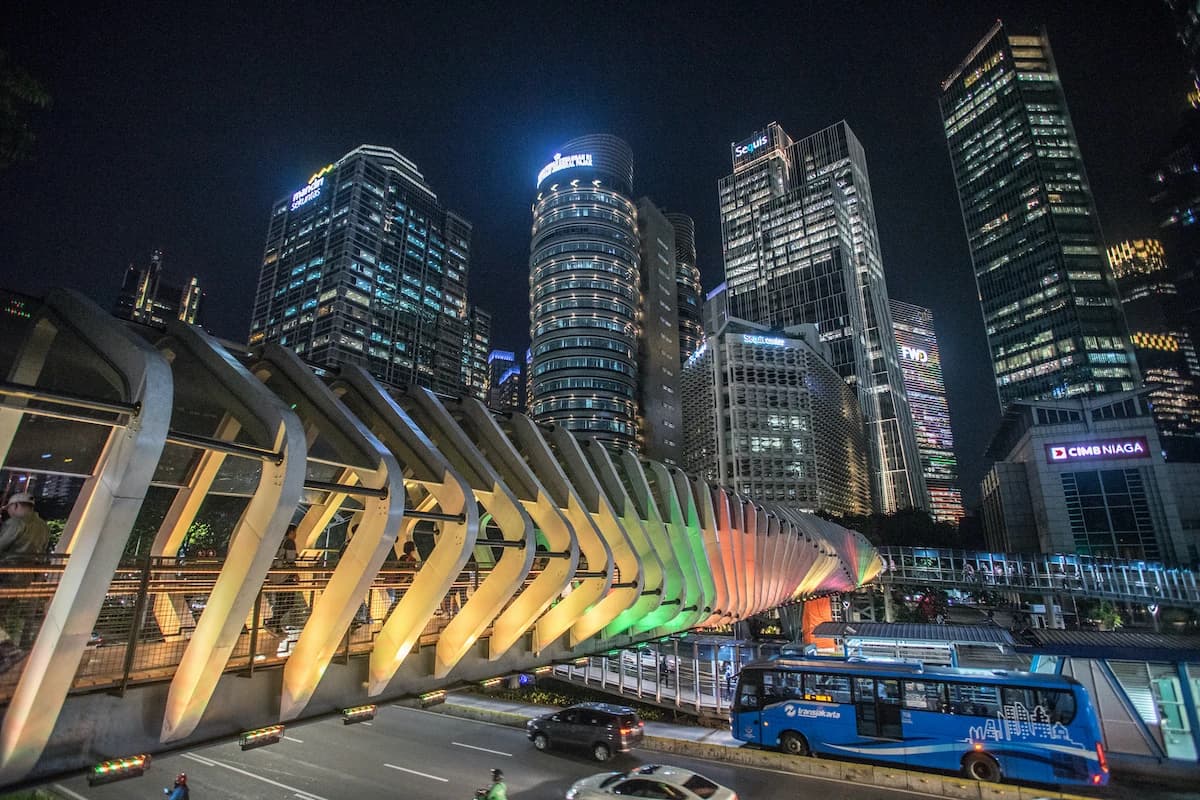
Deputy Minister Stella Christie said Indonesia already has the policy backdrop, digital infrastructure, talent and renewable-energy resources needed to compete in AI, and argued that the country should not just consume foreign systems but become a supplier of computing power and services.
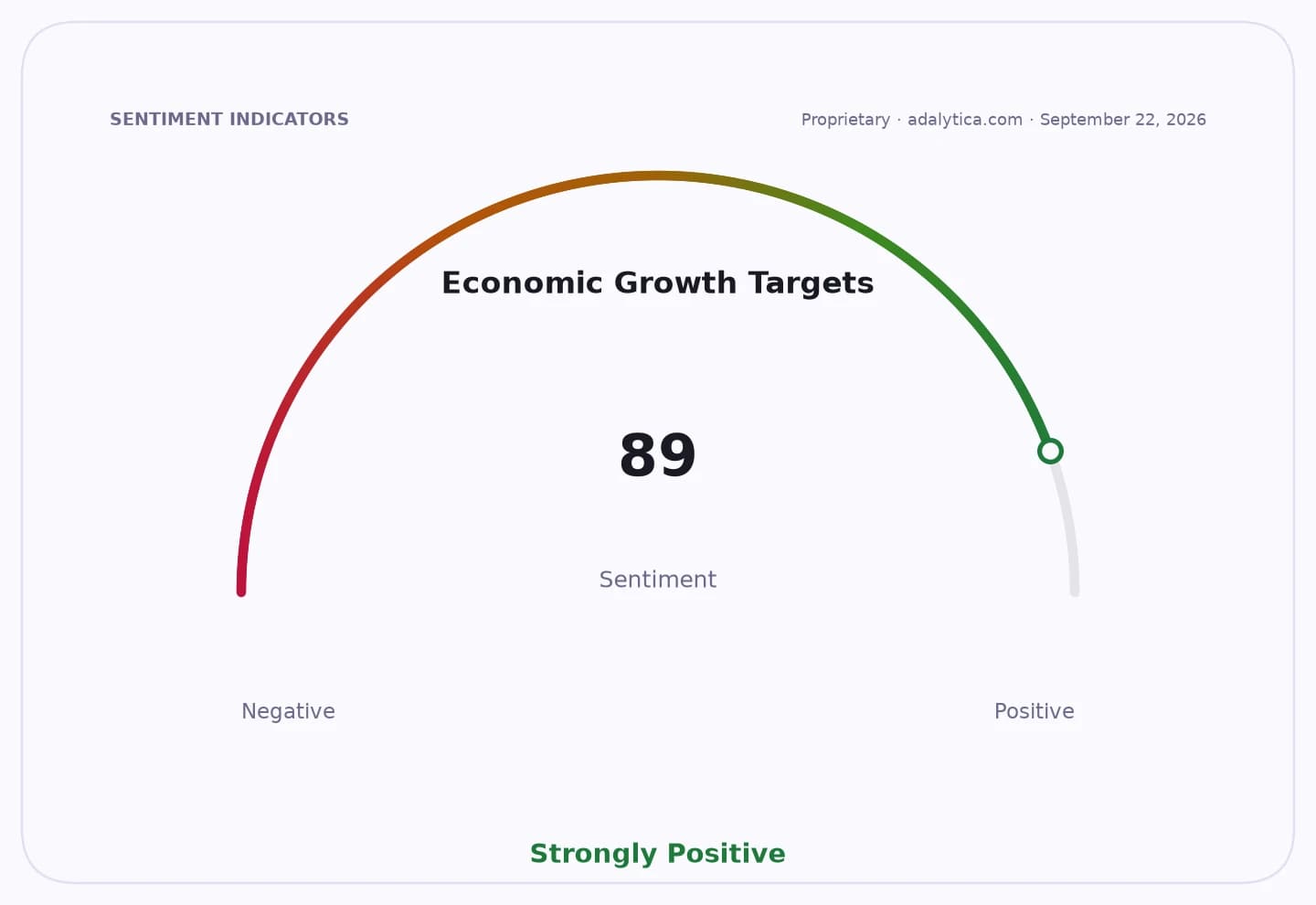
Sentiment IndicatorsⓘProprietary · adalytica.com · September 25, 2026
This is a snapshot — live sentiment, awareness and momentum for 130+ markets update continuously in the dashboard.Open AlphaPulse
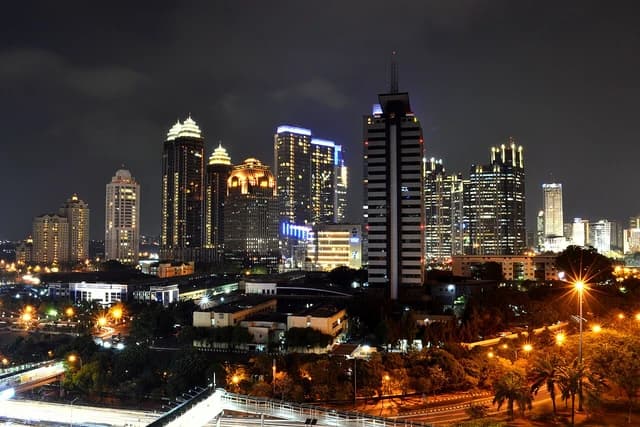
That matters economically because AI development is increasingly constrained by electricity, land and cooling costs, pushing companies and governments toward locations that can offer cheap, reliable and lower-carbon power. Indonesia’s pitch is that its population provides a large data base, while its renewable reserves can support sustainable data centers that would keep more of the value chain at home.
For investors, the message is that Indonesia is trying to move beyond being a user of imported technology to becoming a regional infrastructure hub, a shift that could benefit power producers, data-center operators, telecoms and construction firms. It also highlights a policy focus on data governance and protection, which will shape how quickly private capital can scale AI-linked projects.
The story comes as global demand for AI computing intensifies and governments in Asia race to attract the hardware, energy and talent needed to host it. Stella also warned that rapid AI adoption raises trust and decision-making risks, underscoring that Indonesia wants growth in the sector without losing control over ethics and sovereignty.
In market terms, Indonesian-linked exposure remains mixed: the Indonesia ETF EIDO has slipped to $12.05 from $12.69 earlier this year, while local ticker IDN trades at $2.40, far below its 200-day moving average of $5.09, suggesting investors have yet to fully price in an AI-driven industrial upgrade. U.S. tech proxy QQQ, meanwhile, sits near $741 after a strong run, reflecting how deeply AI spending continues to drive global equity leadership.
The next catalyst will be whether Jakarta turns the rhetoric into concrete incentives for green data centers, stronger data rules and public-private investment, which would determine whether Indonesia’s AI ambition becomes an infrastructure story or stays a policy aspiration.
| Entity | Gains | Losses |
|---|---|---|
| Indonesia | ▲Strategic tech standing | ▼Low-value technology dependence |
| Green power and data-center developers | ▲New project pipeline | ▼Higher entry costs without policy support |
| Local workers and universities | ▲AI-related skills demand | ▼Slow adoption if training lags |
| Foreign cloud and AI providers | ▲Local partners and capacity | ▼Market share if Indonesia builds sovereign stack |