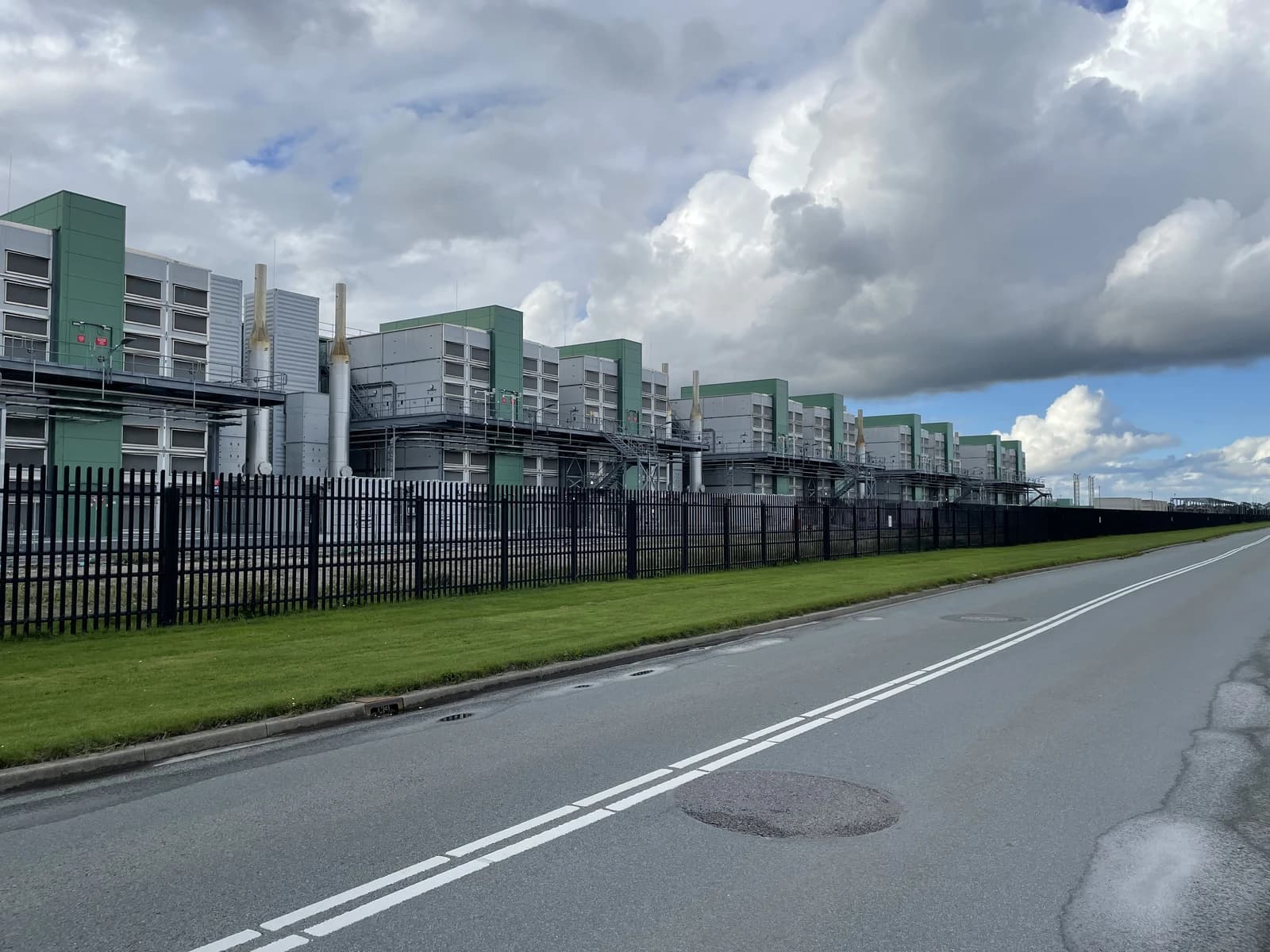
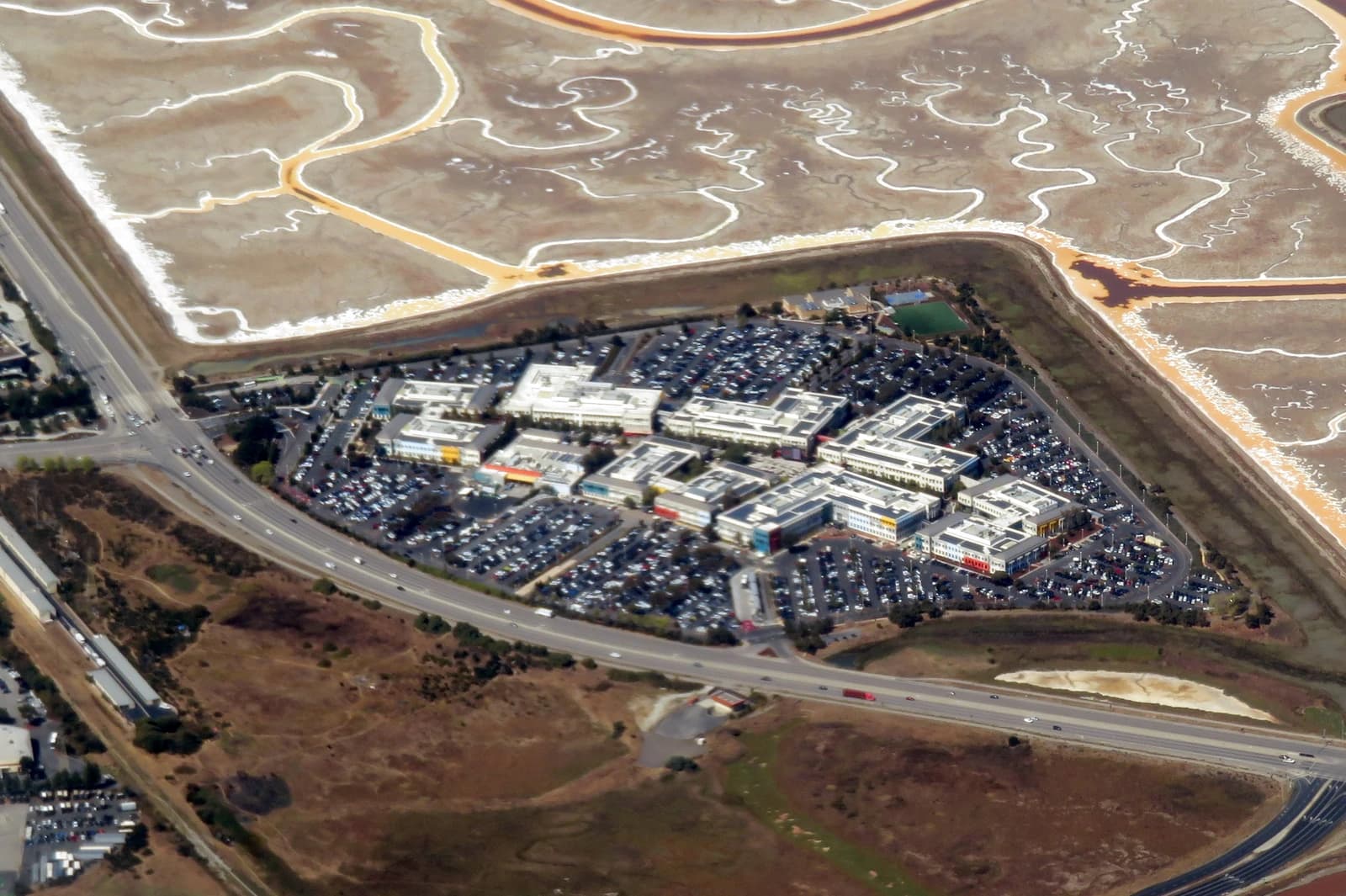
Google is committing $21 billion to expand its artificial intelligence footprint in Finland, and that matters because the AI boom is no longer just about software and semiconductors — it is increasingly about who can secure enough clean, reliable power to keep data centers running.
Alphabet commits $21B to Finland AI expansion
For investors, that is the real story behind this move. Alphabet is not only pouring money into AI infrastructure, it is also signaling that the next phase of AI competition will be won by companies that can lock in energy supply as well as computing capacity. That helps explain why the market has been rewarding the biggest AI platforms even as the build-out gets more expensive: the winners are not just selling AI tools, they are building the physical backbone of the industry.
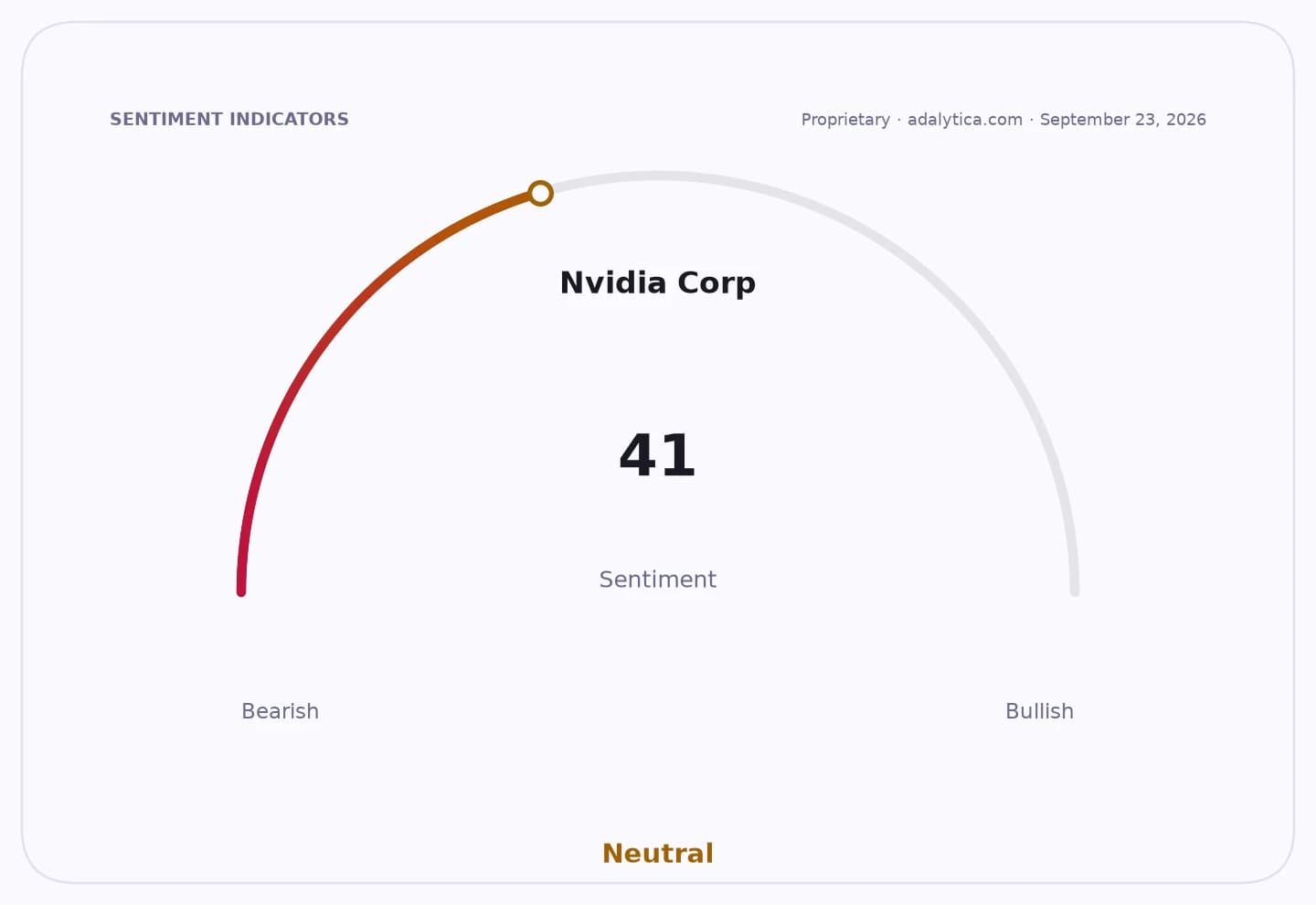
Sentiment IndicatorsⓘProprietary · adalytica.com · September 11, 2026
This is a snapshot — live sentiment, awareness and momentum for 130+ markets update continuously in the dashboard.Open AlphaPulse
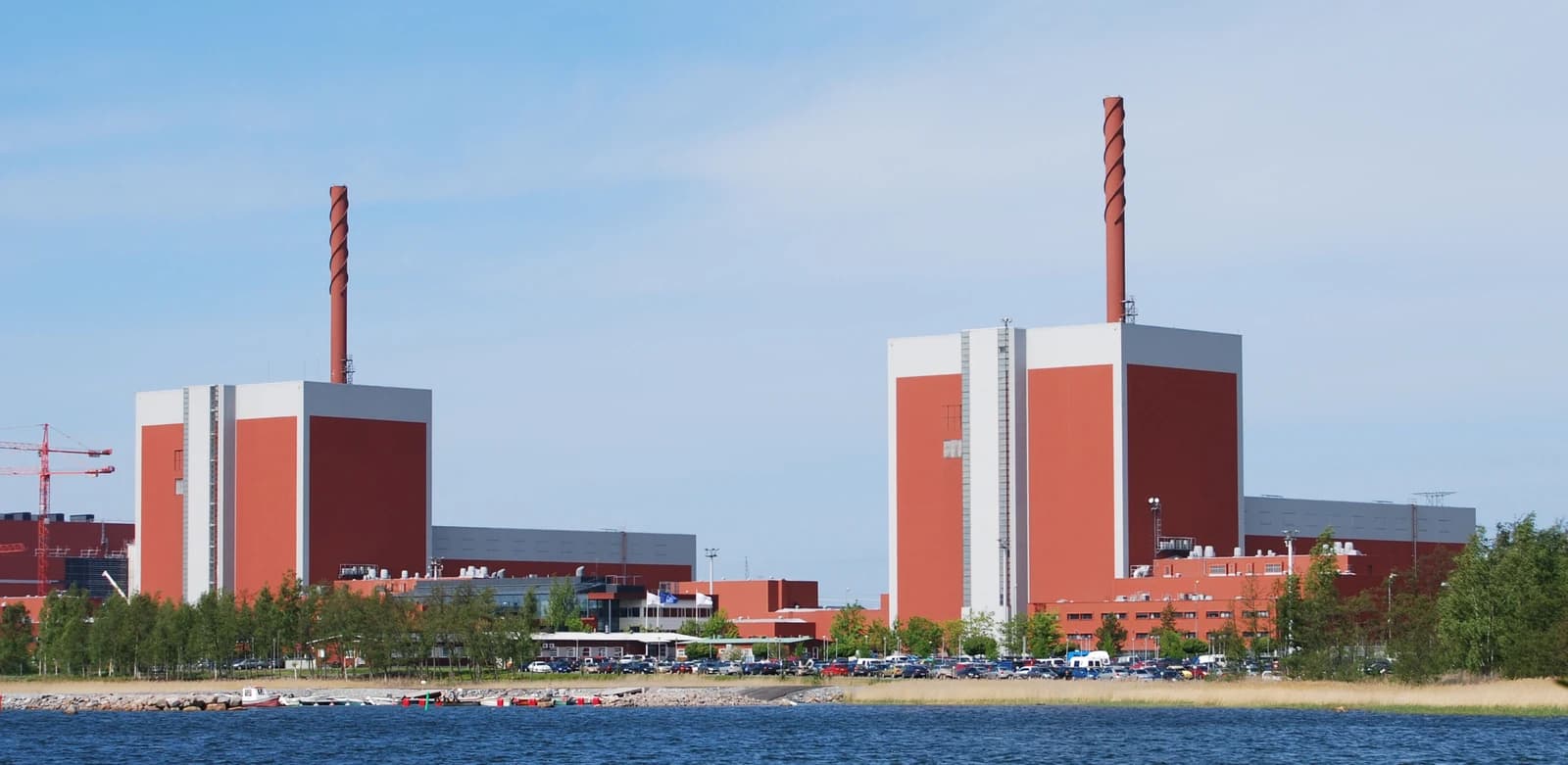
Finland is a strategic choice. The country offers cooler weather, a stable regulatory environment and access to low-carbon electricity, including nuclear power, which is becoming more valuable as AI data centers draw ever-larger amounts of power. For Alphabet, that can mean lower long-term operating risk, better energy security and a cleaner sustainability profile for a business that will only get more electricity-hungry over time.
The move also fits a broader industry trend. Microsoft has warned that power availability and data-center constraints are becoming a real bottleneck for cloud and AI growth, while Nvidia has been helping customers secure land, power and capacity to deploy its chips. In other words, the AI race is spilling well beyond Silicon Valley and into grids, utilities and nuclear plants. That is why energy companies, infrastructure owners and grid operators increasingly sit alongside chipmakers as beneficiaries of the AI build-out.
Alphabet’s shares have already been trading well above their longer-term trend, and standard technical indicators show the stock recently pulled back from earlier highs. For long-term investors, that kind of volatility is less important than the larger question: can Alphabet keep converting AI demand into durable cash flow while controlling the massive infrastructure bill? A $21 billion commitment suggests the company believes the answer is yes.
The risk is straightforward. These projects are capital-intensive, slow to build and dependent on stable power and regulation. But if AI continues to scale the way management teams expect, the companies that secure cheap, dependable electricity today may own a lasting advantage tomorrow. For investors with a multiyear horizon, Alphabet’s Finland investment is worth watching as a sign that AI’s next winners may be as much energy companies as tech firms.
| Entity | Gains | Losses |
|---|---|---|
| Alphabet/Google | ▲AI capacity, power security | ▼Higher capital outlay |
| Finnish utilities/nuclear operators | ▲Long-term demand, investment | ▼Greater infrastructure strain |
| AI rivals without power access | ▲— | ▼Higher build-out costs |
| Long-term investors in AI infrastructure | ▲Secular growth exposure | ▼Short-term margin pressure |