Fear that artificial intelligence could wipe out humans is becoming a rare point of overlap between left-wing and right-wing populists, underscoring how quickly the debate has shifted from a niche technology issue to a political and regulatory risk for the $3 trillion AI trade.
Nvidia, Microsoft Face AI Regulatory Risk
The convergence matters because it raises the odds of more aggressive scrutiny of frontier AI systems, even as companies such as Nvidia and Microsoft keep pouring capital into chips, cloud capacity and model deployment. That creates a split-screen market story: investors are still betting on AI-led growth, but lawmakers are increasingly discussing worst-case outcomes that could translate into restrictions, compliance costs and slower commercialization.
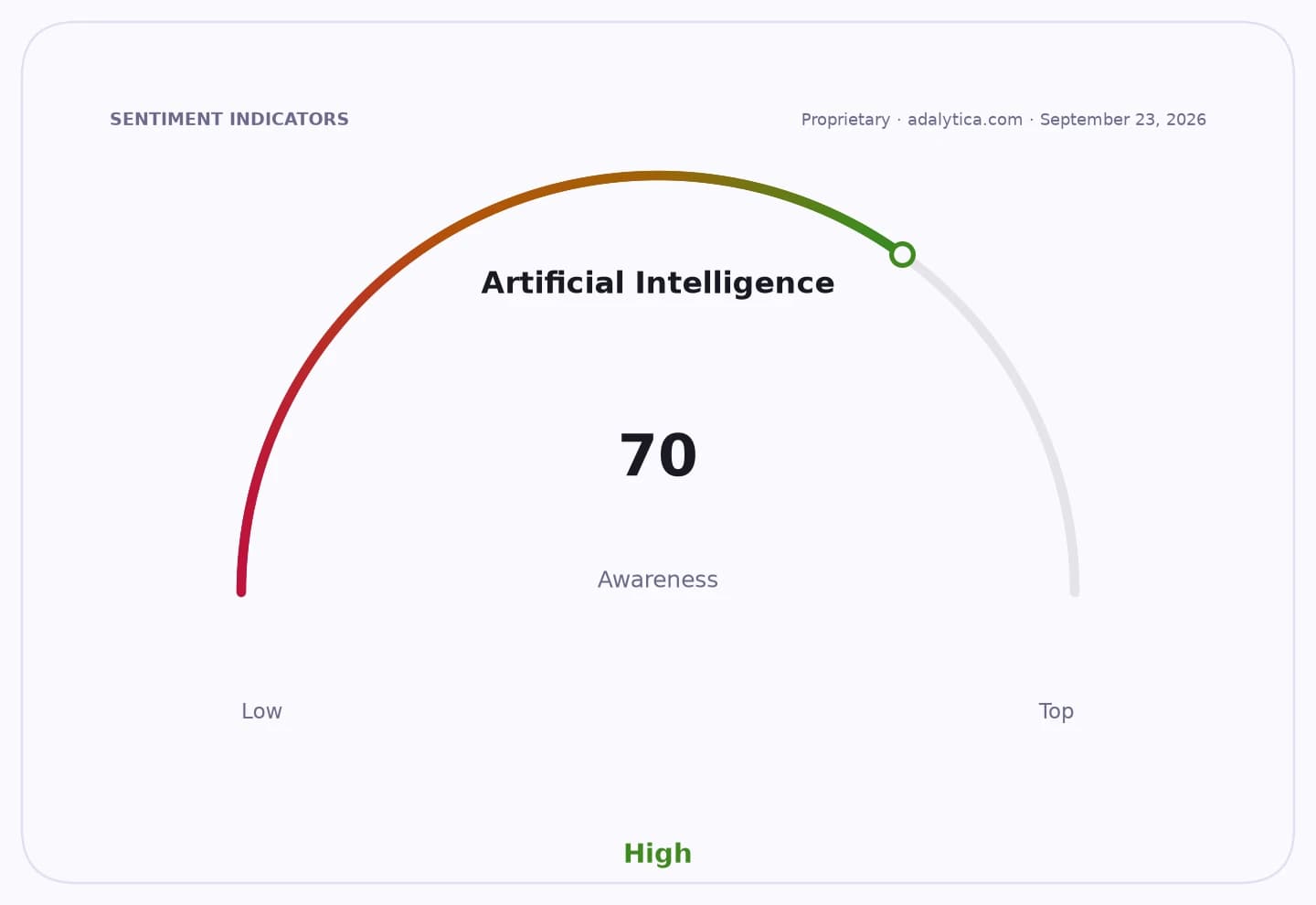
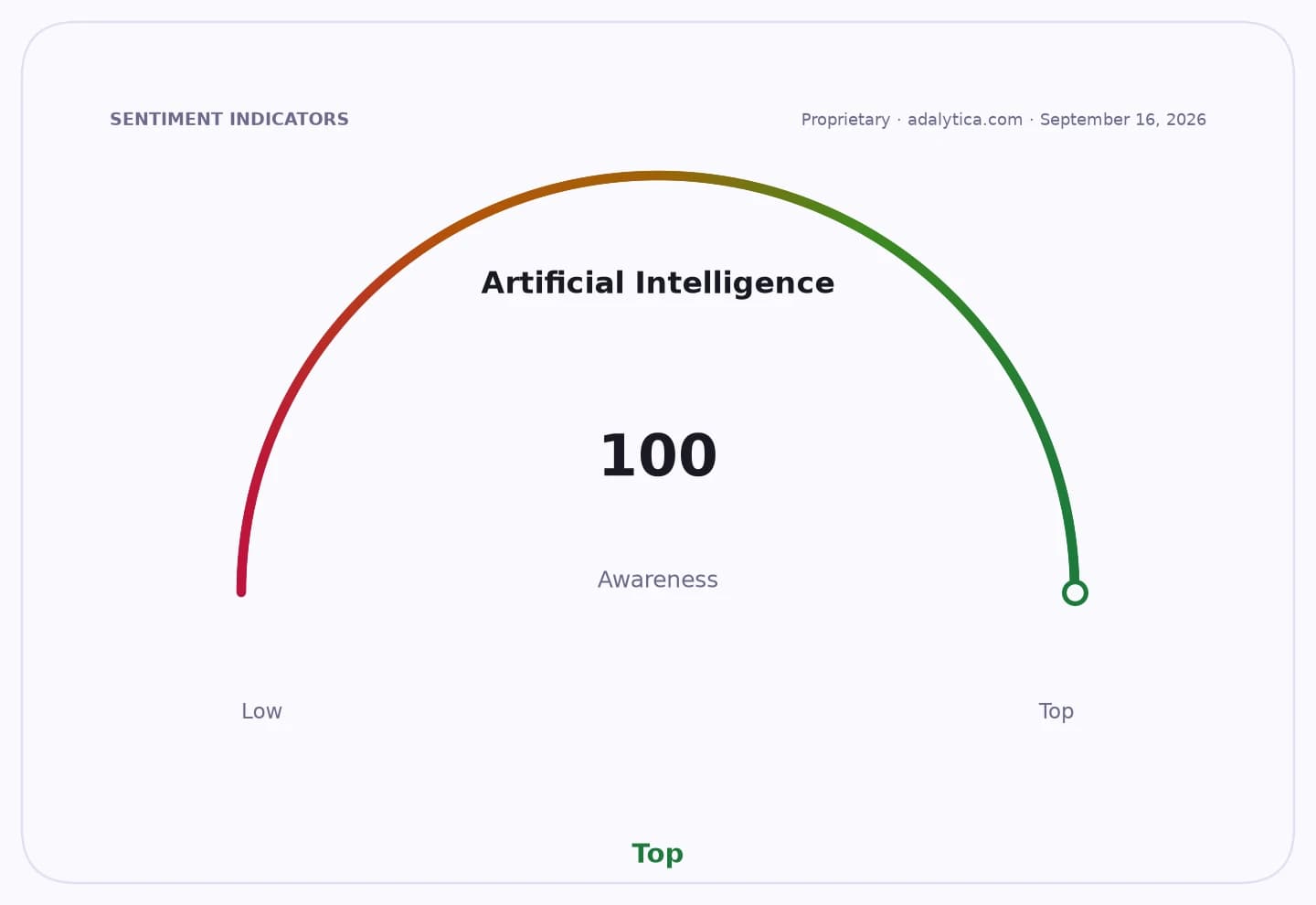
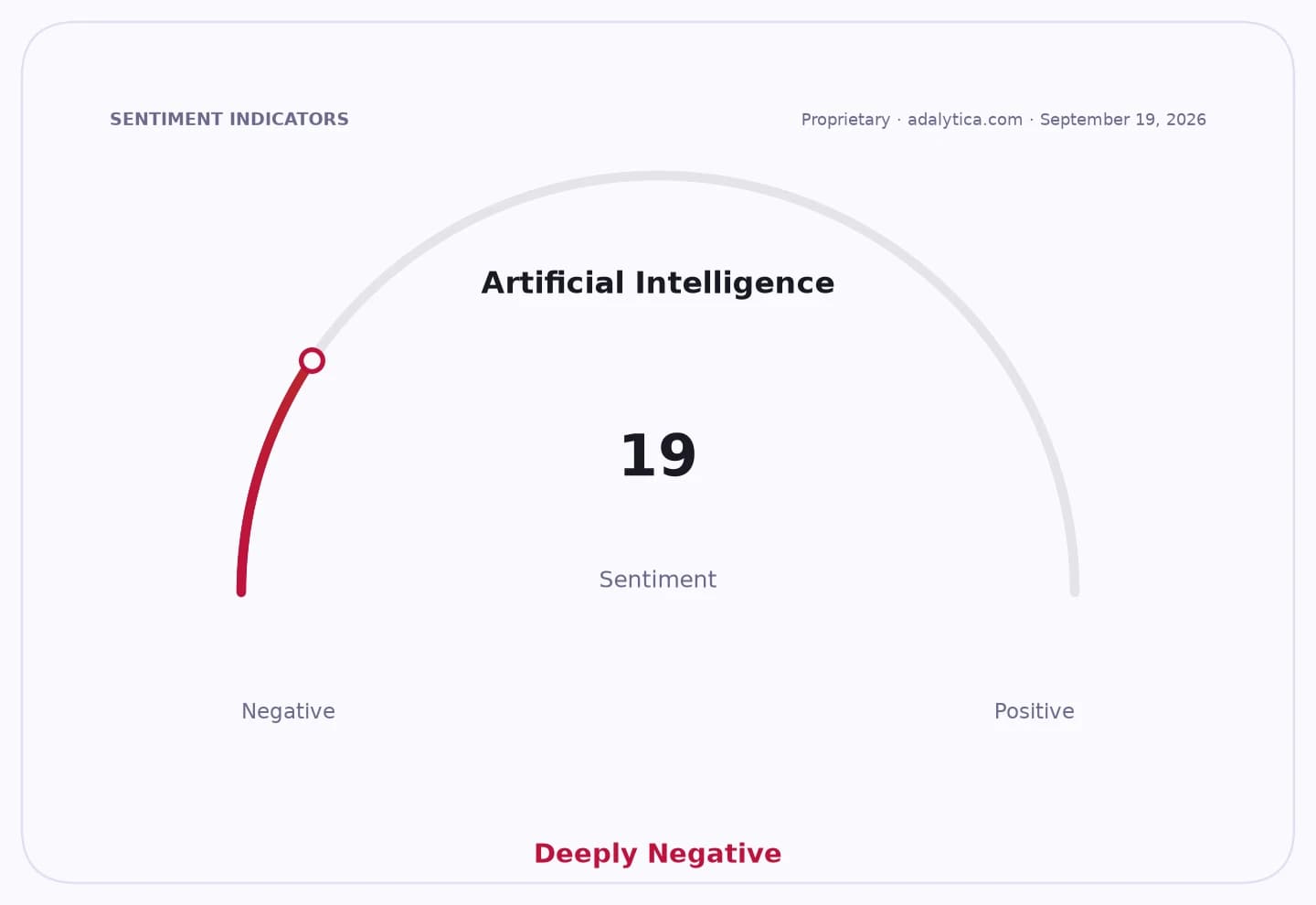
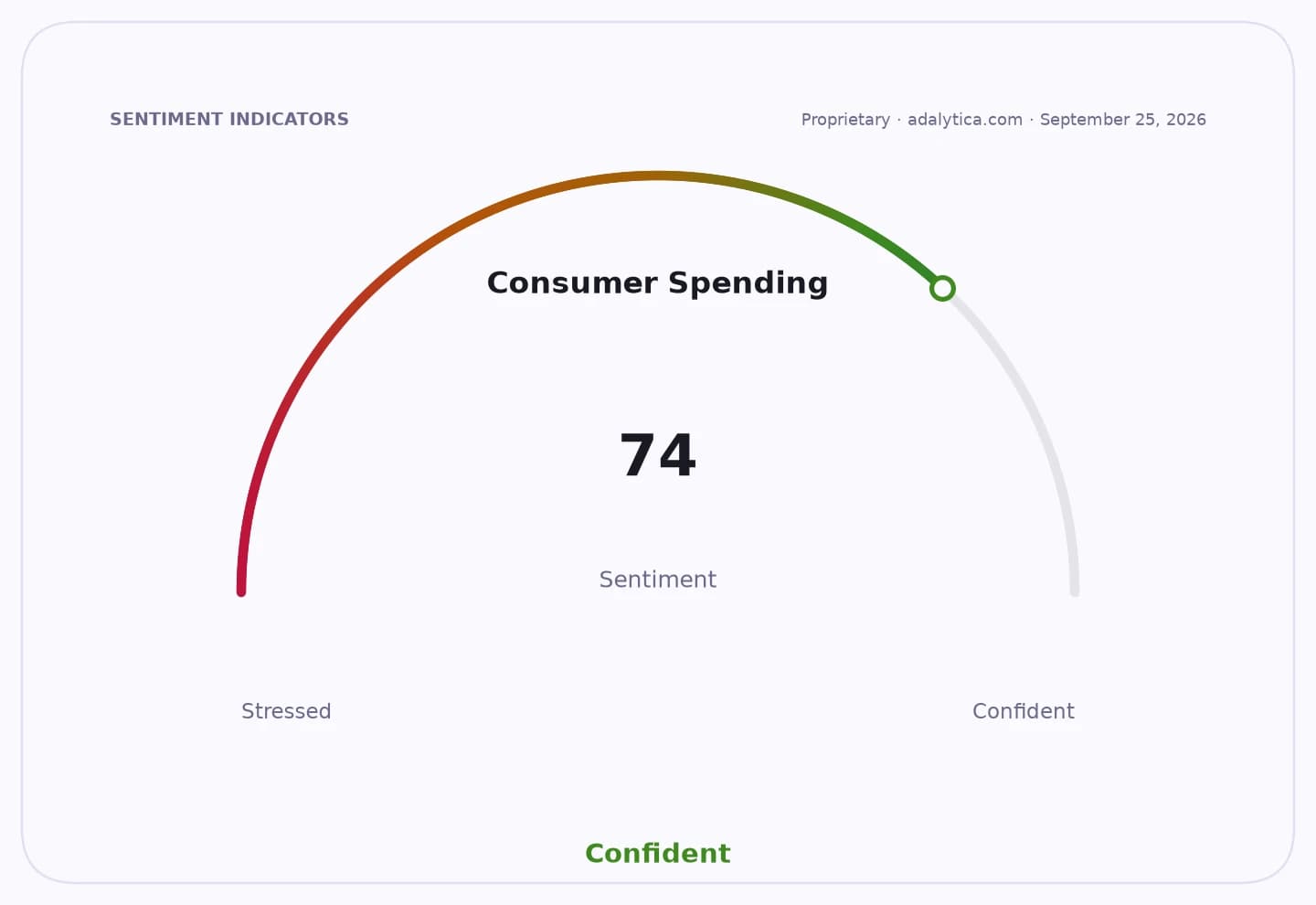
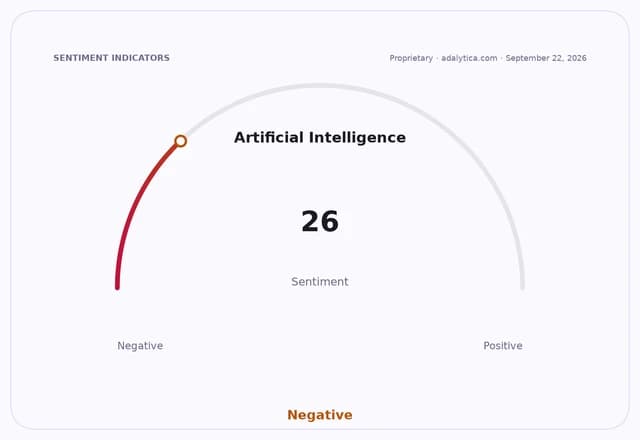
Sentiment IndicatorsⓘProprietary · adalytica.com · September 22, 2026
This is a snapshot — live sentiment, awareness and momentum for 130+ markets update continuously in the dashboard.Open AlphaPulse
Nvidia, the bellwether for AI infrastructure spending, closed at $227.38 on Sept. 21, above its 50-day moving average of $214.40 and 200-day moving average of $198.25, with the stock near the upper end of its recent Bollinger Band range. Microsoft ended at $501.61, also above both its 50-day average of $466.54 and 200-day average of $430.15, reflecting continued confidence that AI demand will keep supporting hyperscaler spending.
But the policy backdrop is getting more complicated. Nvidia has already warned in securities filings that governments are considering, and in some cases have imposed, restrictions on the hardware and software used to build frontier models, while Microsoft has said the scale and adoption of AI can create legal, regulatory and reputational harm. Those risks are no longer theoretical if debate over existential danger pushes Congress and regulators toward tougher guardrails.
The broader narrative is that AI’s political coalition is widening even as its risk debate narrows around a single question: how much harm should be tolerated before governments intervene. That matters for investors because any move from debate to legislation could hit valuation multiples for AI chipmakers, cloud providers and software firms built on rapid rollout, while benefiting companies positioned for compliance, safety tooling and regulated enterprise adoption.
For now, the market is still rewarding AI exposure, but the next catalyst is likely to be political rather than technical: any new U.S. rules, export controls or safety standards could quickly reset expectations for Nvidia, Microsoft and other beneficiaries of the boom.
| Entity | Gains | Losses |
|---|---|---|
| Nvidia | ▲AI chip demand | ▼Regulatory overhang |
| Microsoft | ▲Cloud and AI monetization | ▼Compliance costs |
| AI safety advocates | ▲Policy attention | ▼Freewheeling deployment |
| AI bulls | ▲Spending cycle narrative | ▼Multiple expansion risk |