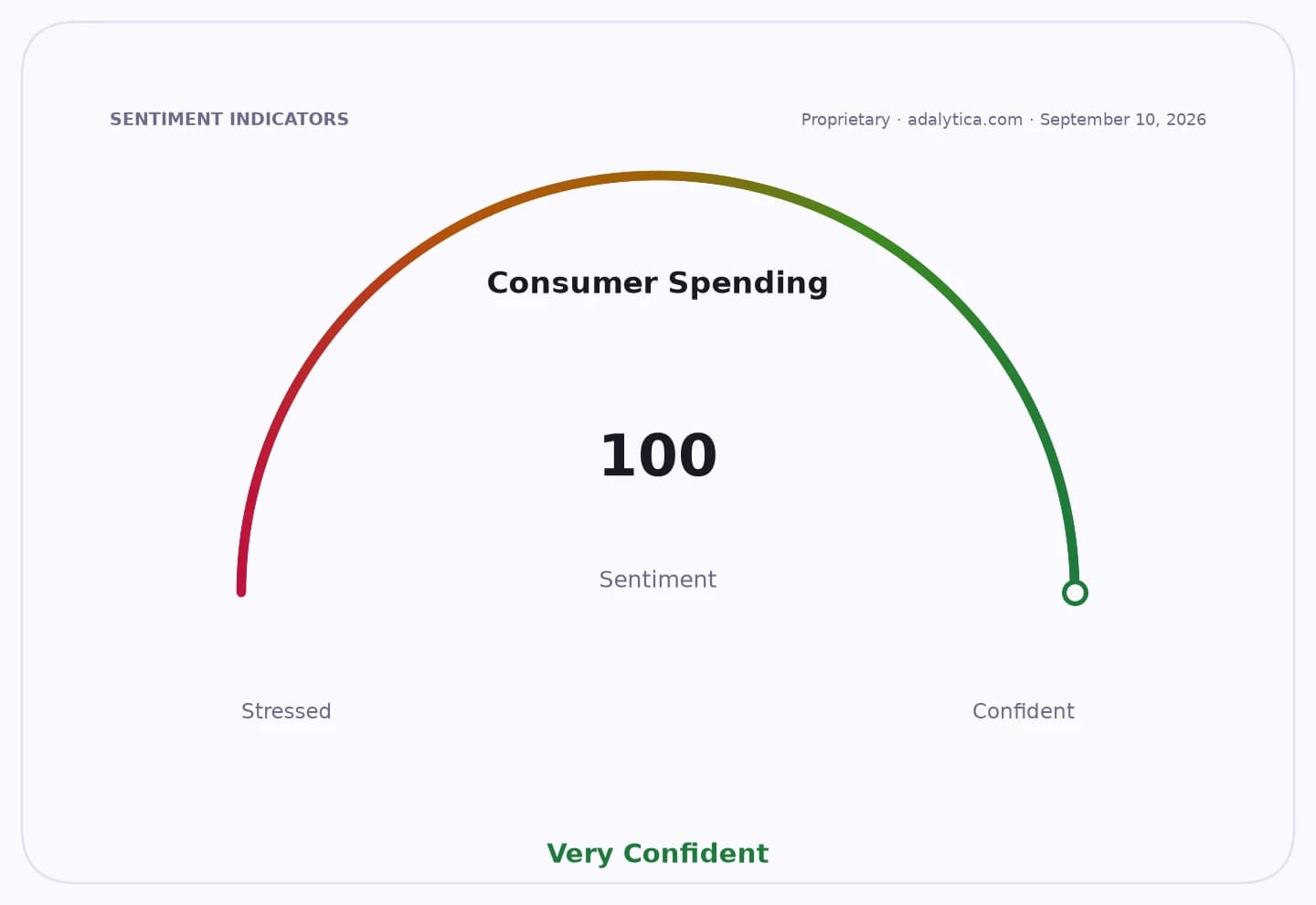
Pasar Pondok Labu in South Jakarta is becoming a warning sign for Indonesia’s small-business economy: foot traffic has dried up, turnover has collapsed and traders are increasingly leaning on debt just to stay open.
Indonesia Pondok Labu market sales slump hits traders
That matters because markets like this sit at the heart of household consumption. When shoppers stop coming to a neighborhood market, the pain does not stay inside the stalls. It hits suppliers, transport workers, local landlords and, eventually, bank lending to micro and small businesses. For investors, it is a reminder that consumer demand can weaken long before it shows up in official data.
On a recent visit, many kiosks in the three-story market were shut behind locked rolling doors, while the handful that remained open were mostly empty. Traders said the market’s heyday was in the early 2000s and still into 2019, but business had already deteriorated before the pandemic and never recovered.
One cosmetics seller, Farid, said daily sales that once reached at least 5 million rupiah have fallen by more than 80%, with some days now failing to bring in even 1 million rupiah. “Now looking for 1 million rupiah is hard,” he said.
His answer has been to stretch savings and borrow through Indonesia’s credit program for small businesses, known as KUR, just to fund inventory and working capital. That is the kind of pressure that turns a demand slowdown into a balance-sheet problem. If sales keep falling, traders may have to liquidate assets simply to repay loans and exit without lingering debt.
The broader backdrop does not offer much relief. Indonesia’s labor market has been steady, with unemployment around 4.1% to 4.2%, but inflation has kept eating into purchasing power, and consumers are clearly more selective. For small merchants selling cosmetics, clothing and everyday goods, even a modest pullback in spending can be devastating because fixed costs do not fall as fast as sales.
For investors, the message is less about one market in South Jakarta and more about the shape of the recovery. Weakness at the grassroots level can eventually weigh on banks with exposure to microcredit, on consumer names dependent on discretionary spending and on retailers competing for a smaller pool of cash-strapped buyers. At the same time, stronger modern trade chains and discounters can gain share when traditional markets lose traffic.
The long-term lesson is simple: in an economy built on millions of small transactions, empty stalls matter. Traders can survive a rough patch, but if customers keep disappearing, the debt comes due. For investors, that makes this worth watching, especially for signs that Indonesia’s consumer spending is finally reviving.
| Entity | Gains | Losses |
|---|---|---|
| Modern retailers | ▲Gain share | ▼Traditional market stalls |
| Banks/KUR lenders | ▲Earn loan interest | ▼Face credit risk |
| Cash-strapped consumers | ▲Save money | ▼Lose neighborhood choice |
| Traders at Pondok Labu | ▲Little, if sales recover | ▼Revenue, savings, and margin |