Coffee prices in Vietnam have stalled after a multi-session slide, leaving growers and exporters in a holding pattern while traders wait for fresh direction from London robusta, New York arabica and the currency market.
Vietnam Coffee Prices Hold Near 93,700 Dong

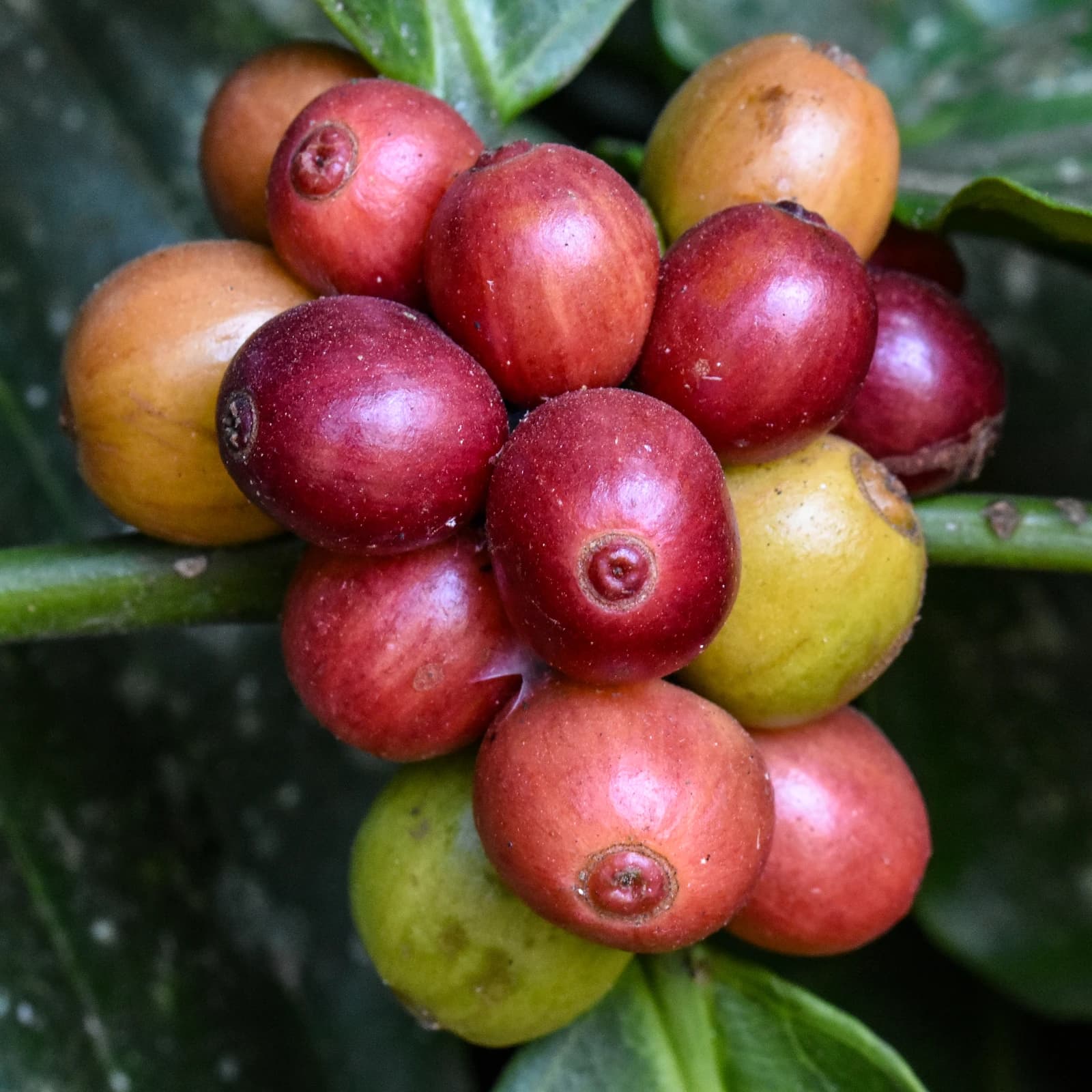
The average farmgate price held at 93,700 dong a kilogram on Sept. 22, with Dak Nong — now part of Lam Dong — still topping the domestic market at 93,800 dong and Lam Dong at 93,000 dong, a spread of just 800 dong. That stability matters because it signals the market is pausing after recent weakness rather than extending the selloff, but it also leaves prices well short of the 100,000 dong psychological threshold that many producers had hoped to test.
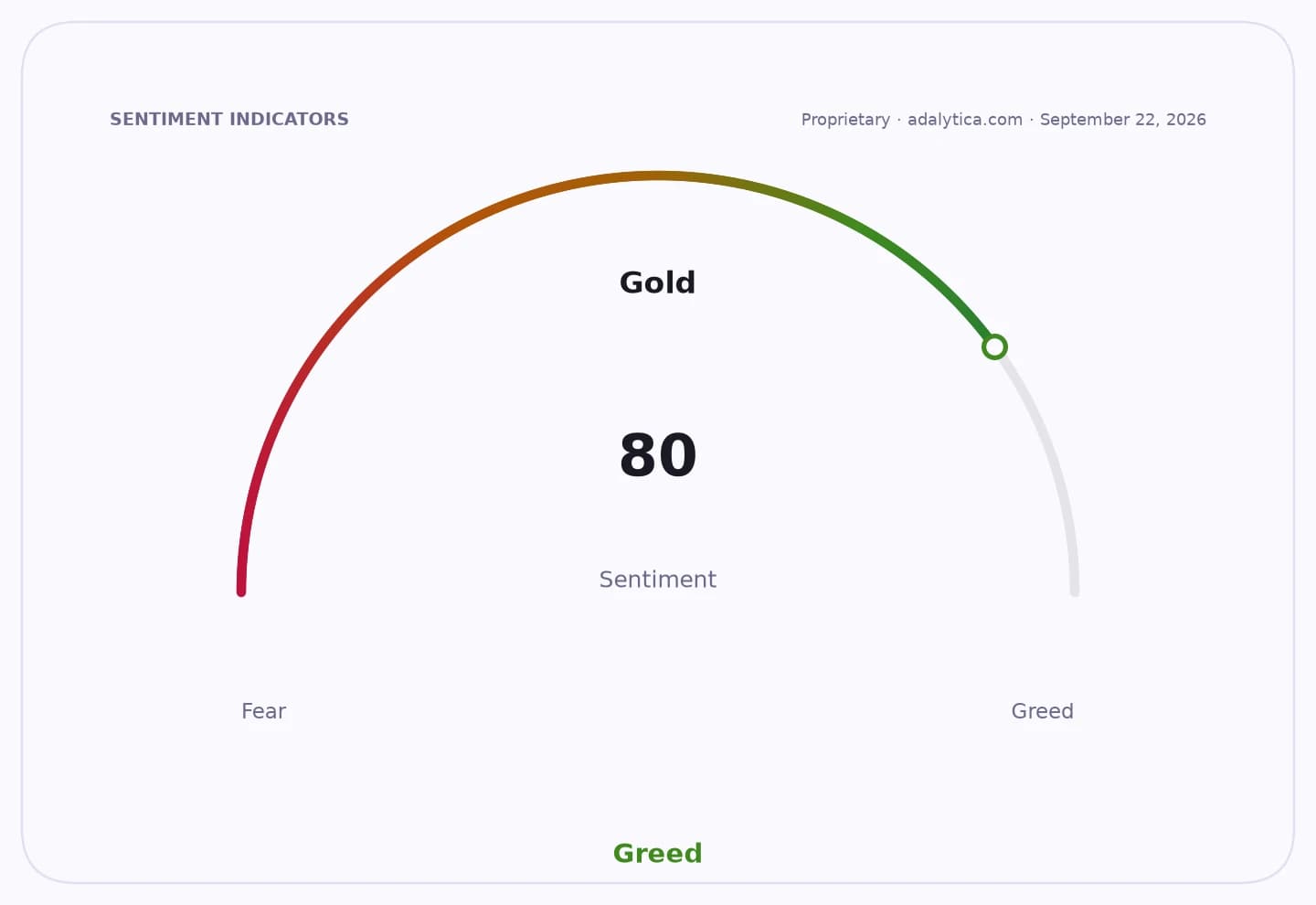
Sentiment IndicatorsⓘProprietary · adalytica.com · September 25, 2026
This is a snapshot — live sentiment, awareness and momentum for 130+ markets update continuously in the dashboard.Open AlphaPulse
Globally, coffee futures were equally quiet. Robusta on ICE Europe held near $3,366 a ton for the September contract and $3,396 for November, while arabica in New York sat at 271.95 cents a pound for December delivery. The lack of a new catalyst has kept physical buyers cautious and sellers reluctant to chase the market lower, even as the broader trend still points to softer prices.
The investment case here is not about today’s flat print. It is about where the next move comes from. Coffee has already shown it can swing sharply when inventories, exports or the dollar change direction, and the current pause leaves the market vulnerable to the next macro or supply shock. A weaker Vietnamese dong would lift local farmgate prices, while stronger export demand could tighten nearby supply and force a rebound. On the other hand, any continued easing in global prices would quickly pressure growers’ margins and temper cash flow across the supply chain.
That is why the market’s current calm should not be mistaken for balance. It is a waiting period. For investors, the asymmetric setup is in the second-order beneficiaries: exporters with hedging discipline, branded roasters with pricing power, and logistics firms moving volume rather than taking commodity risk. Farmers without hedges remain the most exposed if the pullback resumes, while short-term traders are likely to stay range-bound until robusta, arabica or FX provides a clearer signal.
The next decisive move will likely come from export data, weather in key origins and the dollar. Until then, coffee is in consolidation — but after a strong run and a recent slide, consolidation is often just the market building energy for the next breakout.
| Entity | Gains | Losses |
|---|---|---|
| Exporters with hedges | ▲Margin protection | ▼Spot-price volatility |
| Roasters / branded buyers | ▲Lower input costs | ▼Selling-price pressure |
| Vietnamese farmers | ▲Price floor holds | ▼Missed rebound above 100,000 VND/kg |
| Short sellers / weak longs | ▲Range trading opportunity | ▼Sudden supply-driven rebound |