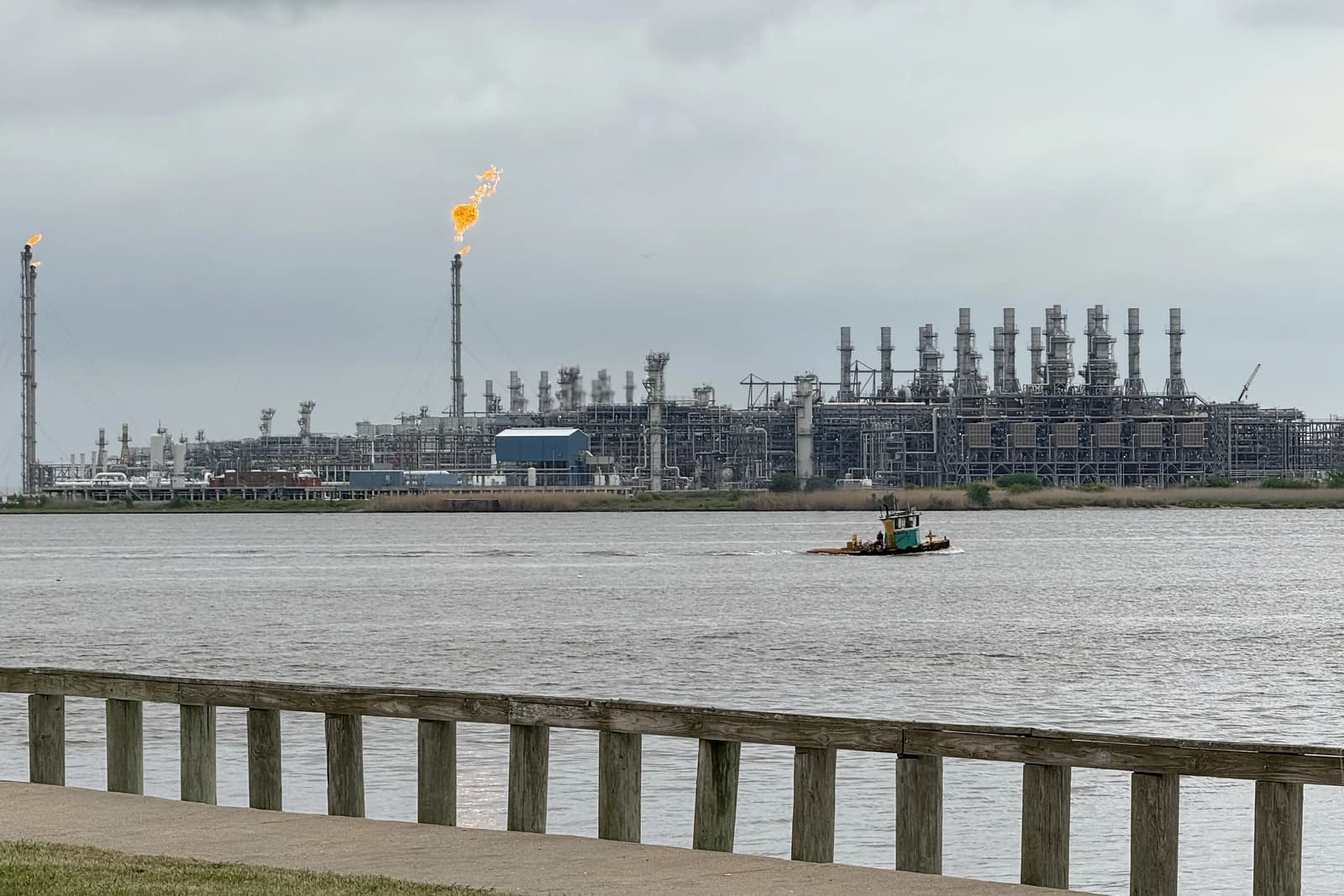
Vietnam is moving closer to locking in foreign capital, technology and LNG supply for a 1,500-megawatt power project in Long Son that could become one of the country’s most important new energy assets and a template for how Hanoi plans to close its widening electricity gap.
Vietnam Long Son LNG power project advances
That matters because the project sits at the intersection of three pressures investors cannot ignore: Vietnam’s fast-rising power demand, the country’s need for lower-emission baseload generation, and the scramble across Asia to secure LNG supply and financing as gas markets remain volatile. If Long Son advances on schedule, it would add a major new source of electricity for southern Vietnam, where local power capacity currently covers only about 47% of demand, while also deepening France-Vietnam energy cooperation at a time when both governments are pushing strategic industrial ties.
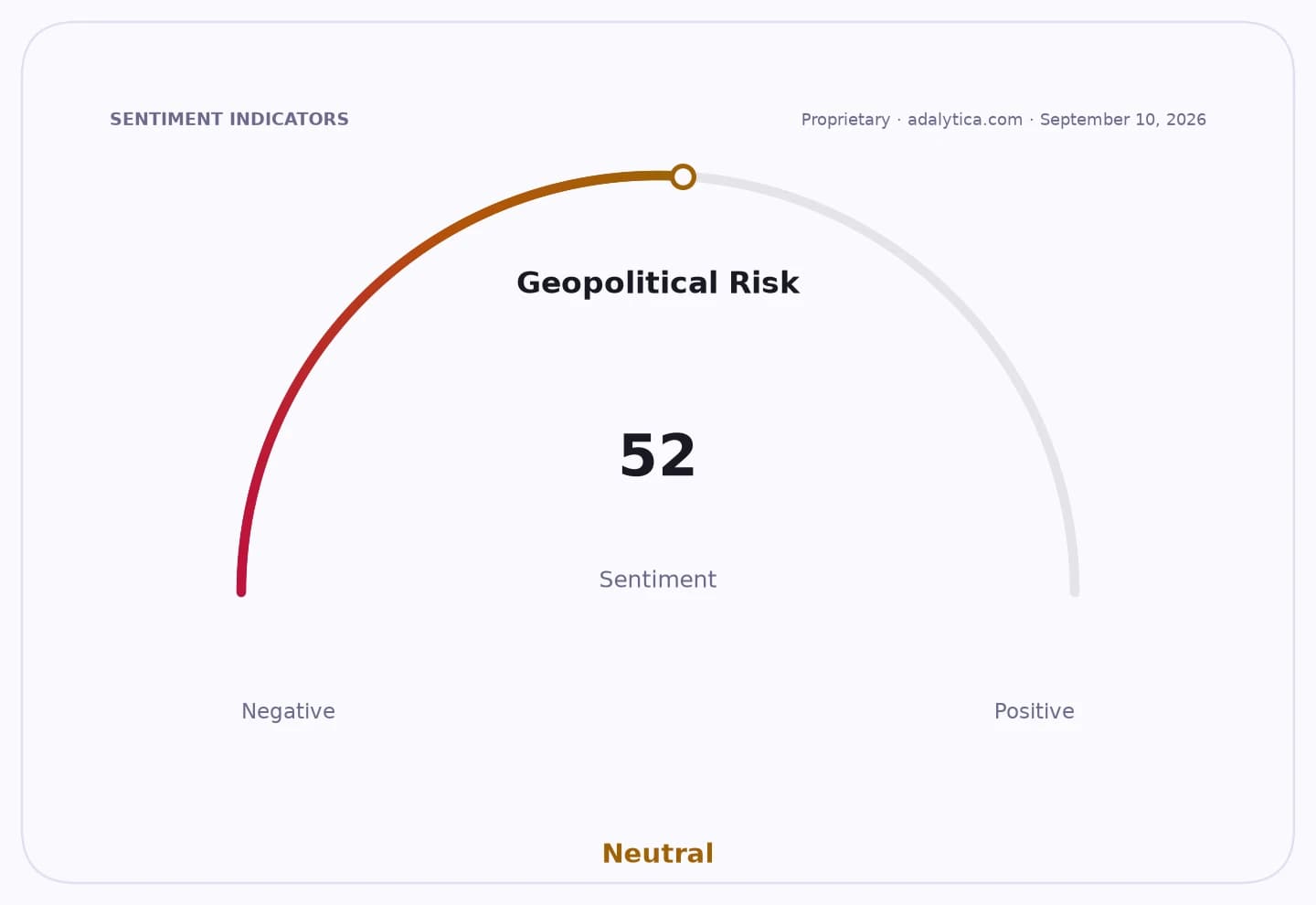
Sentiment IndicatorsⓘProprietary · adalytica.com · September 23, 2026
This is a snapshot — live sentiment, awareness and momentum for 130+ markets update continuously in the dashboard.Open AlphaPulse
The first phase of the project is slated at roughly 1,500 MW on more than 42 hectares, with total investment of nearly 40 trillion dong, or about $1.6 billion. Vietnamese authorities are also asking to accelerate the project into the 2026-2030 window and have proposed a second phase that could lift total capacity to 4,500 MW from 3,000 MW, alongside a potential energy-storage hub in Long Son.
That scale matters for the wider economy. Vietnam’s revised power plan earmarks LNG for a meaningful share of the generation mix, and officials say the country expects 22 LNG projects to be built and operating between 2025 and 2035. Yet the bottlenecks are not just construction delays: financing, grid infrastructure, market structure and risk-sharing remain the real choke points. Long Son is important because it addresses all four if the partnership structure holds.
The market implication is straightforward: Vietnam is signaling that it will not meet its industrialization goals on renewables alone. It needs firm power, and LNG is emerging as the bridge fuel of choice. That creates a multi-year opportunity across the LNG value chain — from developers and financiers to shipping, storage, regasification and grid equipment suppliers — but only for companies able to manage supply contracts and capital intensity.
TotalEnergies is the critical piece in this setup. The French group is not just bringing credibility as a global LNG heavyweight; it is also positioning itself as a full-stack partner. Vietnam says TotalEnergies would help arrange international financing, invest in the power plant and LNG infrastructure, and deliver competitively priced LNG. The company sells around 44 million tonnes of LNG a year, roughly 10% of global trade, and has experience operating 16 large gas-fired units in Europe and the U.S. with about 6.7 GW of capacity. It has already supplied LNG to Thi Vai storage for the Nhon Trach 3 and 4 power plants, which gives it a foothold in Vietnam’s gas market.
For investors, that is the real thesis: the biggest winners are likely to be the capital-rich, globally integrated energy players that can underwrite long-dated LNG-to-power projects in emerging markets. The losers are slower domestic developers, overextended utilities and countries that cannot marshal financing fast enough to secure fuel and build grid capacity. In a world where geopolitical shocks have cut LNG supply by about one-fifth at times, the companies with scale, shipping optionality and project execution are becoming toll collectors on the next phase of Asian electrification.
The setup also lines up with the broader macro picture. Brent and U.S. energy markets remain sensitive to geopolitical risk, global rates stay high enough to punish weak projects, and risk appetite across energy infrastructure is still being filtered through inflation and dollar strength. That environment favors projects with strong sponsors, government backing and bankable offtake structures — exactly the kind of profile Long Son is trying to build.
I believe the market underestimates how quickly Vietnam’s power shortfall can turn LNG into a strategic asset class. Long Son is not just another project announcement. It is a signal that Vietnam wants foreign partners to help finance the next wave of energy infrastructure, and that France’s TotalEnergies sees a chance to lock in long-duration exposure to one of Asia’s fastest-growing power markets. If execution improves, this is the kind of catalyst that can re-rate the LNG infrastructure theme far beyond Vietnam.
| Entity | Gains | Losses |
|---|---|---|
| TotalEnergies | ▲Long-term LNG market access | ▼Project execution risk |
| T&T Group | ▲Foreign capital and expertise | ▼Higher financing complexity |
| Vietnam power system | ▲New firm generation | ▼Reliance on imported LNG |
| Domestic laggard developers | ▲— | ▼Slower project pipeline |