ENEOS Xplora is deepening its bet on LNG in Papua New Guinea at a time when Asian buyers are still racing to lock in future supply, and that matters because even a tiny equity increase in a major project can secure optionality in a tight long-dated gas market.
ENEOS Xplora Buys More Papua LNG Stake
The Japanese energy developer said it agreed with TotalEnergies EP PNG to buy an additional 0.49% interest in the Papua LNG project through its wholly owned unit ENEOS Xplora Papua LNG. After the deal and before any government participation, ENEOS Xplora Papua would hold 3.07% of the project; if Papua New Guinea’s state participation is exercised as expected, that stake would be diluted to 2.38%.
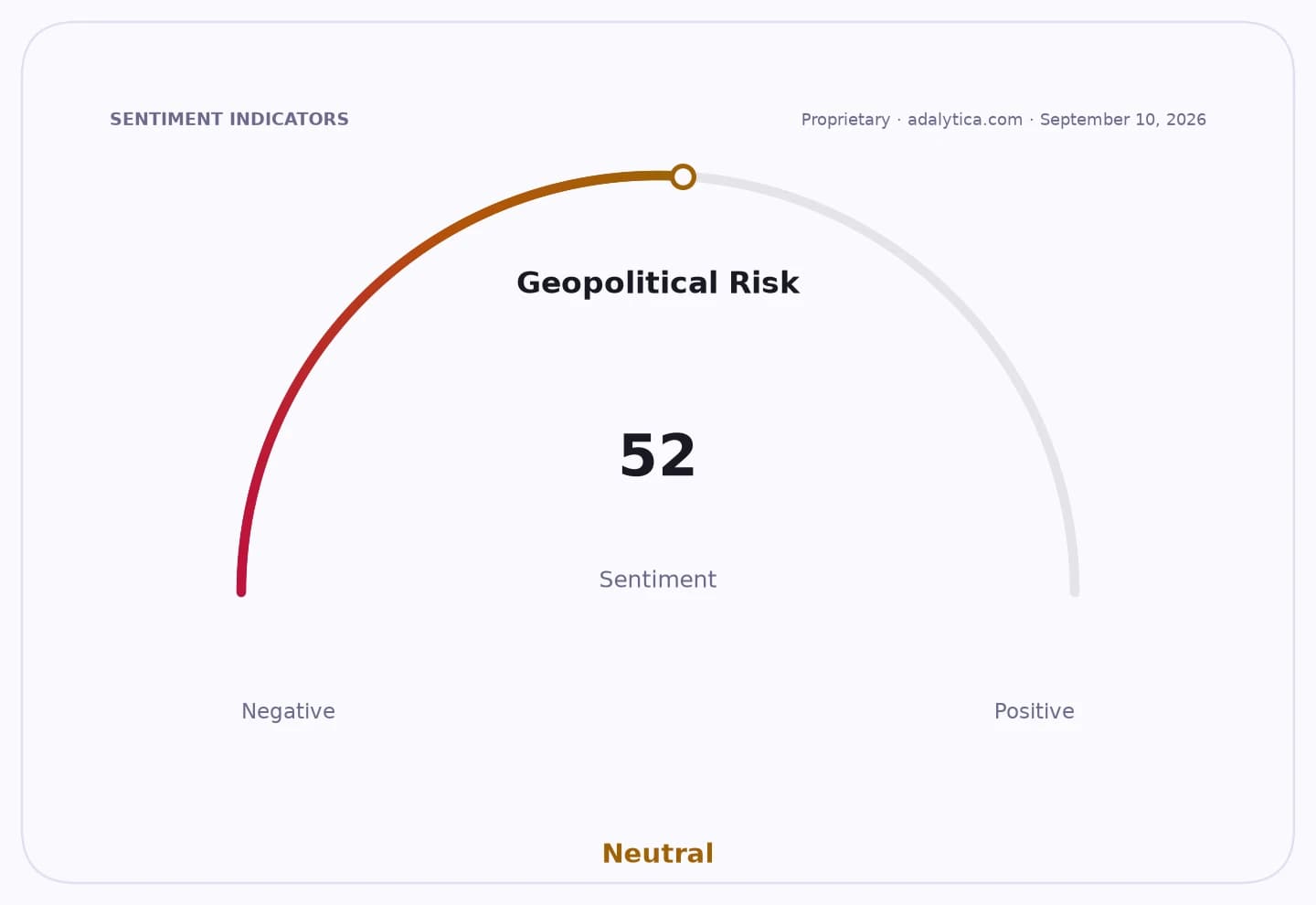
Sentiment IndicatorsⓘProprietary · adalytica.com · September 10, 2026
This is a snapshot — live sentiment, awareness and momentum for 130+ markets update continuously in the dashboard.Open AlphaPulse
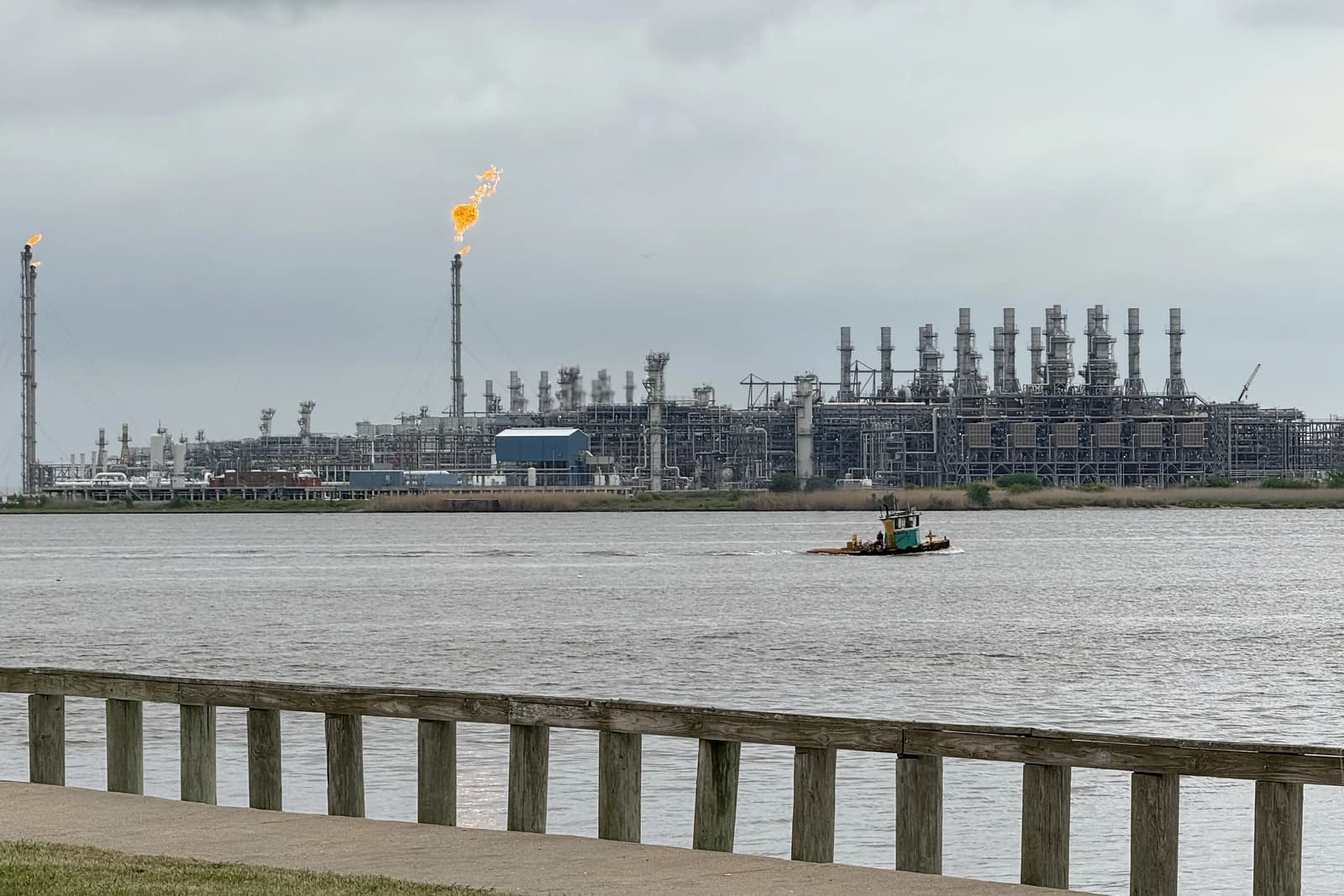
Papua LNG is planned as a 5.6 million-ton-per-year export project fed by gas from the Elk-Antelope field in Gulf Province. The transaction still needs final investment decision and approval from Papua New Guinea’s petroleum ministry, underscoring that the asset is moving closer to development but is not yet fully de-risked.
For investors, the significance is not the size of the stake, but the direction of travel. ENEOS Xplora is steadily tightening its exposure to a strategic LNG corridor that already includes PNG LNG and now Papua LNG, aligning with Japan’s broader need for low-carbon bridge fuels and Asia’s structural demand for reliable gas. In a market where new LNG supply remains crucial to energy security, small equity additions can be powerful because they preserve future offtake influence without requiring outright control.
That is why the deal should be read as part of a bigger capital-allocation theme across the LNG sector: buyers and partners are positioning early ahead of the next wave of supply, while developers seek to lock in sponsors before final investment decisions. If Papua LNG advances, the beneficiaries are the project partners and LNG importers in Asia that want diversified supply; the relative losers are spot-market buyers and competing projects that miss the window.
The broader backdrop is still constructive for LNG. The industry sits at the center of the energy transition as governments and utilities look for fuel that is cleaner than coal but dispatchable enough to support industrial demand and power reliability. That makes Papua LNG, and ENEOS Xplora’s larger stake in it, a small transaction with outsized strategic value.
I believe investors should keep watching the LNG toll roads, not just the commodity price. As final investment decisions filter through the sector, the real upside may accrue to companies that already own stakes in future supply, infrastructure and transport. ENEOS Xplora’s move is another reminder that the market underestimates how much value sits in incremental participation in high-quality LNG projects before they are fully sanctioned.
| Entity | Gains | Losses |
|---|---|---|
| ENEOS Xplora | ▲Larger LNG exposure | ▼More capital at risk |
| TotalEnergies EP PNG | ▲Sells minority stake | ▼Slightly reduced upside |
| Papua LNG project | ▲Stronger sponsor support | ▼More complex ownership |
| Asian LNG buyers | ▲Future supply optionality | ▼Higher competition for supply |