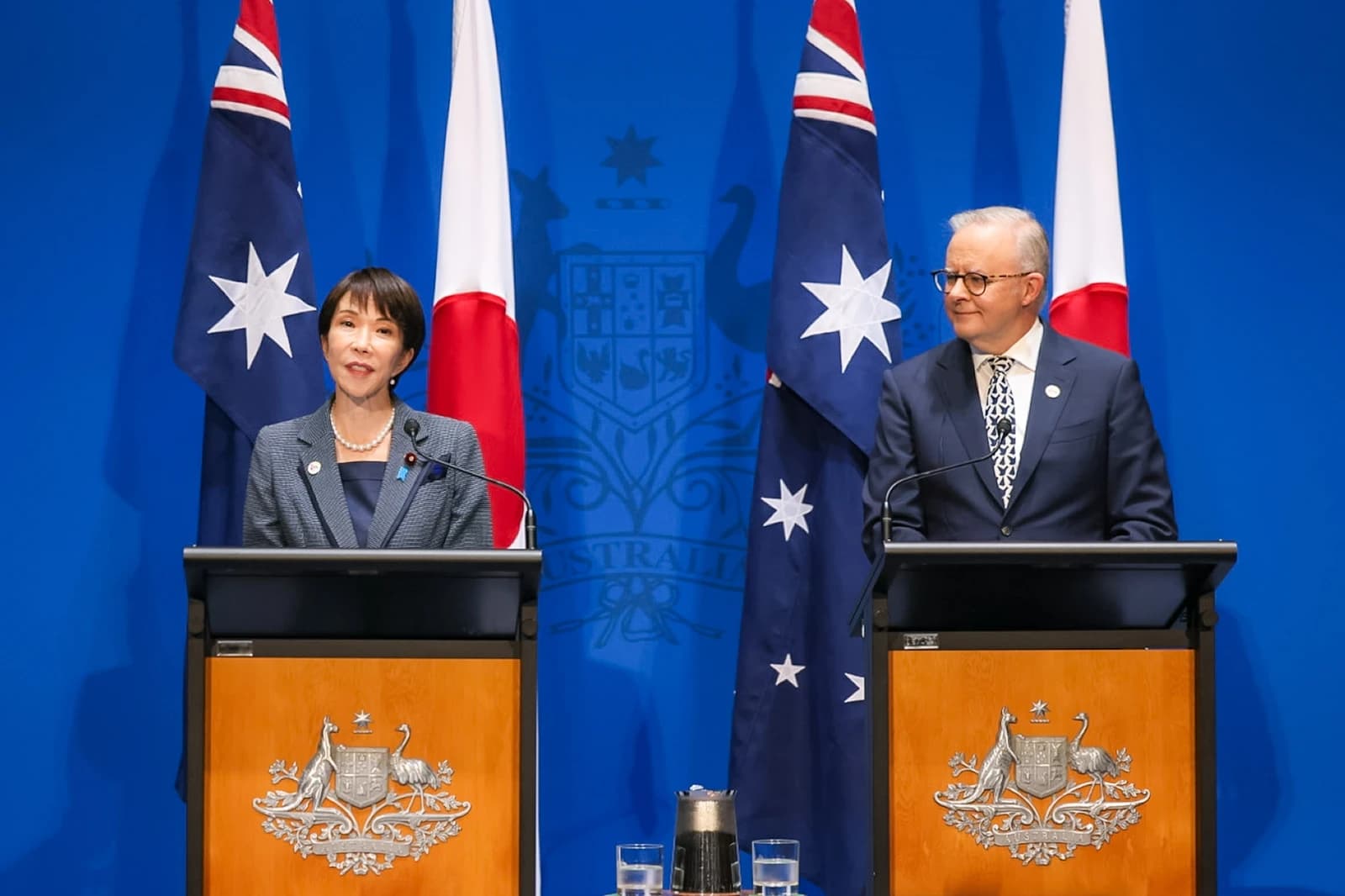
Australia and Japan are turning a long-running commercial relationship into a strategic partnership that investors should watch closely, because it is reshaping supply chains, defense spending and the balance of power in the Indo-Pacific.
Australia, Japan deepen defense and LNG ties
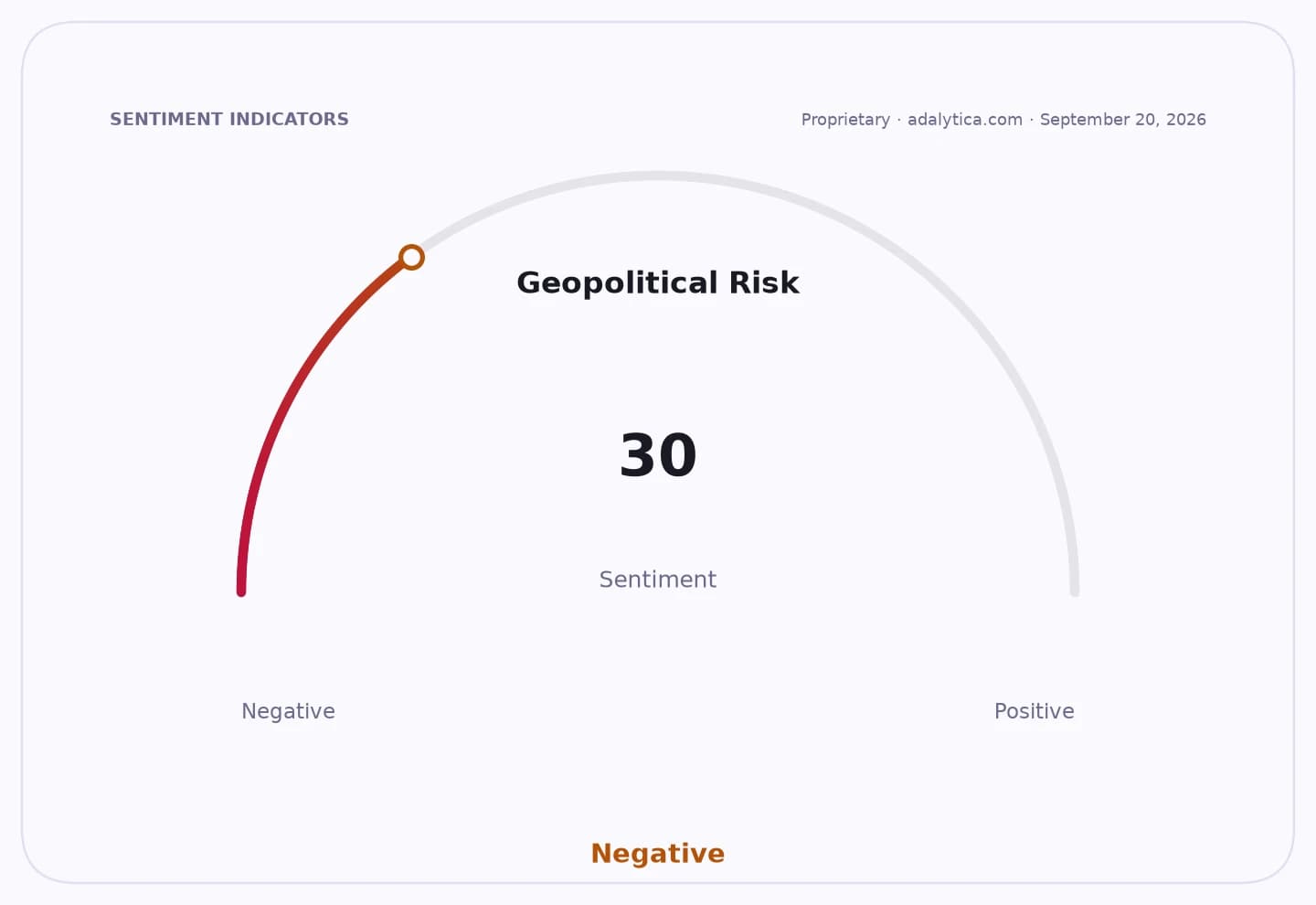
The most important development is not just that Canberra and Tokyo are talking more openly about energy and security. It is that they are building the practical machinery of an anti-China alignment: long-term LNG supply, critical minerals cooperation and a multibillion-dollar frigate deal that ties their industrial bases together for years.
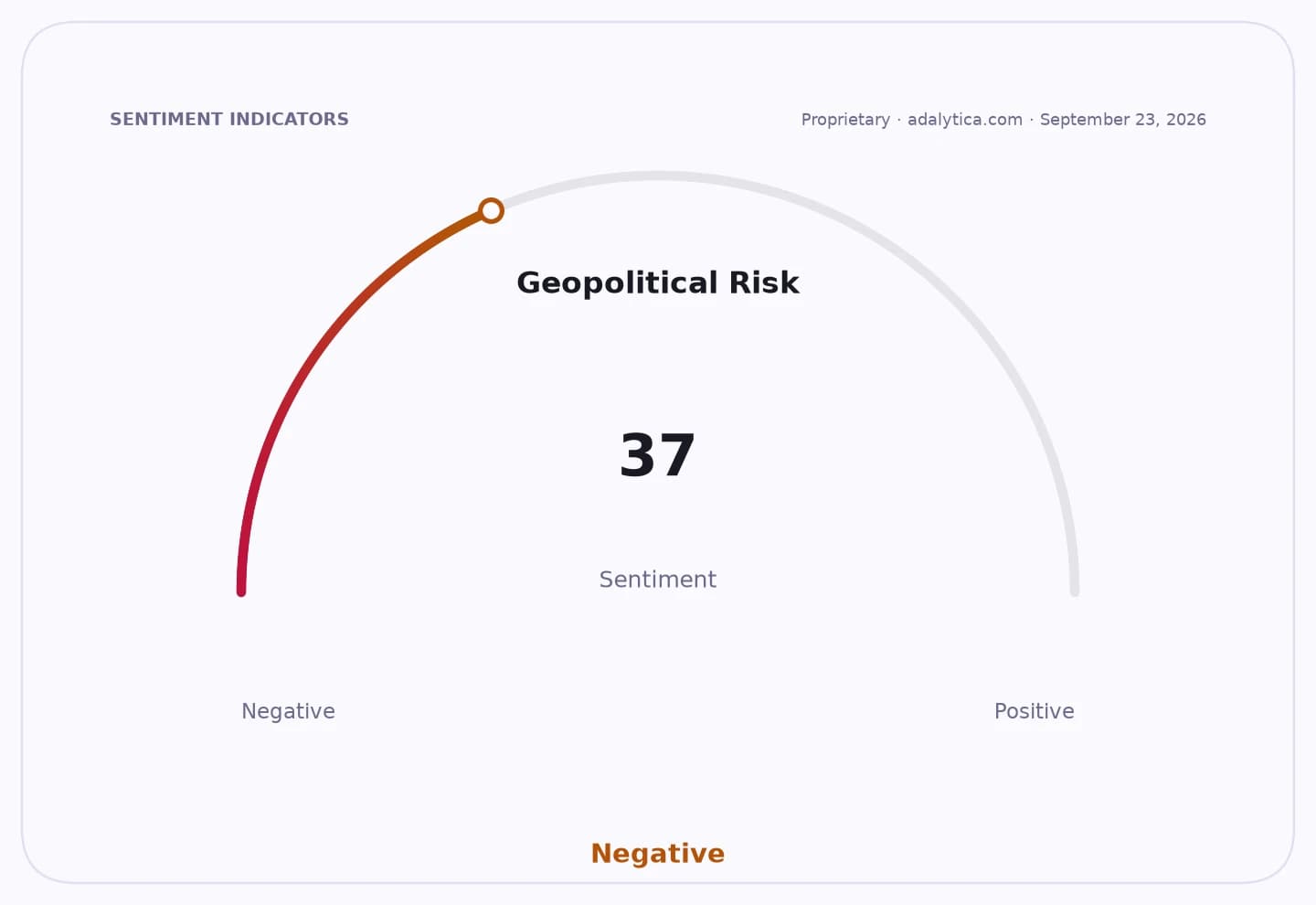
Sentiment IndicatorsⓘProprietary · adalytica.com · September 20, 2026
This is a snapshot — live sentiment, awareness and momentum for 130+ markets update continuously in the dashboard.Open AlphaPulse
That matters economically because both countries sit on assets Beijing needs and both are trying to reduce their exposure to Chinese leverage. Australia is Japan’s largest LNG supplier, and Australian ambassador Andrew Shearer said Canberra has never missed a shipment to Japan, even through crises and pandemics. In a region where energy security is increasingly national security, that kind of reliability is valuable. It also gives Australia another reason to invest in upstream gas, renewables and export infrastructure, while Japan gains a more dependable source of fuel for its economy as it manages the shift away from nuclear and coal.
For investors, the clearest message is that rearmament and resource diplomacy are no longer separate stories. They are reinforcing each other. Australia and Japan have already committed to a “Critical Minerals Partnership,” and in May they agreed to put up $1.2 billion to support the sector. That is a direct tailwind for miners, refiners and infrastructure firms positioned around lithium, rare earths and other inputs needed for batteries, defense systems and the energy transition. Companies with secure access to non-Chinese supply chains should keep winning strategic premium valuations.
The defense side is just as important. The Mogami memorandum could see Japan supply up to 11 next-generation frigates to Australia in a deal worth as much as A$20 billion. The first three vessels are to be built by Mitsubishi Heavy Industries in Nagasaki, with the rest assembled in Western Australia. That is a powerful signal that Japan is becoming a more serious arms exporter as it loosens export restrictions, while Australia accelerates a naval buildup designed to deter Chinese assertiveness and to cope with a tougher maritime environment.
From an investor’s point of view, the winners are easy to identify. Mitsubishi Heavy Industries gets a major defense export opportunity. Australian shipbuilding and industrial contractors stand to benefit from local assembly work. Miners exposed to critical minerals may also see stronger policy support and better demand visibility. Even LNG producers remain in a favorable position as Japan continues to prize supply security.
The risk, of course, is that this alignment draws sharper retaliation from China or gets slowed by politics, budgets and industrial bottlenecks. But over a 3- to 10-year horizon, the direction is clear: the Pacific is moving toward more defense spending, more resource security and more supply-chain diversification. For long-term investors, that is not a short-term trade. It is a structural theme worth adding to the watchlist.
| Entity | Gains | Losses |
|---|---|---|
| Australia | ▲Defense jobs, LNG demand, mineral exports | ▼Greater China friction |
| Japan | ▲Energy security, export platform, defense reach | ▼Higher rearmament costs |
| Mitsubishi Heavy Industries | ▲Frigate contract pipeline | ▼Limited if exports face delays |
| China | ▲— | ▼Strategic room in the Pacific |