Russia’s public push to spotlight military cooperation with China in Beijing underscores how far the two powers have moved toward a de facto strategic bloc — and why that matters for defense spending, sanctions risk and the fragile balance of power in Asia-Pacific.
Russia-China military ties deepen at Xiangshan Forum
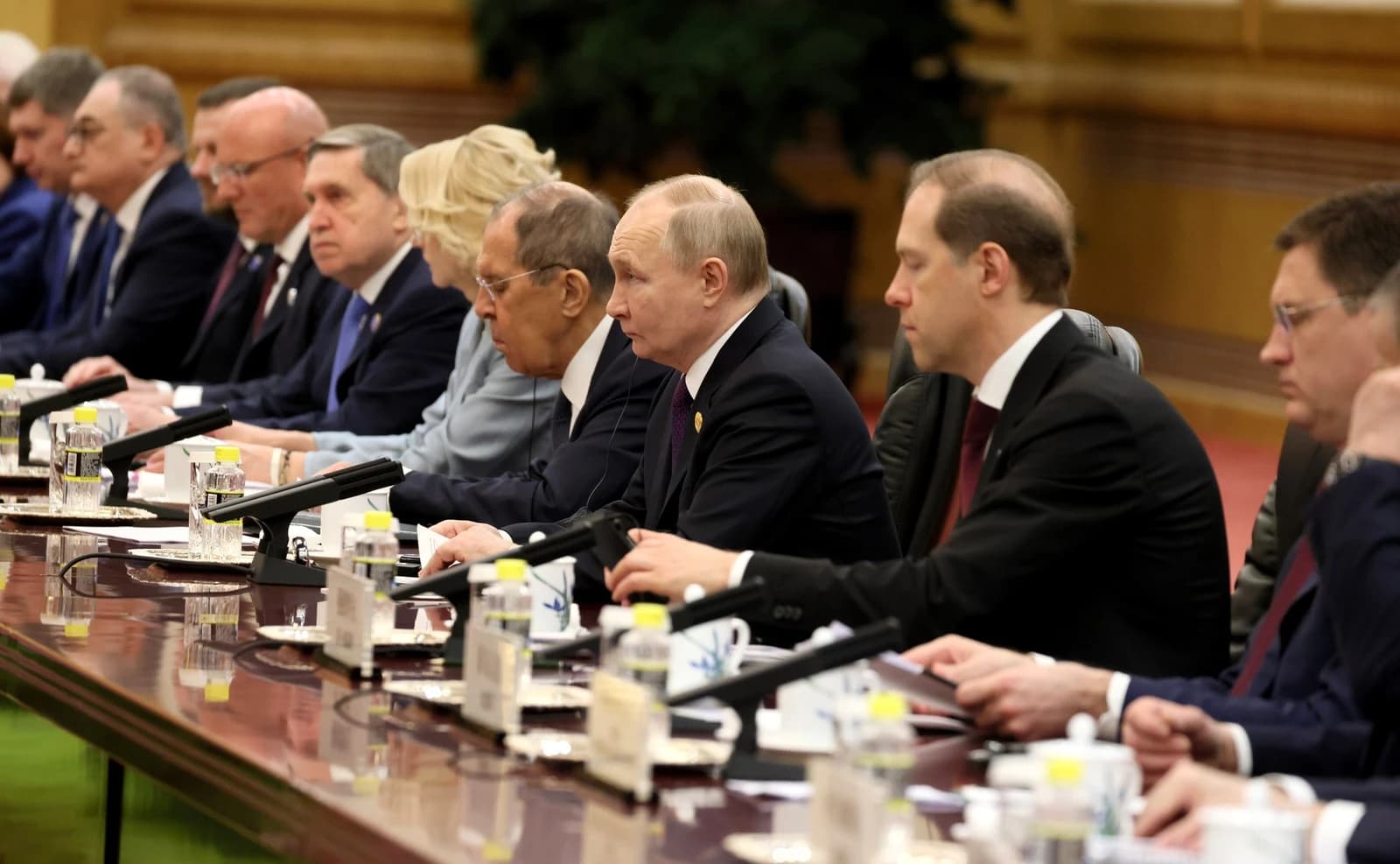
Moscow used the Xiangshan Forum, China’s main annual military-diplomacy gathering, to call its relationship with Beijing “unprecedented” and to criticize what it described as “closed bloc structures” in the region. That is more than rhetorical positioning. It is a signal that Russia intends to deepen coordination with China across defense, energy and diplomacy even as Western pressure persists over Ukraine and broader security tensions continue to build in the Pacific.
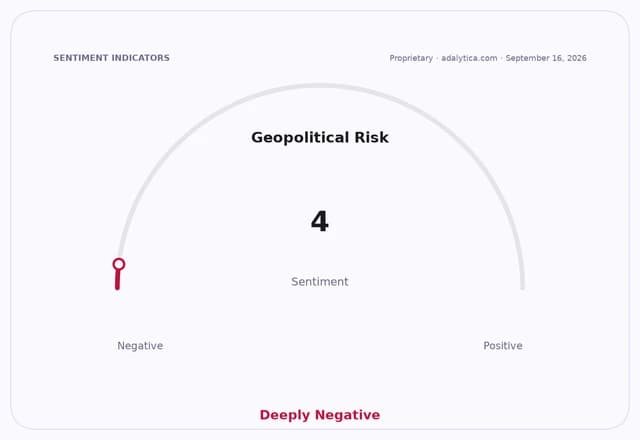
For investors, the message is straightforward: a tighter Russia-China alignment keeps global geopolitics in a higher-risk regime, where defense budgets stay elevated, supply chains remain vulnerable and sanctions architecture becomes a more durable feature of trade. That is supportive for the big U.S. primes with exposure to rising military spending, but it also raises the odds of retaliation, export controls and a further split in global commerce that can hit multinational industrials and commodity markets unevenly.
The timing matters. Russia said President Vladimir Putin will visit China again soon for the APEC summit in November, following talks with Xi Jinping two weeks ago in Kyrgyzstan on the margins of the Shanghai Cooperation Organisation meeting. The cadence of those meetings reinforces the market’s real concern: this is not episodic diplomacy, but a sustained strategic realignment that is gaining operational depth through joint maneuvers, air patrols and closer command-level contacts.
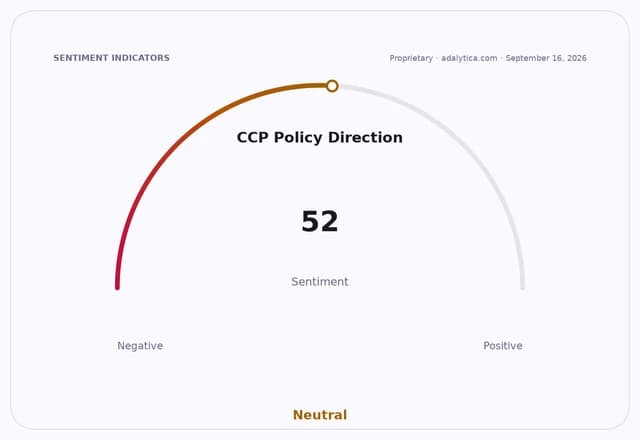
China, for its part, continues to position itself as a champion of multipolarity and sovereignty, language that plays well across the Global South even as Washington and its allies harden their own regional security posture. That leaves Asia-Pacific at the center of a broader contest over military access, energy routes and technology controls — exactly the kind of environment that tends to widen the premium on defense, cyber, aerospace and domestic industrial capacity.
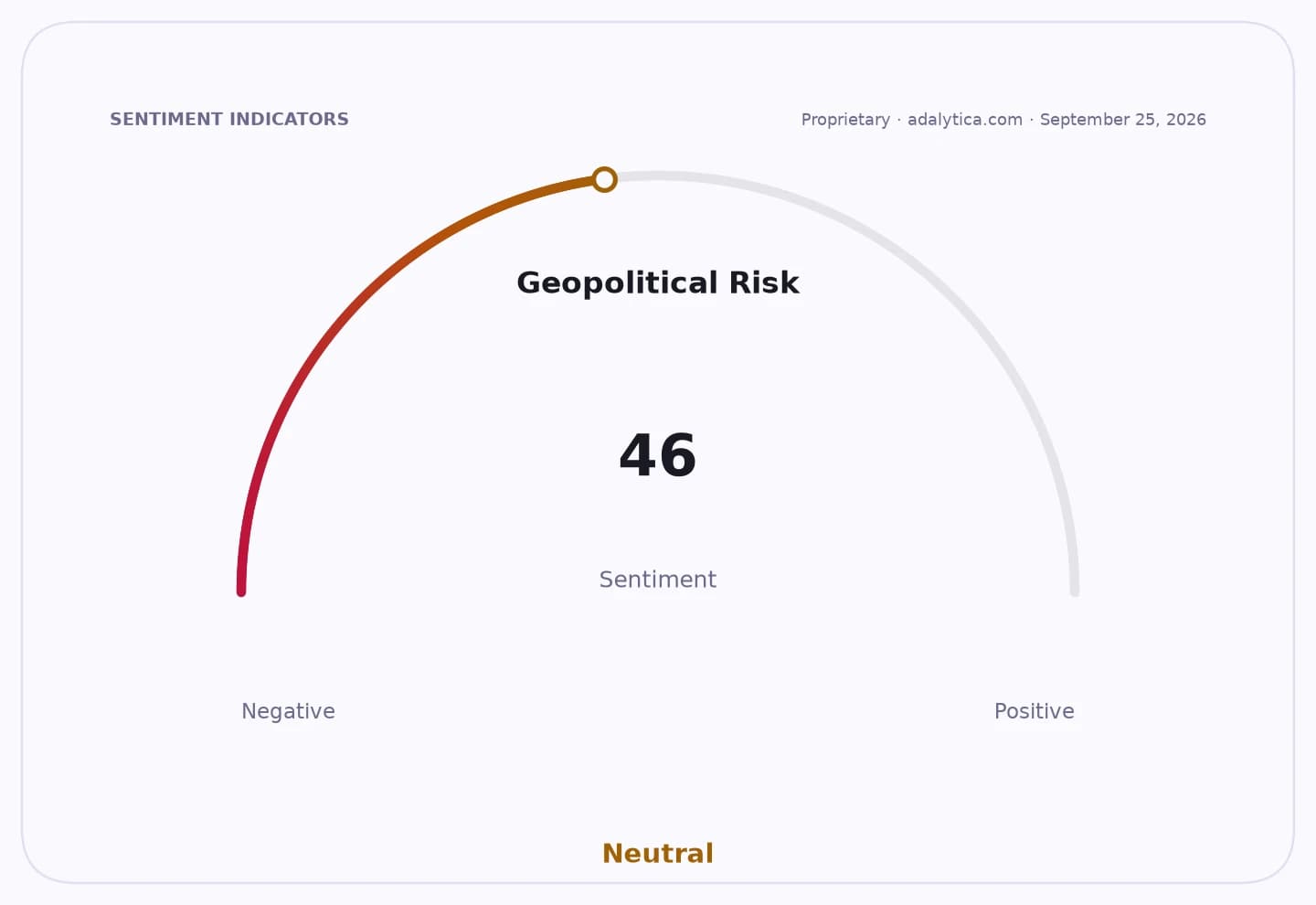
The market is still underpricing how much this bloc formation can reshape capital flows over the next several years. Elevated global stability fear, reflected in Adalytica’s Global Stability Sentiment at an “Extreme Fear” reading of 4, is the sort of backdrop that usually favors hard-asset exposure, defense contractors and supply-chain localization plays. It also argues for caution on companies most exposed to China demand, cross-border licensing and politically sensitive exports.
In my view, the investable takeaway is to stay long the infrastructure of rivalry: defense primes, missile and sensor suppliers, shipbuilders, nuclear and energy-security names, and selected industrials tied to rearmament and reshoring. The Russia-China partnership is no longer a diplomatic curiosity; it is becoming a structural feature of the global market regime, and the winners will be those built to profit from a longer period of geopolitical fragmentation.
| Entity | Gains | Losses |
|---|---|---|
| Russia and China | ▲Strategic leverage | ▼Diplomatic isolation |
| Defense contractors | ▲Higher budgets | ▼— |
| Western exporters | ▲— | ▼Sanctions and controls |
| Asia-Pacific markets | ▲Security spending | ▼Trade and risk premium |