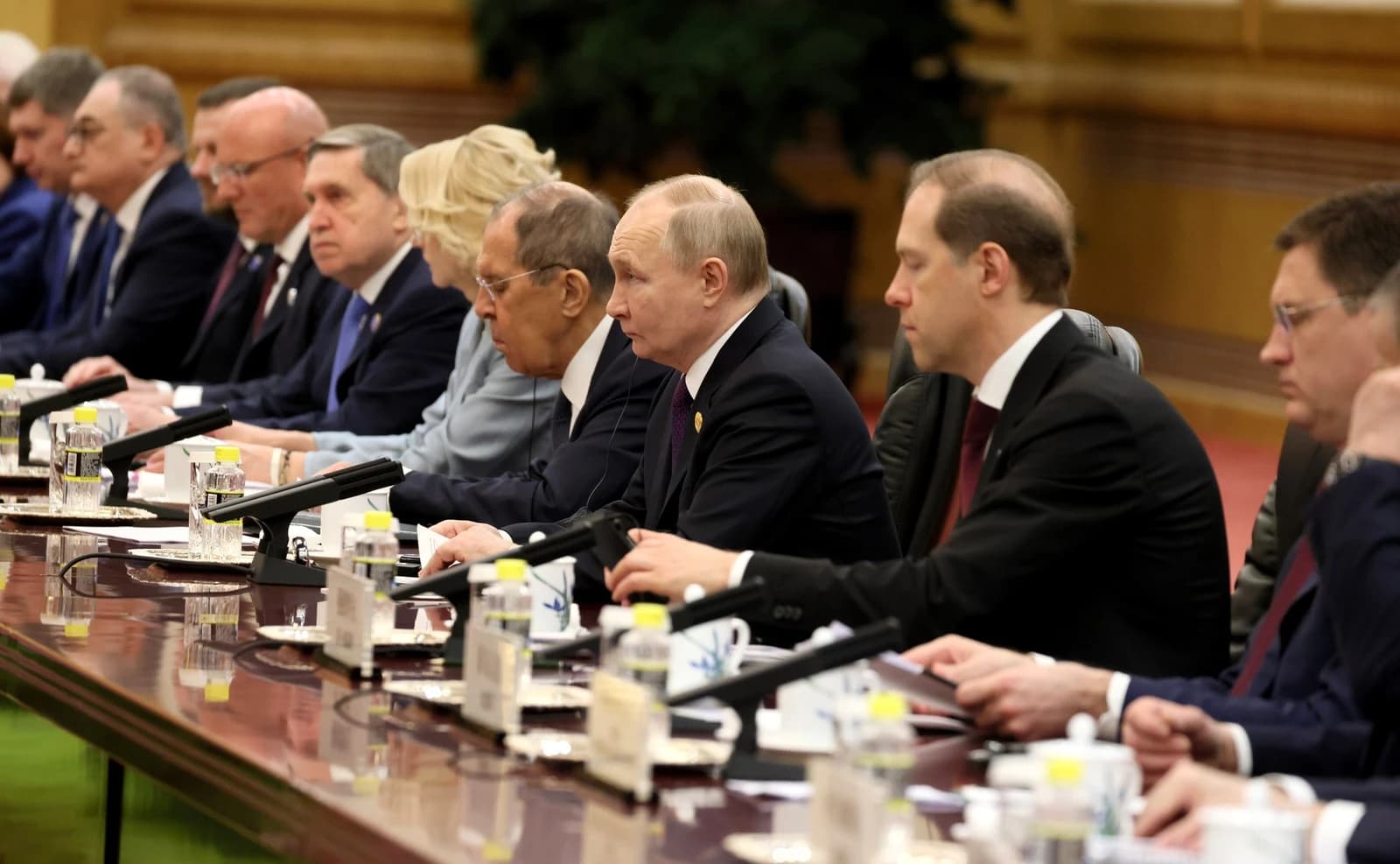
China and Russia are moving to turn a temporary visa-free travel regime into a permanent one, a step that would lower barriers for people, business and logistics while underscoring how far the two governments have taken their strategic alignment.
China Russia Visa-Free Travel Could Become Permanent
The immediate economic impact is limited, but the policy matters because it makes bilateral engagement easier at a time when both countries are already reorienting trade, travel and supply chains away from Western markets. For companies, traders and service providers, fewer visa frictions can translate into more frequent business visits, more tourism, and a steadier flow of commercial contacts between two economies that have grown more intertwined under sanctions and geopolitical pressure.
Sentiment IndicatorsⓘProprietary · adalytica.com · September 1, 2026
This is a snapshot — live sentiment, awareness and momentum for 130+ markets update continuously in the dashboard.Open AlphaPulse
Chinese Foreign Ministry comments framing the arrangement as evidence of “high-level strategic mutual trust” suggest Beijing sees the policy as more than a convenience measure. That matters for investors because it points to continuity in China-Russia cooperation despite Western attempts to isolate Moscow. The deeper the institutional glue between the two sides, the harder it becomes for sanctions to fully disrupt cross-border activity, especially in energy, commodities, transport and consumer travel.
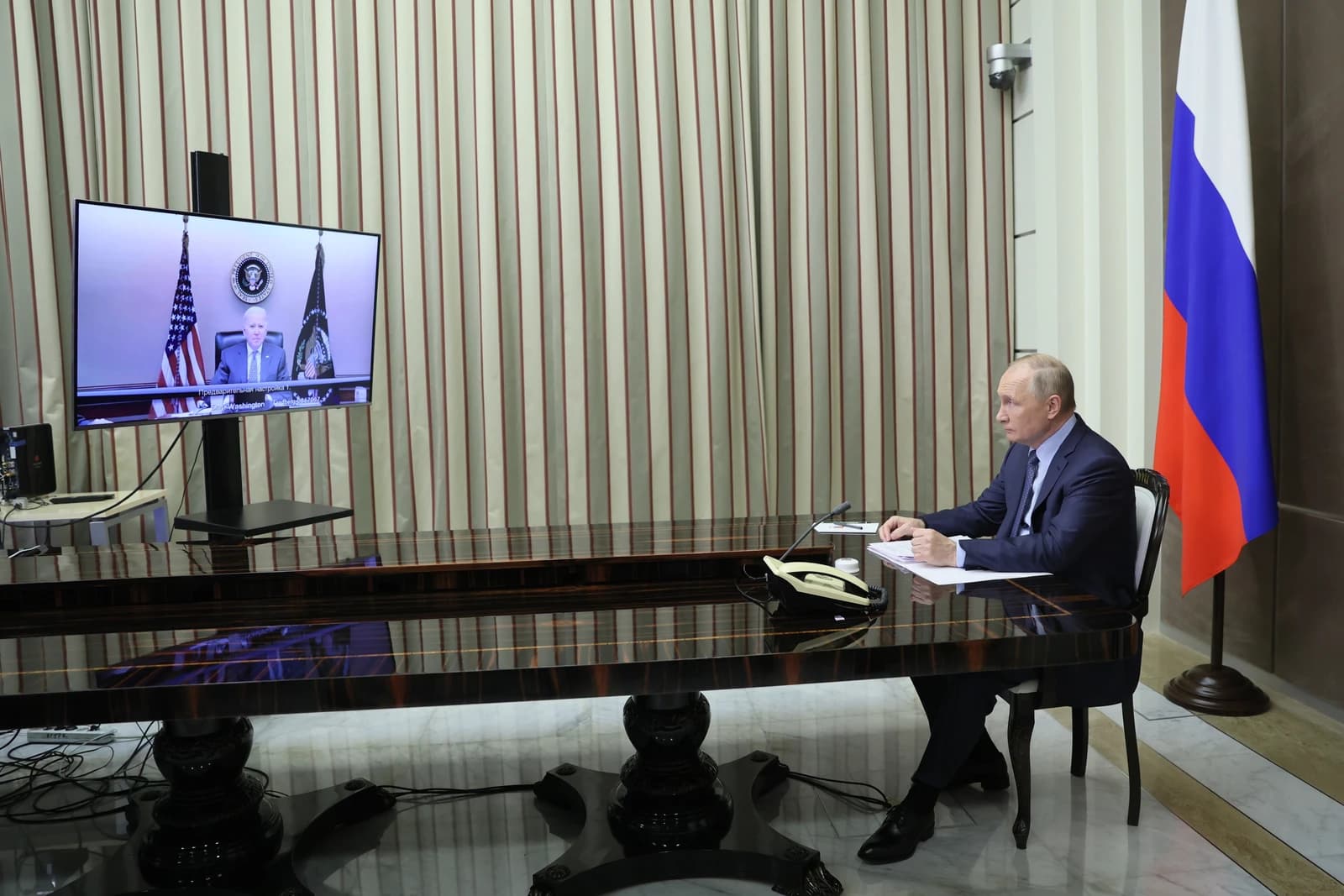
The move also has a geopolitical edge. Russia has been looking for ways to reinforce ties with China as its access to Europe and the United States remains constrained, while Beijing continues to manage the optics of its relationship with Moscow amid war-related scrutiny from the West. A permanent visa-free arrangement would formalize a relationship already shaped by trade flows, diplomatic coordination and security alignment, including concerns in Western capitals that China is indirectly supporting Russia’s war effort.
Markets are unlikely to price the announcement as a standalone catalyst, but it fits a broader pattern investors should not ignore: China and Russia are building a more durable bilateral bloc, one that could eventually affect energy routes, regional security risk and the long-run shape of sanctions compliance. That backdrop helps explain why global-stability gauges remain fragile even when headline risk eases, and why investors in Europe, commodities and emerging markets should keep watching for further institutionalization of the partnership.
The key question now is how far the arrangement is extended and how quickly it is implemented. If permanent visa-free travel becomes reality, it will be another sign that China and Russia intend to normalize a relationship that is increasingly strategic, operational and resistant to outside pressure.
| Entity | Gains | Losses |
|---|---|---|
| China | ▲Easier business travel | ▼Higher Western scrutiny |
| Russia | ▲Broader access to China | ▼Continued dependence on Beijing |
| Cross-border firms | ▲Lower friction, more visits | ▼Sanctions/compliance risk |
| Western policymakers | ▲None | ▼Fewer tools to isolate Moscow |