The cost of shipping Russian coal from the port of Vostochny to China has climbed to an all-time high, underscoring how a shortage of available ships and higher fuel costs are squeezing one of Moscow’s key export routes just as Asian coal flows stay elevated.
Russian coal shipping costs hit record on China route
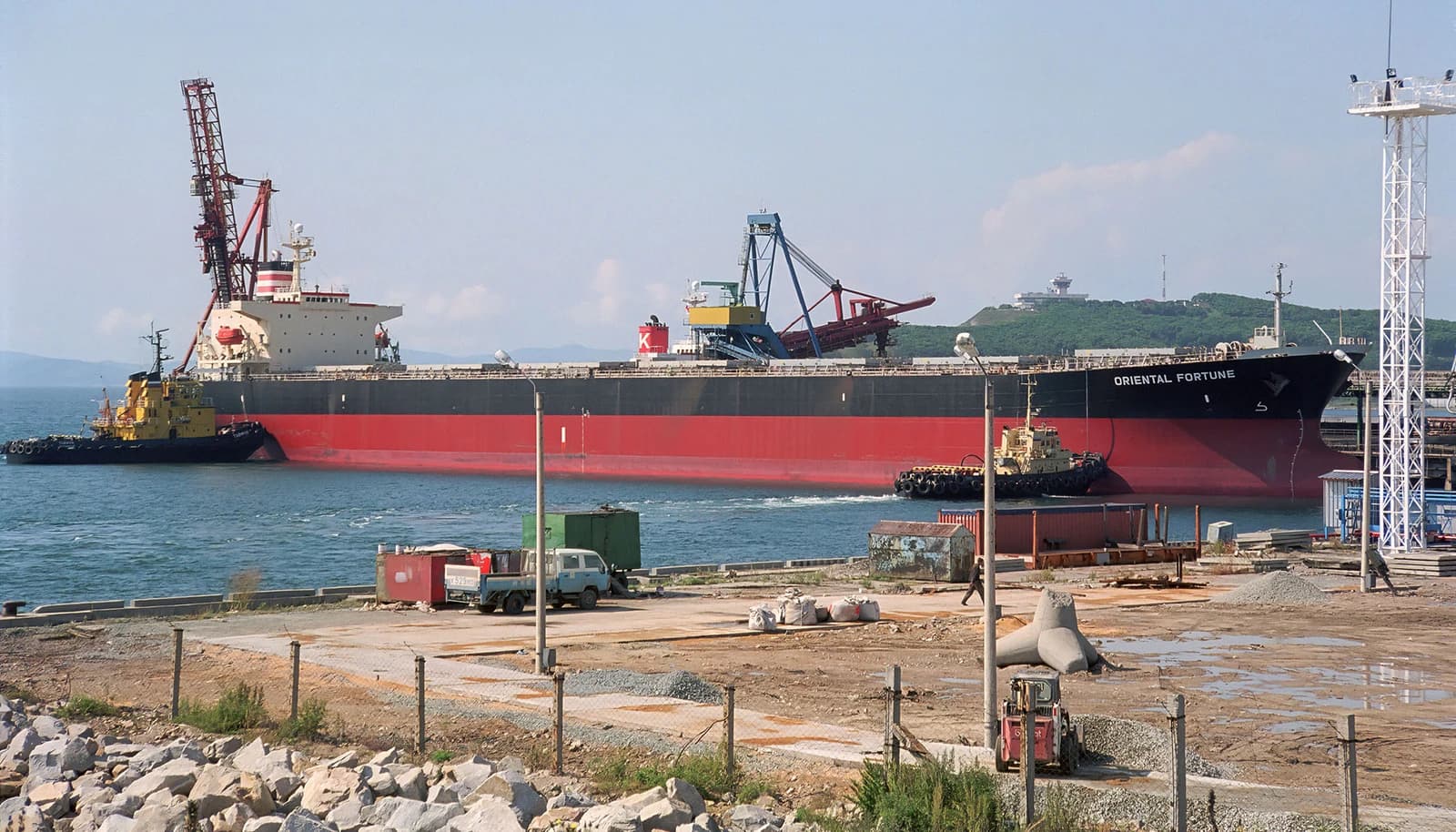
By Sept. 18, freight rates for deliveries to North China had risen 6% to $13.3-$14.3 a ton, while shipping to South Korea reached $12.5-$13.3 a ton and to India $24.5-$40 a ton, according to Kommersant. Market participants say the jump reflects both stronger export demand and more expensive bunker fuel, with winter ice conditions adding further cost because only ice-class vessels can operate efficiently.
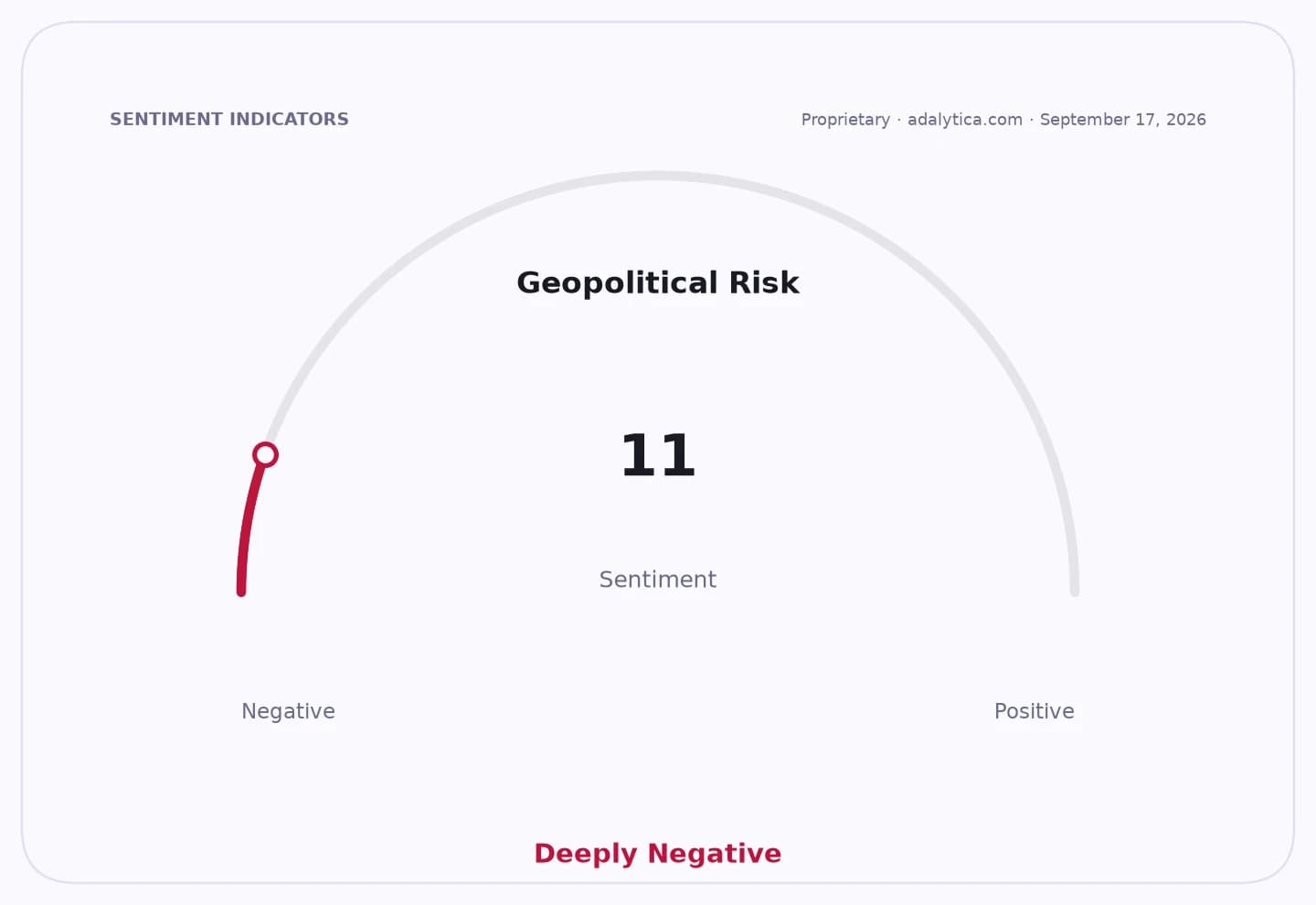
Sentiment IndicatorsⓘProprietary · adalytica.com · September 29, 2026
This is a snapshot — live sentiment, awareness and momentum for 130+ markets update continuously in the dashboard.Open AlphaPulse
The spike matters because transport is now a larger part of the economics of Russian coal exports, especially for eastern routes that feed the Chinese market. When freight costs rise into record territory, they compress margins for miners and trading houses even if coal prices remain firm. In this case, exporters are still profitable, helped by favorable prices in Russia’s Far East and a weaker ruble, but the cushion is narrowing as logistics become the dominant variable.
The move also highlights how tight seaborne capacity has become across coal and other bulk cargoes. Russian supply chains are seeing not just higher rates from Vostochny, but also rising claims for loadings in northwestern ports, where shipments to China and India have risen as available tonnage shrinks. That suggests this is less a local disruption than a broader freight-market imbalance spreading across export corridors.
For investors, the immediate effect is mixed. Coal producers with access to strong export channels can still benefit from high delivered prices, but their cost base is rising at the same time. Shipping companies and vessel owners are the clear winners from the rate surge, while coal miners and utilities dependent on imported coal face higher input costs. For shipping-sensitive names, the record freight backdrop also argues for stronger near-term earnings, provided vessels remain deployed and fuel costs do not erode the gain.
The broader coal market is reinforcing the pressure. Russian energy coal at Vostochny has topped $106 a ton, up 47.3% since the start of 2026, after logistics disruptions and higher prices for rivals’ output from Indonesia and South Africa. At the same time, eastern coal shipments hit a record 10.6 million tons in August, and Russian coal exports to China rose 13.4% from a year earlier, suggesting demand remains robust enough to absorb higher transport charges for now.
Still, the key question for the rest of the quarter is whether freight can hold these levels. Analysts expect the current spike to last into October, but say rates could soften as Asia moves into its shoulder season and demand cools. If that happens, the pressure on miners’ margins should ease. If not, record shipping costs may become a structural feature of Russia’s coal trade rather than a temporary seasonal spike.
| Entity | Gains | Losses |
|---|---|---|
| Shipowners | ▲Higher freight revenue | ▼None in the near term |
| Russian coal miners | ▲Strong export volumes | ▼Higher logistics costs |
| Chinese buyers | ▲Secure supply access | ▼Higher delivered coal prices |
| Utilities and industrial users | ▲Supply continuity | ▼Input-cost inflation |