Russian coking coal shipments to Turkiye have fallen sharply this year, and the July halt in deliveries shows how Black Sea disruption is starting to reshape one of Moscow’s smaller but still important export markets.
Russia Coking Coal Shipments to Turkiye Fall
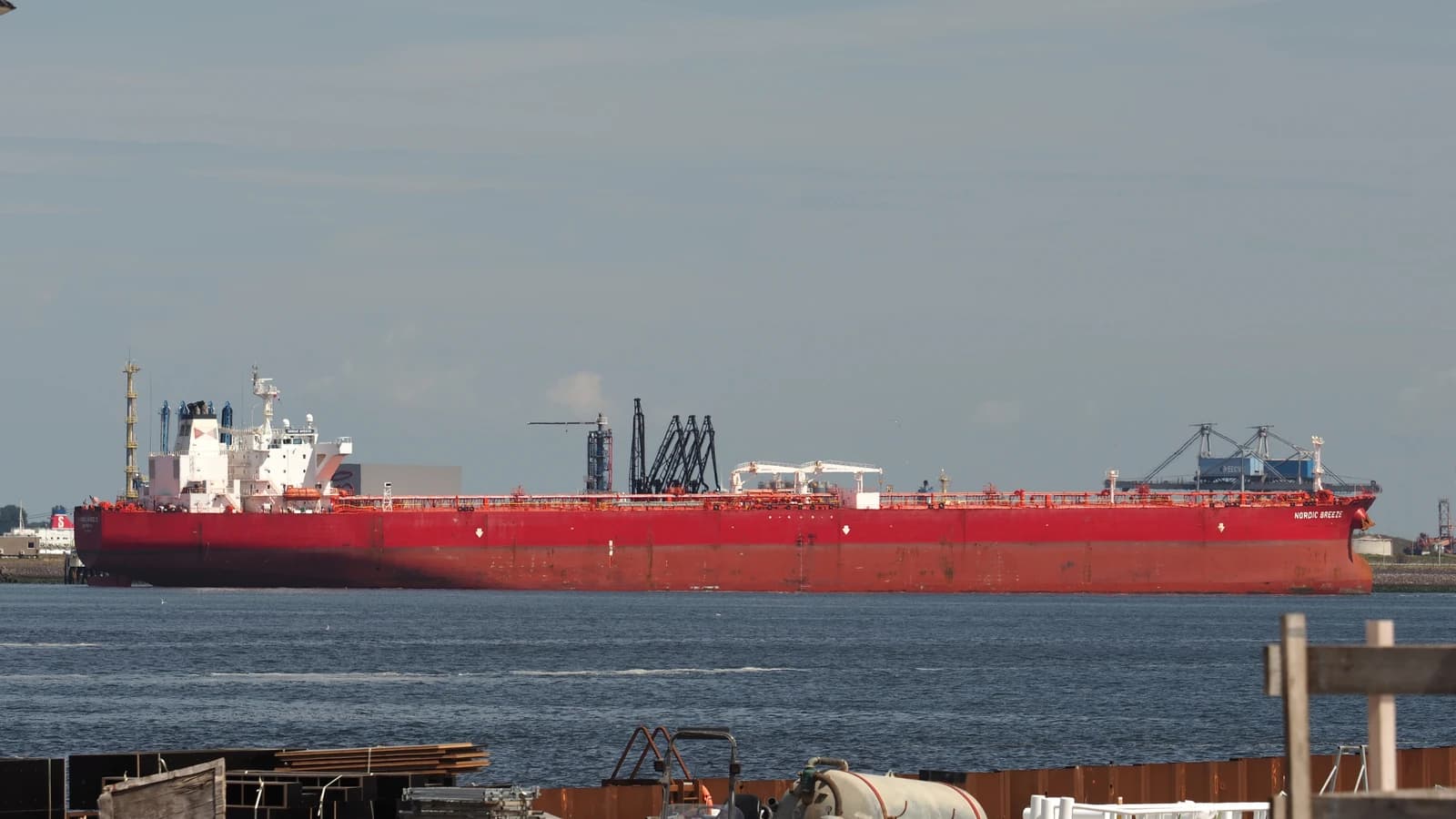
That matters because coal trade is not just about tonnage — it is about access, pricing power and the ability to keep long-term customers. Russia shipped 30% less coking coal to Turkiye in the first seven months of 2026, and in July the market bought none at all. For Russian exporters, the problem is twofold: Black Sea shipping has become more difficult, while rerouting through Baltic ports is too expensive to make sense. Some cargo is also being pulled toward the Far East, where prices are better.
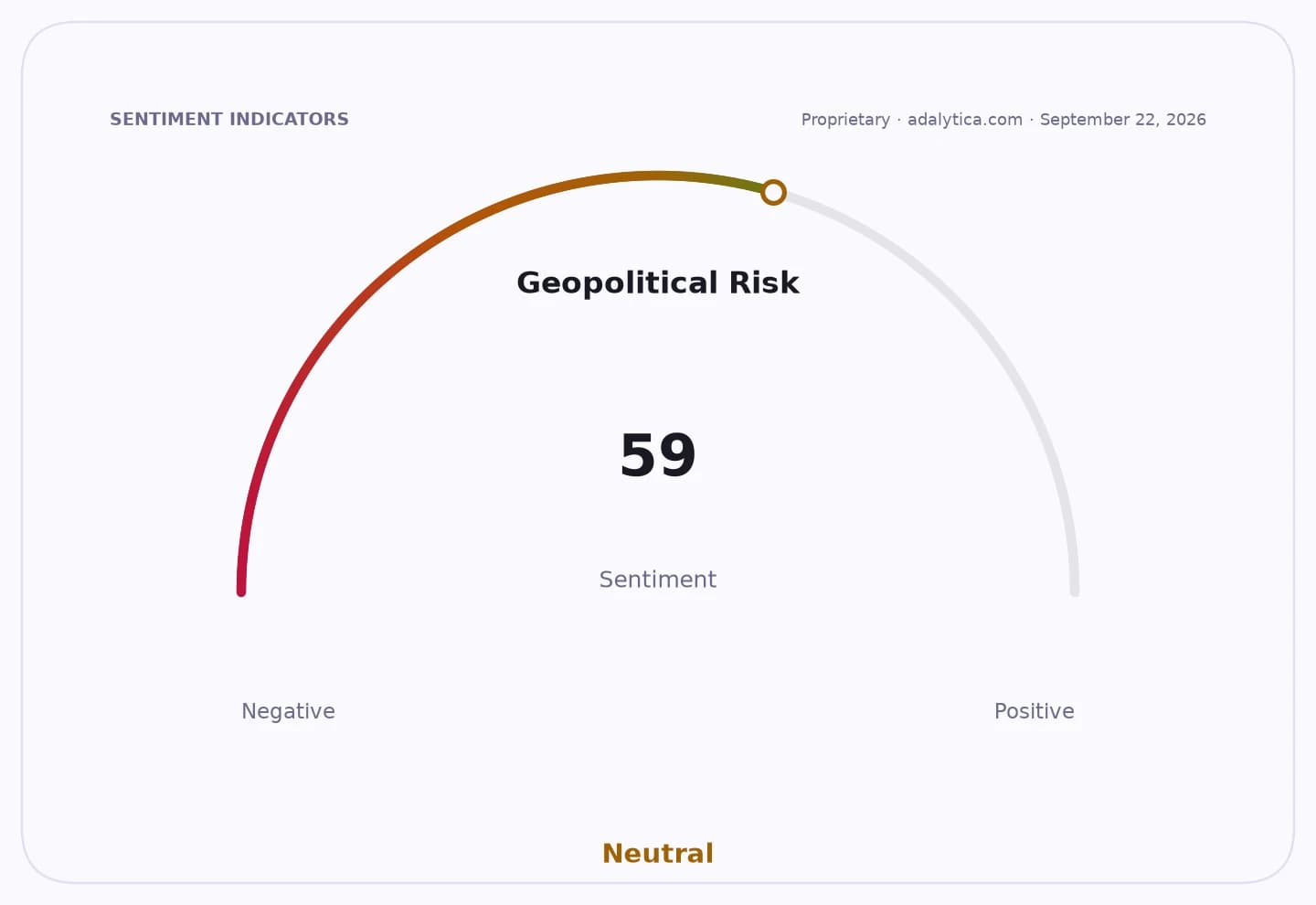
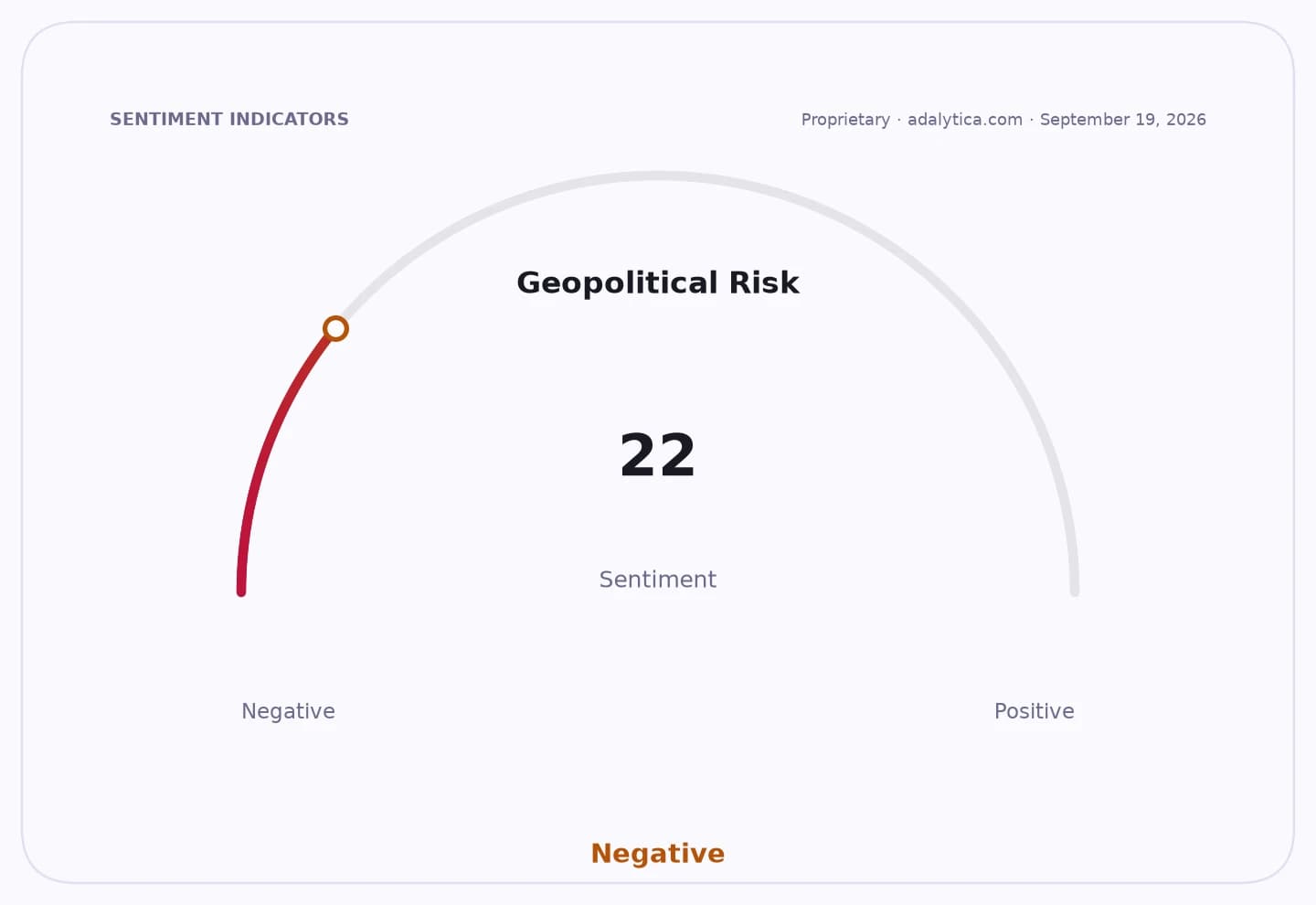
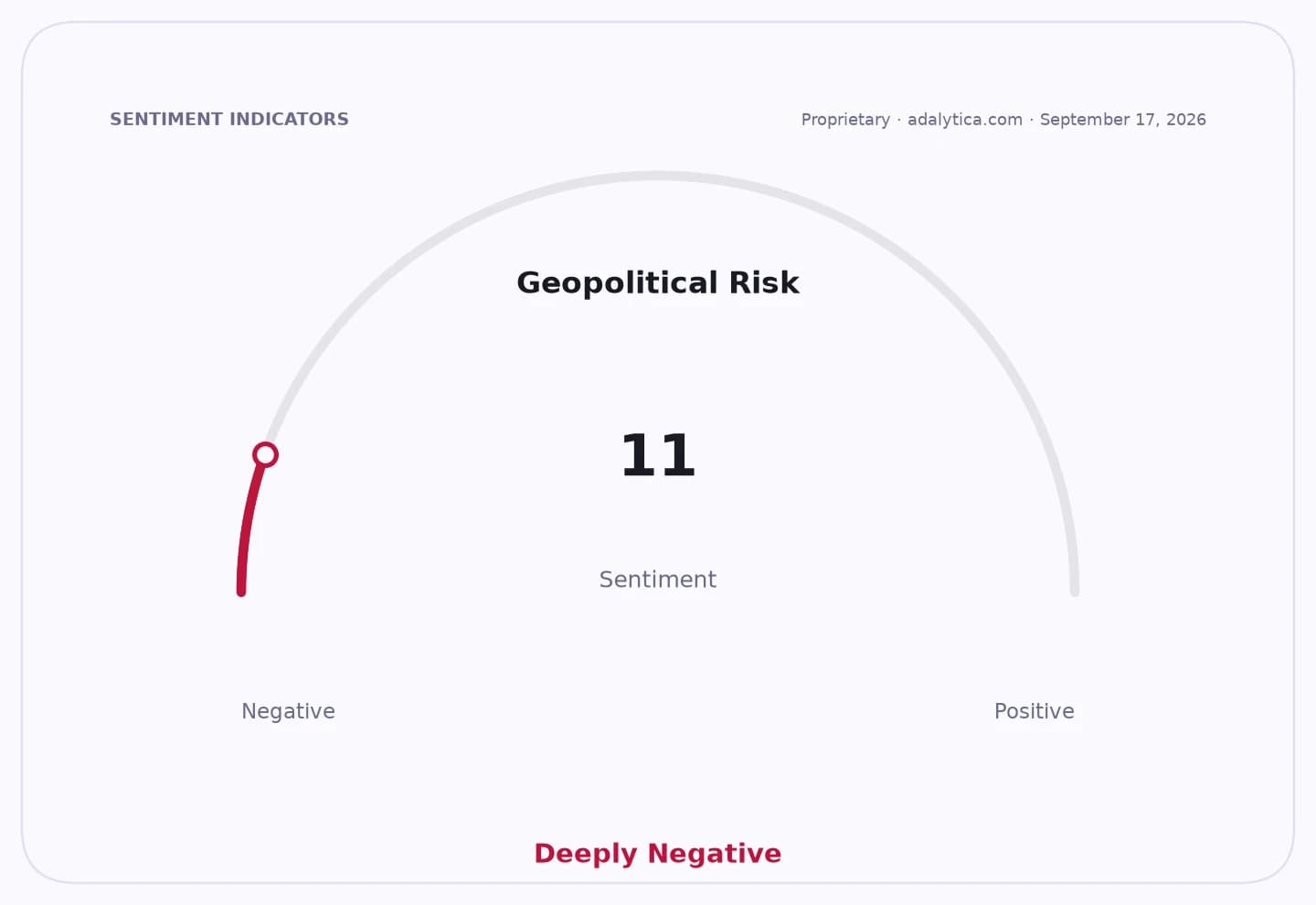
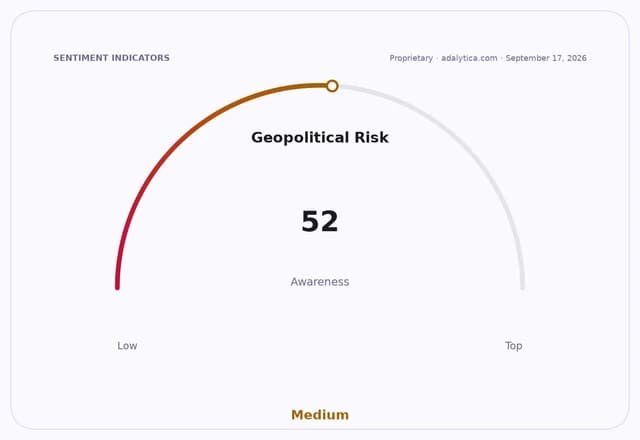
Sentiment IndicatorsⓘProprietary · adalytica.com · September 17, 2026
This is a snapshot — live sentiment, awareness and momentum for 130+ markets update continuously in the dashboard.Open AlphaPulse
The immediate winner is the United States. U.S. coking coal exports to Turkiye rose 70% in the January-July period to 1.88 million tons, and July shipments tripled from a year earlier to 469,000 tons. Britain also returned to the market in July with 82,500 tons, while Kazakhstan shipped 48,800 tons. That mix shows how quickly buyers can replace disrupted supply when geography and shipping risk turn against one seller.
For Russia, the loss is strategically awkward even if Turkiye is not its biggest coal customer. Moscow is Turkiye’s third-largest supplier of coking coal, but its share of imports is only about 7%, and that foothold is now at risk. Russia supplied 224,500 tons in the first seven months of the year, down from the pace it once enjoyed, as the Black Sea becomes a less reliable commercial corridor.
For investors, the story reinforces a simple point: geopolitical friction is now a permanent pricing variable in bulk commodities. Producers with secure routes, lower shipping risk and access to the U.S. dollar system tend to gain share when logistics break down. That is why U.S. exporters and diversified dry bulk shippers often benefit from rerouted trade, even when the underlying commodity market is choppy.
The broader setup still favors volatility. Black Sea disruption is not a one-off; Ukraine’s attacks on Russian logistics in the region have been ongoing, and that raises the odds of continued trade redirection. Coal itself faces long-term structural pressure from the energy transition, but metallurgical coal remains essential for steelmaking, which means supply shocks can still move markets and reward the safest suppliers.
If you are a long-term investor, this is another reminder to focus on companies with durable logistics, disciplined capital allocation and enough flexibility to profit when trade flows are forced to change. The names tied to reliable export routes and high-quality reserves remain worth watching.
| Entity | Gains | Losses |
|---|---|---|
| U.S. coking coal exporters | ▲Higher Turkiye demand | ▼Russian share loss |
| Russia’s coal exporters | ▲Redirected Far East sales | ▼Black Sea access |
| Turkish buyers | ▲More supply options | ▼Less Russian supply stability |
| Dry bulk shippers with safer routes | ▲More rerouted cargo | ▼Route disruption risk |