Turkey has предложed Russia and Ukraine a deal to halt attacks in the Black Sea, a move aimed at reopening a vital corridor for grain exports and reducing danger to commercial shipping in one of the world’s most sensitive trade routes.
Turkey proposes Black Sea shipping pause
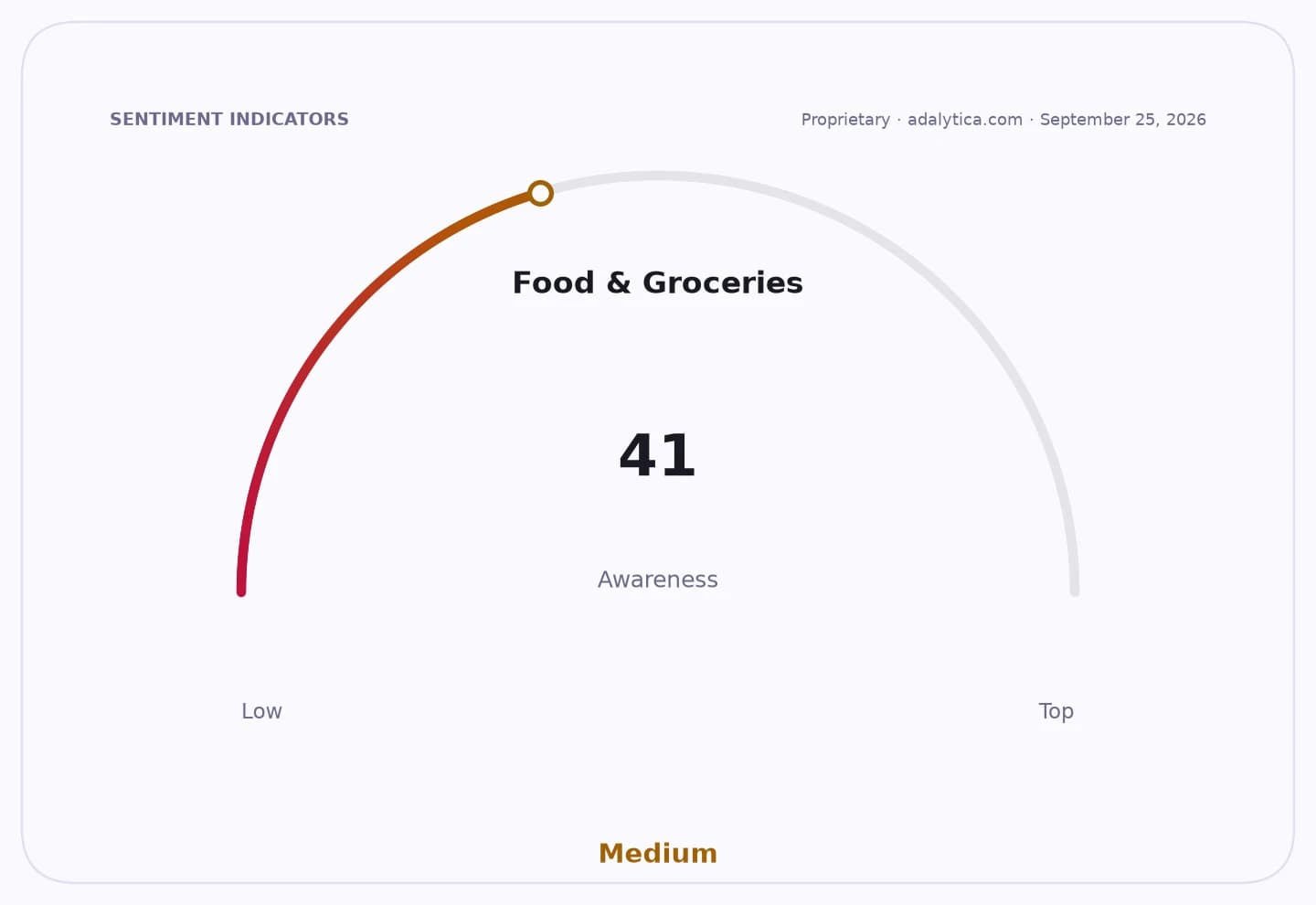
The offer matters because the Black Sea is not just a battlefield; it is a key artery for wheat, corn and other agricultural exports from both Russia and Ukraine. Any easing of attacks would lower the risk premium on regional freight, support grain flows to import-dependent countries and help stabilize food supply chains that have been repeatedly jolted since Russia’s full-scale invasion in 2022.
Turkish Foreign Minister Hakan Fidan said Ankara is waiting for a response from both sides and that restoring grain transport through the sea is the priority. He said the issue affects countries around the world because the grain is needed globally, underscoring Turkey’s role as a regional broker and maritime gatekeeper.
The proposal comes after a rise in attacks on commercial vessels in recent months, including ships linked to Turkey. Ankara has warned that the spread of the war into the Black Sea is unacceptable and poses a threat to both Turkish citizens and navigation in the region.
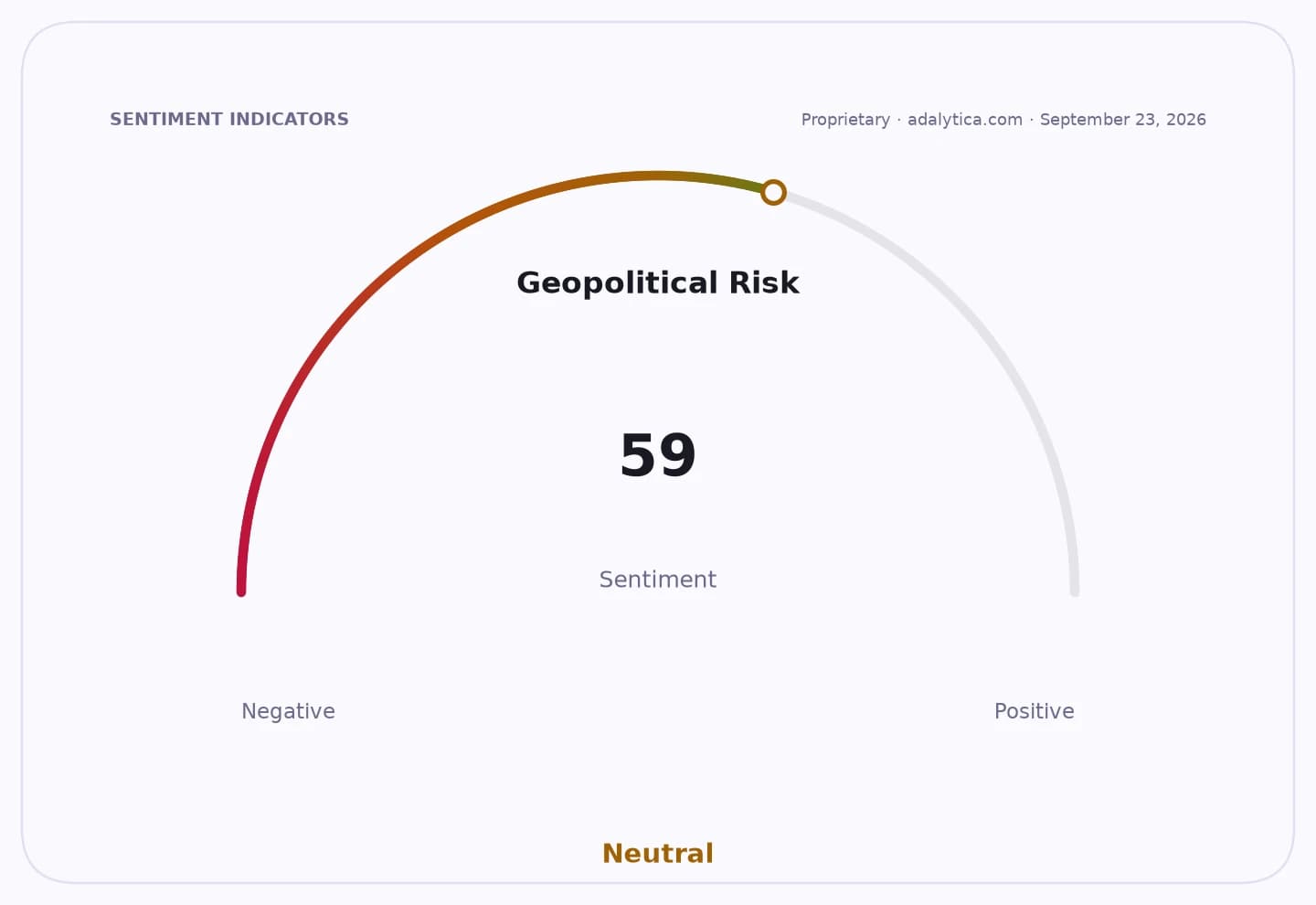
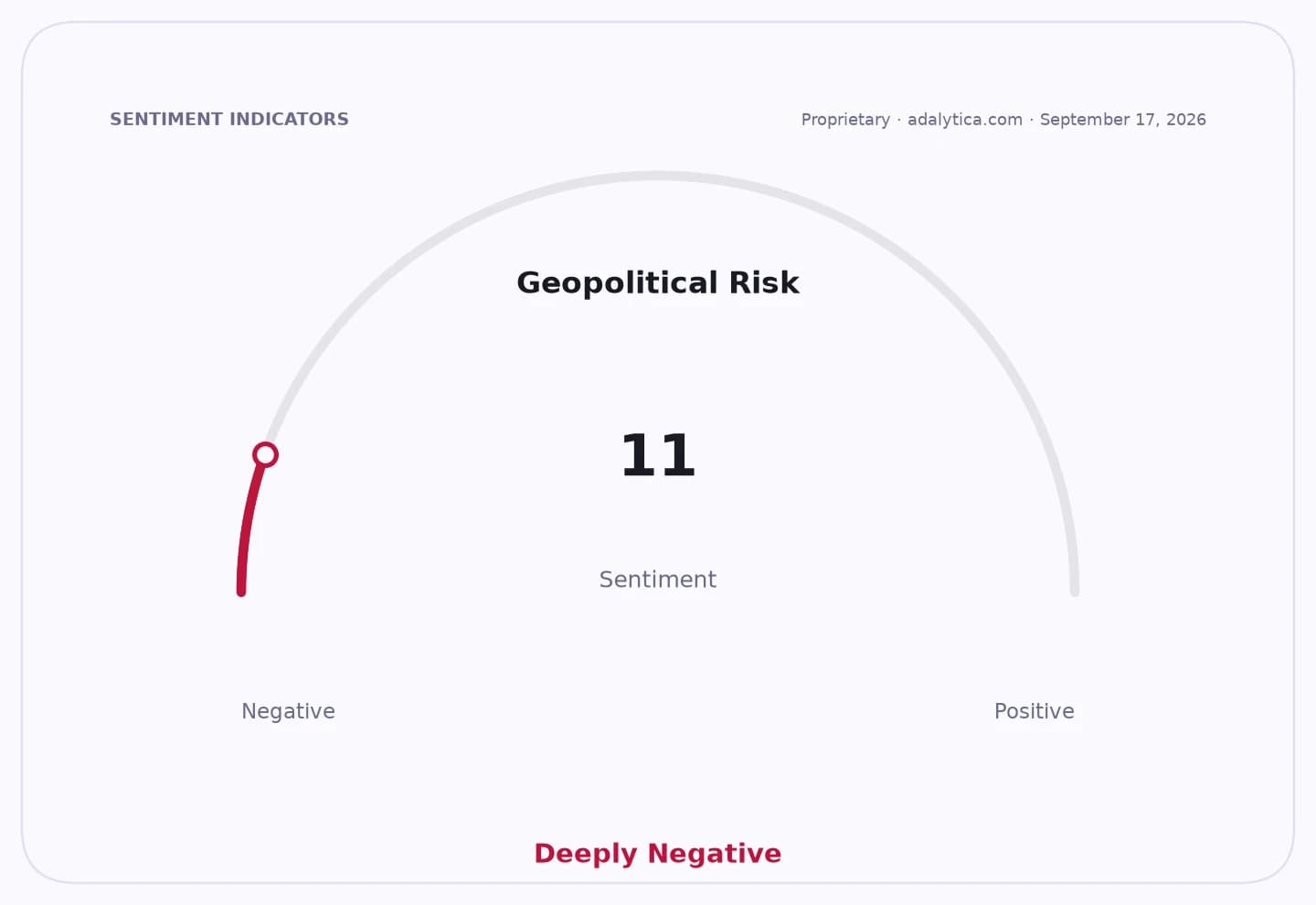
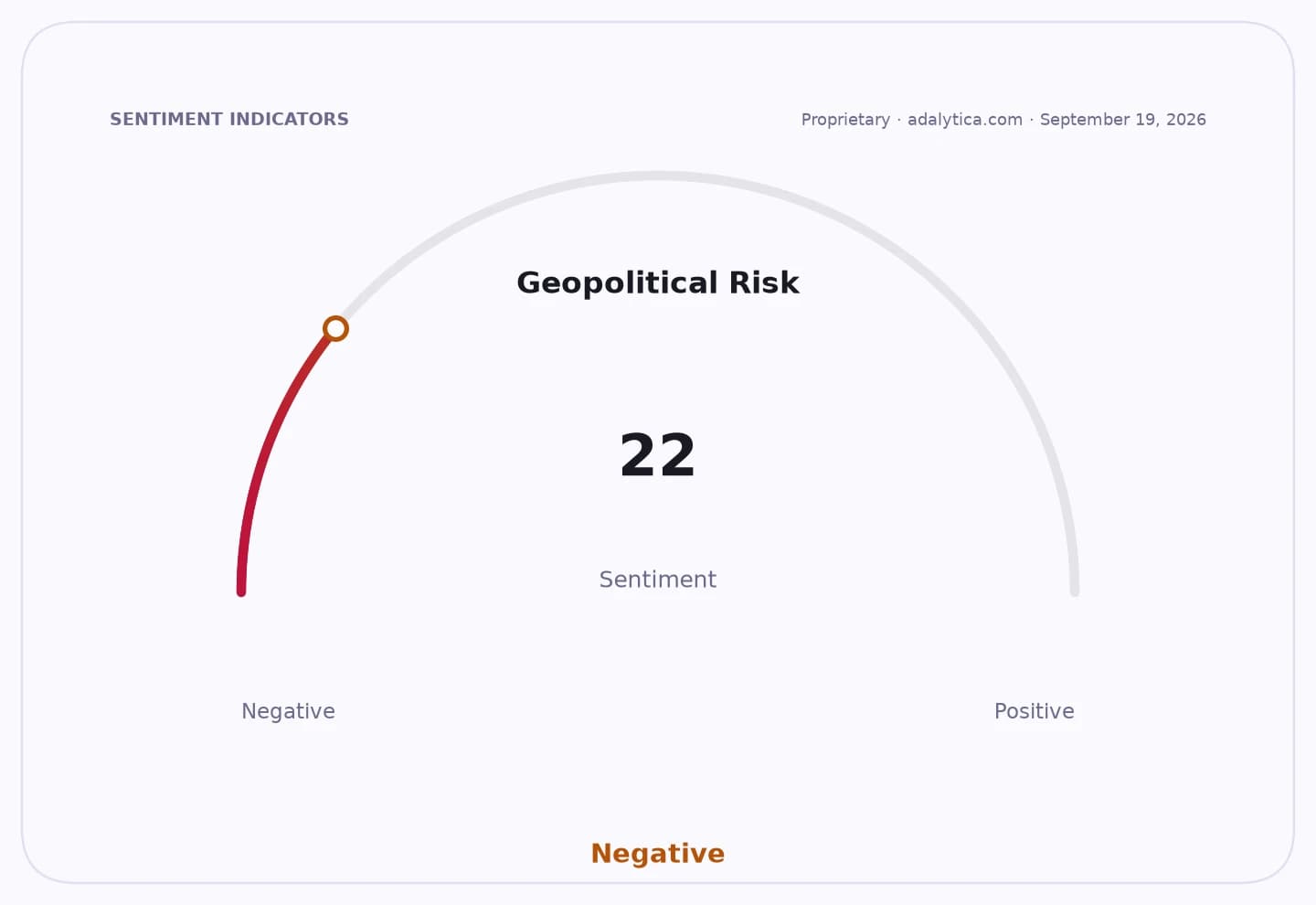
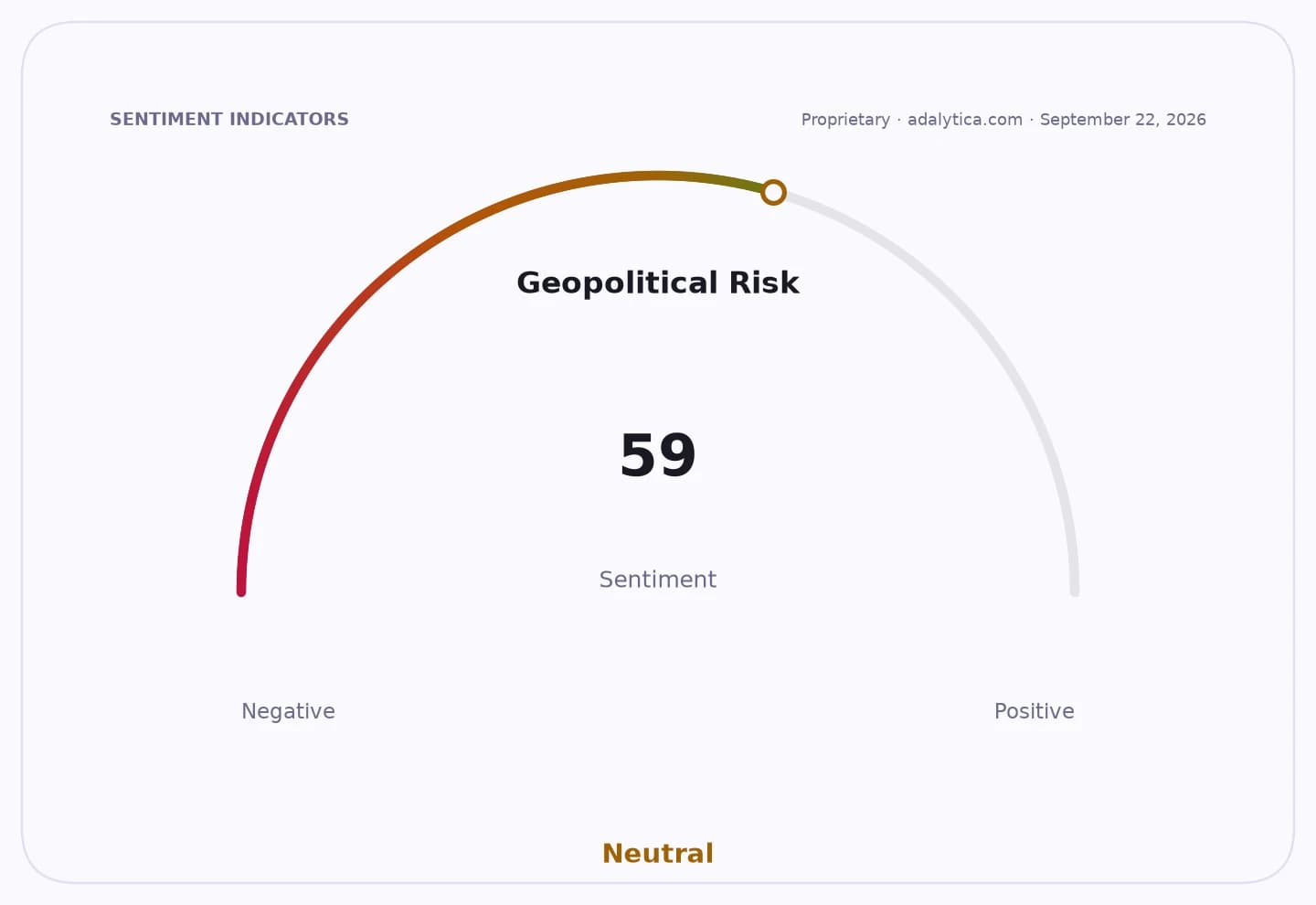
Geopolitical Risk vs USOadalytica.com
Explore this data interactively — full history, time series and cross-market comparisons.Open AlphaPulse
For markets, any credible move toward a Black Sea shipping pause could ease pressure on agricultural commodities and shipping insurers, while improving sentiment around grain-export logistics and rerouting costs. It would also matter for energy and commodity traders watching wider geopolitical risk after a period of elevated uncertainty across the region.
But the diplomatic path remains thin. Fidan said the wider war is still hard to settle because both sides have demands that are difficult to reconcile, suggesting the immediate goal is narrower de-escalation at sea rather than a broader peace breakthrough.
Investors will now watch for whether Moscow and Kyiv respond to the Turkish proposal and whether the Black Sea risk premium starts to fade in freight, grain and insurance markets.
| Entity | Gains | Losses |
|---|---|---|
| Grain exporters | ▲Safer shipments, lower freight costs | ▼Fewer disruptions from attacks |
| Grain importers | ▲More reliable supply, less food inflation risk | ▼Less leverage from tight supply |
| Shipping insurers | ▲Lower war-risk claims if attacks ease | ▼Higher claims if strikes continue |
| Russia and Ukraine | ▲Tactical diplomacy option | ▼Less room to use the Black Sea as leverage |