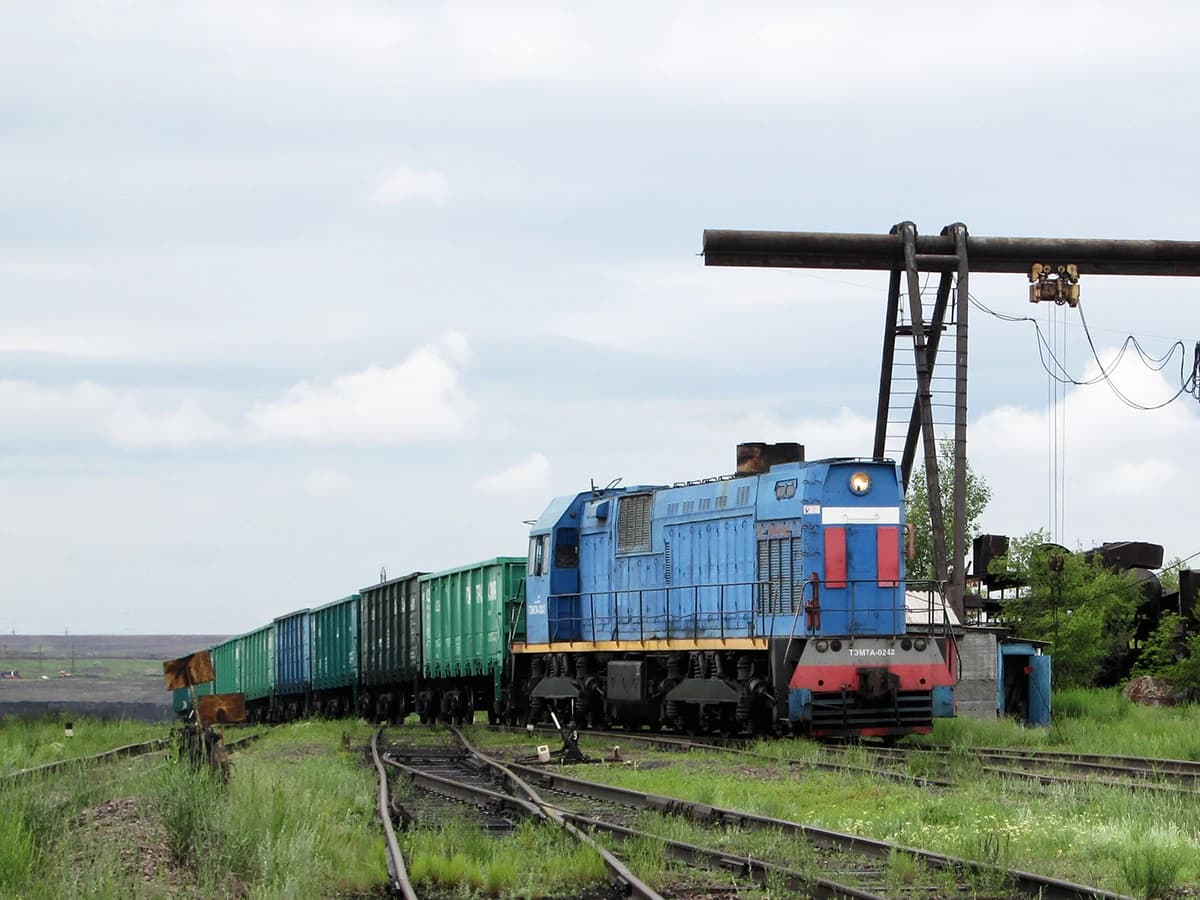
Coal prices are back at multi-year highs, but the rally still looks more like a squeeze than the start of a lasting boom.
Coal Prices Rise on Supply Squeeze, Russia Benefits
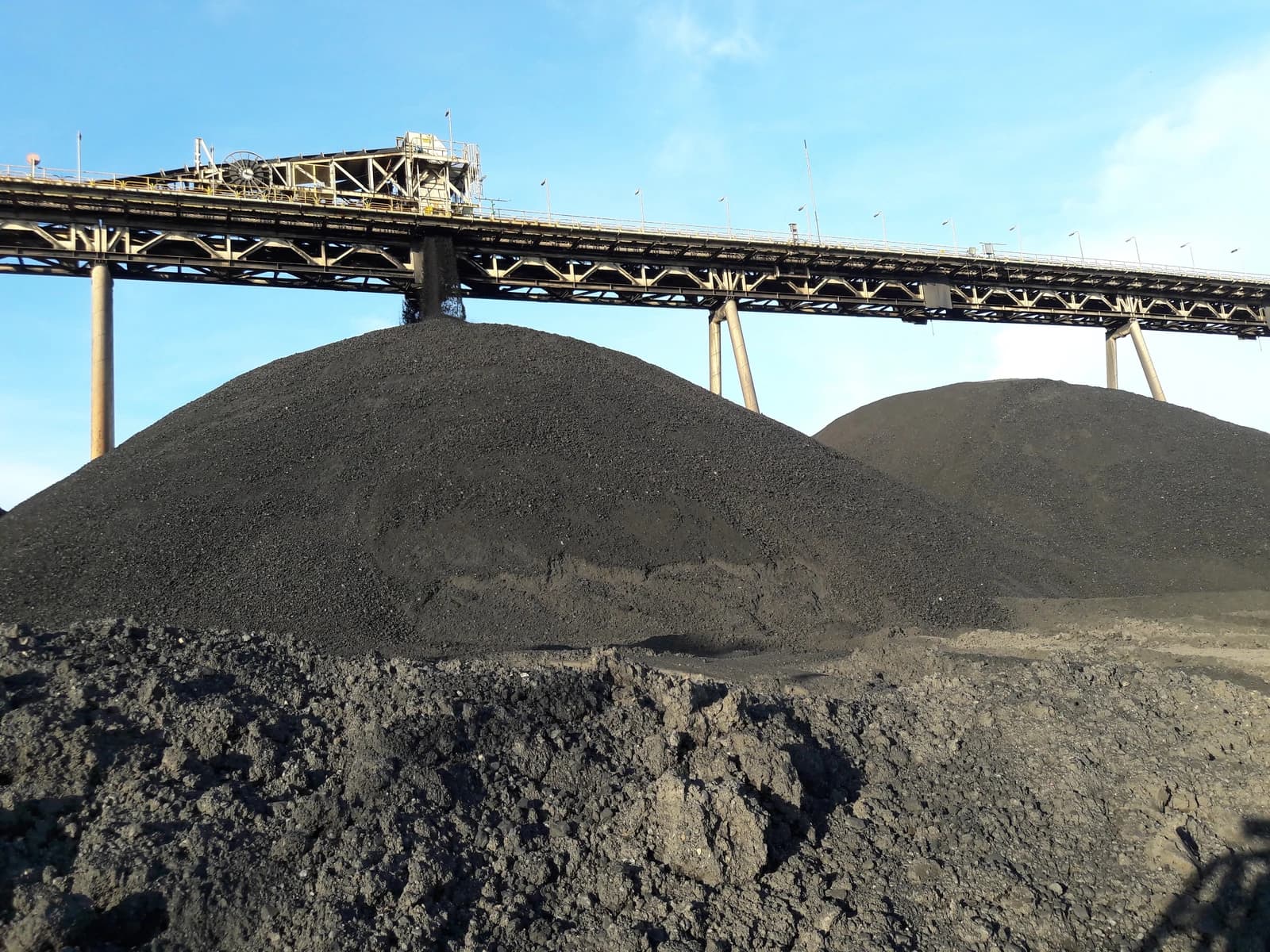
That matters because the recent jump in seaborne coal prices is already improving export economics for Russian miners, reviving shipments through the country’s eastern rail corridor and helping cut losses across the industry. Yet the data point to a market being pushed higher by temporary supply disruptions — not by a decisive rebound in underlying demand from steelmakers or power producers.
Sentiment IndicatorsⓘProprietary · adalytica.com · September 4, 2026
This is a snapshot — live sentiment, awareness and momentum for 130+ markets update continuously in the dashboard.Open AlphaPulse

In the Russian ports of the Far East and Baltic, prices rose 3% to 16% in the week to Sept. 1, according to the Centre of Price Indices. Hard coking coal at FOB Far East reached $173 a ton, the highest since early 2024, while PCI coal climbed to $190 a ton and thermal coal fetched $86 to $110 a ton depending on quality. For exporters, that has been enough to restore profitability on some eastern routes: Kузбасս export earnings on 5,500 kcal coal through the Far East hit 3,200 rubles a ton in August, the best level since late 2023.
Russian output is responding. The central bank said coal production in Siberia was above year-earlier levels for a second straight month in June, while exports from Kuzbass rose 20% in June and July as the Middle East conflict tightened global supply. Russia’s coal industry still posted a 153.3 billion-ruble net loss in the first half of 2026, but that was 17% smaller than a year earlier, showing how quickly the price rebound is easing pressure on producers.

For investors, the appeal is obvious: higher prices can lift cash flow fast for miners with export access, especially those exposed to metallurgical coal. Mechel said it increased coal output and shipments of its more profitable coking coal and PCI grades in the first half and expects full-year coal production to rise 37% to 10 million tons. Peabody Energy’s U.S.-listed shares and other coal names have also benefited from the same broad theme: when supply tightens, earnings can move sharply, even if the long-term secular case for coal remains challenged.
But this is not a clean-demand story. It is a supply-shock story. Chinese mine accidents, tighter safety checks, restrictions in Indonesia, disrupted barge traffic in Barito and a rail accident in South Africa all helped constrict seaborne supply. At the same time, Chinese steel output is still falling, which limits appetite for metallurgical coal over time. That is why some market participants are already calling the move a bubble-like spike rather than a durable turn.
The same tension applies to thermal coal. Indian power plants are running low on inventories, and Coal India has boosted supplies even as its production slipped, while South Korea may lean more on coal generation if gas remains expensive. Those are real near-term supports. But they do not erase the bigger trend: decarbonization, competition from cheaper exporters and high freight costs on some routes still cap how far the recovery can run.
Logistics may be the biggest limiter for Russian exporters. Rail shipments to the east hit a record in July, but the Baikal-Amur and Trans-Siberian corridors are close to fully utilized. That means the industry can keep benefiting if prices stay elevated, but it cannot keep growing exports at a double-digit pace without major new infrastructure. If coal prices slip even $10 to $15 a ton and rail tariffs keep rising, much of the farthest-flung Kuzbass supply slides back toward breakeven.
So how long can coal market growth last? Probably not long enough to call it a new cycle. The more likely answer is that the current strength lasts into year-end, helped by winter stockpiling in Asia and lingering supply disruptions, before the market reverts to its longer-term grind. For long-term investors, that means coal can still be a powerful cash generator in bursts, but the better buy-and-hold lesson is to focus on balance sheets, logistics access and cost discipline — not to assume today’s prices are here to stay.
| Entity | Gains | Losses |
|---|---|---|
| Coal miners with export access | ▲Higher realized prices | ▼Persistent logistics bottlenecks |
| Russian coal exporters | ▲Better margins, rising shipments | ▼Tariff increases, rail limits |
| Steelmakers and power buyers | ▲None on price | ▼Higher fuel costs |
| Long-term coal bears | ▲Short-term rally hurt | ▼Supply-driven price spike |