Coal is getting more expensive in Poland just as supplies tighten heading into the heating season, and that combination is turning a local fuel market into a broader energy-cost risk for households, utilities and transport.
Poland Coal Prices Rise as Winter Supplies Tighten
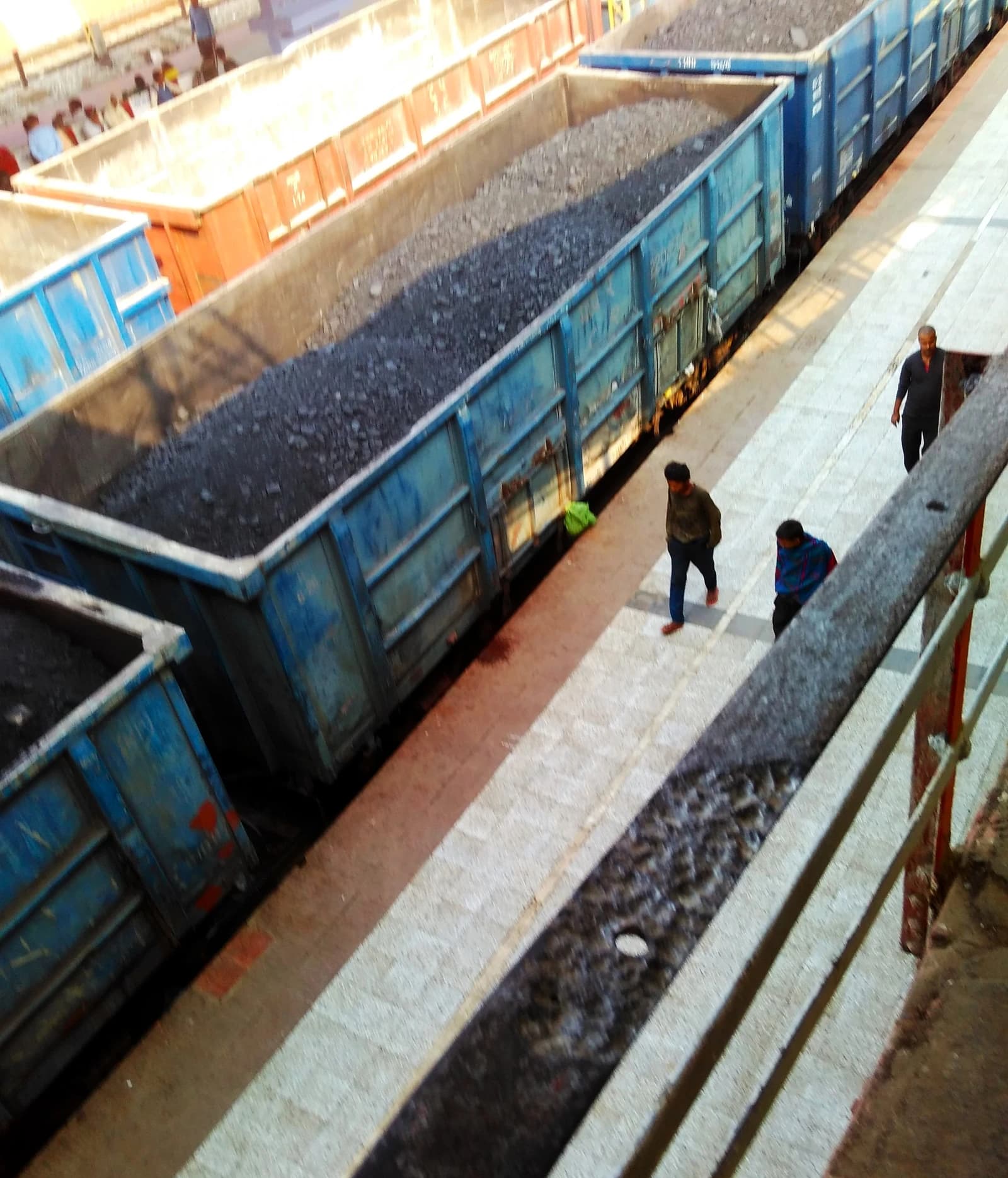
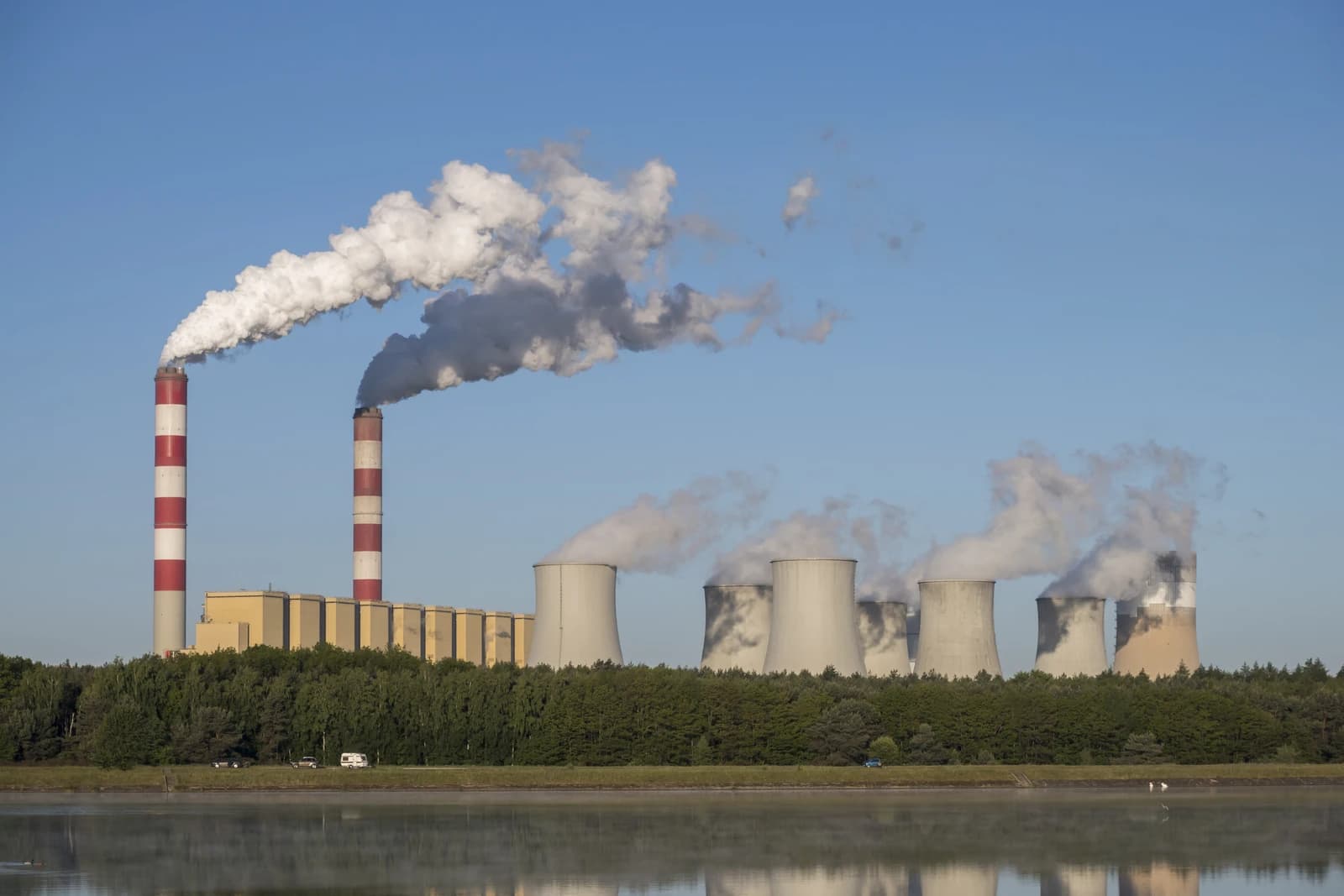
Heating coal prices have climbed to about 1,700 zł to 2,500 zł a ton from roughly 1,400 zł to 1,800 zł, according to traders cited by Polish outlet WNP, while stocks are thinning at distribution yards. The squeeze matters because coal still remains a key source of winter heat in Poland, and any supply disruption quickly feeds into household budgets, retail inflation and the economics of domestic fuel distributors.
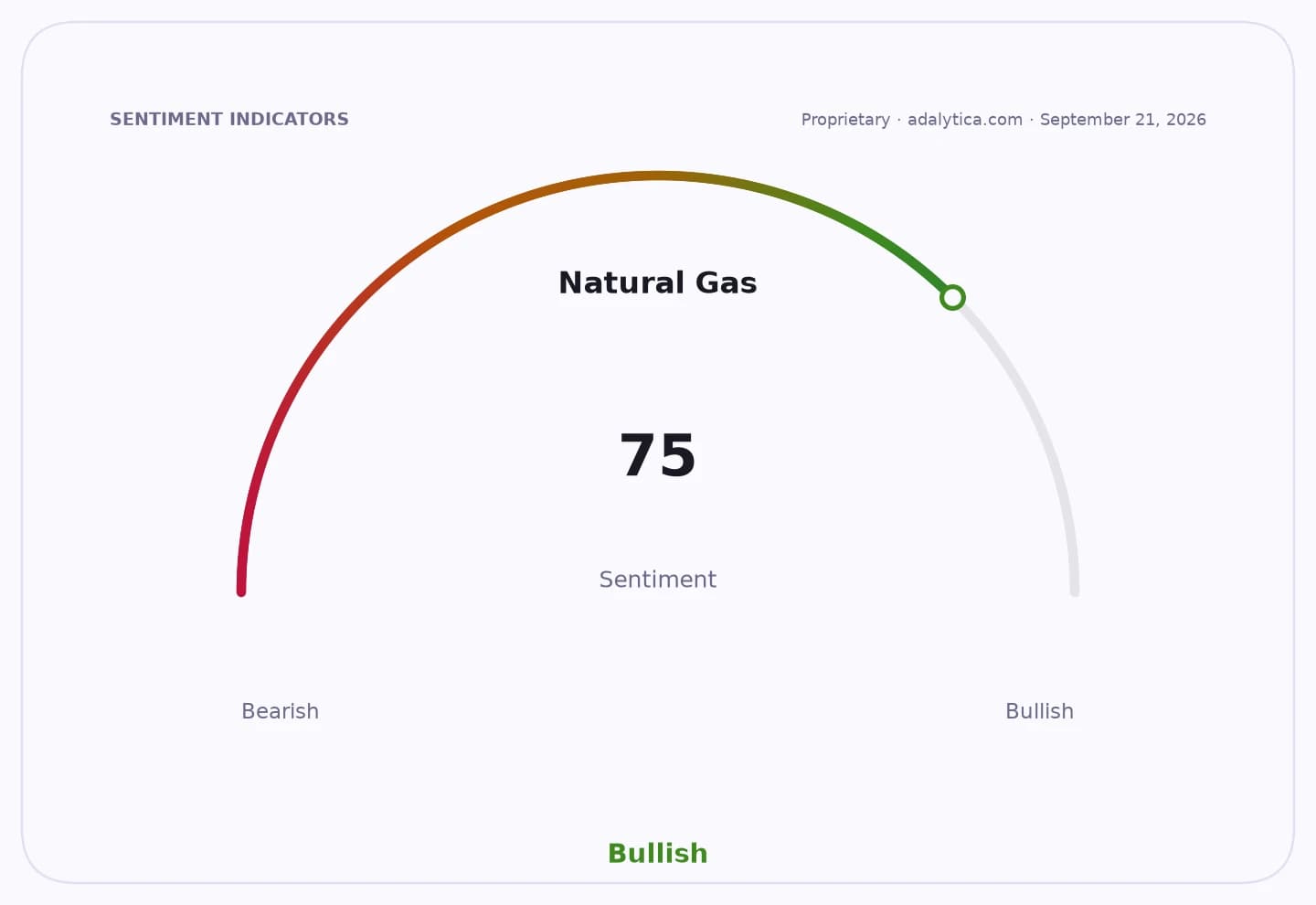
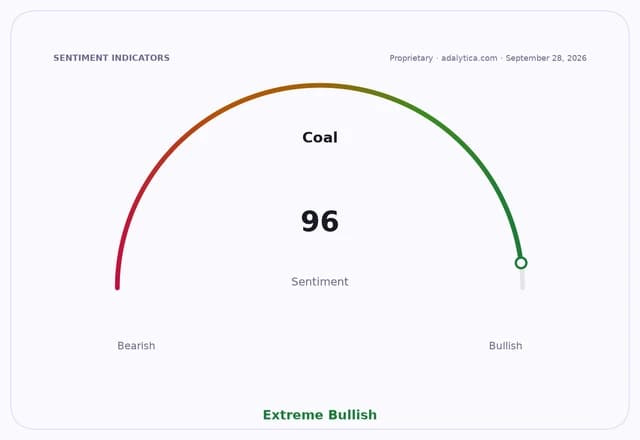
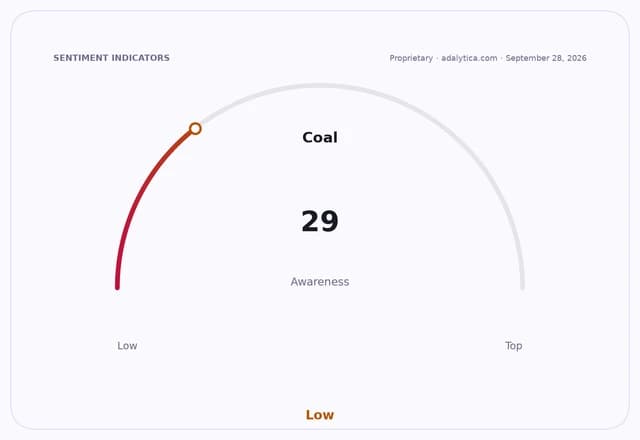
Sentiment IndicatorsⓘProprietary · adalytica.com · September 28, 2026
This is a snapshot — live sentiment, awareness and momentum for 130+ markets update continuously in the dashboard.Open AlphaPulse
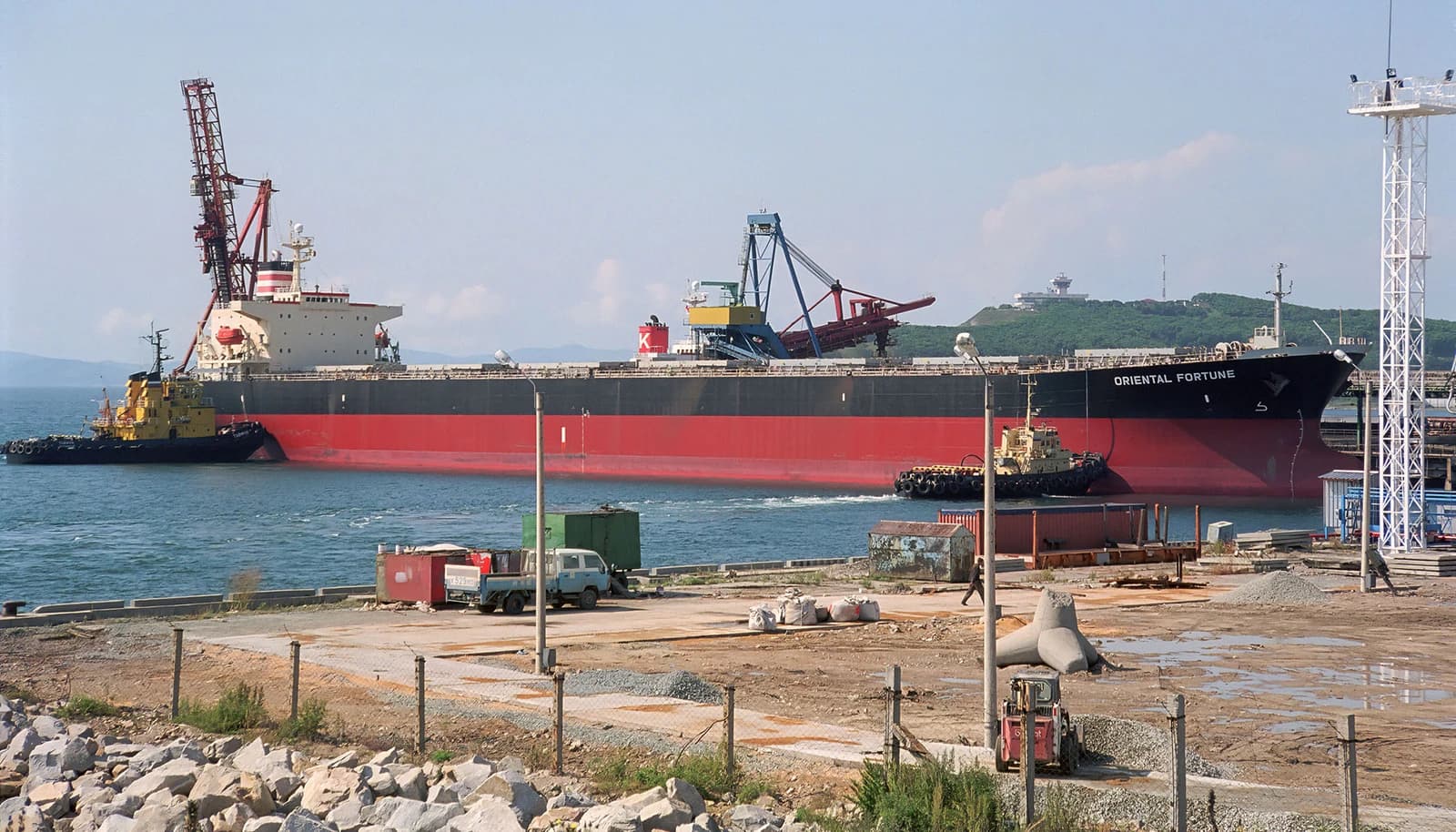
The shortage is being driven by logistics as much as by demand. Traders say about 70% of the coal that reached Poland had come from Kazakhstan, but shipments have slowed because Russian and Ukrainian port traffic on the Black Sea is constrained and rail bottlenecks are limiting alternative routes. Importers cannot simply switch to Colombian coal either: ports are already crowded, and Poland is now competing with Turkey for cargoes from the same direction. That leaves buyers chasing fewer tons just as colder nights are drawing households back into the market.
For investors, the story is less about one commodity spike than about the pressure it puts on the entire coal value chain. Higher prices can support mining and trading margins in the short term, but shortages also expose how fragile the supply network has become. In the United States, Peabody Energy’s stock has been trading with elevated volatility, and conventional technical indicators show the name has been consolidating below its 200-day moving average even after sharp swings higher this year. Adalytica’s Coal Fear & Greed Index is flashing extreme greed at 96, a sign that traders are crowded into the space and that pricing is already reflecting a lot of the bad news and scarcity premium.
The bigger economic message is that coal has not disappeared from the energy system; it has become a stressed, geopolitically constrained bridge fuel. When transport corridors are blocked and port capacity is tight, the market stops behaving like a commodity market and starts behaving like an infrastructure bottleneck. That is why coal can get more expensive even as long-term energy transition narratives remain intact.
If winter turns harsh, the price shock could deepen quickly. If it stays mild, the market may stabilize. But the investable takeaway is clear: coal scarcity is back, logistics matter more than production headlines, and the near-term winners are the operators and traders with secure supply while the losers are households, industrial buyers and import-reliant utilities forced to pay up.
| Entity | Gains | Losses |
|---|---|---|
| Coal traders with supply access | ▲Higher margins | ▼None from scarcity |
| Polish households | ▲— | ▼Higher heating bills |
| Import-dependent utilities | ▲— | ▼Fuel cost pressure |
| Coal miners and exporters | ▲Better pricing | ▼Demand volatility |