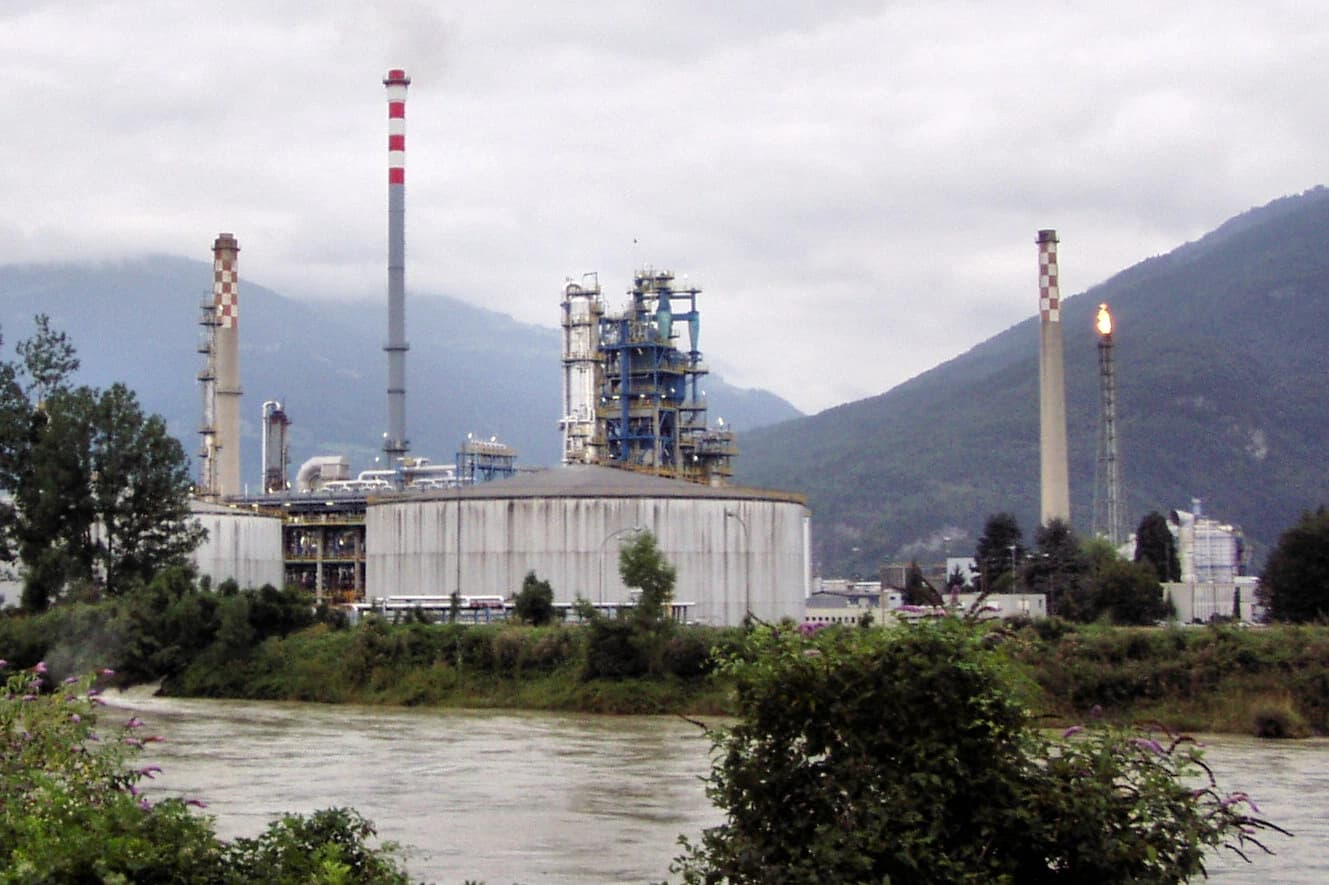
Europe’s push to set a roadmap for phasing out coal, natural gas and oil is no longer a long-range climate pledge; it is becoming a near-term economic response to volatile fuel markets, higher import bills and mounting geopolitical risk.
Europe roadmap on coal, gas and oil phaseout
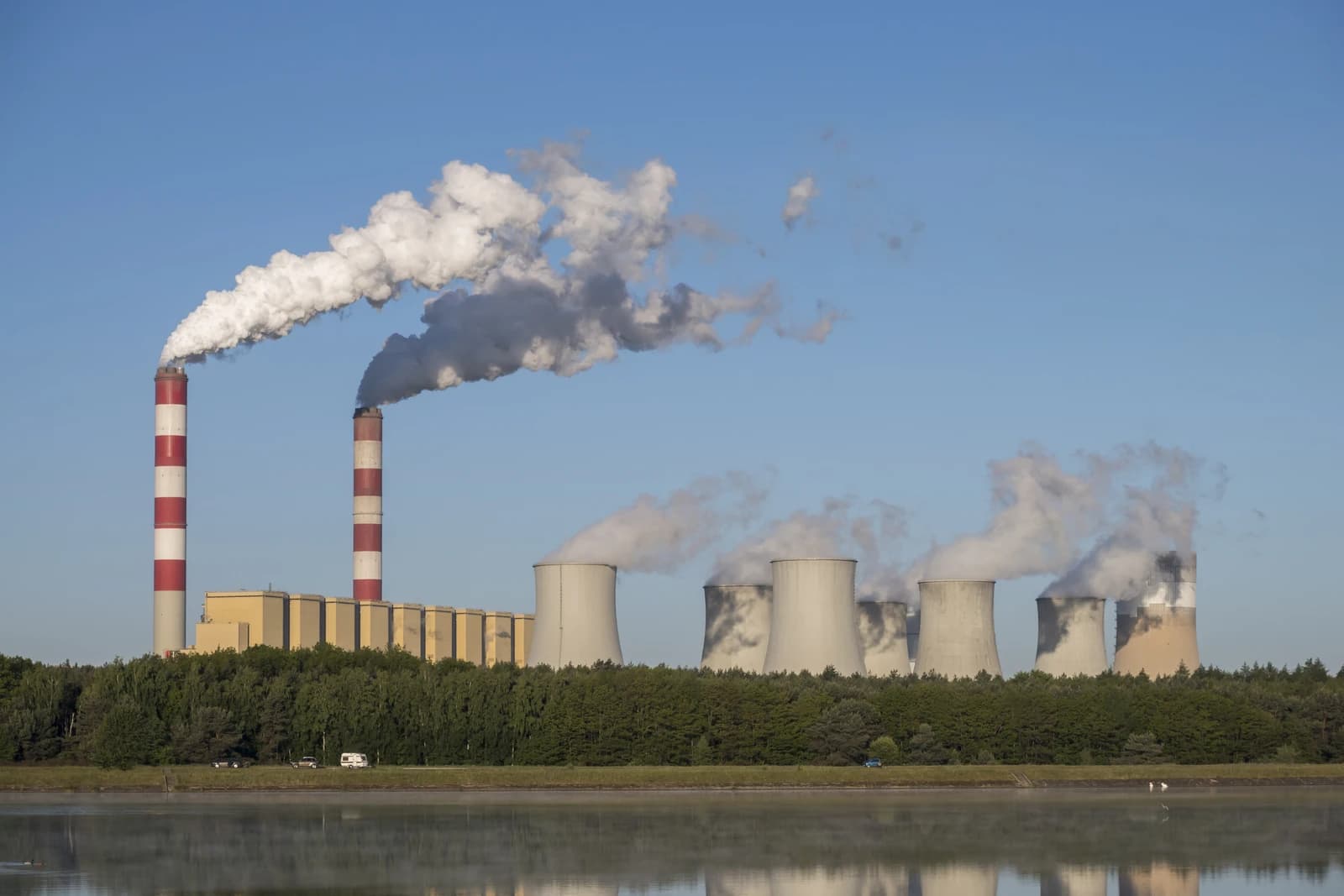
The move matters because Europe remains heavily exposed to fossil-fuel pricing, and any credible transition plan will reshape power generation, industrial costs and capital flows across utilities, refineries, mining and clean-energy supply chains. For policymakers, the urgency is sharpened by fears of a winter energy squeeze, with Brussels also weighing temporary relief measures as fossil fuel prices climb and uncertainty over Washington’s policy direction adds to market stress.
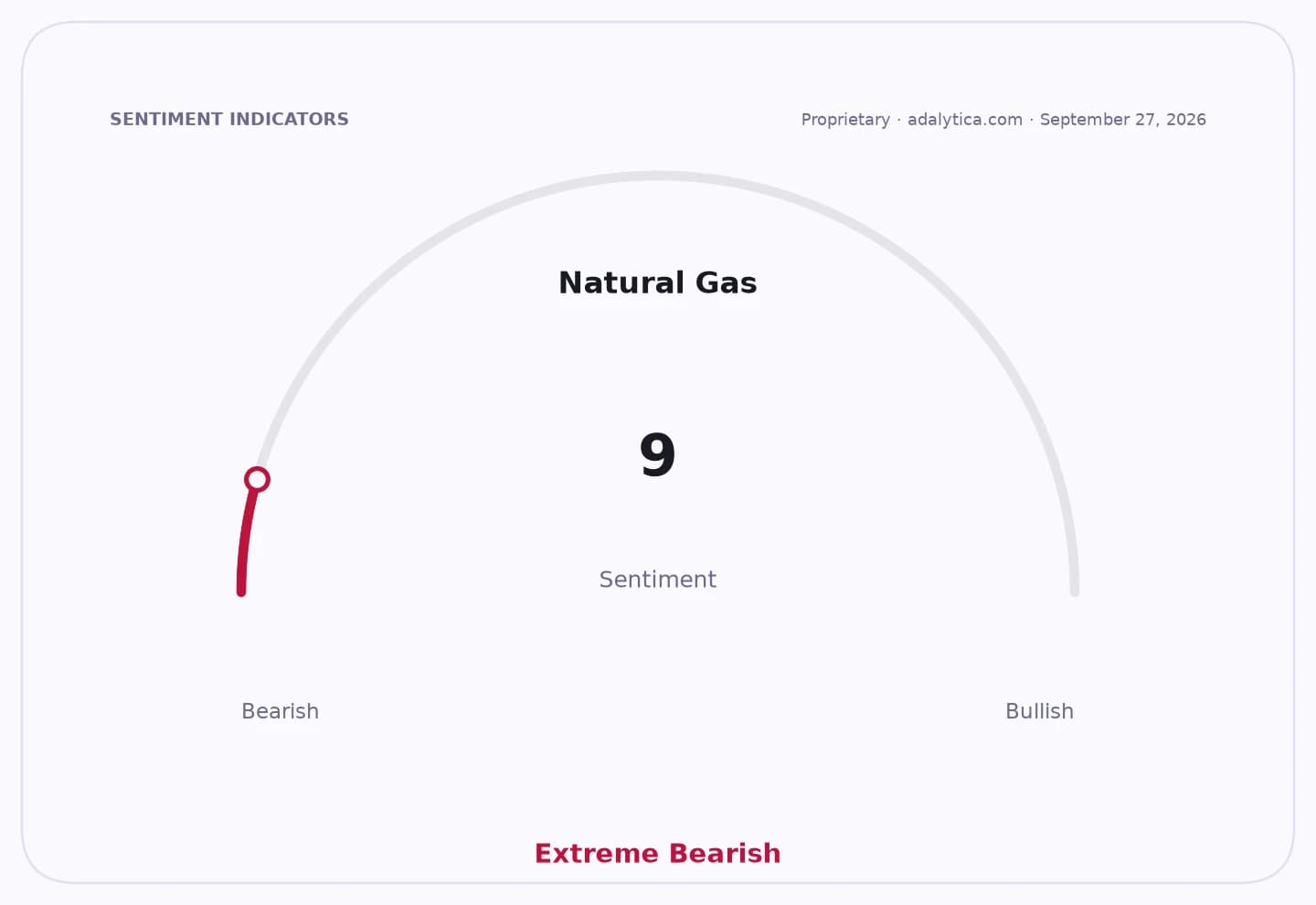
Sentiment IndicatorsⓘProprietary · adalytica.com · September 28, 2026
This is a snapshot — live sentiment, awareness and momentum for 130+ markets update continuously in the dashboard.Open AlphaPulse
The investment implications are immediate. The Energy Select Sector SPDR fund, XLE, has climbed to 62.04, up sharply from 44.73 in mid-November, showing that the market still rewards traditional energy even as governments talk up transition plans. Technical readings on the fund suggest the trade has remained bid for much of the year: its 50-day moving average is 61.43, above the 200-day average at 55.43, while the relative strength index at 41.7 and a softer MACD point to recent consolidation after a strong run.
Oil exposure remains supported as well. USO closed at 148.33, with a 50-day average of 135.63 and a 200-day average of 113.22, underscoring how elevated crude prices continue to anchor the cash flows of producers and related equities. By contrast, UNG ended at 11.13, below its 200-day average of 11.43, reflecting a less durable rally in natural gas even as gas remains central to Europe’s power and heating mix.
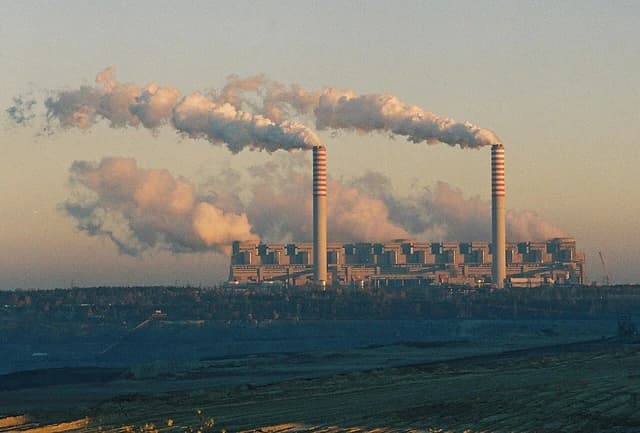
The policy backdrop is becoming harder for fossil fuels to ignore. Adalytica’s Coal Fear & Greed Index shows extreme greed at 96, while awareness remains in fear territory at 29, a sign that coal-linked positioning has surged even as the longer-term strategic case weakens. The oil signal is similarly stretched, with Adalytica’s WTI trade gauge at 94, also in extreme greed, suggesting investors are still leaning into commodity scarcity rather than a rapid demand fade.
That creates a split narrative for markets. The bull case for fossil-fuel assets is that Europe’s transition will be slow, uneven and politically constrained, leaving oil and gas indispensable for years. The bear case is that every new roadmap, subsidy shift and regulatory target raises the long-term cost of capital for carbon-intensive industries, even if the near term remains profitable. For utilities, industrial users and consumers, the key risk is that policy intent and market reality diverge: governments want lower dependence, but the path away from fossil fuels may first require paying more for energy security.
For investors, the main catalyst to watch is whether Brussels turns the roadmap into binding measures that accelerate grid spending, renewable approvals and efficiency mandates while limiting fossil-fuel demand growth. If so, the beneficiaries will be clean-energy developers, grid equipment suppliers and electrification plays. If not, conventional energy may keep enjoying the pricing power that comes with scarcity, even as its strategic value is increasingly questioned.
| Entity | Gains | Losses |
|---|---|---|
| Clean-energy developers | ▲Higher policy support | ▼Fossil incumbents |
| Oil and gas producers | ▲Near-term price strength | ▼Long-term demand outlook |
| European consumers | ▲Energy security over time | ▼Higher transition costs |
| Fossil-fuel importers | ▲Less strategic dependence | ▼Cheap external supply access |