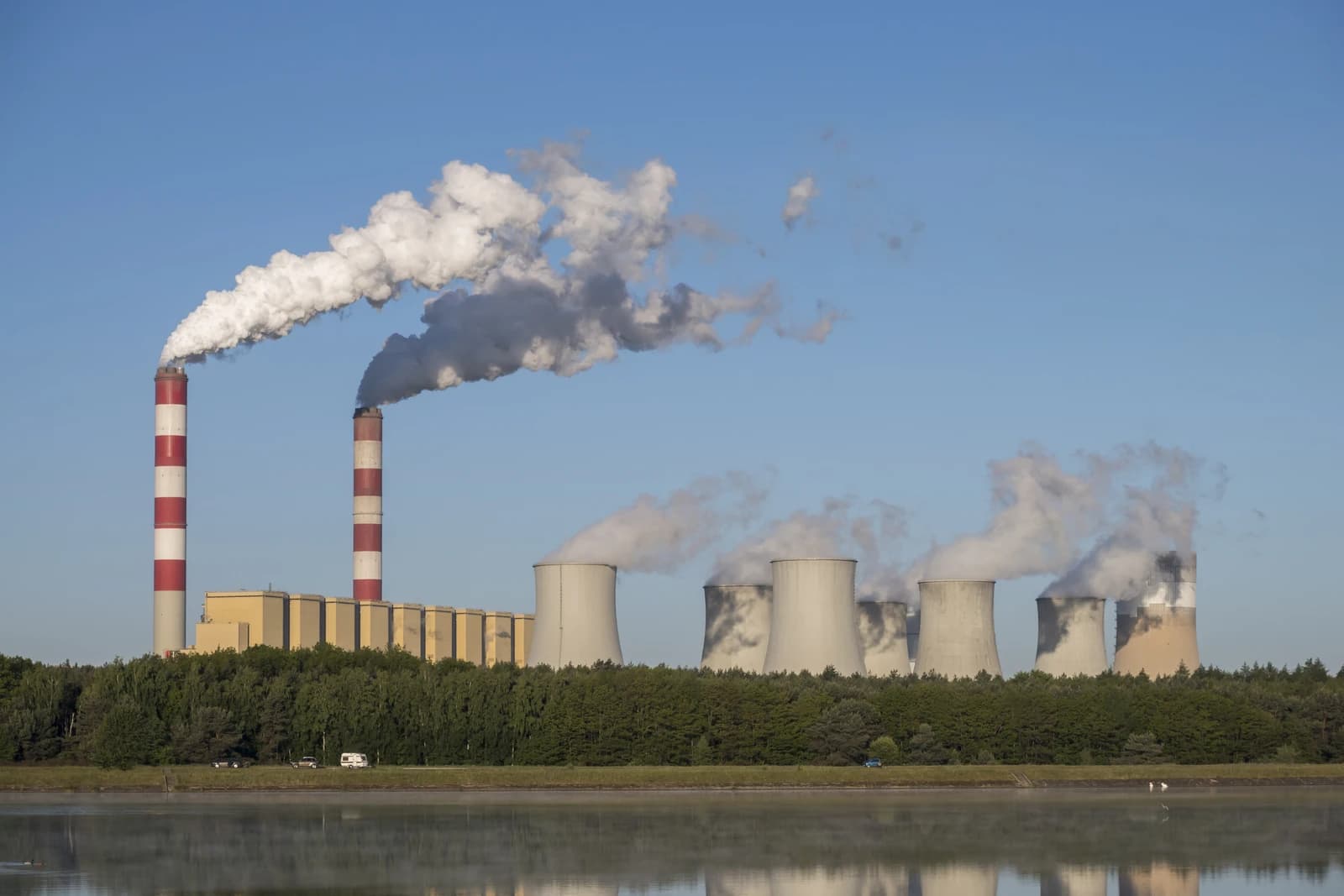
Russia’s Cabinet of Ministers is moving to support the coal industry just as weak metallurgical coal prices squeeze producers and Europe’s surge in gas prices is pushing utilities back toward coal-fired power, underscoring how government policy and energy-market stress are keeping the fuel central to global power balances.
Russia Coal Support, BTU Near $25.44
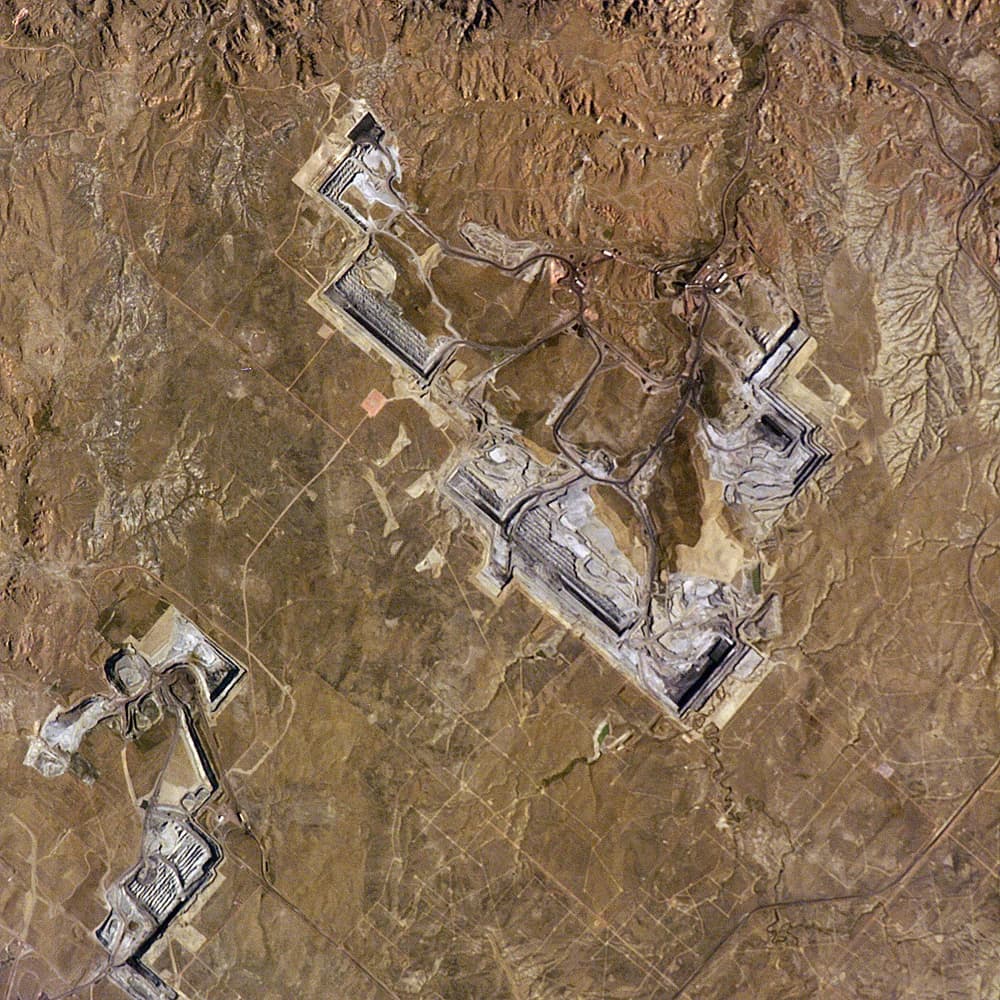
The policy signal matters because Russia’s coal miners have been under strain for years, with the sector reporting losses for three consecutive years, according to the news context. A state-backed support package could help ease near-term cash-flow pressure, stabilize employment in coal-heavy regions and slow the deterioration of output from one of the country’s more geopolitically sensitive export industries.
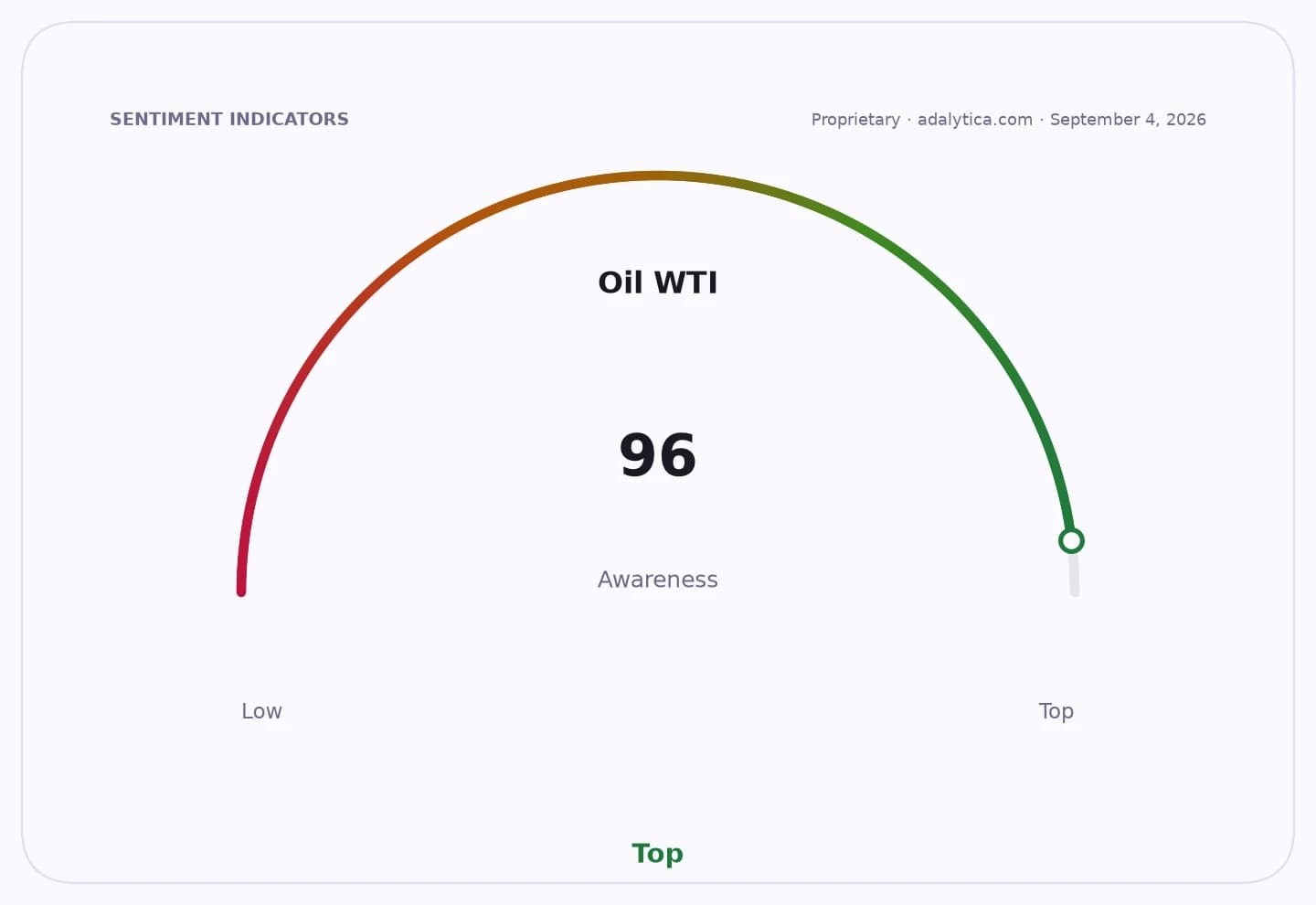
Sentiment IndicatorsⓘProprietary · adalytica.com · September 27, 2026
This is a snapshot — live sentiment, awareness and momentum for 130+ markets update continuously in the dashboard.Open AlphaPulse
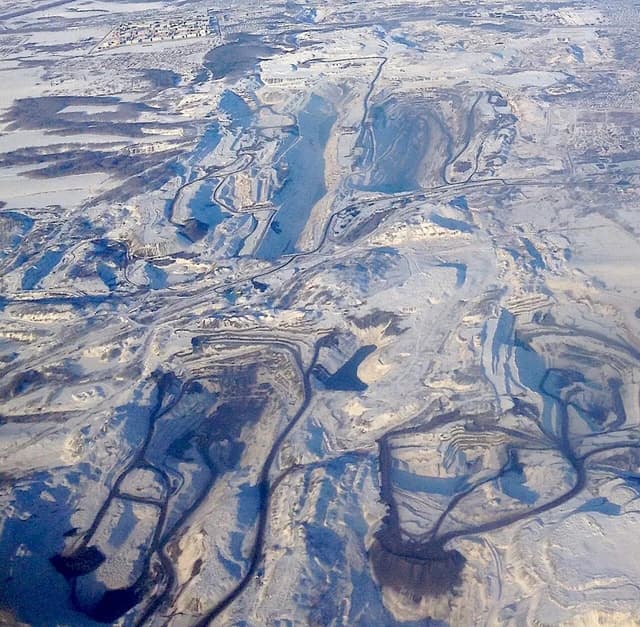
At the same time, the external backdrop is turning less unfavorable for coal in parts of Europe. Soaring natural gas prices have prompted power producers to increase coal-fired generation by as much as 27%, a reminder that coal often regains relevance when gas markets tighten. That improves the near-term demand picture for exporters, even if the longer-term direction of travel remains shaped by emissions policy and financing constraints.
For investors, the message is two-sided. On one hand, policy support can buy time for miners and improve the odds of better realized pricing if demand holds up. On the other, the sector remains cyclical and exposed to policy risk, including China’s formal push to end overseas coal funding, even as loopholes continue to sustain some coal exports and capacity growth elsewhere. That means any rally in coal-linked assets may rest more on transient fuel substitution than on a durable demand reset.
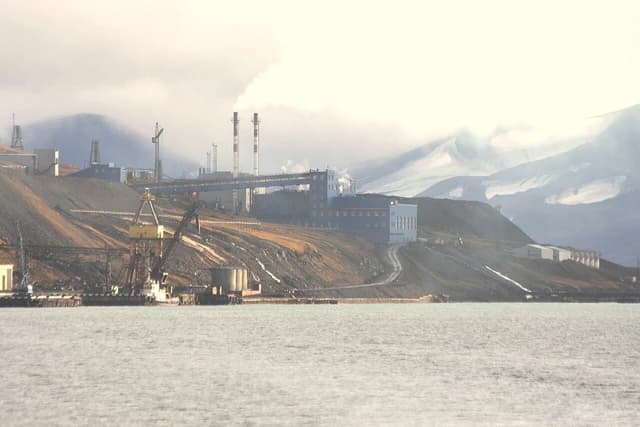
U.S.-listed coal producer Peabody Energy, which trades under BTU, has already been through a sharp swing in sentiment, with the stock recently hovering near $25.44 and below its 200-day moving average of about $28.80. The shares have also lost momentum after earlier spikes toward the high $30s, suggesting investors remain skeptical that the sector’s improvement is broad or lasting. Technical readings such as the relative strength index and moving-average patterns point to a market that is still trying to decide whether the recent recovery has legs.
The broader narrative is that coal is not disappearing from the energy system so long as gas prices remain volatile and governments intervene to protect domestic supply. But the industry’s economics are still fragile: support from Moscow may shore up miners, yet it does not solve weak underlying demand, structural decarbonization pressure or the risk that any margin relief is quickly offset by another turn in commodity prices.
Investors will be watching whether the Russian measures translate into production discipline, tax relief or logistics support, and whether Europe’s coal burn stays elevated if gas prices remain high. If both trends persist, coal-linked equities and exporters could retain near-term upside; if gas eases or policy tightens, the sector’s rebound could fade quickly.
| Entity | Gains | Losses |
|---|---|---|
| Russian coal miners | ▲Policy support, liquidity relief | ▼Long-term restructuring pressure |
| European utilities | ▲Cheaper fuel optionality | ▼Emissions and regulatory scrutiny |
| Peabody Energy (BTU) | ▲Higher coal-price leverage | ▼Weak trend below major averages |
| Gas suppliers | ▲Higher near-term demand | ▼Coal substitution in power generation |