Russia’s antimonopoly watchdog has signed supply agreements with 12 major oil companies, a move aimed at keeping gasoline and diesel prices from racing ahead of inflation and smoothing out domestic fuel shortages that have flared up in parts of the country.
Russia FAS signs fuel supply deals with 12 oil firms
That matters because fuel prices feed directly into broader inflation, transportation costs and household spending power. When regulators step in to secure supply, they are not just managing a commodity market — they are trying to protect the cost base of the whole economy, from freight operators and farmers to consumers filling up at the pump.
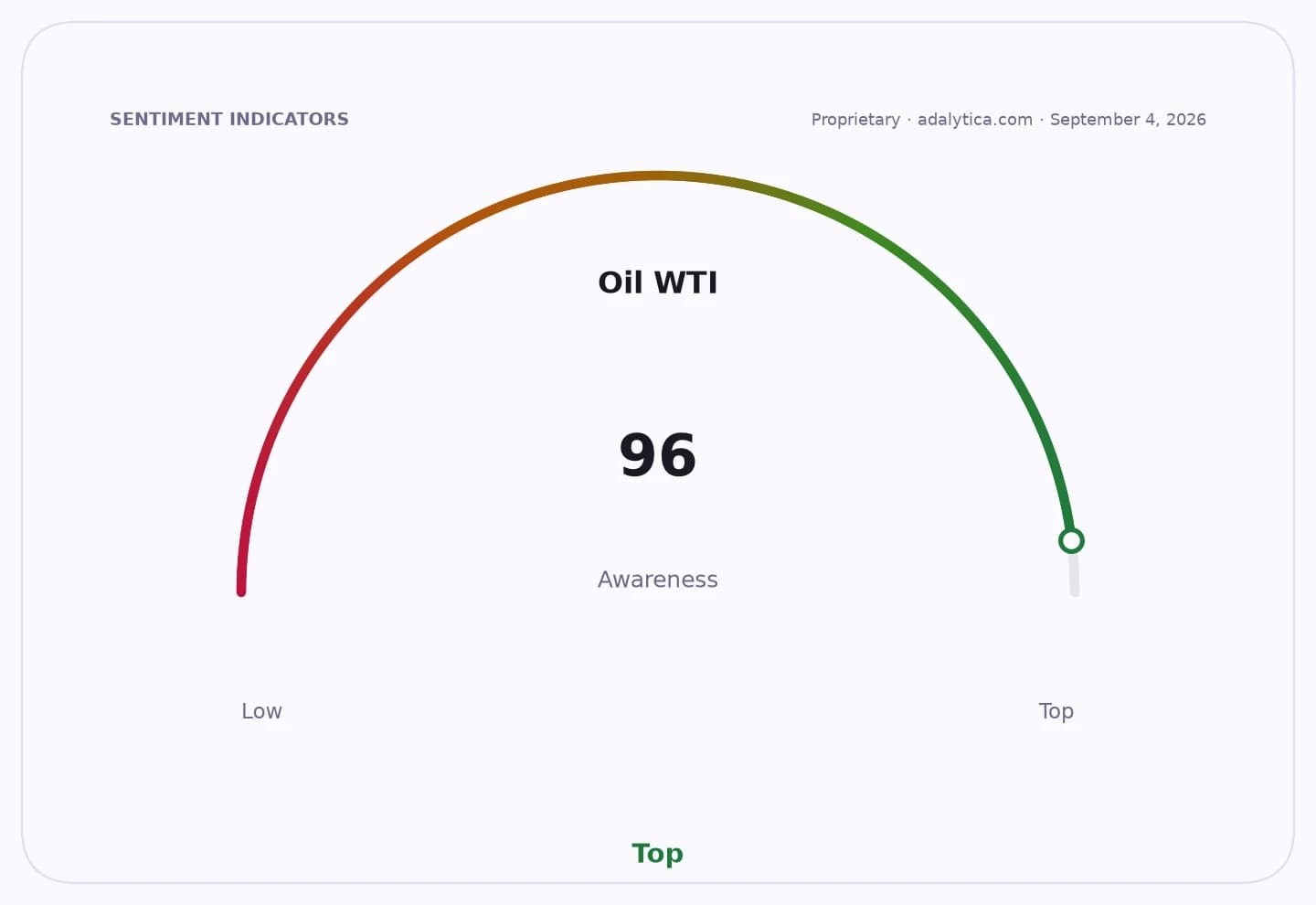
Sentiment IndicatorsⓘProprietary · adalytica.com · September 4, 2026
This is a snapshot — live sentiment, awareness and momentum for 130+ markets update continuously in the dashboard.Open AlphaPulse
The Federal Antimonopoly Service said the agreements are designed to stabilize the domestic market after summer disruptions in logistics and fuel availability. Under the arrangement, refiners are expected to keep retail price growth within actual inflation and help maximize supply on exchange and over-the-counter channels inside Russia.
Energy Minister Sergei Tsivilev said the broader policy is meant to push more barrels into the domestic market and limit refining margins in favor of price stability. In plain English, that means Russia is putting local consumers ahead of export profitability for now — a classic sign of a market under strain.
For investors, the message is two-sided. On one hand, tighter domestic oversight can reduce the risk of runaway fuel prices and the political fallout that comes with them. On the other, it can pressure refiners’ margins and limit upside for companies that would otherwise benefit from high product prices. It also underscores how vulnerable fuel markets remain to outages, repairs and bottlenecks, even in a country with a large oil industry.
This is the latest in a series of interventions. Russia has already imposed a temporary ban on gasoline exports, rolled out tax incentives and sent fuel directly to independent stations through regional operators. The new agreements look like the final step in turning those ad hoc measures into a more formal enforcement regime.
For long-term investors, the bigger takeaway is that energy markets are still being shaped as much by regulation and geopolitics as by supply and demand. That tends to favor diversified energy exposure over concentrated bets on any one refiner or fuel price spike. If you own the sector, this is worth watching; if you do not, it is another reminder that volatility in oil often creates opportunity, but only for patient investors with a long horizon.
| Entity | Gains | Losses |
|---|---|---|
| Russian consumers | ▲More stable pump prices | ▼None from the policy goal |
| FAS and government | ▲Greater control over inflation | ▼Less market flexibility |
| Oil companies/refiners | ▲Clearer rules on domestic supply | ▼Squeezed margins |
| Fuel buyers and transport users | ▲Lower shortage risk | ▼Less chance of cheap export-driven fuel |