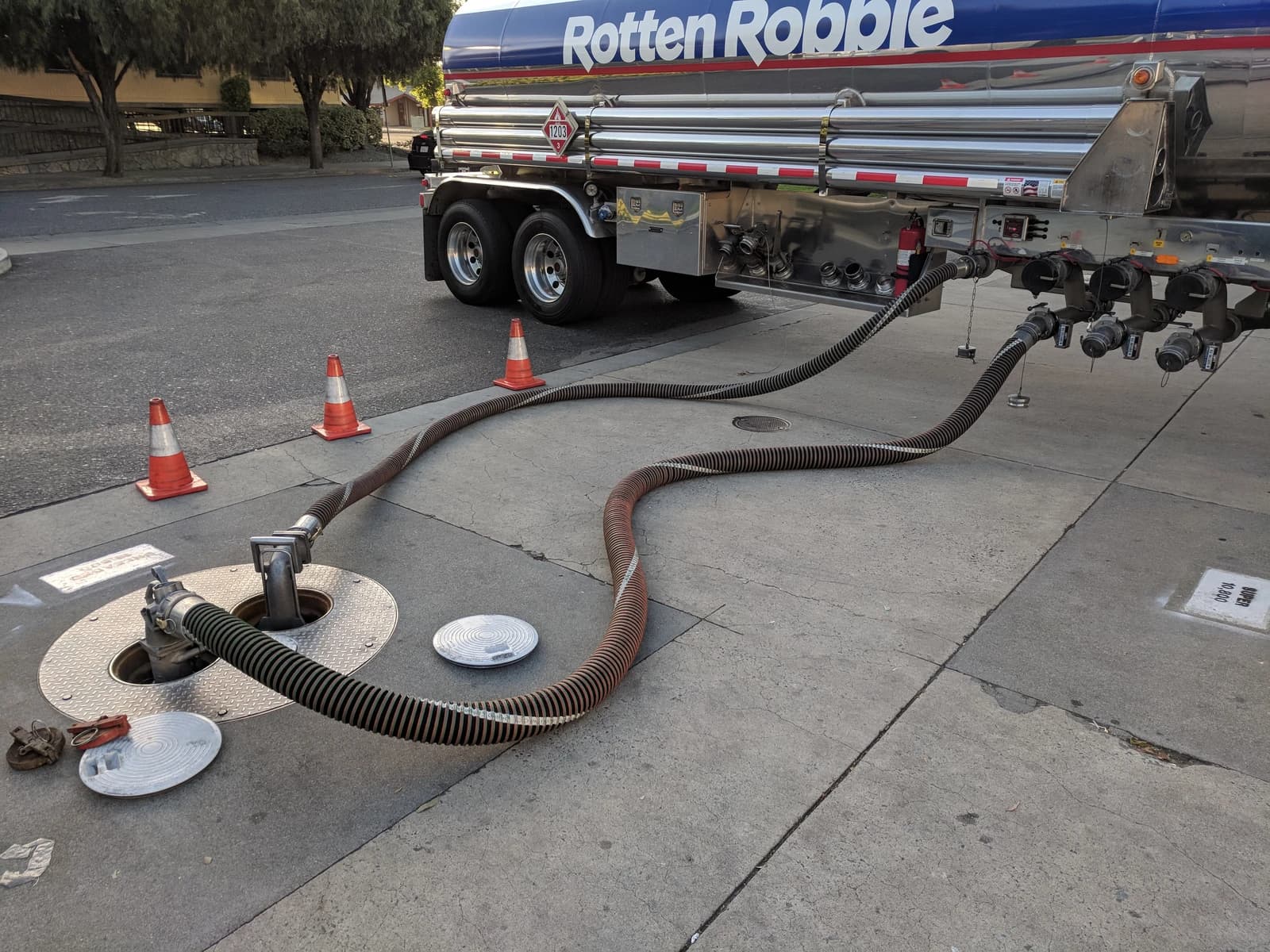
Ukraine’s biggest fuel retailers largely left pump prices unchanged on September 7, but the market is bracing for another round of increases in the coming weeks as global oil-product prices rise and freight-and-security risks stay elevated.
Ukraine fuel prices stay flat as hike risk rises
The average price of A-95 gasoline was about 83.18 hryvnias a liter, while diesel averaged 93.82 hryvnias, keeping transport and logistics costs high for households and businesses. In many chains the day’s price lists were unchanged, but KLO and Ukrnafta raised some fuel grades, underscoring how quickly retailers are adjusting to the latest wholesale moves.
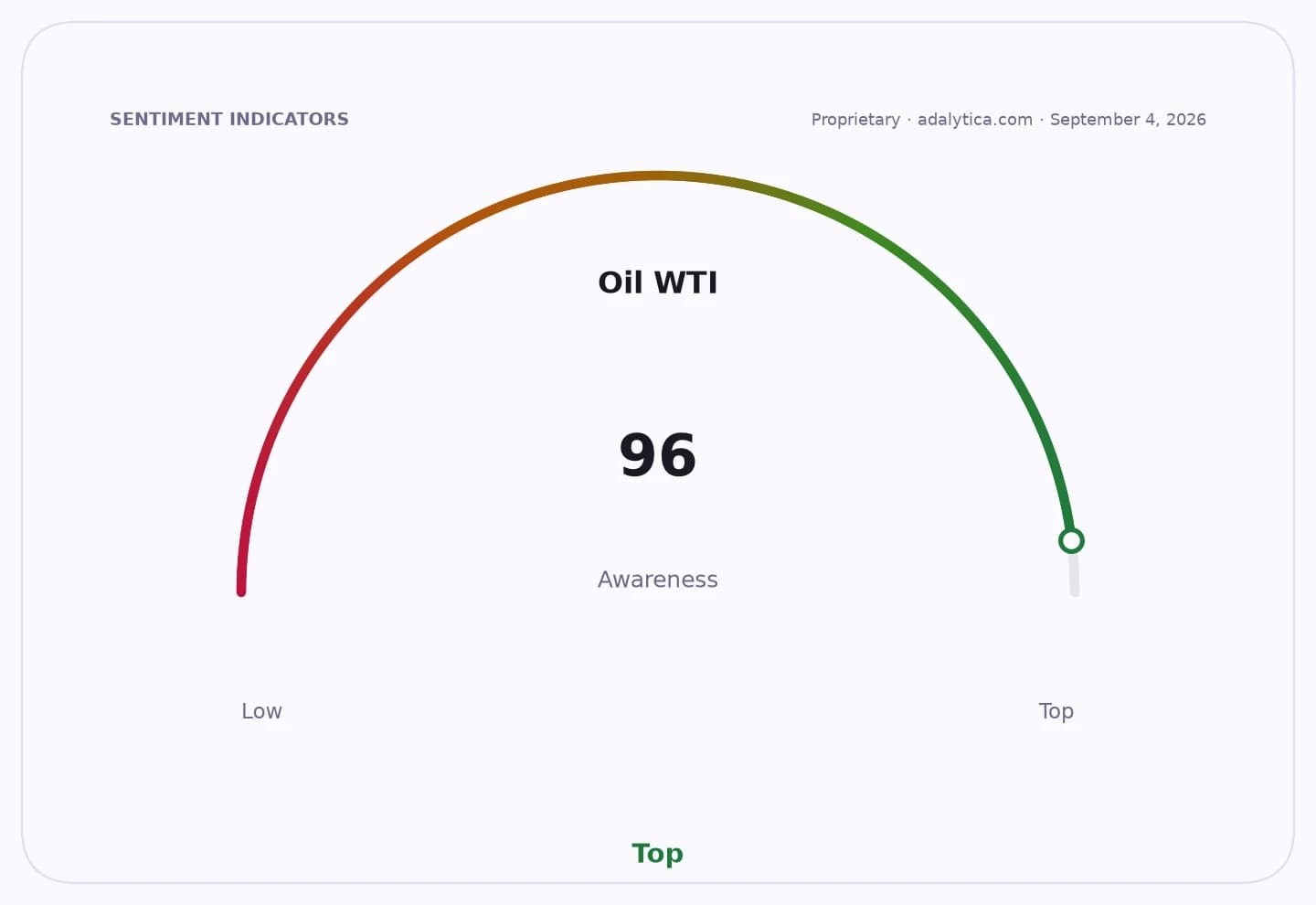
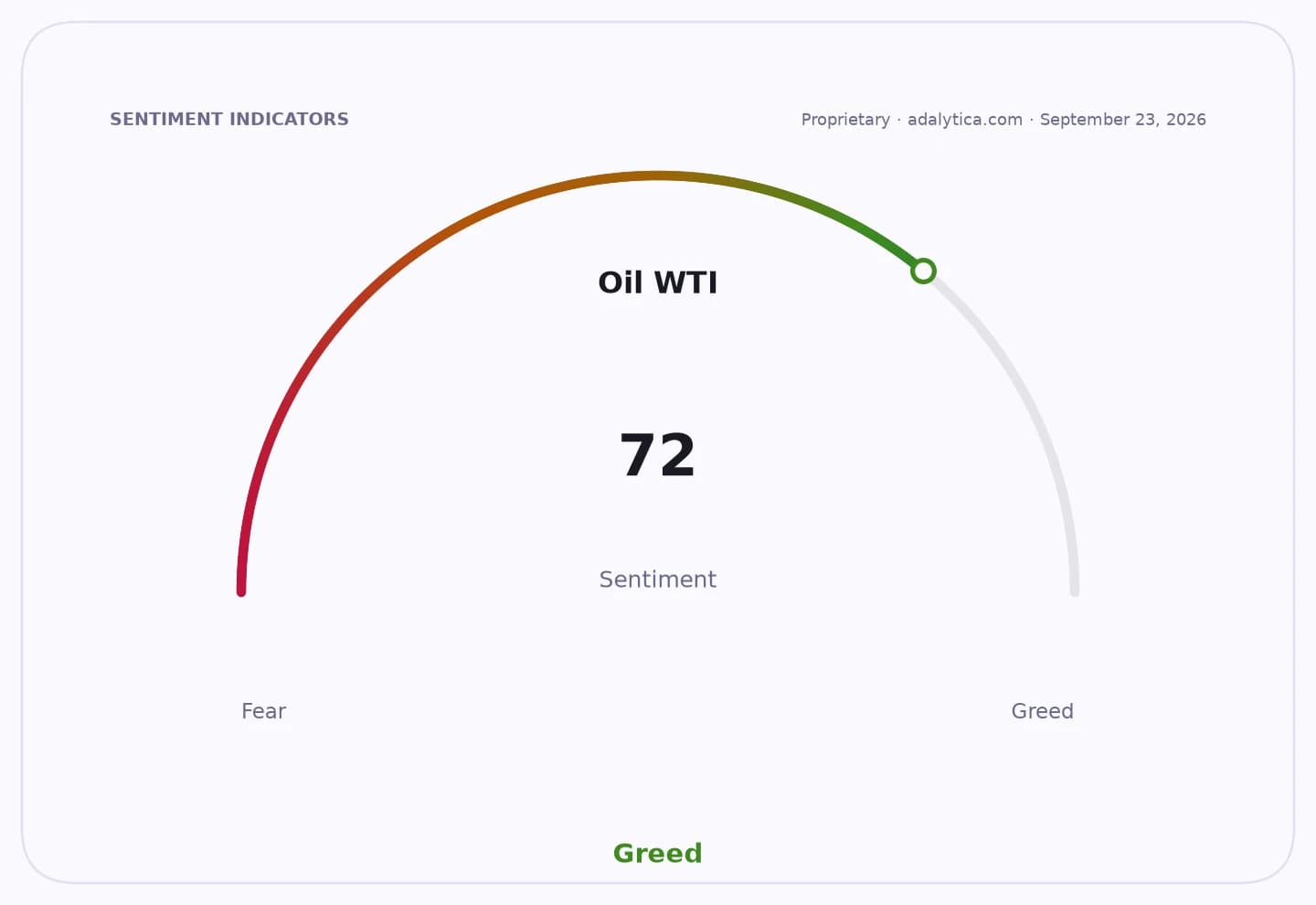
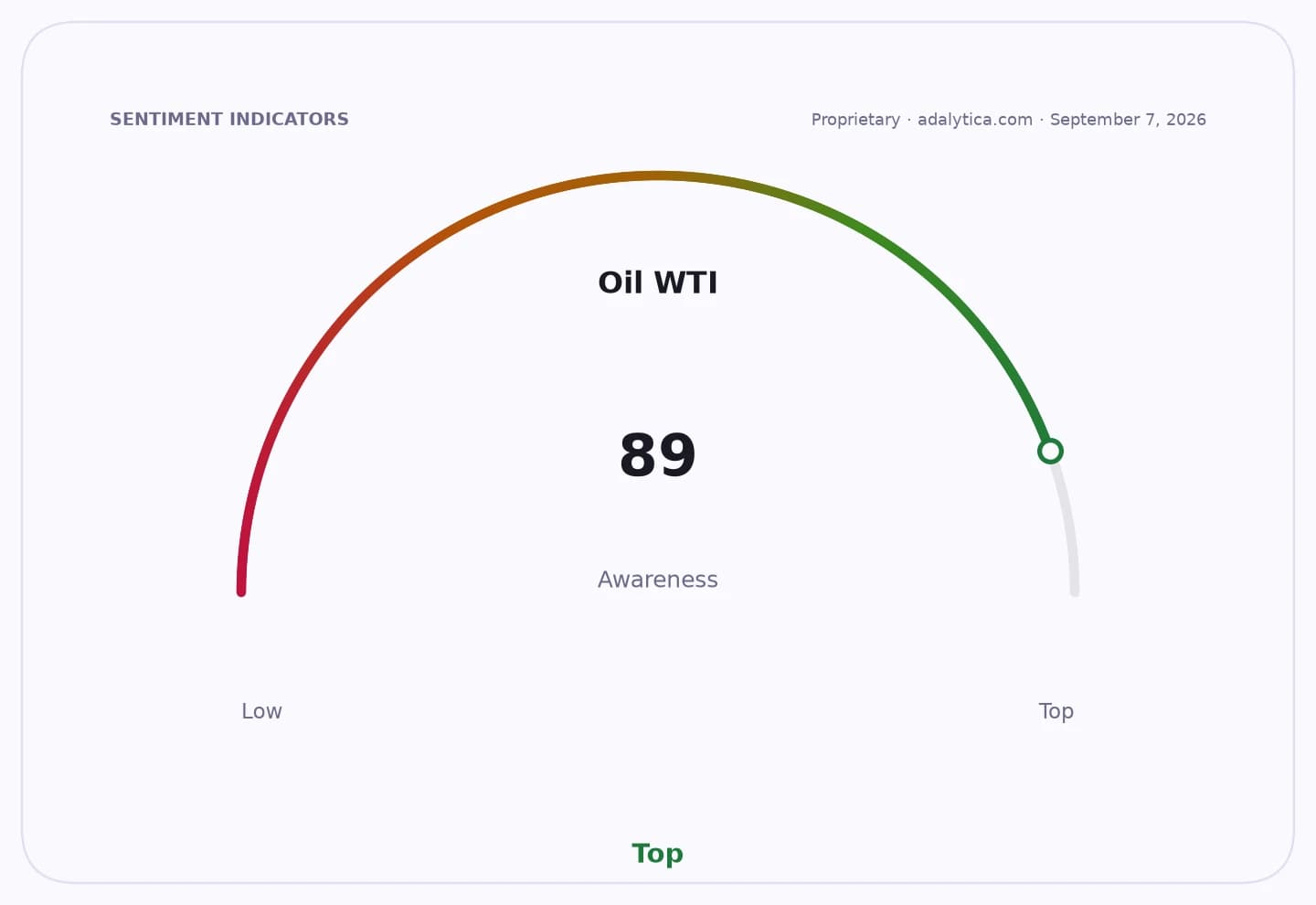
Sentiment IndicatorsⓘProprietary · adalytica.com · September 7, 2026
This is a snapshot — live sentiment, awareness and momentum for 130+ markets update continuously in the dashboard.Open AlphaPulse
The most expensive fuel remains at OKKO, WOG and Socar, where A-95 is priced at 85.90 hryvnias a liter and diesel at roughly 95.90 to 96.90 hryvnias. The cheapest options are still at BRSM-Nafta and Ukrnafta, where A-95 is available below 80 hryvnias a liter in some locations and diesel starts around 89.99 hryvnias.
That relative stability at the pump does not mean pressure is fading. Serhii Kuyun, head of the A-95 Consulting Group, expects gasoline and diesel to jump by about 5 hryvnias a liter in the near term, citing a sharp rise in global oil-product prices and London benchmark quotations. In dollar terms, that would be a meaningful move for a fuel market that feeds directly into consumer inflation, agricultural costs and road-haulage margins.
The macro backdrop matters. Higher fuel prices tend to pass through quickly into food distribution, public transport and industrial input costs, making the central bank’s disinflation work harder. The latest move in global crude is also feeding the domestic market: Brent-linked products and diesel cracks have tightened, and WTI has rebounded sharply, with the USO oil fund showing a strong technical upswing and elevated RSI readings, a sign of overbought but still forceful momentum in energy prices.
Ukraine’s fuel market is not facing a shortage, which limits the risk of immediate panic buying or rationing. But the supply picture is still exposed to war-related disruption, with Russian strikes on energy infrastructure remaining a structural risk for import, storage and distribution. That leaves retailers with little room to absorb another wholesale surge without passing it through.
For investors, the key issue is not just higher pump prices in Ukraine but what they say about broader energy inflation in Europe’s eastern periphery. Higher fuel costs support margins for downstream retailers and wholesalers that can reprice quickly, but they squeeze consumers and transport-intensive businesses, and they can sharpen political pressure if the move becomes persistent. If global petroleum prices remain firm, the next test will be whether Ukrainian retailers widen the gap between premium brands such as OKKO and WOG and the lower-cost chains, or whether the entire market resets higher at once.
| Entity | Gains | Losses |
|---|---|---|
| Fuel retailers with pricing power | ▲Wider gross margins | ▼Price-sensitive motorists |
| Oil producers and product traders | ▲Stronger pricing environment | ▼Import-dependent economies |
| Ukrainian consumers | ▲Limited immediate shortage risk | ▼Higher transport and food costs |
| Lower-cost chains such as BRSM-Nafta and Ukrnafta | ▲Volume advantage | ▼Premium brands if spreads narrow |