Crude oil ticked higher again at the start of the week as Middle East tensions kept the market focused on possible supply and shipping disruptions, while Vietnamese retail fuel prices stayed near multi-month highs.
Crude Oil Rises on Middle East Tensions
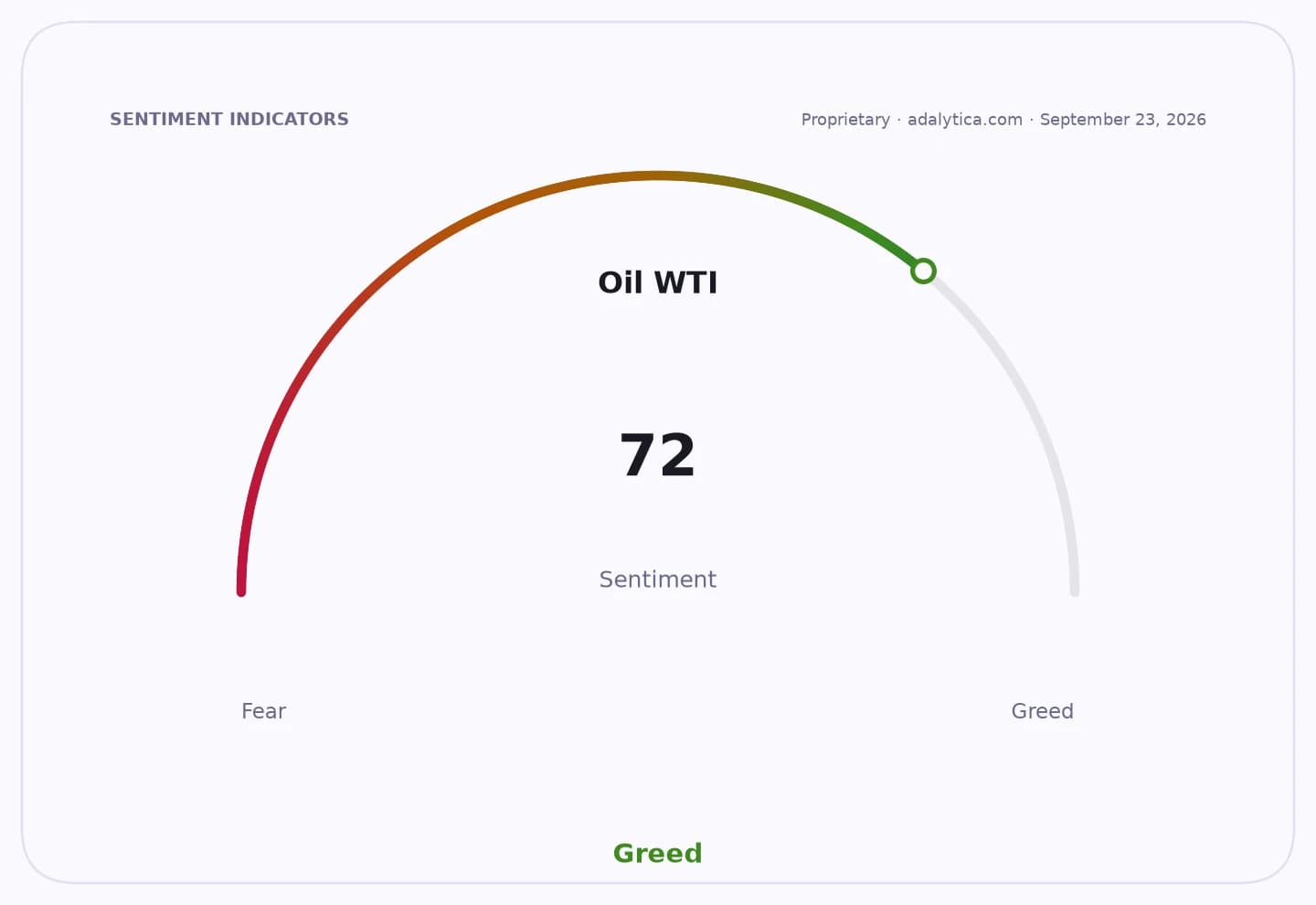
Brent crude rose 0.70% to $104.60 a barrel and U.S. West Texas Intermediate climbed 0.70% to $101, underscoring how quickly geopolitics is still moving energy markets. Traders remain fixated on the risk that conflict in the region could interrupt flows through key sea lanes and energy infrastructure, especially the Strait of Hormuz and the Red Sea corridor.
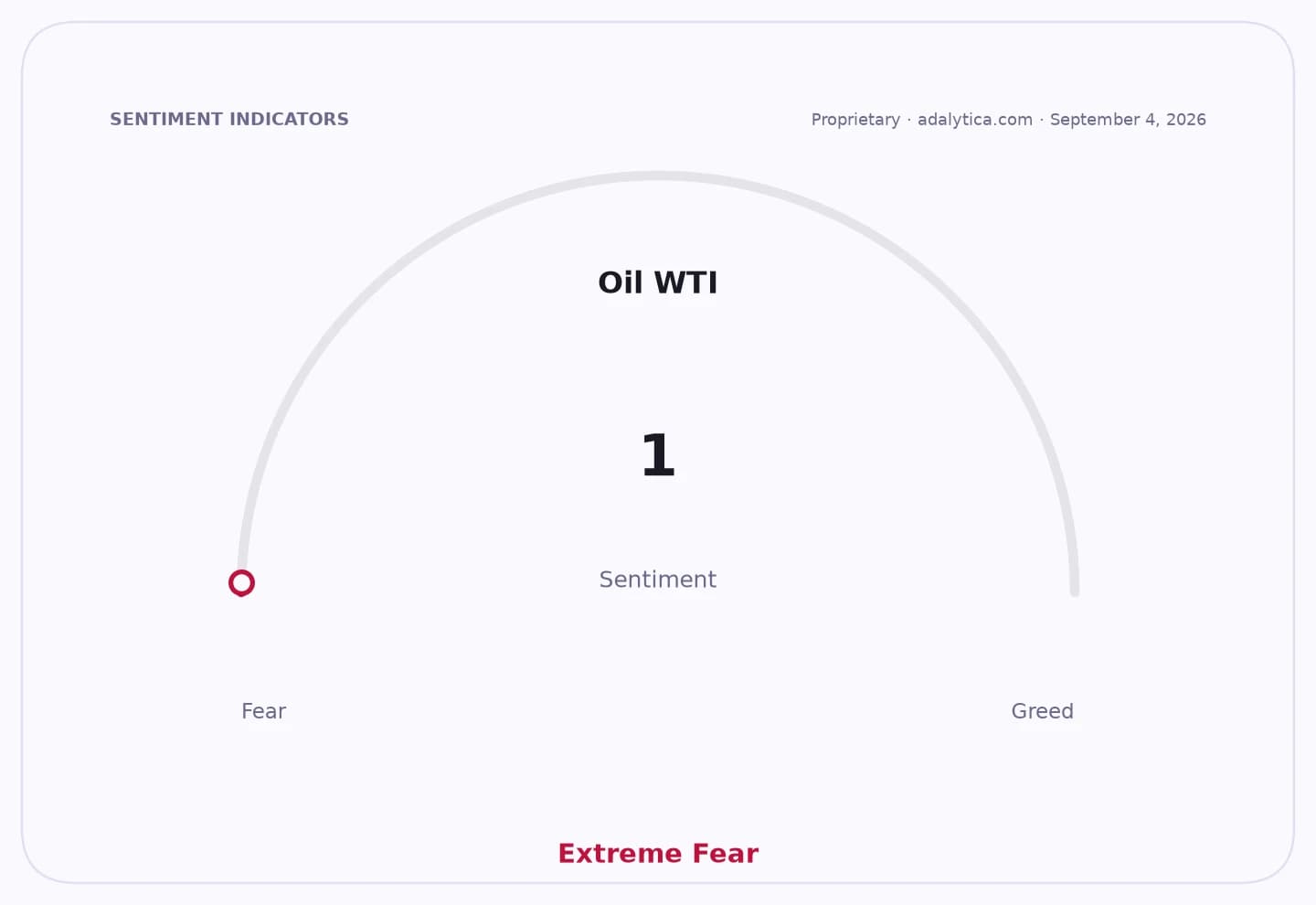
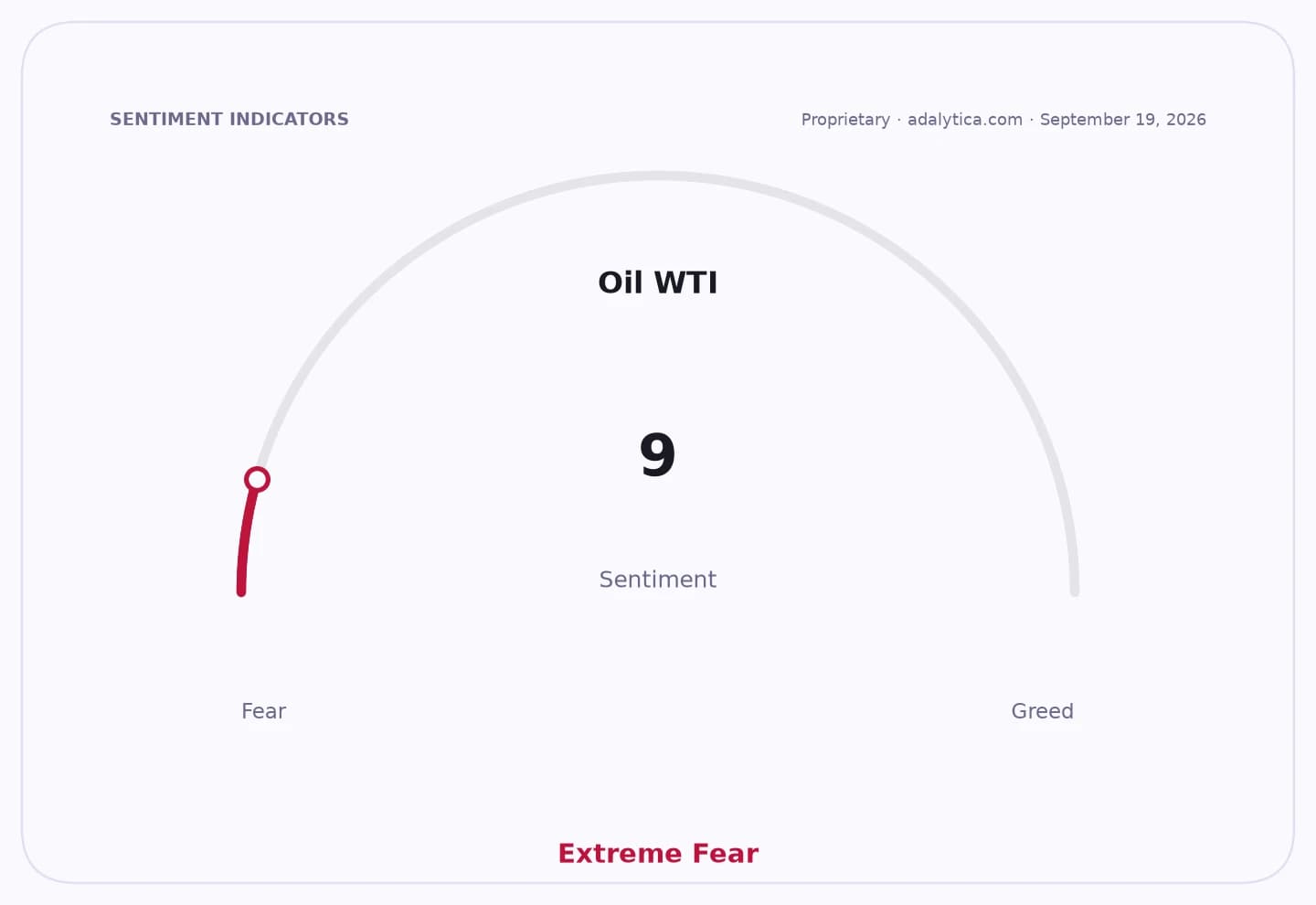
Sentiment IndicatorsⓘProprietary · adalytica.com · September 23, 2026
This is a snapshot — live sentiment, awareness and momentum for 130+ markets update continuously in the dashboard.Open AlphaPulse
That matters economically because any prolonged disruption would hit a market that is already tight in refined products, particularly diesel. Reuters-tracked data showed traffic through the Strait of Hormuz fell to just four cargo vessels on Sept. 17 from six the day before, a reminder that even small changes in shipping activity can tighten global supply expectations.
The pressure is showing up beyond crude itself. U.S. diesel prices have hit a record $6.45 a gallon, while average gasoline is at $4.47, highlighting how refinery constraints and logistics snarls are feeding through to consumers. IIR Energy said U.S. refinery runs were expected to fall by about 371,000 barrels a day on Sept. 18, adding another layer of support to fuel prices.
For investors, the setup favors energy producers and refiners while squeezing transportation-heavy businesses, consumers and fuel importers. Oil-linked exchange-traded funds and producers such as the broader energy sector have benefited from the move, while airlines, logistics firms and other fuel buyers face higher operating costs and margin pressure.
In Vietnam, the effect is already visible at the pump. After the latest pricing adjustment on Sept. 17, E10 RON95 gasoline was capped at 25,636 dong a liter, while diesel 0.05S rose to 29,945 dong a liter, leaving fuel costs elevated for households and businesses.
The market’s next catalyst is whether Middle East tensions ease or deepen. If shipping lanes remain disrupted or refinery outages widen, crude and retail fuel prices could stay bid; if diplomacy cools the risk premium and supply routes normalize, the rally could fade.
| Entity | Gains | Losses |
|---|---|---|
| Oil producers | ▲Higher realized prices | ▼ |
| Refiners | ▲ | ▼Higher crude and logistics costs |
| Consumers in Vietnam | ▲ | ▼Higher gasoline and diesel bills |
| Fuel importers and transport firms | ▲ | ▼Margin pressure from pricier fuel |