Gasoline prices in Wismar were broadly steady on Friday morning, but the more important story for drivers and fuel markets is that retail costs remain elevated even as global crude prices swing on geopolitics, keeping pressure on household budgets and transport margins.
Wismar Gasoline Prices Stay Elevated Friday Morning
The local benchmark showed average prices of 2.314 euros a liter for Super, 2.254 euros for E10 and 2.283 euros for diesel at 06:04 a.m., with the spread between the cheapest and priciest stations in and around Wismar at 4 cents for Super, 4 cents for E10 and 5 cents for diesel. For a 50-liter diesel fill-up, that translates into a maximum saving of 2.50 euros, a reminder that even in a relatively tight local market, station choice still matters.
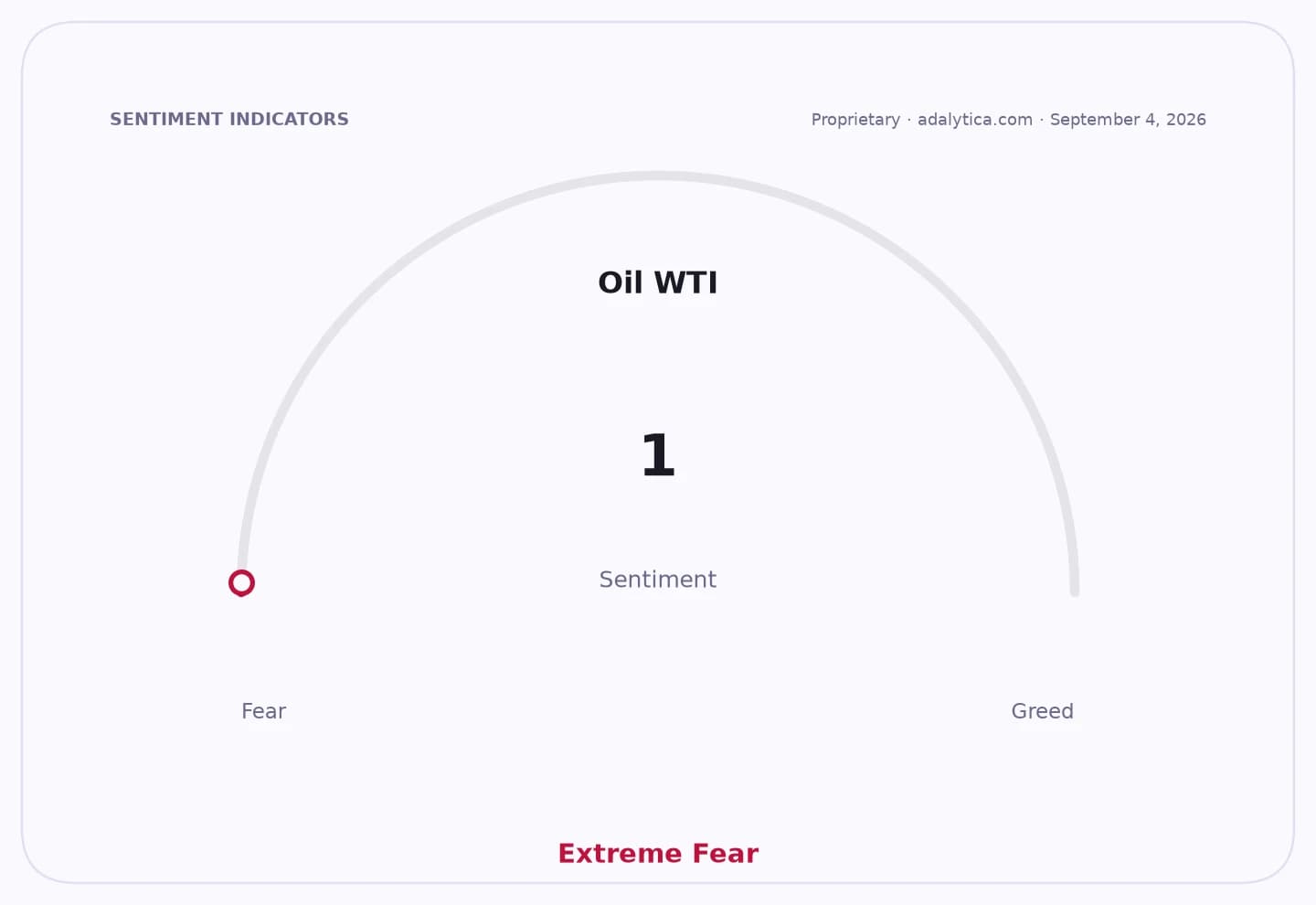
Sentiment IndicatorsⓘProprietary · adalytica.com · September 4, 2026
This is a snapshot — live sentiment, awareness and momentum for 130+ markets update continuously in the dashboard.Open AlphaPulse
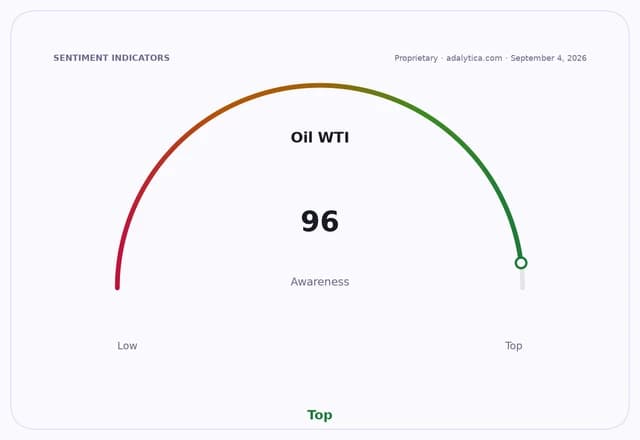
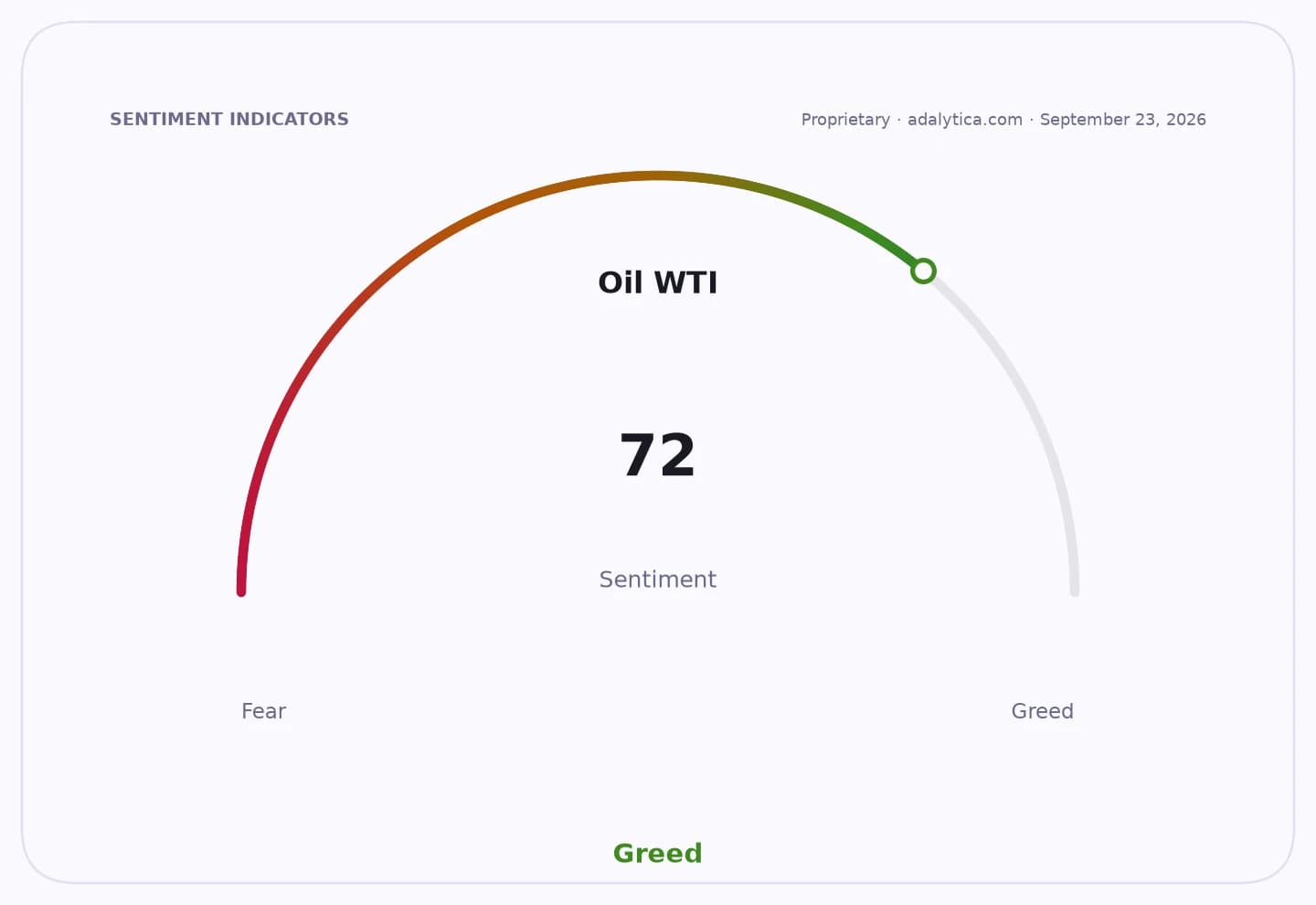
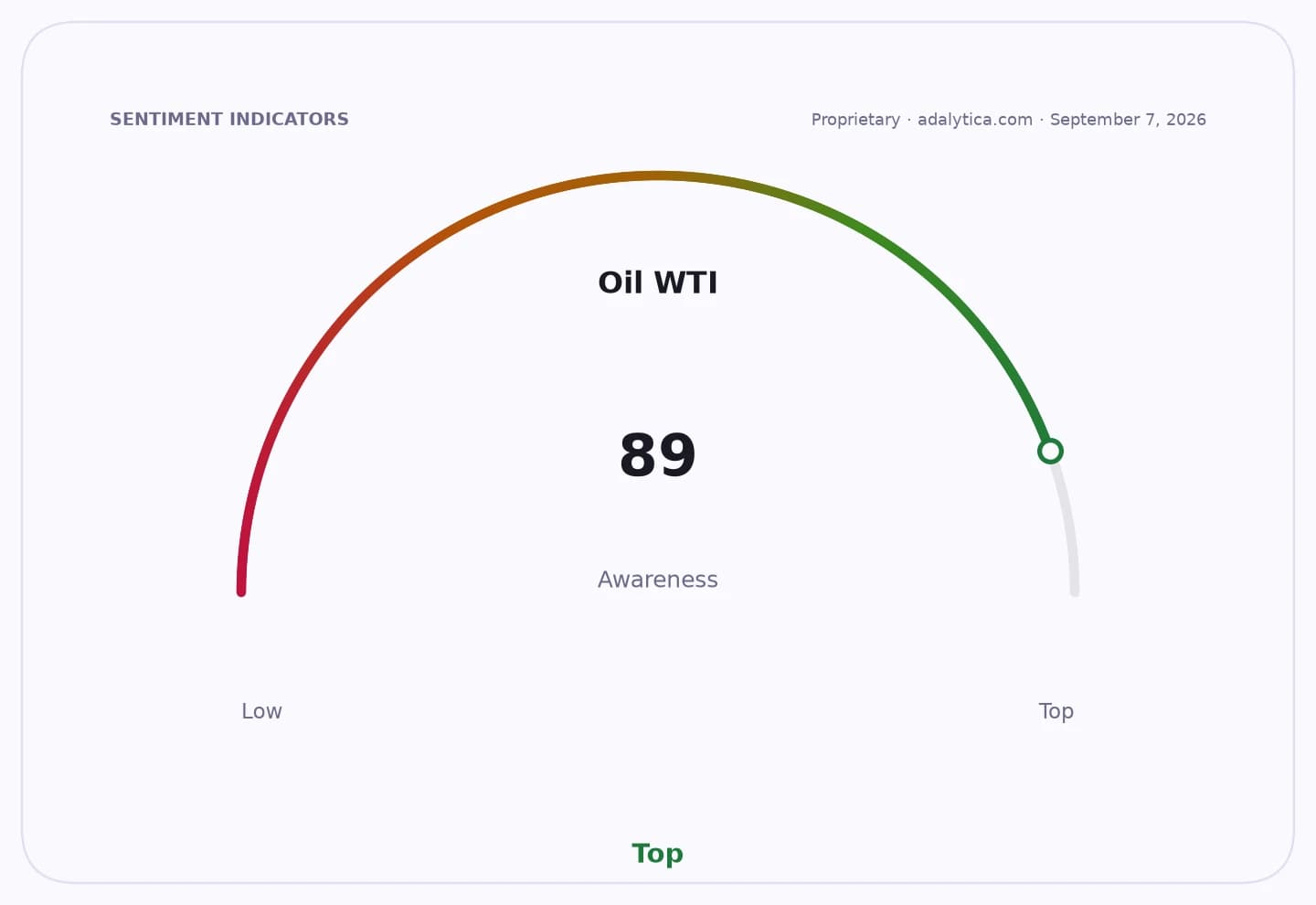
The bigger macro driver is oil. Brent-linked fuel products have been moving in response to renewed Middle East tensions and fragile hopes for progress in the Russia-Ukraine conflict, while Adalytica’s Oil WTI Trade Signals show a sharp divergence between sentiment and attention: sentiment is at 1, labeled “Extreme Fear,” even as awareness sits at 96, or “Extreme Greed.” That combination usually reflects a market where traders are highly alert to supply disruptions but unsure whether the latest risk premium can be sustained.
USO, the oil proxy in the data set, closed at 142.09 on September 3, above its 50-day average of 123.23 and 200-day average of 107.14, with RSI readings around 73 suggesting the move has been strong and may be technically stretched. XLE, the energy sector ETF, also remains well above its longer-term averages, indicating investors have already priced in a meaningful oil rebound. For fuel retailers, that supports margins if crude stays firm; for consumers and logistics-heavy businesses, it keeps the cost base under pressure.
For investors, the implication is straightforward: persistent geopolitically driven oil volatility tends to support energy equities and integrated producers, while transportation, retail and consumer names face a renewed input-cost squeeze. In Germany, where fuel costs feed directly into commuting and delivery economics, a few cents a liter can quickly compound across fleets and households, making the local price dispersion in Wismar economically relevant even if it looks small at first glance.
The near-term watchpoint is whether crude’s current risk premium holds through the next pricing window. If tensions ease, retail prices could soften quickly; if they worsen, the modest savings from station shopping will matter less than the direction of the underlying oil market.
| Entity | Gains | Losses |
|---|---|---|
| Fuel retailers with low-cost supply | ▲Higher foot traffic | ▼Margin pressure from competition |
| Energy producers | ▲Higher realized prices | ▼Demand risk if fuel stays expensive |
| Drivers in Wismar | ▲Small savings from price comparison | ▼Elevated household fuel bills |
| Transport and logistics firms | ▲None | ▼Higher operating costs |