Oil prices heading into Sept. 7 are being held aloft by geopolitical risk in the Middle East, and that matters far beyond the trading screen: it is already feeding into Thai pump prices and keeping pressure on transport costs, inflation and household budgets.
Oil Prices Rise on Middle East Supply Risk
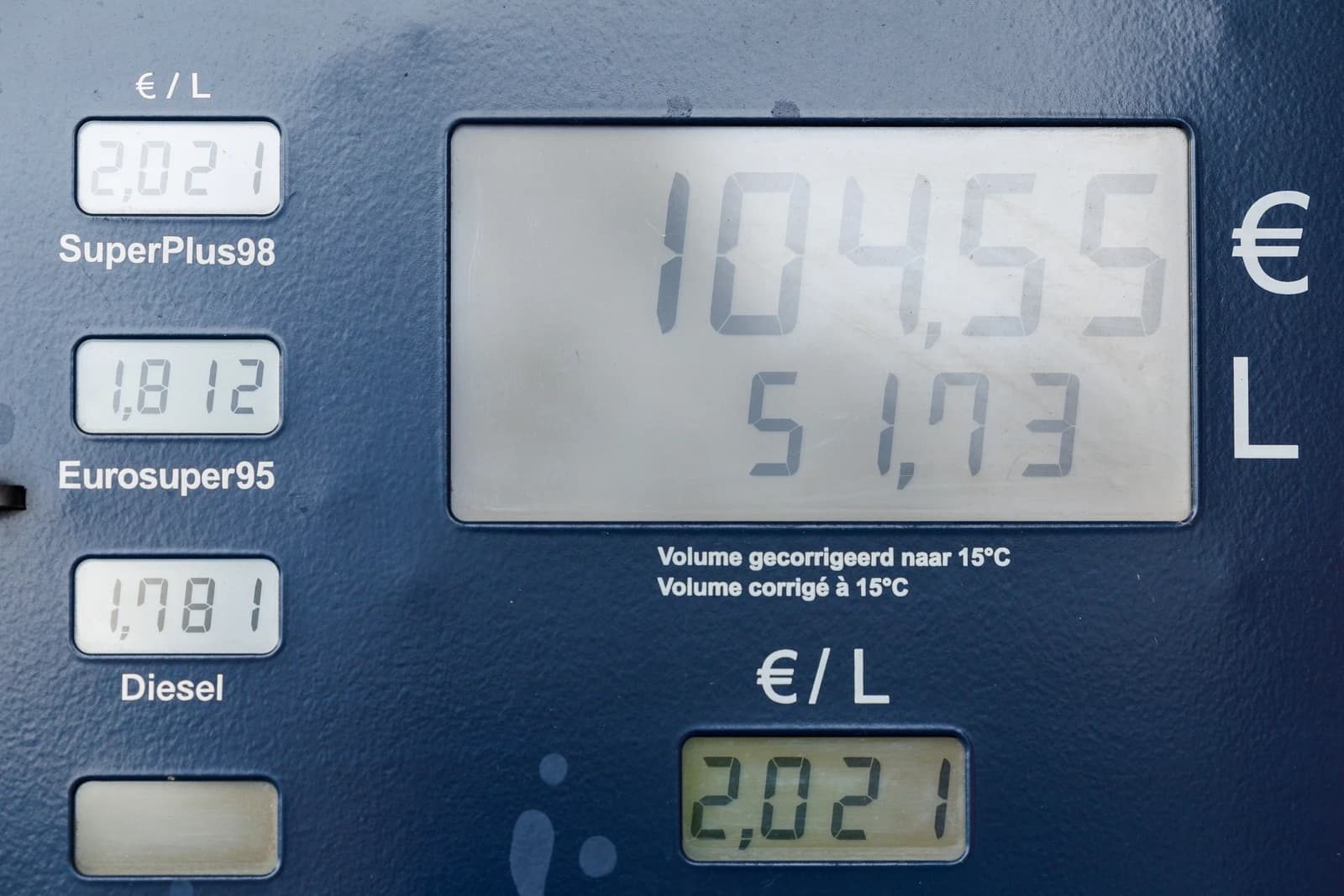
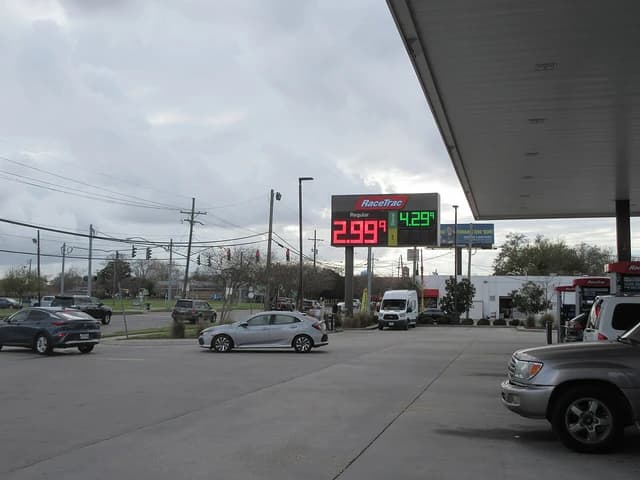
For drivers in Thailand, the latest posted prices from major stations show diesel at 39.14 baht a liter, regular gasoline at 47.28 baht, and popular gasohol grades clustered in the high 30s. Premium fuels are still far more expensive, with Super Power diesel at 50.05 baht and Hi Premium diesel at 49.25 baht. That gap matters because diesel and gasoline costs flow directly into freight, food delivery and consumer spending.
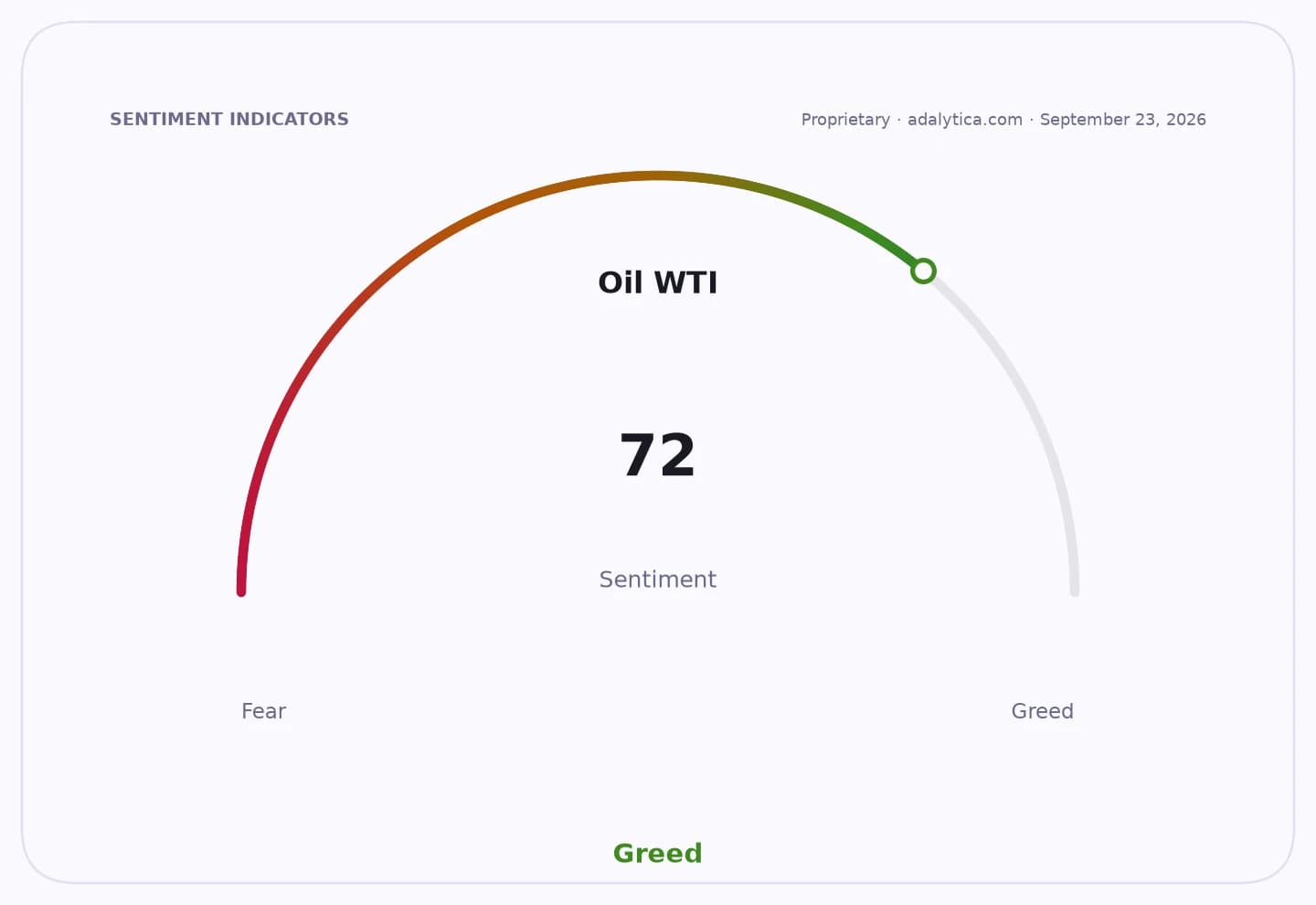
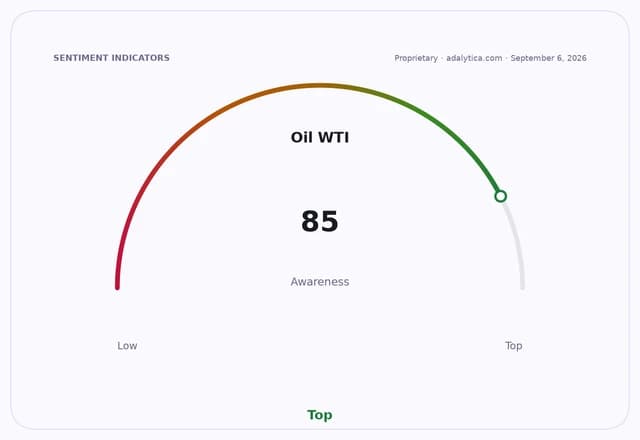
Sentiment IndicatorsⓘProprietary · adalytica.com · September 6, 2026
This is a snapshot — live sentiment, awareness and momentum for 130+ markets update continuously in the dashboard.Open AlphaPulse
The trigger is the same one rattling global energy markets: fears that fighting in the Middle East could disrupt supply routes, including the Strait of Hormuz. Benchmark U.S. crude, tracked by the WTI series in the data, has climbed to about $91.75 a barrel in early September after recovering sharply from late-August lows near $84.57. Brent has already pushed through $95 in the broader market, underscoring how quickly traders are pricing in supply risk.
That kind of move is a big deal economically. Oil is still one of the fastest ways for geopolitical stress to reach the real economy. When crude rises, importers pay more, refiners can see margins swing, and governments often face tougher choices over fuel subsidies and domestic pricing. In Thailand, where road transport is central to commerce, higher fuel costs can eventually work their way into inflation readings and corporate margins.
The market reaction has been just as clear. The U.S. Oil Fund, a proxy for crude exposure, closed at $141.96 on Sept. 4, well above its 50-day and 200-day moving averages, with RSI readings around 70 showing the fund is in stretched territory after a fast run-up. Energy stocks have benefited too: the Energy Select Sector SPDR ETF, XLE, ended at $64.06, while the SPDR S&P Oil & Gas Exploration & Production ETF, XOP, closed at $190.71. Both have outperformed on the back of the crude rally, reflecting investors’ preference for producers and service companies when oil prices rise.
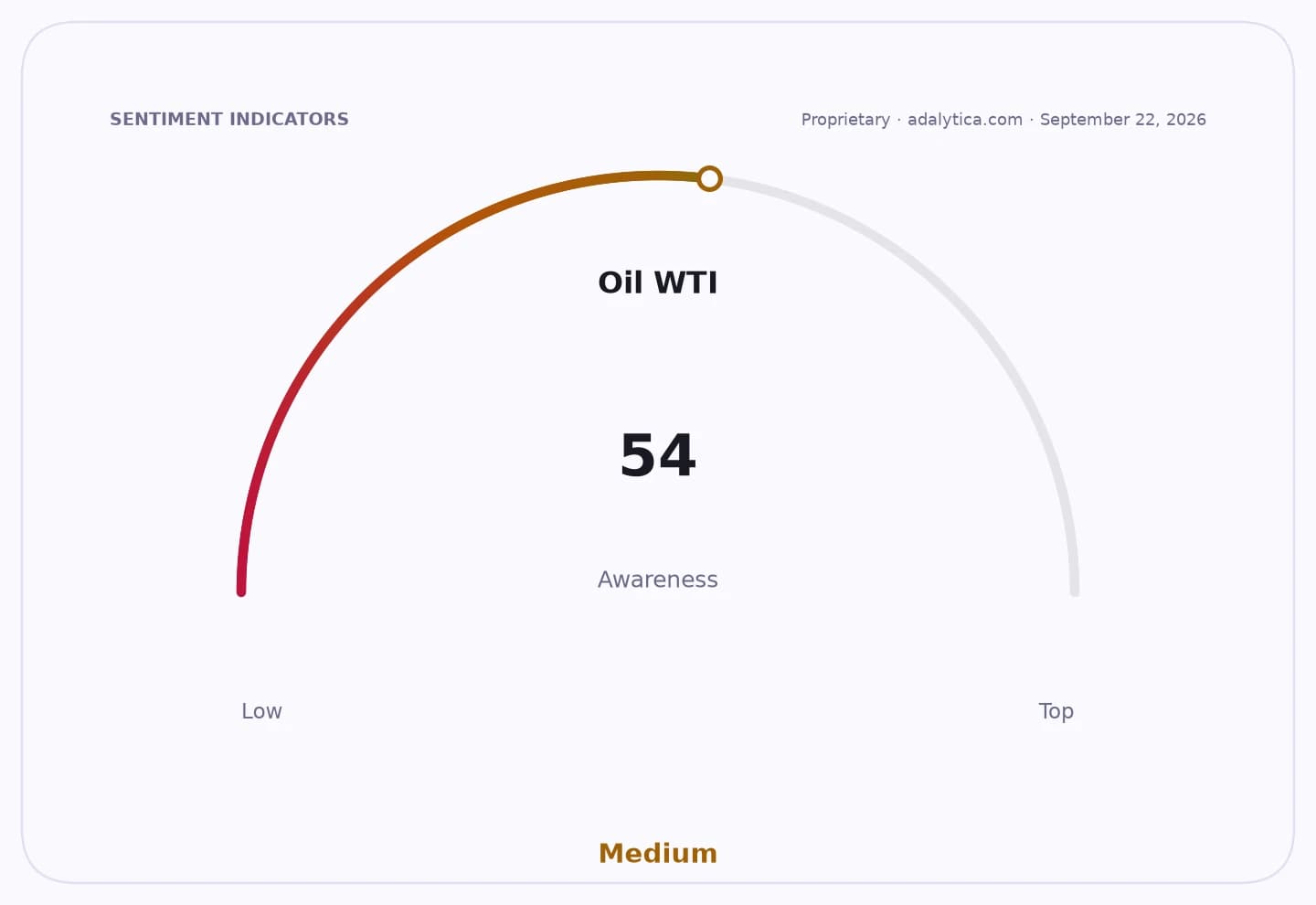
Adalytica’s trade-signal snapshot for U.S. crude shows sentiment at 27, labeled “Fear,” while awareness is high at 85, a sign that the market is intensely focused on the oil story even after recent pullbacks. The mix suggests investors are paying up for near-term supply risk, but they are also aware how quickly headlines can reverse the move if tensions ease.
For long-term investors, the key question is not whether oil can jump for another day or two. It is whether this becomes a sustained inflationary impulse or just another geopolitical spike. If crude stays elevated, energy producers, tanker operators and some commodity-linked businesses could keep benefiting, while airlines, shippers, consumer brands and oil-importing economies face margin pressure. If the fear premium fades, today’s winners can give back gains just as quickly.
For now, the message is simple: oil remains a geopolitical market, not just a commodity market. If you own energy stocks or broad index funds, this is a reminder to stay diversified, think in years, and treat fuel-price volatility as part of the investing landscape. For consumers and businesses in Thailand, it is worth watching closely before the week begins.
| Entity | Gains | Losses |
|---|---|---|
| Energy producers | ▲Higher selling prices | ▼None near term |
| Thai drivers | ▲None | ▼Higher fuel bills |
| Oil-importing businesses | ▲None | ▼Margin pressure |
| Energy ETFs | ▲Inflow support | ▼Rate-sensitive sectors |