Thailand’s baht weakened to 33.25 per dollar, closing softer than it traded in the morning as investors weighed the government’s emergency borrowing plans against a still-fragile economic backdrop.
Thailand baht weakens as energy borrowing weighs
That matters because the currency is increasingly being priced not just as a function of Thailand’s trade flows, but as a read-through on fiscal stress and energy-market strain. The government’s push for a 400 billion baht emergency loan to shore up the energy sector suggests policymakers are moving to contain immediate pressure, but it also highlights how quickly public finances can become part of the FX story when utility costs, fuel subsidies and import dependence collide.
Sentiment IndicatorsⓘProprietary · adalytica.com · September 1, 2026
This is a snapshot — live sentiment, awareness and momentum for 130+ markets update continuously in the dashboard.Open AlphaPulse
For investors, the move has a straightforward implication: a weaker baht can offer some support to exporters and tourism-linked revenues, but it also raises the cost of servicing foreign liabilities and importing energy. That is especially sensitive at a time when crude remains elevated, with US oil at $133.70 a barrel, keeping imported fuel expensive and limiting room for policy relief. Gold’s sharp rebound, with GLD still trading above $408 despite a pullback from recent highs, also points to a market mood that remains defensive even as the dollar steadies.
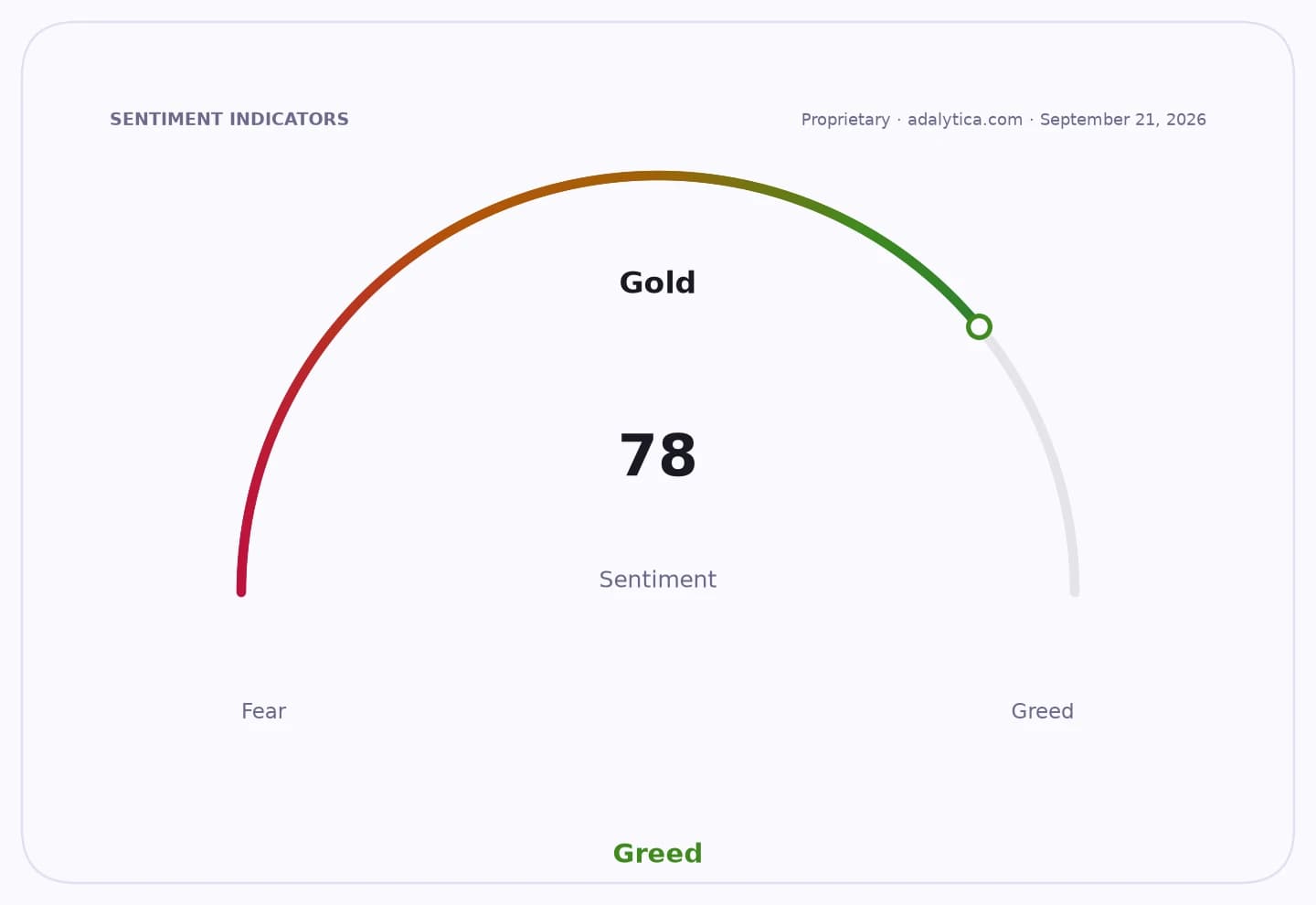
The broader market message is that Thailand is fighting two battles at once — stabilizing energy costs and defending confidence in its currency. Adalytica’s Gold Fear & Greed Index shows extreme fear, while the dollar’s trade signals have improved over the past week, reinforcing the view that capital is still favoring liquidity and safety over higher-beta emerging Asia exposure.
The baht’s next move will depend on whether the government can fund its energy backstop without spooking markets further. If borrowing grows while oil stays high, the currency likely stays under pressure; if officials can cool energy costs and restore confidence, the baht could find room to recover. For now, the trade is clear: stay selective on Thailand, favor exporters over domestic importers, and watch energy policy as closely as the central bank.
| Entity | Gains | Losses |
|---|---|---|
| Thai exporters | ▲More competitive pricing | ▼Imported input costs |
| Tourism businesses | ▲Cheaper services for foreigners | ▼Higher energy expenses |
| Government/energy sector | ▲Funding relief | ▼Fiscal credibility |
| Importers/consumers | ▲None | ▼Weaker baht, pricier fuel |